When the Interview Lets Lies Stand: Gas, Votes, and the Cost of Looking Away
A lengthy PR interview with Péter Magyar—opposition frontrunner in the Hungarian parliamentary elections, chairman of the Tisza Party, and a possible next prime minister—was published by Márton Bede, star journalist of 444.
Beyond the fact that the interview was not conducted professionally, Péter Magyar lied several times, and at least at one point he even falsifies European political reality to his own advantage, and Márton Bede lets these parts slide, does not confront the interviewee with reality.
We would now highlight two parts that are essential from the perspective of Hungarian democracy.
1. Denial of the EU regulation
In his answer to the question about the EU ban on imports of Russian gas, Péter Magyar lies so brazenly that…
…that the sky does not fall, because the true fixed stars of Hungarian professional journalism in such moments are rivets in the firmament to keep it from collapsing:
Márton Bede:
From the autumn of 2027, not a drop of Russian gas may arrive in the European Union. What will replace this in Hungary?
Péter Magyar:
That is not the case. At present the European Union makes its decisions, good or bad, in a situation that reflects a state of war. I think we can reasonably say that by 2027 there will no longer be a war, and no one believes that Russia can be permanently detached from the European economy. That is not in Europe’s interest, not in Russia’s, and not in the global economy’s either.
Márton Bede:
But you nevertheless wrote into your program that you would break away from Russian energy by 2035.
Péter Magyar:
We wrote that we would eliminate dependence on Russian energy. That does not mean we will break away from Russian gas. I would very much like to emphasize this. Although Fidesz propaganda blares this, the two are not the same.
One thing we plan, and which Fidesz also plans, only now it has forgotten, and which the European Union also expects, is diversification. Everyone knows that the safest, cheapest, and most sustainable way to procure energy—whether oil, natural gas, or nuclear fuel—is to obtain it from multiple sources. To give a simple example that even Fidesz politicians can understand: if someone wants to procure oranges and tries to buy them from three traders, they will probably be able to obtain them more cheaply and more safely than if they are exposed to a single orange trader who alone sets the price and the conditions. That is what this is about.
By 2027 we do not have to and cannot break away. However, by 2035 the conditions must be created so that Hungary can supply itself from other sources as well in the event of a geopolitical conflict, a war, or an energy crisis.
But yes, dear Péter, yes, dear Márton Bede, by 2027 we do have to break away, and we can! On December 3, 2025, the European Council and the European Parliament reached a provisional preliminary agreement on the complete EU-wide ban on Russian pipeline natural gas and Russian LNG, with a final deadline of November 1, 2027 at the latest.
Péter Magyar should have known about this, since afterward, on December 17, the European Parliament voted on the EU regulation to this effect—true, the Tisza Party’s MEPs did not press any buttons. Whether they were not there or simply felt ashamed to stand openly next to Putin is already a question that, in the absence of Márton Bede, has now risen to poetic heights. What we should not forget to hold against Márton Bede, stalled on the path to becoming a poet, is that a journalist really ought to be aware of such an EU matter:
which he asks a question about
which affects Hungary
which fundamentally affects the direction of global democracy
which has been public for more than two months and is all over the global press.
Let us therefore lay it down: the EU regulation clearly states that it is about banning Russian gas, and not merely some diversification. In the case of LNG, imports will cease on January 1, 2027; in the case of pipeline gas, no later than November 1, 2027, even for existing long-term contracts. These are the facts. Let us add that even the parts about diversification do not contain a 2035 date, but the end of 2027, on the condition that diversification must serve the replacement of all Russian fossil energy carriers, including oil, again emphasizing that the final date for detaching from Russian energy sources is the end of 2027. Let us quote the relevant section of the regulation:
Article 3
Prohibition of natural gas imports from the Russian Federation
1. The import of natural gas in gaseous state via pipelines, which originates in or is exported directly or indirectly from the Russian Federation, shall be prohibited unless one of the exemptions provided for in Article 4 applies.
2. The import of LNG, which originates in or is exported, directly or indirectly, from the Russian Federation, or which is obtained from natural gas in gaseous state extracted in the Russian Federation, shall be prohibited, unless one of the exemptions provided for in Article 4 applies. This prohibition shall also apply to LNG which originates in or is exported, directly or indirectly, from the Russian Federation contained in mixtures.
Article 4
Transition phase for existing supply contracts
1. The prohibition pursuant to Article 3 paragraph 1 shall apply as of 17 June 2026, and the prohibition pursuant Article 3 paragraph 2 shall apply as of 25 April 2026, where it can be demonstrated to the authorising authorities that the respective imports of natural gas referred to in Article 3 are executed under a short-term supply contract, concluded before 17 June 2025, and not amended thereafter, unless the amendment is covered by paragraph 4.
2. Article 3 paragraph 2 shall apply as of 1 January 2027, where it can be demonstrated to the authorising authorities that imports of natural gas referred to in Article 3 are executed under a long-term supply contract concluded before 17 June 2025, and not amended thereafter, unless the amendment is covered by paragraph 4.
3. The prohibition pursuant to Article 3 paragraph 1 shall apply as of 30 September 2027, where it can be demonstrated to the authorising authorities that imports of natural gas referred to in Article 3 are executed under a long-term supply contract concluded before 17 June 2025, and not amended thereafter, unless the amendment is covered by paragraph 4.
Where the Commission identifies a risk that the filling target for 2027 for underground storage of a Member State pursuant to Art 6a of Regulation (EU) 2017/1938 might not be reached, taking into account the circumstances for the risk of missing the target, it shall confirm this risk by way of an implementing decision no later than 15 September 2027.
In case an implementing decision is taken pursuant to subparagraph 2, the prohibition for existing contracts pursuant to Article 3 paragraph 1 shall apply only as of 1 November 2027 in that Member State. The Commission shall inform, without any delay, the Gas Coordination Group, the European Parliament and the Council.
4. The exemptions provided for in paragraphs 1, 3 and 5 shall also apply with regard to existing supply contracts with the following amendments:
(a) lowering contracted quantities;
(b) lowering prices and fees;
(c) amending confidentiality clauses;
(d) amending operational procedures, such as communication procedures;
(e) changes of addresses of contract parties;
(f) transfers of contractual obligations between affiliated undertakings;
(g) changes required by judicial or arbitration procedures; or
(h) for landlocked countries, changes between national delivery points.
5. The prohibition pursuant to Article 3 shall apply as of 30 September 2027 or, where the Commission has adopted an implementing decision in accordance with subparagraph 2 of paragraph 3, as of 1 November 2027, where it can be demonstrated to the authorising authorities:
(a) that imports of natural gas referred to in Article 3 are executed under a short-term supply contract with delivery to a landlocked country which is necessary to fulfil the long-term supply contract under point (b), and,
(b) that a long-term supply contract, with delivery to a landlocked country for the import of natural gas in gaseous state via pipelines exists:
(i) which was concluded before 17 June 2025 and not amended thereafter, unless the amendment is covered by paragraph 4,
(ii) and which concerns gas supplies which originate in or are exported, directly or indirectly, from the Russian Federation, and
(iii) for which the delivery at the original delivery point at an EU border with a third country can no longer be executed.
6. Authorising authorities or customs authorities, where they are not identical, shall provide relevant information to the Commission allowing it to monitor if the specific conditions described in paragraphs 1, 3, 4, 5 continue to be fulfilled. In doing so, the Commission shall in particular monitor whether this provision is not used for circumvention.
7. The quantities of imports made in accordance with paragraphs 1, 2 and 3 shall not exceed the contracted quantities.
As for diversification:
1. Each Member State shall establish a diversification plan describing measures, milestones and potential barriers to diversifying their gas supplies, in order to discontinue all imports of natural gas, which originates in or is exported, directly or indirectly, from the Russian Federation, within the deadline for the full prohibition of ▌ imports from the Russian Federation pursuant to Articles 3 and 4.
Hungarian citizens should be ashamed of themselves. Meanwhile, Romania
Of the 21 Hungarian MEPs, only two voted in favor of the regulation. Their position is situational, not principled: one of those who voted yes, Klára Dobrev, back in 2006 received Vladimir Putin in her own home and hosted him for lunch, going shockingly far beyond the diplomatic minimum, after the Russian president had poisoned Viktor Yushchenko, the 2004 presidential candidate during the Orange Revolution; the other who voted yes, also from DK, Csaba Molnár, served as energy minister from the end of 2008 in the government led by Ferenc Gyurcsány, who had previously concluded an agreement with the Russians at the expense of Nabucco.
Since the Lakmusz fact-checking portal—part of the same portfolio as 444 and financed by the European Commission—failed to examine the truthfulness of Péter Magyar’s statements in the interview, Péter Magyar’s lies are spreading widely and undisturbed, reinforcing the government’s extremely toxic narratives. The votes of the Hungarian MEPs reflect the Hungarian political landscape: from the side of the independent press, the opposition party leader, and the Hungarian government alike, the same lie is being presented to Hungarian voters.
Why do the lies let through in the 444 interview carry such weight? In Romania, such topics are regularly discussed by the press in a broad and sufficiently in-depth manner, and this has an impact on EU representatives, regardless of which party or group they belong to. The vote on the resolution banning Russian fossil energy thoroughly outlines the difference between the two countries in their attitude toward the murderous regime of the Russian Federation: of the 33 Romanian MEPs, 26 supported the regulation, including the rather pro-Russian AUR and other extremist representatives, while seven did not vote, six of them members of mainstream parties, with the exception of the regularly visiting-the-Russian-embassy MEP Ms. Șoșoacă, who also did not press the button. There were no Romanian votes against. The contrast with Hungary is sharp, where there were 11 explicit votes against and 8 who did not press a button, and now we also know, because Péter Magyar has revealed it, that this too should be interpreted as a negative vote, since he promises that a Tisza government will not even comply with it.
Here you can browse how each MEP voted:
Why Tisza is not running Ákos Hadházy in Zugló
The other highly problematic part that Márton Bede let slide is where Péter Magyar lies by claiming that the Tisza Party’s voter base expects the party not to run Ákos Hadházy as an individual candidate in Zugló. Hungary’s peak intelligentsia will eventually have to account for its simultaneously senseless and unprincipled, yet all the more harmful collaboration.
Tetszett a cikk?
Támogassa a munkánkat egy kis adománnyal
Biztonságos fizetés Stripe-on keresztül • Min. 2 EUR
Gesta-ajánló:

A Tate-fivérek ügye a miami bíróságon - megrázó vallomások
A dokumentumok egy érdekes részletre is fényt derítenek a Tate-fivérek védekezési taktikájából. Az amerikai igazságügy szerint a testvérek ismételten megpróbálták kideríteni a őket vádoló brit nők személyazonosságát; az ügyvédeik a bíróságon kérték az áldozatok nevének felfedését, a brit bírák azonban ezt elutasították, és fenntartották a védelmi intézkedéseket. Ez a mozzanat önmagában is sokatmondó: egy olyan ügyben, ahol a vád a nők megfélemlítése és kényszerítése, a védelem első dolga kideríteni, kik a vádlók. Nehéz nem meglátni ebben ugyanazt a mintát, amelyről a vallomások szólnak.
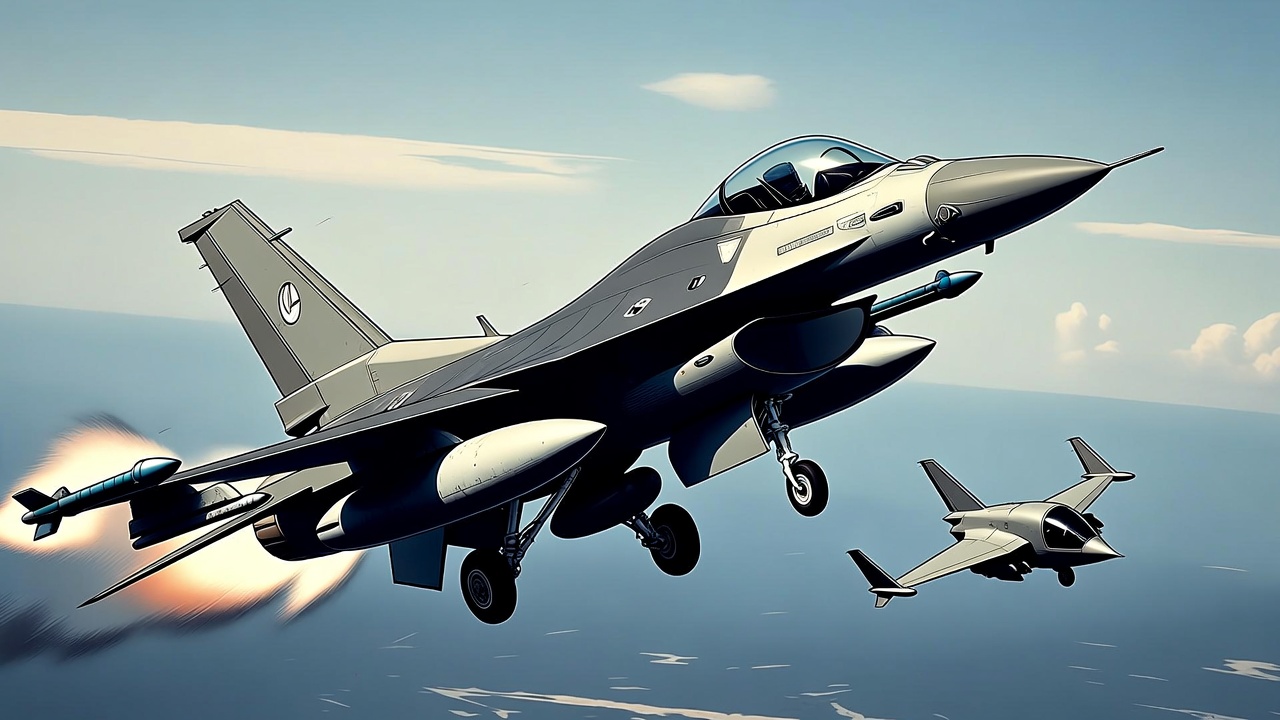
Repeta: ismét orosz drónt lőtt le a román légierő
Kevesebb mint huszonnégy órával az első után szombat reggel egy második drónt is lelőtt a román légierő – ugyanaz a pilóta, ugyanaz az F-16, ugyanaz a segédpilóta, mint pénteken. Az eszközt 8 óra 30 körül semmisítették meg a Duna-delta fölött, Sfântu Gheorghétől mintegy tíz kilométerre nyugatra, néhány perccel azután, hogy belépett a légtérbe. A tények mögött viszont most már a nagyobb kérdés…

Szele Tamás: A szibériai banán esete
Egyszóval: Oroszország nem változik, ha az életéről van szó, akkor sem. Hiába tudnak a veszélyről, míg nincs a nyakukon, nem érdekli őket, esetleg még várják is valami félreértés miatt – ha pedig megérkezik, ráfogják valaki idegenre vagy ellenségre. És végül úgyis ők halnak bele.

Kínai kémet fogtak a NATO-központban
Kémkedés gyanújával letartóztattak egy gyakornokot a NATO belga parancsnokságán. A belga szövetségi ügyészség szombati közlése szerint a kínai származású kanadai állampolgárságú nőt csütörtökön vették őrizetbe; azzal gyanúsítják, hogy egy „harmadik ország" javára kémkedett, és egy bűnszervezet tagja volt. A gyanúsított a mons-i SHAPE-en, a NATO legfőbb hadműveleti parancsnokságán dolgozott. Az…
SZELE TAMÁS: Orbán Viktor utolsó beszéde
Orbán Viktor tusványosi beszédét elmondta, és nem adott mást, csak mi lényege. A hallottak műfaját nehéz volna meghatározni, valami olyasmit prezentált nekünk, ami messze több a szürrealizmusnál vagy a mágikus realizmusnál, inkább tudósításnak tűnt abból a párhuzamos világból, ahol ő már elég hosszú ideje éldegél a mi költségünkön. Mindenesetre csak a kötőszavainak és névelőinek volt valamelyes…