Italy bans burqa and niqab from schools, ties class size to language proficiency
The Italian governmenthas banned the wearing of the burqa and niqab, which fully cover the face, in schools by law, while also capping at thirty percent the proportion of students in any given class who lack adequate proficiency in Italian.
According to Prime Minister Giorgia Meloni, the new regulation serves both public safety and the integration of children with a foreign background. Schools will receive additional resources for teaching Italian, and in classes with many newly arrived students who do not yet speak Italian, their proportion may not exceed thirty percent.
According to data from the Italian Ministry of Education, there are currently around 34,000 classes in the country where the proportion of students with a foreign background exceeds thirty percent. However, the new rule does not affect most of these, since children who were born in Italy, attended kindergarten there, or already speak Italian adequately are not counted. The government's main aim is to achieve a more even distribution of newly arrived students who face serious language difficulties. If a child's integration is severely hindered, the school may notify social services. In such cases, parents may be required to complete a free Italian language course, and refusal to participate can result in a fine of up to one thousand euros. According to Education Minister Giuseppe Valditara, a lack of adequate language skills hinders learning, and integration cannot succeed without the involvement of parents. The thirty-percent guideline on the proportion of foreign students is not entirely new: a ministerial circular in force since 2010 already allowed for its application, though in a flexible form. The proportion could be increased if students spoke Italian well, and decreased if the class faced significant language problems.
The measures were criticized by the child rights organization Save the Children as well as by the opposition Democratic Party. According to party leader Elly Schlein, the government is once again waging a political campaign through children, and critics fear that in practice the regulation could divide schoolchildren into first- and second-class students. Migration and integration are expected to be key issues in Italy's 2027 parliamentary elections. Meloni is also under pressure from the right from Roberto Vannacci's party, Futuro Nazionale, which had previously demanded even stricter restrictions on the wearing of the burqa and niqab.
Uga
Did you like this article?
Support our work with a small donation
Secure payment via Stripe • Min. 2 EUR
Gesta recommendations:
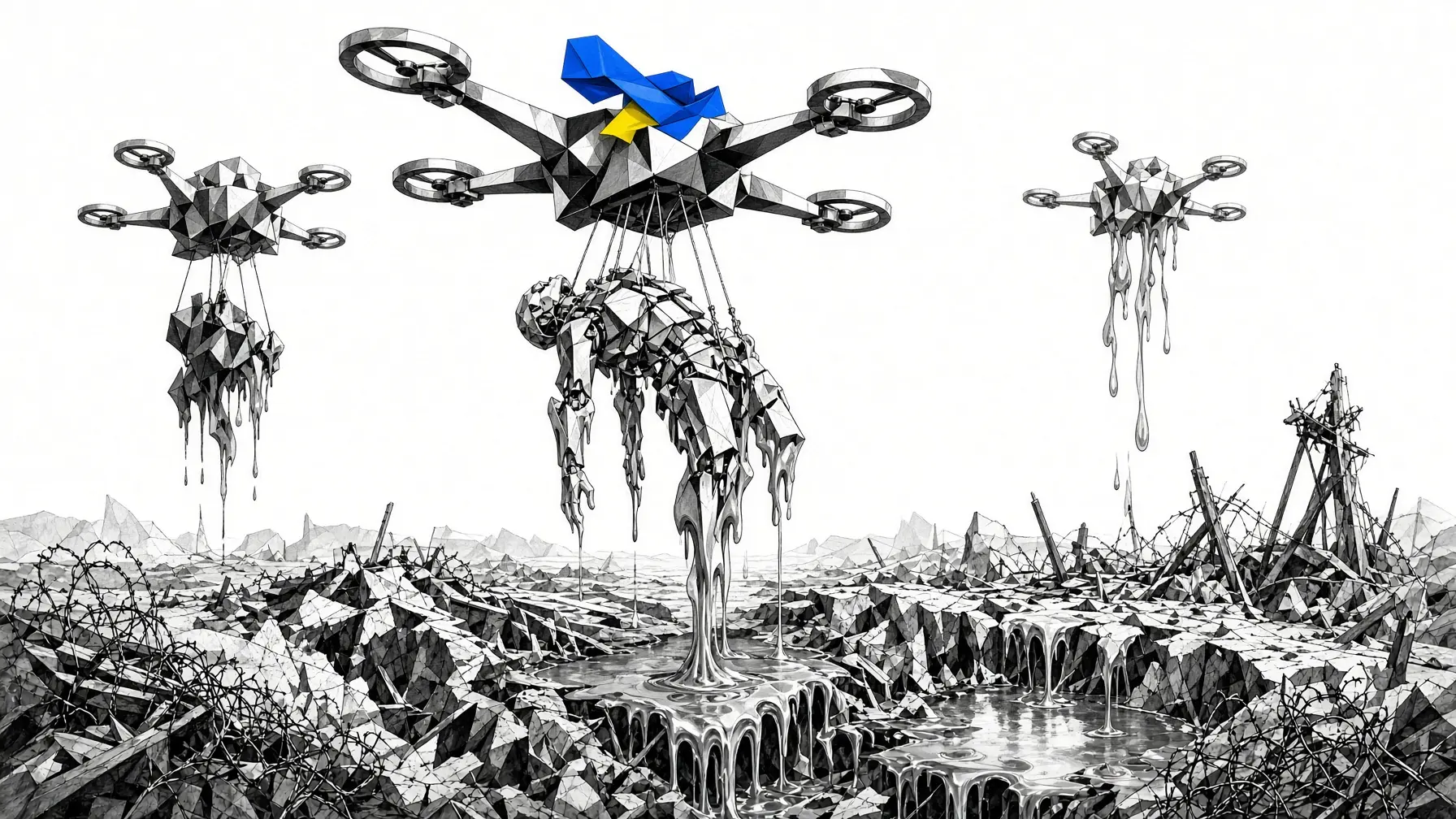
World first: flying drones deliver Ukrainian combat robots behind Russian lines
Ukraine's Third Army Corps announced that during Operation Vivaldi, 125 square kilometers of territory were brought back under Ukrainian control in the Lyman area, in the northern part of Donetsk region. One of the operation's most important innovations was that large flying drones carried explosive-laden ground combat robots more than ten kilometers behind Russian lines.

Artificial intelligence used to detect underground pipe leaks in Buzău
The regional water utility in Buzău County has reduced network water loss using AI-supported noise sensors. The system monitors the sounds and vibrations produced by water escaping from pressurized pipes, then uses the data to identify areas where a hidden pipe break or leak is likely located.
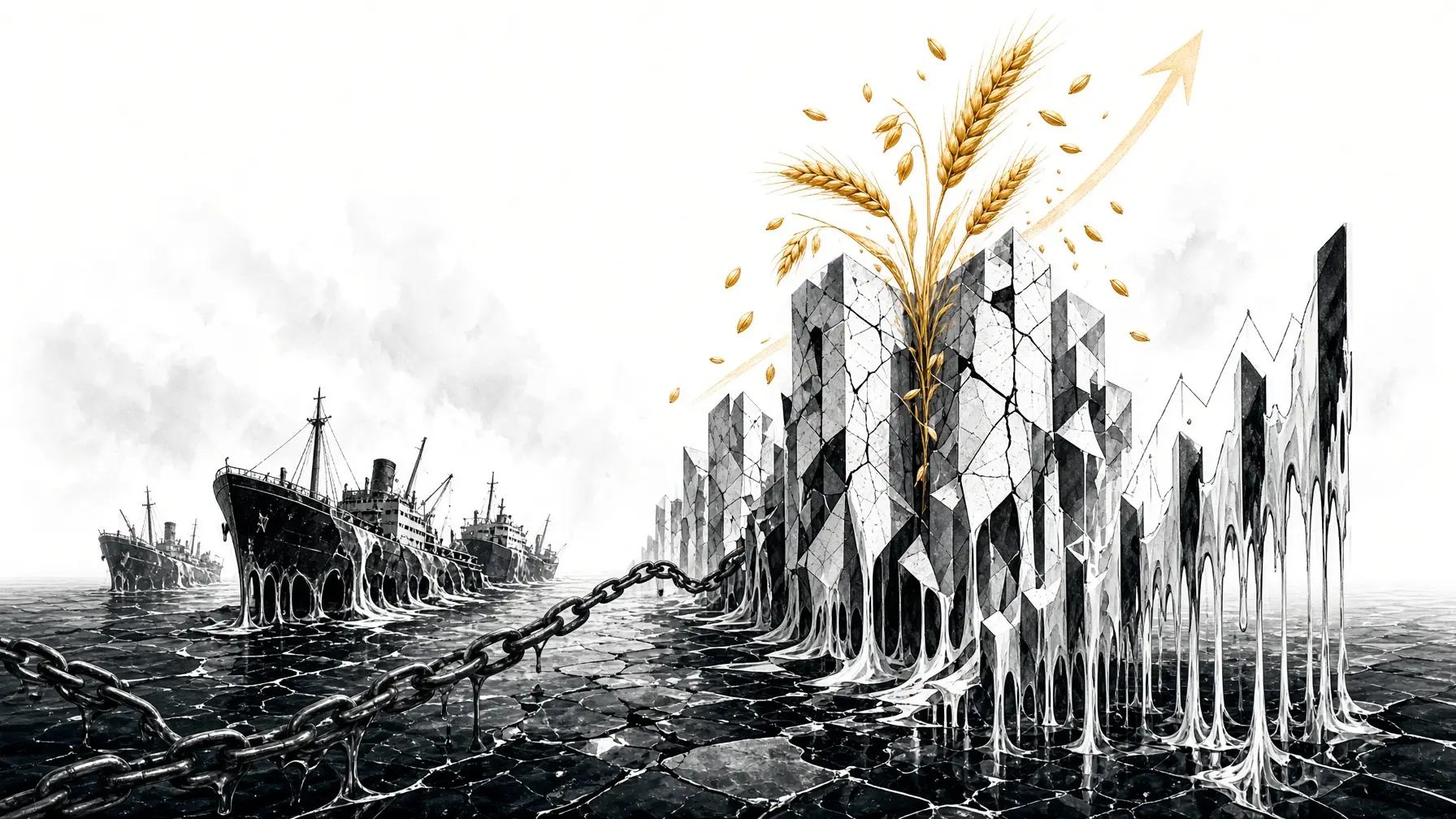
Black Sea grain trade grinds to a halt, wheat prices rising worldwide
The maritime dimension of the Russia–Ukraine war has effectively paralyzed one of the world's most important grain export routes. In recent months, the Russian army has intensified its attacks on Ukrainian ports, grain terminals and transport hubs, while Ukraine has responded by targeting Russian ports, cargo ships and logistics facilities. The result: more than 97 percent of Russian and…
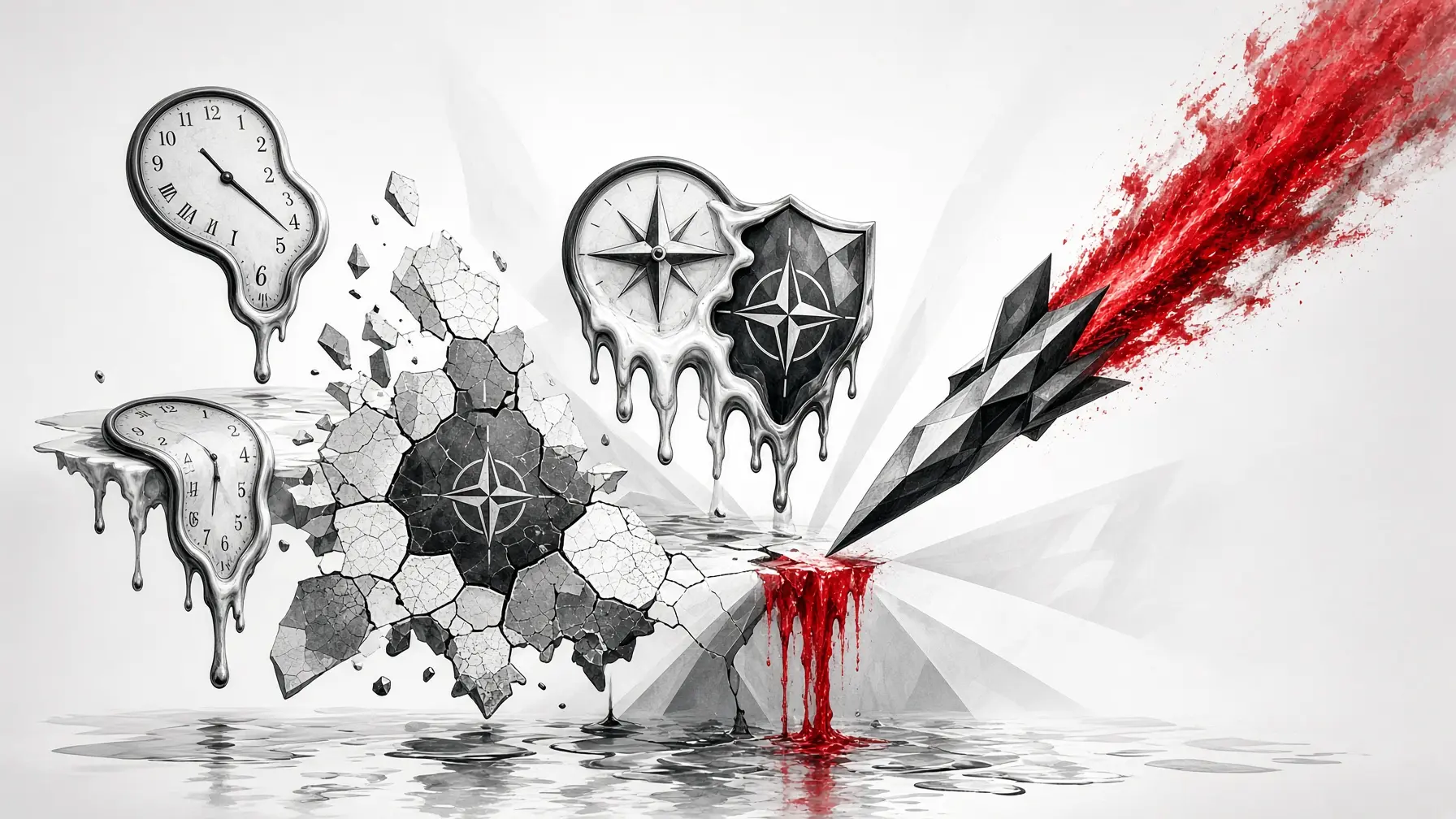
A Russian test attack on NATO could come within months
More and more European intelligence services and political leaders are warning that Russia could extend its military and sabotage operations beyond Ukraine in the coming months. For now, the most likely scenario is not a full-scale invasion of a NATO member state, but a limited attack designed to test the alliance's unity and whether member states are truly willing to invoke Article 5 on…
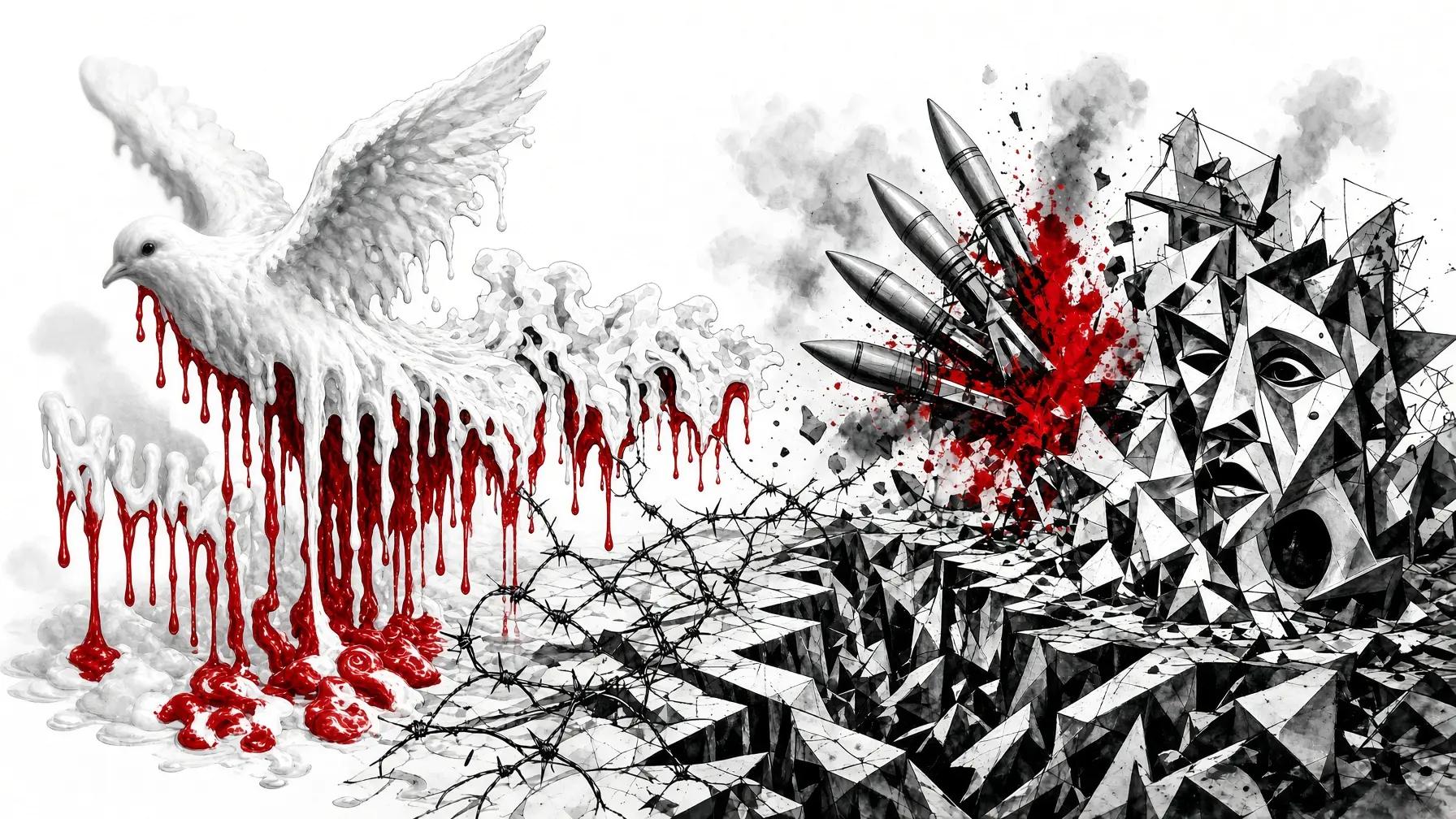
No matter what other name we give it, we are, in fact, at war!
Information war, cyberwar, hybrid war, shadow war, sub-threshold operation: Europe is finding ever more linguistic ingenuity to describe what Russia is simply waging against it as war. Sylvie Kauffmann, foreign affairs columnist at Le Monde, argues that this verbal magic must end, because as long as the attacks are called "incidents", "provocations" and "hybrid threats", we never even get to the…