
Italy bans burqa and niqab from schools, ties class size to language proficiency
The Italian governmenthas banned the wearing of the burqa and niqab, which fully cover the face, in schools by law, while also capping at thirty percent the proportion of students in any given class who lack adequate proficiency in Italian.
According to Prime Minister Giorgia Meloni, the new regulation serves both public safety and the integration of children with a foreign background. Schools will receive additional resources for teaching Italian, and in classes with many newly arrived students who do not yet speak Italian, their proportion may not exceed thirty percent.
According to data from the Italian Ministry of Education, there are currently around 34,000 classes in the country where the proportion of students with a foreign background exceeds thirty percent. However, the new rule does not affect most of these, since children who were born in Italy, attended kindergarten there, or already speak Italian adequately are not counted. The government's main aim is to achieve a more even distribution of newly arrived students who face serious language difficulties. If a child's integration is severely hindered, the school may notify social services. In such cases, parents may be required to complete a free Italian language course, and refusal to participate can result in a fine of up to one thousand euros. According to Education Minister Giuseppe Valditara, a lack of adequate language skills hinders learning, and integration cannot succeed without the involvement of parents. The thirty-percent guideline on the proportion of foreign students is not entirely new: a ministerial circular in force since 2010 already allowed for its application, though in a flexible form. The proportion could be increased if students spoke Italian well, and decreased if the class faced significant language problems.
The measures were criticized by the child rights organization Save the Children as well as by the opposition Democratic Party. According to party leader Elly Schlein, the government is once again waging a political campaign through children, and critics fear that in practice the regulation could divide schoolchildren into first- and second-class students. Migration and integration are expected to be key issues in Italy's 2027 parliamentary elections. Meloni is also under pressure from the right from Roberto Vannacci's party, Futuro Nazionale, which had previously demanded even stricter restrictions on the wearing of the burqa and niqab.
Uga
Did you like this article?
Support our work with a small donation
Secure payment via Stripe • Min. 2 EUR
Gesta recommendations:
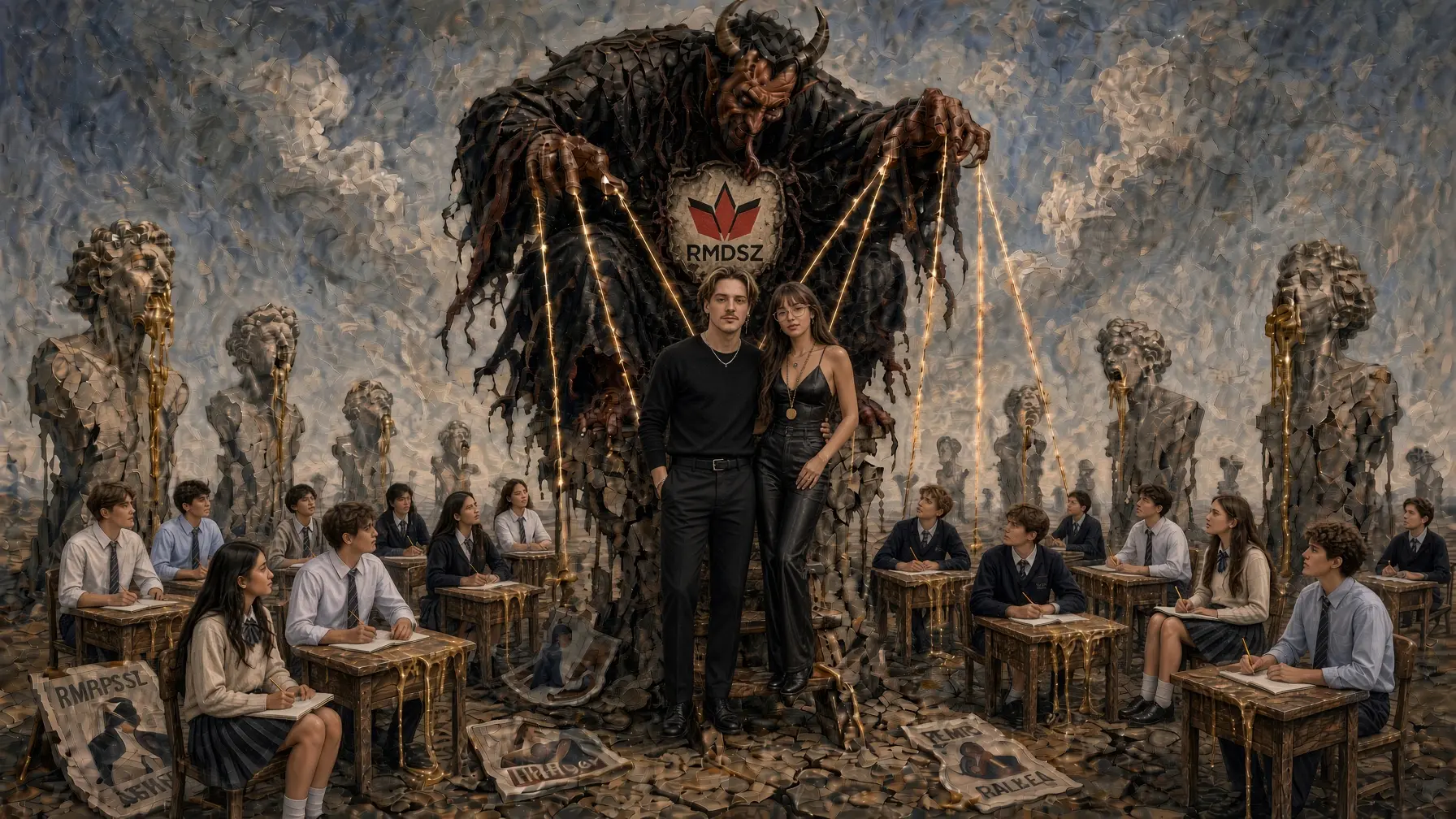
Another proof that RMDSZ is just a communications agency
This time they managed to pounce on the duo Richárd Pataki and Raluca Mureșan - and once again sneak into classrooms behind their backs.
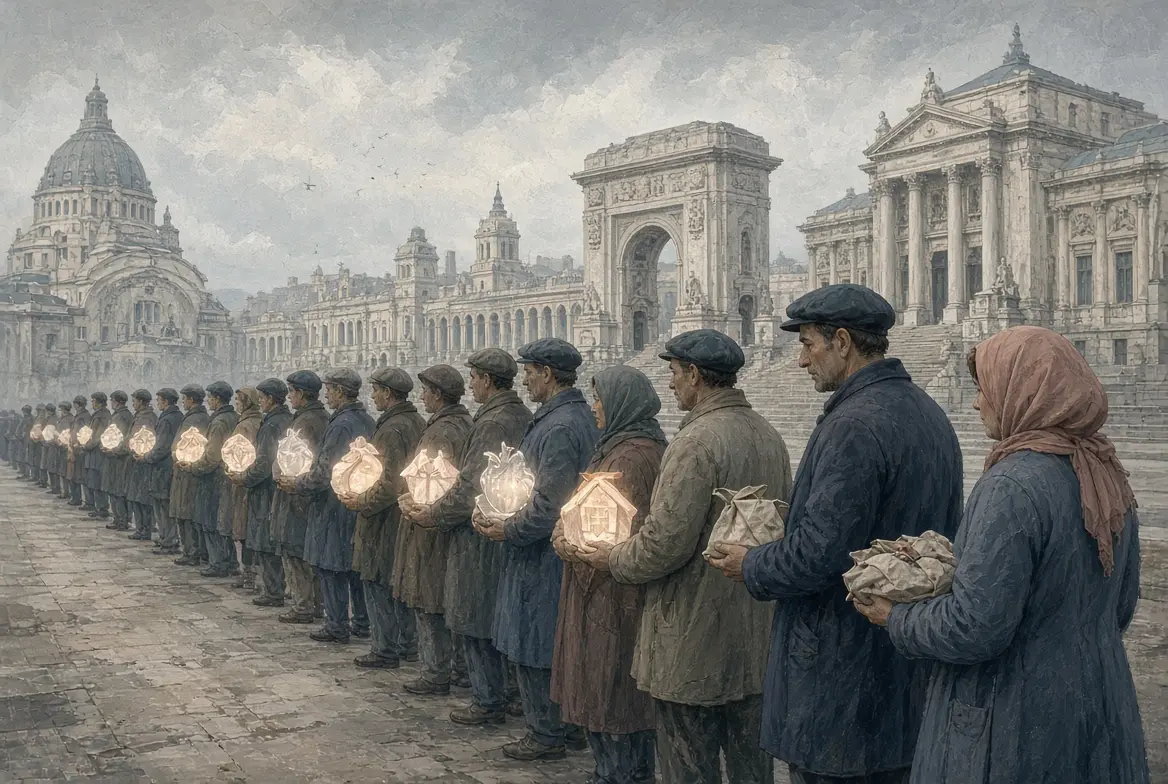
Romania also among the laggards in social benefits
In 2025, Romania spent 17.06 percent of its GDP on social benefits, a smaller share than that recorded only in Ireland, Malta and Hungary, and in euro terms Romanian spending grew by just 0.7 percent, managing to outpace only Greece.
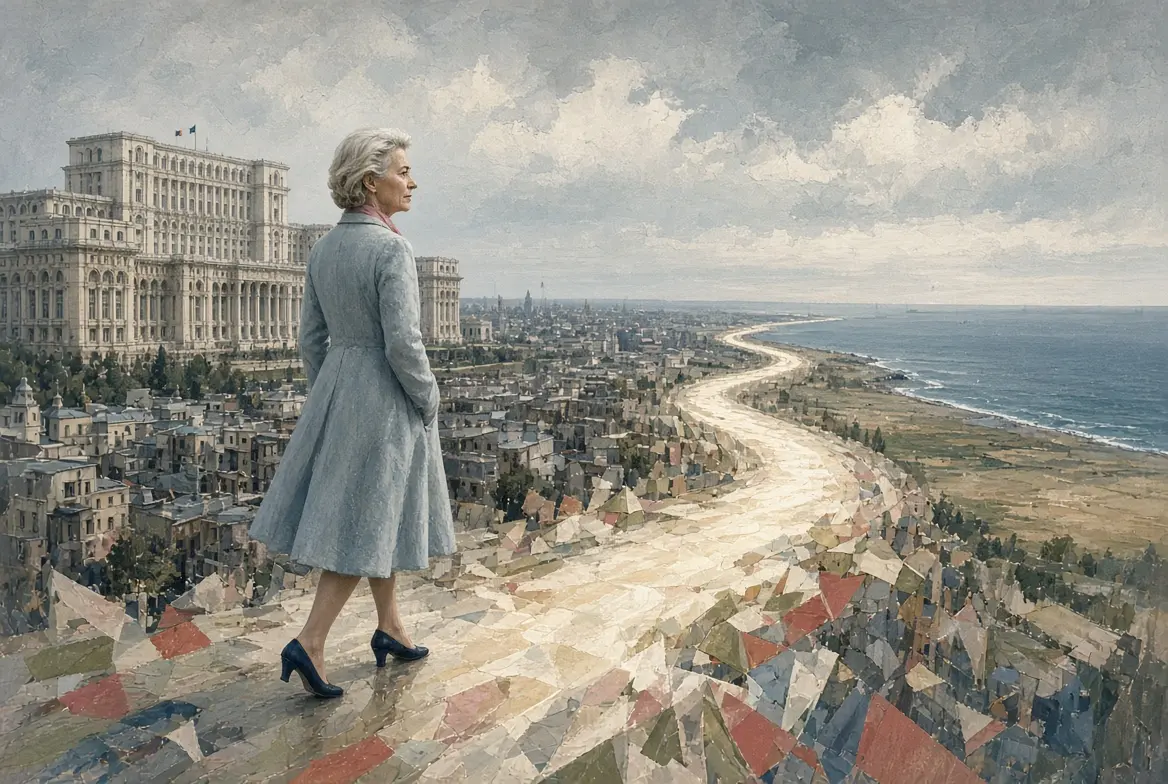
Von der Leyen sets off on a Black Sea tour, starting in Bucharest
Ursula von der Leyen, President of the European Commission, will visit Bucharest on Monday, November 9, where she will hold talks with President Nicușor Dan and Prime Minister Luca Niculescu. According to the announcement of the presidential office, Nicușor Dan will receive her at the Cotroceni Palace at half past three in the afternoon, while the visit was announced by the Commission's…
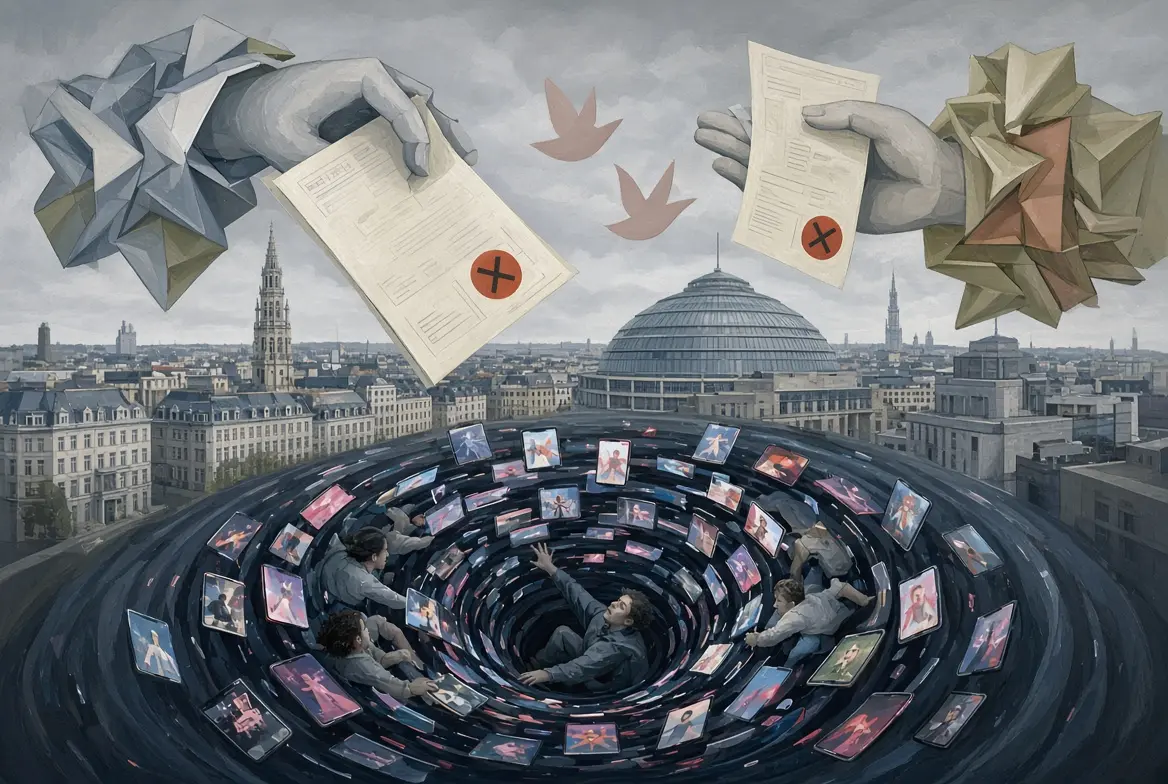
TikTok pulls users into rabbit holes, Brussels could impose fines
In a preliminary finding issued on Friday, November 6, the European Commission stated that TikTok is breaching the EU's Digital Services Act (DSA) because its recommender algorithms pull users into so-called rabbit holes, showing them an ever-growing stream of similar content, including material that can harm their mental health.
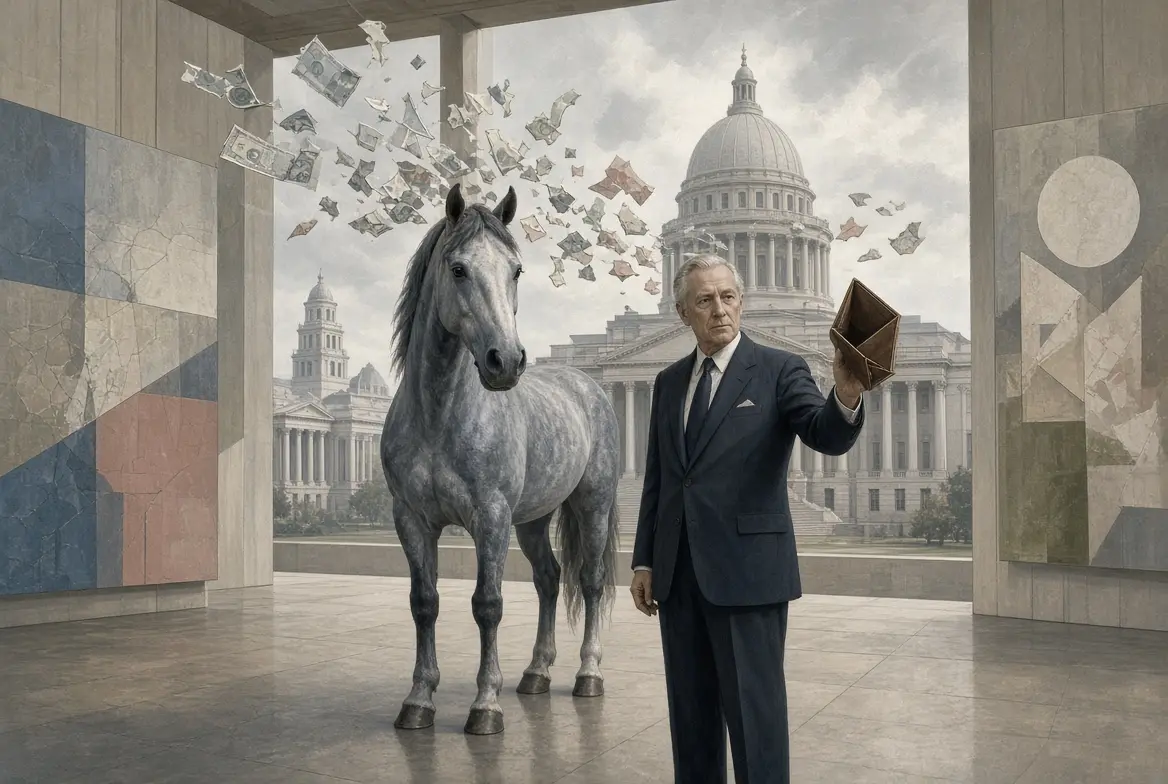
There's no money for favors, says the president's advisor
In the future, Romania will have to finance economic growth not from EU funds but from domestic capital and a developed capital market, because EU transfers will no longer reach the scale that has been customary over the past twenty years. This is what Radu Burnete, economic and social advisor to President Nicușor Dan, said on Friday, November 6, at the summit of the Concordia employers'…