NATO 3.0: Europe should pay, and Washington will decide what we can expect
The American withdrawal does not, for now, look like the last soldier boarding a plane and the lights going out at the base; instead, Europe knows less and less what to expect from Washington, while hearing ever more precisely how much it will have to pay. Elbridge Colby, the Pentagon's undersecretary for defense policy, has once again signaledthat Europeans must take the lead role in the continent's conventional defense and in military support for Ukraine, and that his office will prepare the recommendation on the future size and deployment of American troops.
Colby argued that Europe already has the industrial base and the political will to take on greater responsibility for its own security, which is why the transformation he calls "NATO 3.0" is no longer a mere concept. He praised Romania as an indispensable ally, spoke approvingly of the defense spending target of five percent of GDP planned for 2031, and, alongside Germany, Poland and Finland, listed Bucharest among the examples to follow. He still said nothing concrete, however, about how many American troops would remain in Romania, with what tasks or for what timeframe. He also spoke warmly about his talks in Bucharest in early November and promised respect, clarity and realism for further consultations — yet clarity is precisely what the countries of the eastern flank lack most. Back in February, Colby was already talking about reducing the American presence in Europe, and in August he shifted the main responsibility for supporting Ukraine onto Europe as well; meanwhile, the Pentagon's review, underway since summer, remains only partially visible to the allies, and Romania already found out in the autumn of 2025 what it means when Washington fails to send a replacement for an American unit serving in the region.
According to a report by Il Foglio on November 17, the planned withdrawal may ultimately be smaller than previously discussed, affecting around five thousand troops instead of twenty-five thousand — but this is for now only a press report, and in any case the raw number alone says little about the military capabilities that would remain. The loss of a reconnaissance, air-defense or logistics capability can have serious consequences even if the number of people involved does not look particularly dramatic in a spreadsheet, and deterrence also depends on the adversary knowing that the ally is genuinely willing to act.
Bucharest has already signaled that it would take on part of the cost of stationing American troops, as long as a significant American presence remains in the country. A host nation's financial contribution is not unusual in itself, but in the current political climate it takes on a humiliating tone, since Romania is trying to reinforce its security guarantee with money while the political backing for that guarantee would come from the very same Donald Trump whose commitments the allies have long been reluctant to take at face value. The back-and-forth over Ukrainian air defense is a particularly poor recommendation for this arrangement. On November 6, Finnish Defense Minister Antti Häkkänen said that European allies have already paid for Patriot interceptor missiles, but the American political approval needed for their delivery is being delayed, and on November 20 Zelensky once again turned to the Pentagon regarding the expected PAC-2 and PAC-3 missiles. Meanwhile, Colby would also like to determine which Ukrainian operations deserve support: he considers useful the medium-range strikes that hold the front line and disrupt Russian supply lines, but he criticized long-range strikes against Russian territory, drawing a rather sharp response from German Defense Minister Boris Pistorius. The American undersecretary does not necessarily look favorably on strengthening Europe's defense industry either, if it would narrow the market opportunities of American manufacturers — in other words, Europe should become more self-sufficient and take on the burdens, but should still show its shopping list to Washington.
"NATO 3.0" could thus easily become an alliance in which Europe gets the bill while the terms of American participation remain in constant flux. An open withdrawal would at least create a forced clarity; this fog, however, both feeds dependency and hampers preparedness, while tempting Moscow to test how much is left of the allies' promises. In this story, Trump increasingly resembles not the leader of the free world, but an international pirate who first collects the protection money and then, as danger approaches, wants to renegotiate exactly what the deal was about.
Ugar
V-a plăcut articolul?
Susțineți munca noastră cu o donație mică
Plată securizată prin Stripe • Min. 2 EUR
Recomandări Gesta:

Iată cele șase criterii pe baza cărora vor fi comasate și localitățile cu populație maghiară
De la numărul locuitorilor, prin distanța până la cea mai apropiată farmacie, până la veniturile fiscale, pe baza a șase criterii PSD ar evalua ce comune din România ar fi oportun să fie comasate și ce noi unități administrative ar putea funcționa în locul celor actuale. Dragoș Benea, care conduce grupul de lucru al partidului pentru reformă, a prezentat luni, 23 noiembrie, ideea în Comisia…
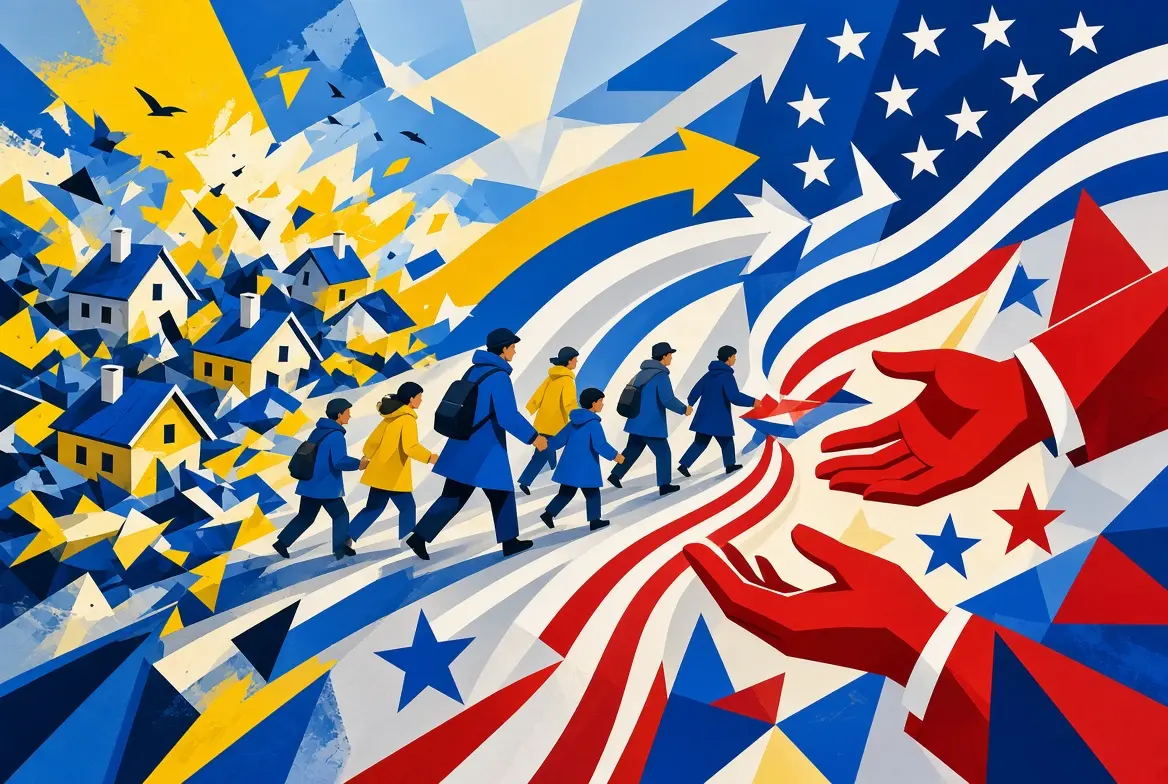
Ucraina ar evacua 15 localități, pentru care cere ajutor american
După operațiunea umanitară desfășurată la Oleșki la finalul lunii octombrie, Ucraina a cerut medierea Statelor Unite pentru evacuarea locuitorilor din alte cincisprezece localități aflate sub ocupație rusă. Potrivit lui Volodimir Zelenski, lista localităților din regiunile Herson și Zaporojie este în curs de precizare, pe măsură ce se evaluează numărul și starea persoanelor rămase acolo, însă…
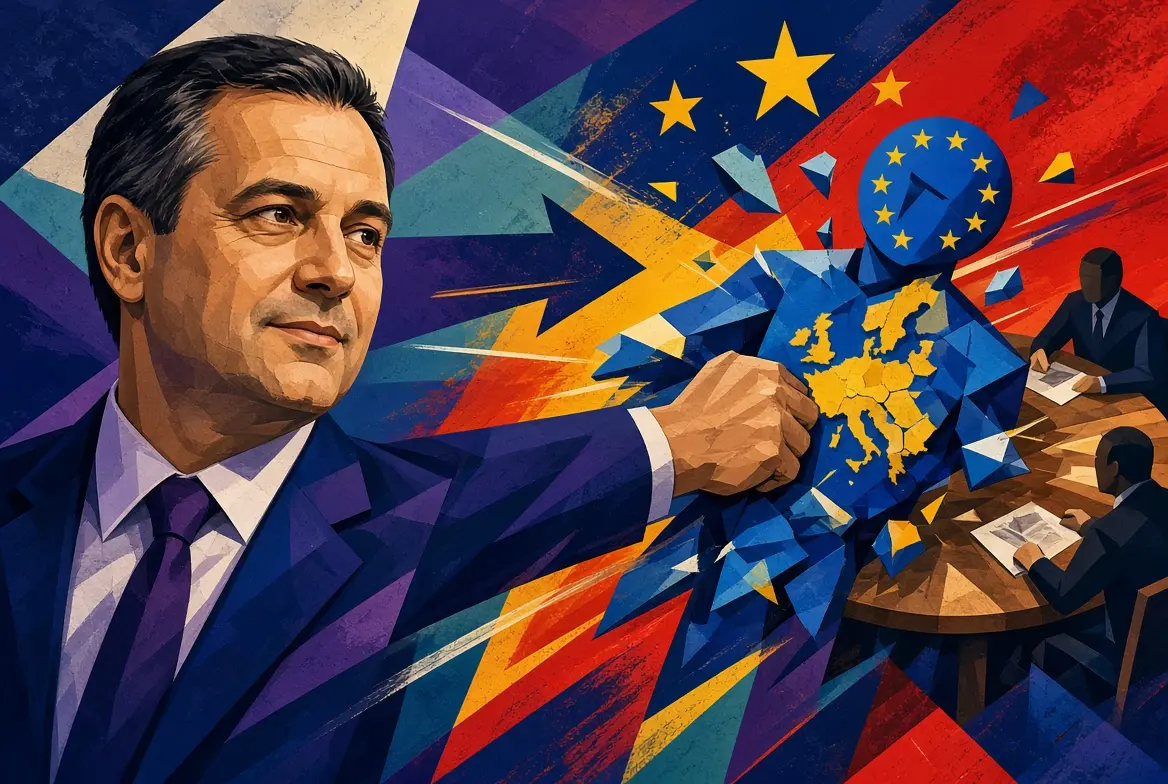
Fifor și-a dat seama că Europa riscă să fie exclusă din negocierile privind propriul destin
Europa a crezut prea mult timp că capacitatea de a elabora reguli înseamnă în sine putere, iar acum constată că, în privința celor mai importante aspecte ale propriei securități, depinde în continuare de Washington – avertizează Mihai Fifor, fost ministru al apărării din România. Potrivit politicianului PSD, naționalismul populist și căile separate ale statelor membre slăbesc și mai mult acțiunea…

Tot mai mulți oameni cred în vechile minciuni antisemite
În patru ani, de la 22 la sută, a crescut la 40 la sută ponderea celor dintr-un sondaj realizat în România care consideră că evreii lucrează la subminarea societății în care trăiesc, în timp ce mai mult de o treime dintre respondenți i-ar exclude și din anumite profesii. Potrivit Institutului Elie Wiesel, răspândirea teoriilor conspiraționiste antisemite este favorizată, pe lângă rețelele de…
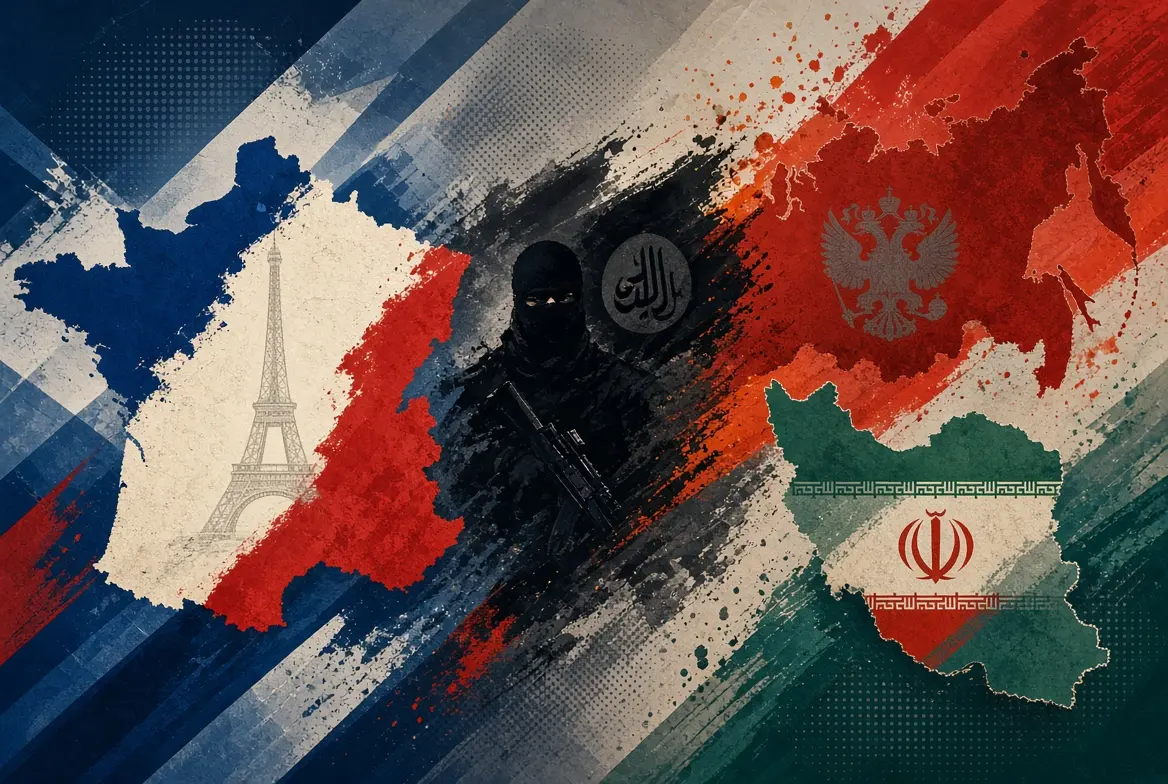
În Franța, jihadismul rămâne principala amenințare teroristă, dar Moscova și Teheranul recuperează rapid din urmă
Trei atentate comise, șapte planuri de atac dejucate și 68 de anchete noi deschise din ianuarie arată că amenințarea teroristă din Franța nu se atenuează, cea mai mare parte a acesteia fiind reprezentată de islamismul sunnit radical. În același timp, parchetul antiterorist trebuie să se ocupe de un spectru tot mai variat de medii violente, iar în prezent sunt în curs douăsprezece proceduri legate…