Fifor realizes that Europe risks being left out of the deals shaping its own fate
Europe believed for too long that the ability to set the rules was in itself a form of power, and now it finds itself dependent on Washington for the most important questions concerning its own security – warns Mihai Fifor, former Romanian defense minister. According to the PSD politician, populist nationalism and member states going their own separate ways further weaken joint action, and Romania's importance in the Black Sea region does not in itself guarantee that Bucharest will have a say in the decisions of the great powers.
In a post published on November 22, ahead of the Berlin session of the NATO Parliamentary Assembly, Fifor examined the contradiction whereby Europe possesses vast economic, industrial and technological resources, yet in the major geopolitical struggles often appears slow, uncertain and like an outsider. In his assessment, the EU long confused the regulation of how the world works with the capacity to shape it according to its own interests when necessary, and Russia's war against Ukraine has ruthlessly exposed the limits of this thinking. The former minister acknowledges that the EU has made significant economic, financial and diplomatic efforts to support Ukraine, has imposed sanctions on Russia, and has rethought part of its defense investments. None of this, however, has changed the fact that the United States' role remains decisive in decisions shaping the continent's security, because European states spent decades putting off the development of the capabilities and forms of cooperation that would give them greater independence.
The money itself is not insignificant, since European countries together spend several hundred billion euros a year on defense, but this spending does not always translate into proportional military strength. According to Fifor, differing weapons systems, competing industrial programs and a lack of coordination mean that Europe still depends on American assistance in fundamental areas such as intelligence, surveillance, strategic transport and military command. As a result, individual countries often spend money separately to solve the same problem, while the shared shortcomings persist. He sees a similar problem in EU decision-making, where differing national interests and the unanimity requirement on many foreign policy matters can turn action into constant bargaining. The price of this is felt especially by the countries of the eastern flank, since for Poland, the Baltic states and Romania, the Russian threat is a direct geographic and military reality. The strikes that hit Poland, the attacks carried out near the Danube delta, and the deteriorating security situation in the Black Sea, he says, show how easily the consequences of the war in Ukraine can reach the territory of the allies.
Fifor expects the North Atlantic Council meeting convened for November 23 to prioritize the alliance's response capability, but he believes the incident in Poland also exposes an older problem: Europe should take on greater responsibility for its own defense than its current capabilities allow. In his view, strengthening Europe's power would also strengthen NATO and make the transatlantic relationship more balanced, especially at a time when Washington is paying increasing attention to its rivalry with China. Russia, meanwhile, is trying to use its aggression against Ukraine to force a renegotiation of Europe's security order, while on the continent it is precisely those forces that weaken joint action that are gaining strength. Fifor names populist nationalism, the temptation of isolation and the rivalry of national interests, and warns Romania that its strategic location does not automatically translate into political weight. History has already shown more than once what the consequences are when a country lies at the crossroads of great-power interests but is unable to influence the decisions made about it.
It would be worth reading all this carefully within Fifor's own party as well, since the PSD's parliamentary practice does not always reflect such a clear sense of danger. Fifor does a good job of describing why Europe is weakening; the next step, however, would be to apply this insight in Bucharest too — including at times when cooperation with AUR happens to seem convenient.
Ugar
Did you like this article?
Support our work with a small donation
Secure payment via Stripe • Min. 2 EUR
Gesta recommendations:

Ukraine would evacuate 15 settlements, seeking American help for it
Following the humanitarian operation carried out in Olesky at the end of October, Ukraine has requested American mediation to evacuate residents from fifteen more settlements under Russian occupation. According to Volodymyr Zelensky, the list of settlements in the Kherson and Zaporizhzhia regions is being finalized together with an assessment of the number and condition of the people who remain…
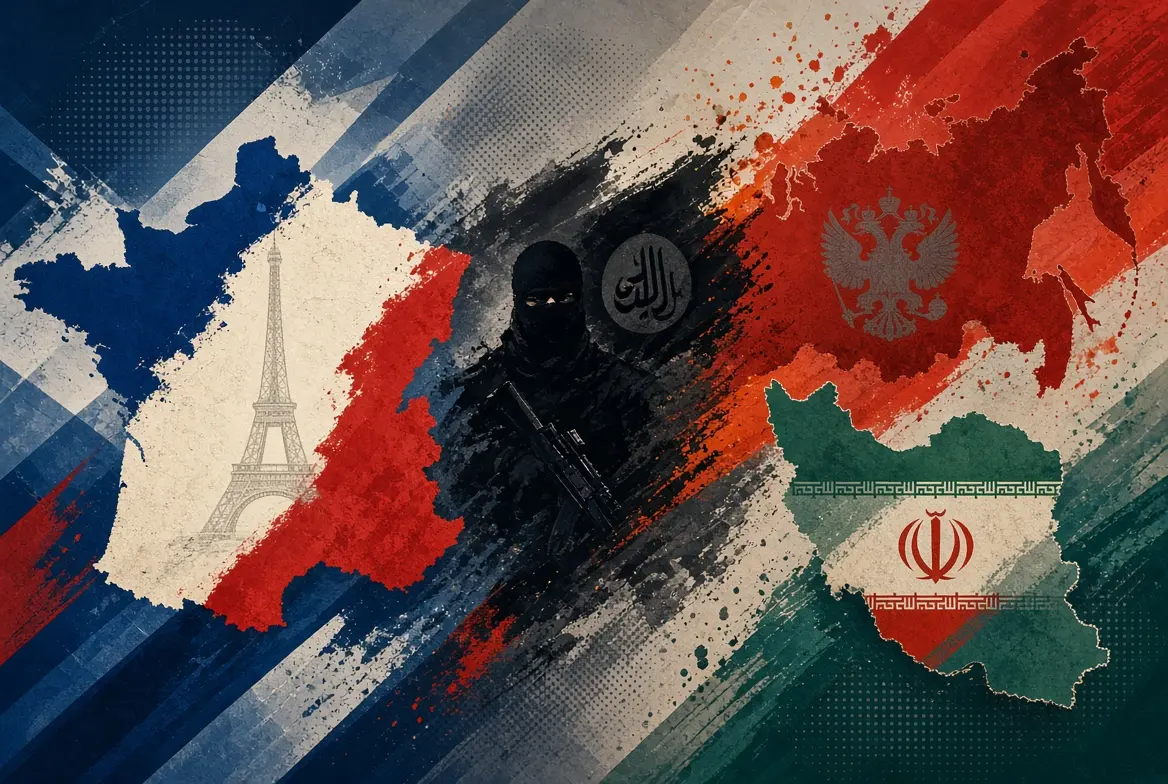
Jihadism remains France's main terror threat, but Moscow and Tehran are quickly catching up
Three attacks carried out, seven thwarted plots and 68 new investigations since January show that the terror threat in France is not easing, with the largest share still coming from radical Sunni Islamism. Meanwhile, the national counter-terrorism prosecutor's office has to deal with an increasingly diverse range of violent milieus, and twelve ongoing proceedings are currently linked to…
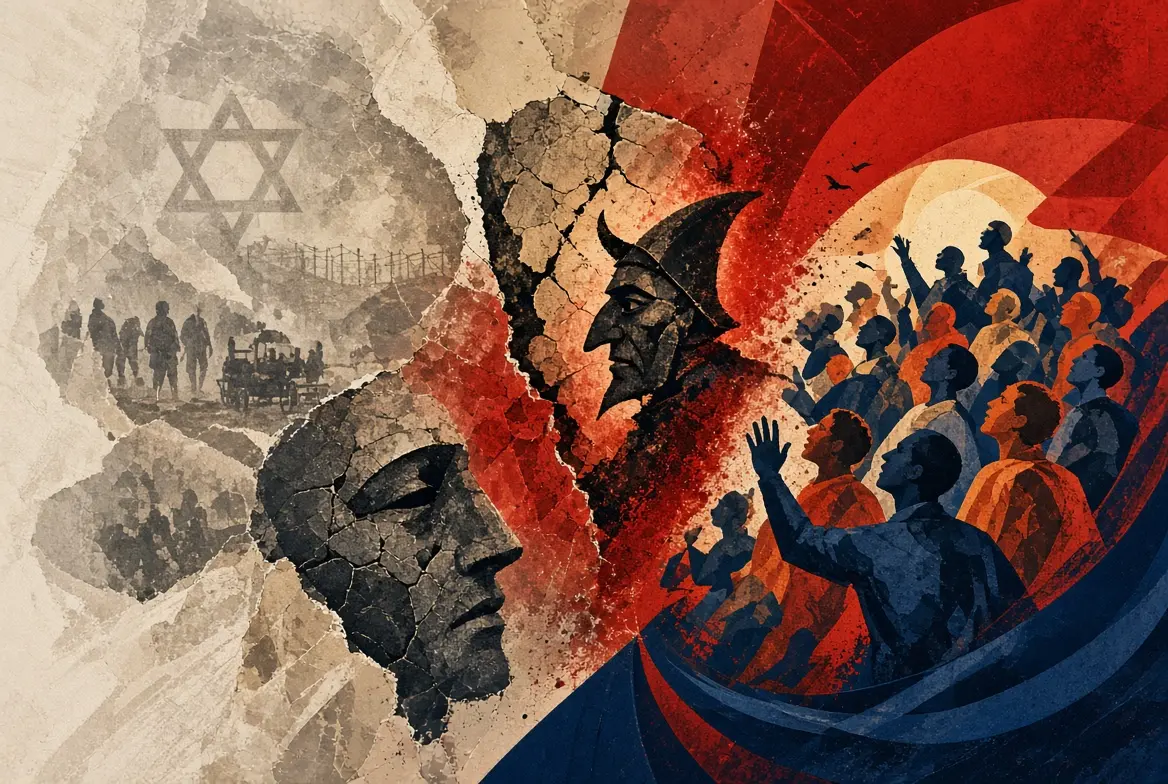
More and more people believe old antisemitic lies
Over four years, the proportion grew from 22 to 40 percent in a Romanian survey of those who believe Jews are working to undermine the society in which they live, while more than a third of respondents would also exclude them from certain professions. According to the Elie Wiesel Institute, the spread of antisemitic conspiracy theories is being fueled, besides social media, by political actors…
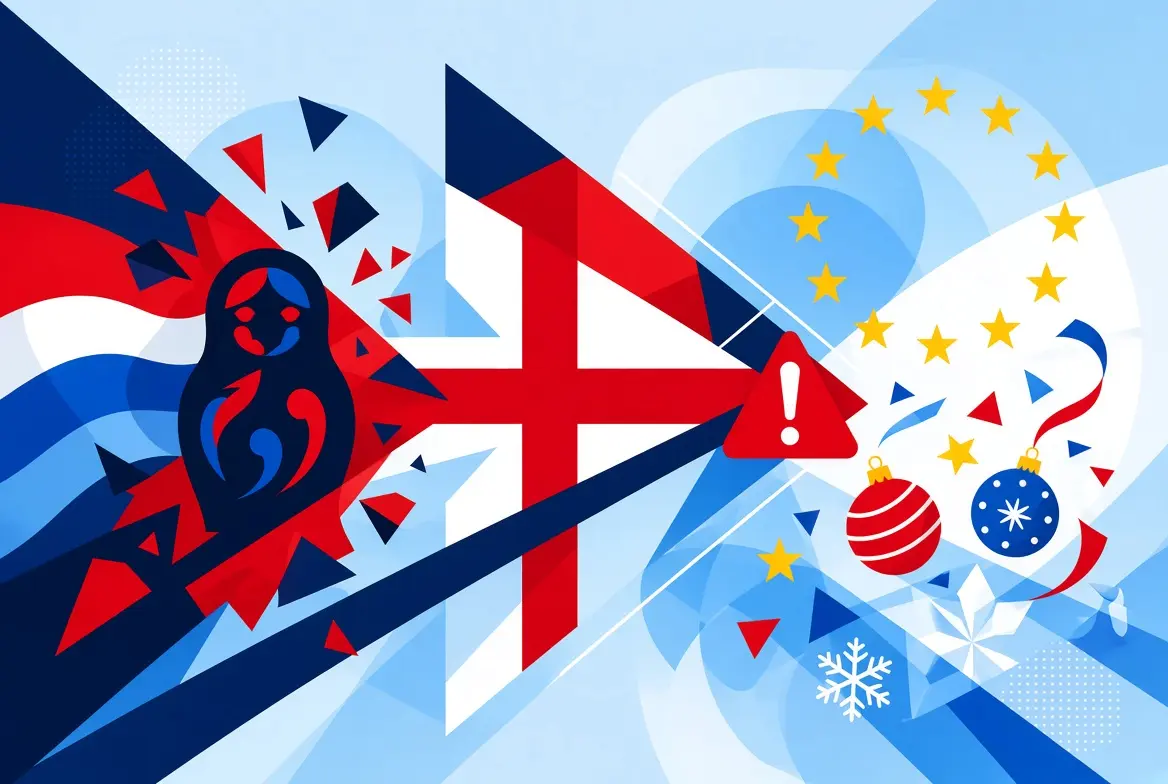
Message from Denmark: no European holiday alongside Russian assassination plots!
At the EU level, Denmark would halt the issuance of tourist visas to Russian citizens, after Danish intelligence said a murder plot commissioned by Russia had been prepared on the country's territory. After expelling the Russian military attaché, Copenhagen now wants other member states to tighten their rules as well, and to stop accepting old-style, non-biometric Russian passports.

First time, but they'll get used to it: air-raid sirens sounded in Kaliningrad
Since the start of the full-scale invasion of Ukraine, according to press reports, a live air-raid alert has been declared for the first time in the Kaliningrad Region, where sirens sounded in several towns on Saturday evening. The Russian governor attributed the alert to a “suspicious object” arriving from the direction of Lithuania, but Vilnius firmly denied having anything to do with any…