Jihadism remains France's main terror threat, but Moscow and Tehran are quickly catching up
Three attacks carried out, seven thwarted plots and 68 new investigations since January show that the terror threat in France is not easing, with the largest share still coming from radical Sunni Islamism. Meanwhile, the national counter-terrorism prosecutor's office has to deal with an increasingly diverse range of violent milieus, and twelve ongoing proceedings are currently linked to operations tied to the Iranian and Russian states.
Olivier Christen, head of France's national counter-terrorism prosecutor's office (PNAT), said in an interview with Ouest-France that the country has been living under persistently high threat levels for roughly four years. In the mid-2010s, the authorities' attention was almost entirely absorbed by jihadist terrorism, and although new sources of danger have since emerged, about 88 percent of the proceedings opened today are still linked to this milieu. This year's three attacks, however, already show how varied the sources of violence can be. The February attack at Place de l'Étoile in Paris is classified as a jihadist act, the October attack at a school in Aubagne is linked to the True Crime Community, a milieu that glorifies mass killings, while the racially motivated attack carried out with a submachine gun near Paris, in the Trappes and La Verrière area, is attributed to the violent far right.
Looking at data over a longer period, however, the predominance of jihadism remains clear: according to Christen, of the 53 terror attacks committed in France since 2012, fifty were linked to jihadism, while two — still under investigation — are attributed to the violent far right, and one to the True Crime Community. At the same time, besides violent far-right groups, the authorities also have to keep an eye on online communities that obsessively follow mass killings and on radical, misogynistic male-supremacist circles. In Christen's assessment, the far-right terror threat barely registered in prosecutorial work with anything like its current weight ten years ago, but today it demands separate attention. He sees a key difference between violent far-right and far-left groups in that the former's plans typically target people, while the latter's actions are aimed more at property and infrastructure. On top of this comes the rise of state terrorism, which the chief prosecutor also addressed separately, naming Iran and Russia specifically. The twelve ongoing proceedings indicate that French authorities also have to reckon with operations potentially backed by foreign state interests and intelligence services, whose perpetrators are not necessarily driven by an extremist ideology but by instructions from a sponsor or the promise of money.
The broader context of Russian interference also includes the blue Stars of David painted on walls in Paris in the autumn of 2023 and the red handprints that defaced the Wall of the Righteous at the Holocaust memorial in May 2024; Bulgarian perpetrators were convicted in the latter case. Authorities and investigative reports have linked these to Russian influence operations seeking to exploit fears and divisions within French society. This year's cyberattacks on supermarkets and blood donation centers were also claimed by pro-Russian groups, revealing yet another dimension of how far Russia's campaign against Europe can reach. Influence operations, cyberattacks and terrorism cases are not legally the same category, but they can share a common political aim: to spread fear, erode trust and make the state appear powerless. France thus has to simultaneously prevent jihadist attacks, monitor new extremist milieus, and defend itself against foreign states that exploit social tensions for their own operations.
Related
Did you like this article?
Support our work with a small donation
Secure payment via Stripe • Min. 2 EUR
Gesta recommendations:

Ukraine would evacuate 15 settlements, seeking American help for it
Following the humanitarian operation carried out in Olesky at the end of October, Ukraine has requested American mediation to evacuate residents from fifteen more settlements under Russian occupation. According to Volodymyr Zelensky, the list of settlements in the Kherson and Zaporizhzhia regions is being finalized together with an assessment of the number and condition of the people who remain…
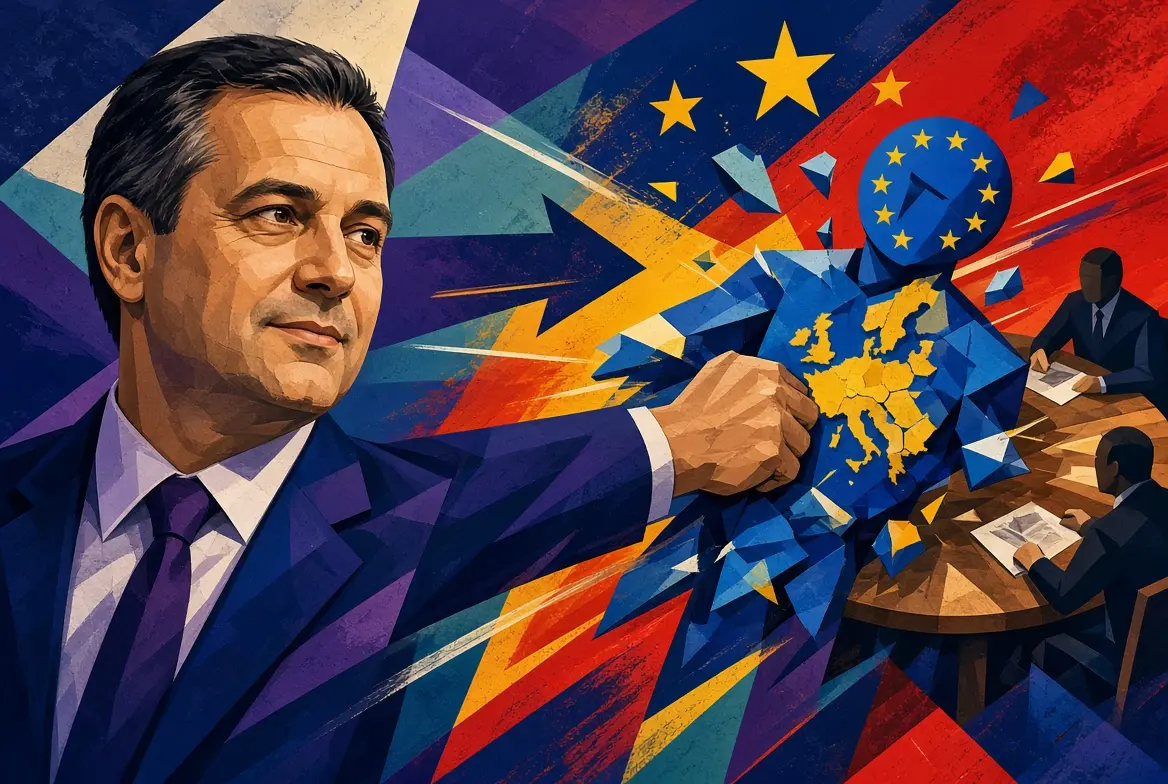
Fifor realizes that Europe risks being left out of the deals shaping its own fate
Europe believed for too long that the ability to set the rules was in itself a form of power, and now it finds itself dependent on Washington for the most important questions concerning its own security – warns Mihai Fifor, former Romanian defense minister. According to the PSD politician, populist nationalism and member states going their own separate ways further weaken joint action, and…
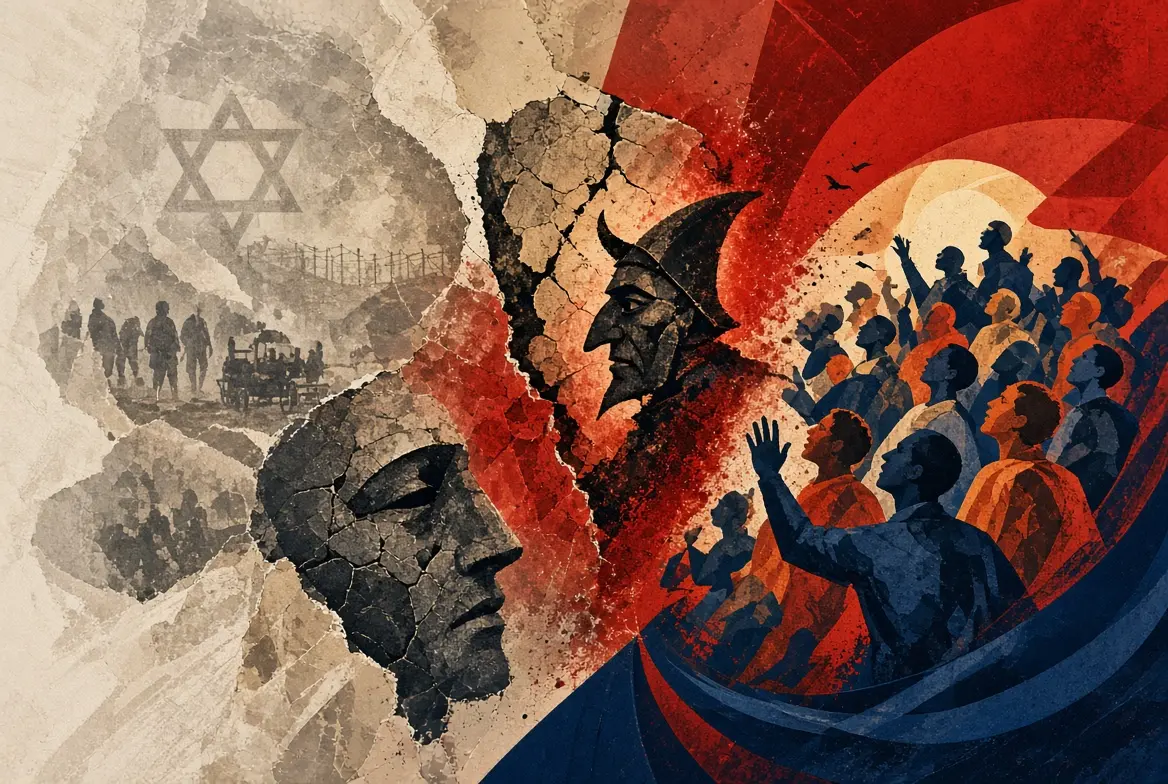
More and more people believe old antisemitic lies
Over four years, the proportion grew from 22 to 40 percent in a Romanian survey of those who believe Jews are working to undermine the society in which they live, while more than a third of respondents would also exclude them from certain professions. According to the Elie Wiesel Institute, the spread of antisemitic conspiracy theories is being fueled, besides social media, by political actors…
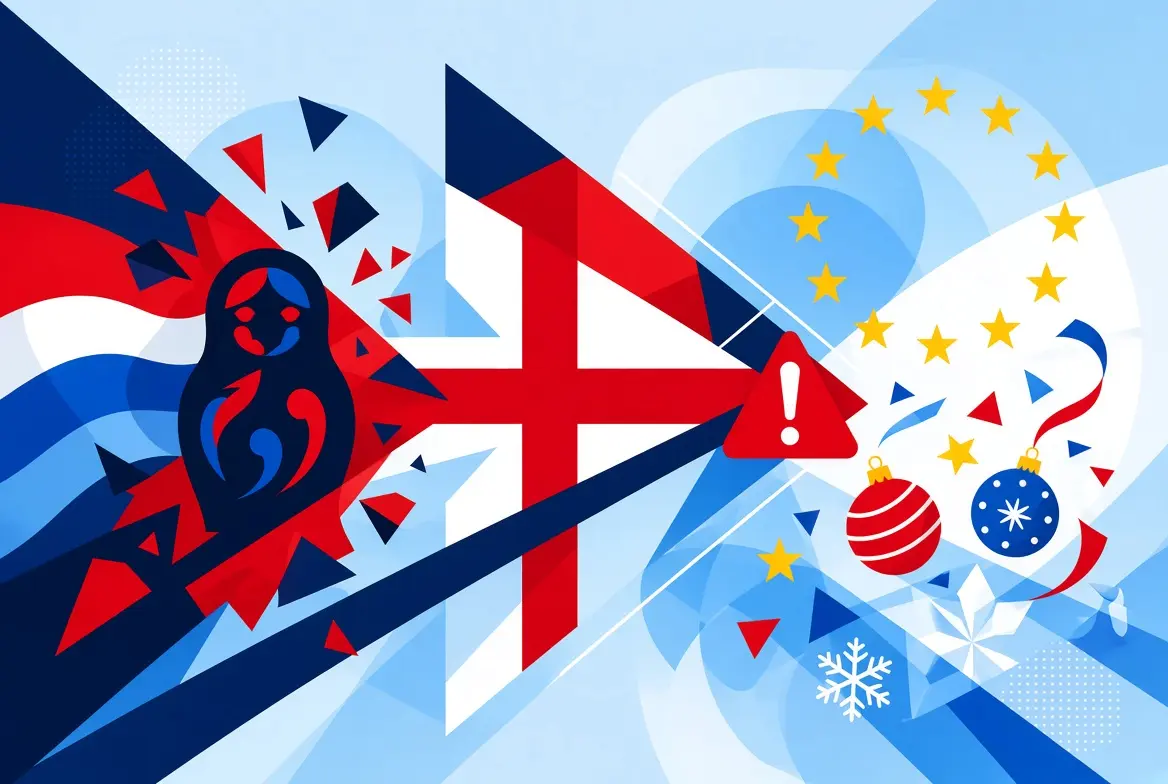
Message from Denmark: no European holiday alongside Russian assassination plots!
At the EU level, Denmark would halt the issuance of tourist visas to Russian citizens, after Danish intelligence said a murder plot commissioned by Russia had been prepared on the country's territory. After expelling the Russian military attaché, Copenhagen now wants other member states to tighten their rules as well, and to stop accepting old-style, non-biometric Russian passports.
First time, but they'll get used to it: air-raid sirens sounded in Kaliningrad
Since the start of the full-scale invasion of Ukraine, according to press reports, a live air-raid alert has been declared for the first time in the Kaliningrad Region, where sirens sounded in several towns on Saturday evening. The Russian governor attributed the alert to a “suspicious object” arriving from the direction of Lithuania, but Vilnius firmly denied having anything to do with any…