
From a pillar in Donetsk to the Berlinale stage: the story of Iryna Dovhan
Iryna Dovhan was watering her flowers when, in August 2014, armed men arrived at her home and took her away for helping the Ukrainian army. She was beaten, threatened, and then taken to a square in occupied Donetsk, where she was wrapped in a Ukrainian flag and tied to a pillar. Several passersby struck her, while others posed for photos with her. One photo taken there eventually helped secure her release. Twelve years later, the audience at the Berlin International Film Festival gave Iryna a standing ovation in tears. Since then, she has been helping women who, like her, have endured Russian captivity, torture or sexual violence.
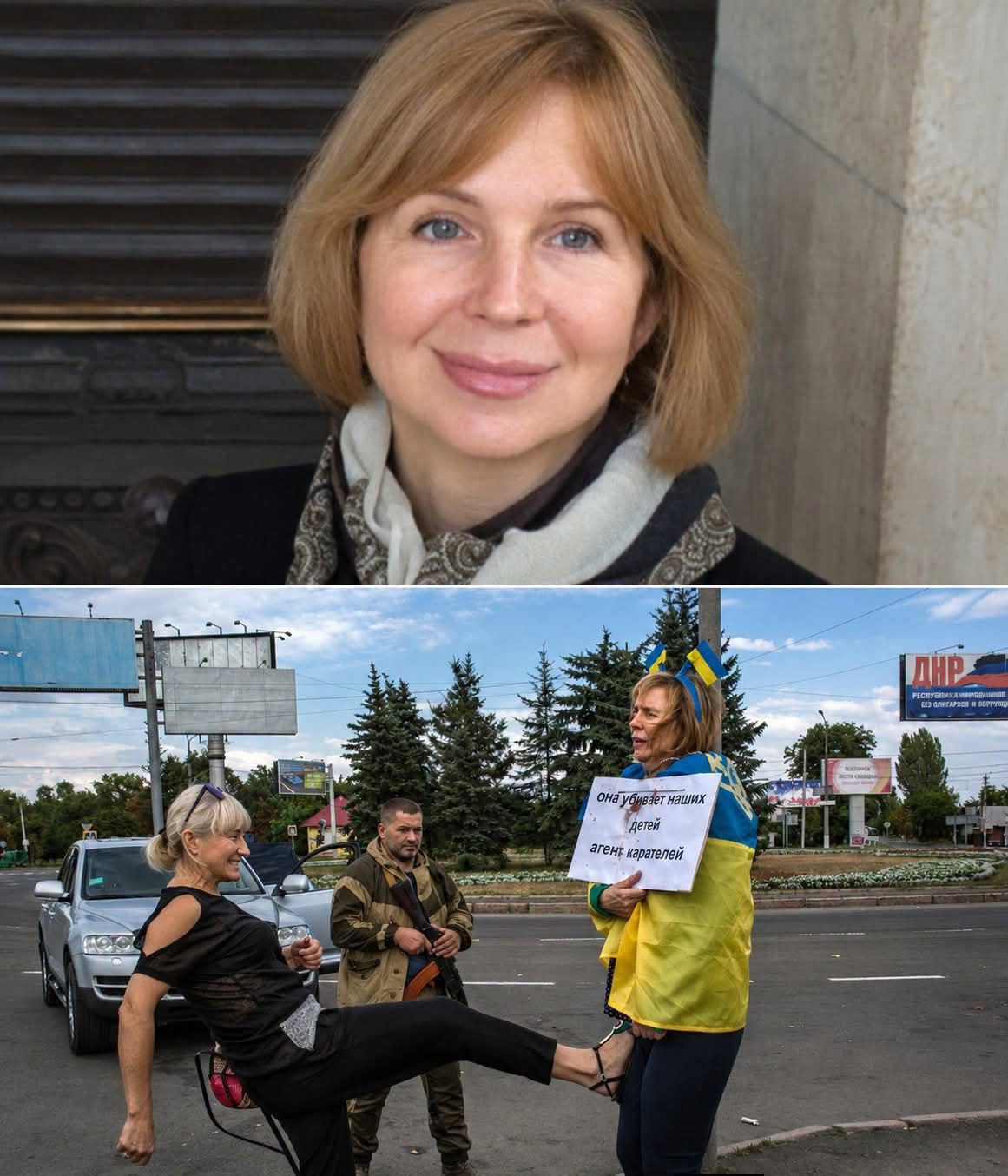
Before the war, she had her own beauty salon in Yasynuvata, in Donetsk Oblast; her husband worked in construction, and together with their sons and daughter they lived in a house they had spent eighteen years building and improving. When war broke out in 2014, their neighbors left one by one, but Iryna stayed: she wanted to protect their home and didn't want to abandon the animals left behind on the streets, which she kept feeding even amid the bombings.
“I kept telling myself that there have been many wars in the world, and people endured them, survived them. I had to do the same.”
Along with other women, she also supported Ukrainian soldiers, bringing them food, medicine and clothing, and photographing the purchased items so they could account for them to those who had donated money for the effort. When a tablet containing these photos and their correspondence fell into Russian hands, it was enough to get Iryna taken away. During the interrogations, she tried to protect those she had worked with. “I gave up all my passwords, but at the same time I tried to protect the people I knew,” she later recalled. Her captors beat her, threatened her with rape, and fired shots right next to her ear; one of them ran at her and kicked her so hard in the chest that she flew into the wall and couldn't breathe for a long time.
After the torture, she was taken to a square in Donetsk, where she was wrapped in a Ukrainian flag and had a sign with false accusations hung around her neck. She clung to the pillar to keep from falling while local women beat her, including an elderly woman who struck her with the cane she herself leaned on for support. Someone smashed a tomato against her face, and young men took turns standing next to her to pose for photos. “The photo doesn't show everything that happened there,” she later said. Among those working the square that day was Brazilian photojournalist Maurício Lima. Iryna watched his face, hoping he would intervene and protect her, but he took the picture and left. The photo was published in The New York Times, and international attention along with journalists' advocacy eventually helped secure Iryna's release.
She could not, however, return to her old life: their house was looted, her business was gone, and she fled with her husband and daughter to Kyiv Oblast. At first they slept in their car, and later strangers took them in. Iryna started working as a masseuse and tried to rebuild everything they had lost, all while having to listen to remarks about what exactly her patriotism had gotten her.
“This land is the only place where I can be happy. If for nothing else, that alone made the risk worth it,”
she replied.
Over time, she connected with other women who had also survived captivity and violence, and in 2019 the SEMA Ukraine community was founded. After Kyiv Oblast was liberated in 2022, Iryna traveled from village to village collecting testimonies from victims of Russian war crimes. The women from Donetsk offered support to those who had suffered horrors under the occupation of Kyiv Oblast, and later women from the Kherson region joined them as well.
“They showed their fellow survivors that there is life after what happened.”
The community continues its work in 2026 as well, providing psychological, medical and financial assistance to women, while Iryna documents war crimes and speaks about victims' experiences at international meetings. In March, she reported that 360 witnesses and affected individuals had been interviewed by then. That same year, Iryna became one of the six lead subjects of the documentary film Traces (Nyomok). The film tells the stories of Ukrainian women who suffered violence during the war, and it won the Audience Award in the Berlinale's Panorama section. After the screening, viewers approached the subjects, held their hands and embraced them; according to Iryna, the applause lasted ten minutes.
When she isn't traveling across the country or speaking abroad about women's stories, Iryna returns to her garden in Kyiv Oblast, tending her plants and working the vegetable patch. She once again has flowers, homemade jam and pumpkin pie—things that once belonged to her home in Yasynuvata before the armed men came for her. From her own experience, she knows how much it means to find a home again after such horrors, to be able to work, tend a garden and make plans. Now she helps other women rebuild their lives as well, while continuing to fight to see those who tortured her held accountable.
“I want to do as much as I can with the time I have. And today, I can enjoy life even more than before.”
Did you like this article?
Support our work with a small donation
Secure payment via Stripe • Min. 2 EUR
Gesta recommendations:

Eight former U.S. ambassadors warn: whoever rewards Putin is preparing the next war
Lasting peace cannot be bought from Putin through territorial concessions and the easing of sanctions, warn eight former U.S. ambassadors, including four former heads of mission in Bucharest. According to them, rewarding aggression would weaken NATO and increase the risk of a broader European war.

Alaska too turns away from the Republicans: not even three of them could stop the Democrat
For the first time in twenty-eight years, Alaska has elected a Democratic politician as governor: the 37-year-old Jonathan Kreiss-Tomkins defeated three Republican rivals, including one backed by Donald Trump. The youngest governor in the state's history campaigned on lowering the cost of living, fixing the funding of public schools, and a promise of cooperation across party lines, and won the…

Administrative reform: Maramureș is already rebelling
The PSD has not even agreed on how it would reorganize Romania's counties, yet one of its MPs is already hinting at leaving the party. Lucian Morar refuses to even hear about Maramureș being merged into an administrative unit centered on Cluj-Napoca, and is ready to turn against his own party in defense of his homeland. Whether he has actually already quit over this, or is merely threatening to…
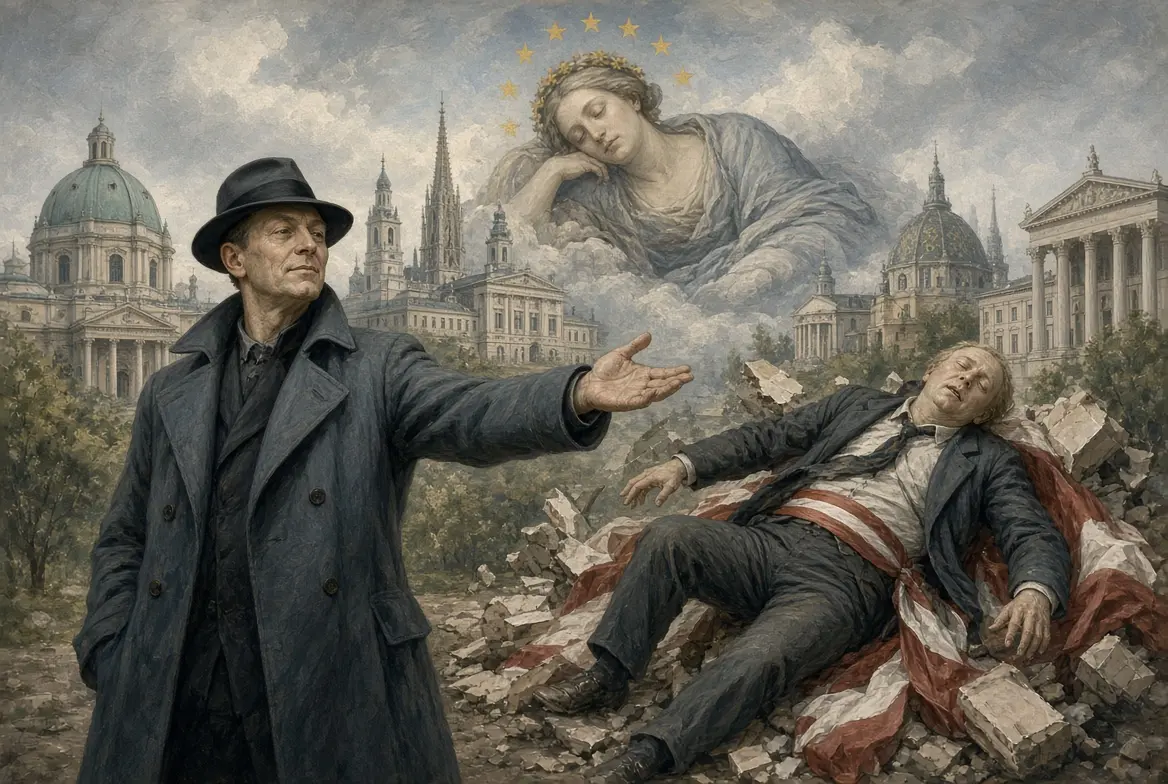
The spy who boasted about bringing down a chancellor – while Europe kept dozing
Jan Marsalek, the fugitive former operations chief of Wirecard, boasted from Moscow that “we successfully brought down” Austrian Chancellor Sebastian Kurz. The network uncovered around him funneled phones belonging to the Interior Ministry to Russia, gathered data on refugees and journalists (it even obtained the home address of Christo Grozev, founder of the renowned investigative outlet…
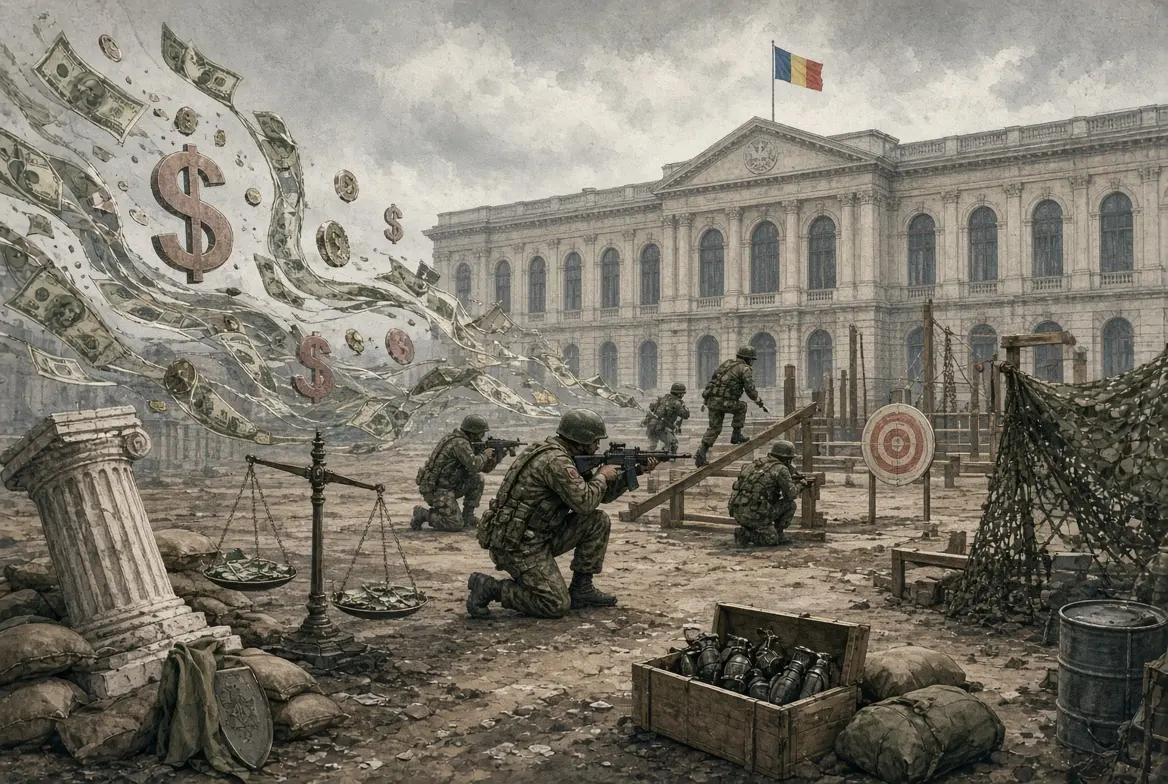
A good idea from Romania: paid military training
Voluntary basic military training could be joined by Romanian citizens — men and women over 18 who have not yet turned 35 by the start of the program and who have not previously served in the military, either as professionals or as reservists. At the end of the training, which would last up to four months, participants would be placed in the army's operational reserve, though those who wished to…