
Nicușor Dan admitted that he put together the PSD-led government majority
President Nicușor Dan openly admittedthat he personally sought out and assembled the parliamentary majority that put the PSD-led Niculescu government into office. “What happened is that the government fell, and I had to find a majority. It took me five and a half months to find it,” he said on Thursday in Dublin, at a press conference held during the ninth summit of the European Political Community.
The president was speaking about the judicial investigation into the annulled elections, in connection with which he has long promised to publish the report. He did not meet the one-month deadline, however, and the report still has not been completed. Dan has excused himself by saying that as long as there was no government, he had to focus on putting together a majority. Now that the government is in office and he no longer needs to seek compromises to secure a majority, he can go back to writing the summary of the elections.
Article 103 of the Romanian Constitution, however, divides up the roles quite differently. After consulting with the parliamentary parties, the president nominates a prime-ministerial candidate — specifically the one with the best chance of securing a majority. The nominated prime minister then has ten days to form a government, draw up the government program, and gather the votes needed for the confidence vote. It is therefore the nominated prime minister, not the head of state, who must negotiate the majority, so Dan has now confirmed in his own words that he went much further than that. This also lends weight to the accusations made by PNL leaders, who say the president played a role in the fall of the Bolojan government and that he interfered in the Liberals' internal affairs in order to have Bolojan removed from the party's leadership.
The Dublin statement did not come out of nowhere. Two days earlier, on Tuesday evening, Dan held his first press conference at Cotroceni Palace in seven months, and already argued openly there for governing together with the PSD. He said that an AUR government would lead to a downgrade of the country's credit rating, that early elections would lead to economic collapse, and that the PNL and the USR could not govern without the PSD even if the president backed them. At that same press conference he banned investigative journalist Ovidiu Vanghele from his press events for the rest of his mandate. Ilie Bolojan, the leader of the PNL, responded by saying that he had not asked the president to negotiate with the PSD on his behalf, and that, in his view, no policy can be built on broken trust, while Ludovic Orban said that Dan had become an accomplice of the PSD.
A deal struck against the voters
Dan has now said outright what could so far only be suspected: the majority behind the Niculescu government was born not in parliament, but at Cotroceni Palace. In doing so, he overstepped what the Constitution allows the head of state to do, on at least two counts. Under Article 103, securing the majority is the task of the nominated prime minister; the president's role is limited to the nomination. Under Article 80, the president is the mediator between the branches of state power and between the state and society, and is the guarantor of compliance with the Constitution and of the proper functioning of public institutions. A mediator, however, cannot take the side of one party and spend five and a half months gathering votes for its government. What's more, half a million people did not vote for Nicușor Dan in the second round so that he would put the PSD back in power — part of his voters went to the polls precisely against the system built by the PSD, while the other part did so to keep George Simion from becoming president. Now both camps see that their president has struck a deal with the PSD, and even AUR is profiting from it.
Fallow land
Did you like this article?
Support our work with a small donation
Secure payment via Stripe • Min. 2 EUR
Gesta recommendations:
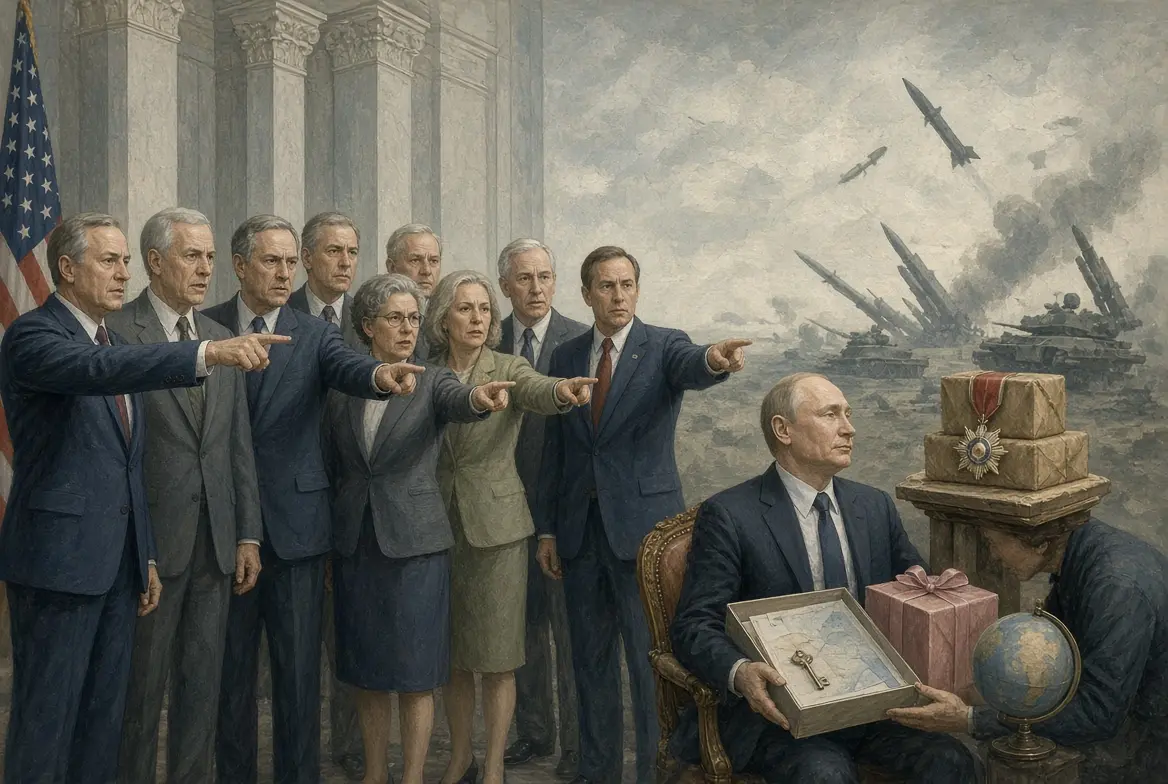
Eight former U.S. ambassadors warn: whoever rewards Putin is preparing the next war
Lasting peace cannot be bought from Putin through territorial concessions and the easing of sanctions, warn eight former U.S. ambassadors, including four former heads of mission in Bucharest. According to them, rewarding aggression would weaken NATO and increase the risk of a broader European war.
Alaska too turns away from the Republicans: not even three of them could stop the Democrat
For the first time in twenty-eight years, Alaska has elected a Democratic politician as governor: the 37-year-old Jonathan Kreiss-Tomkins defeated three Republican rivals, including one backed by Donald Trump. The youngest governor in the state's history campaigned on lowering the cost of living, fixing the funding of public schools, and a promise of cooperation across party lines, and won the…
Administrative reform: Maramureș is already rebelling
The PSD has not even agreed on how it would reorganize Romania's counties, yet one of its MPs is already hinting at leaving the party. Lucian Morar refuses to even hear about Maramureș being merged into an administrative unit centered on Cluj-Napoca, and is ready to turn against his own party in defense of his homeland. Whether he has actually already quit over this, or is merely threatening to…
The spy who boasted about bringing down a chancellor – while Europe kept dozing
Jan Marsalek, the fugitive former operations chief of Wirecard, boasted from Moscow that “we successfully brought down” Austrian Chancellor Sebastian Kurz. The network uncovered around him funneled phones belonging to the Interior Ministry to Russia, gathered data on refugees and journalists (it even obtained the home address of Christo Grozev, founder of the renowned investigative outlet…
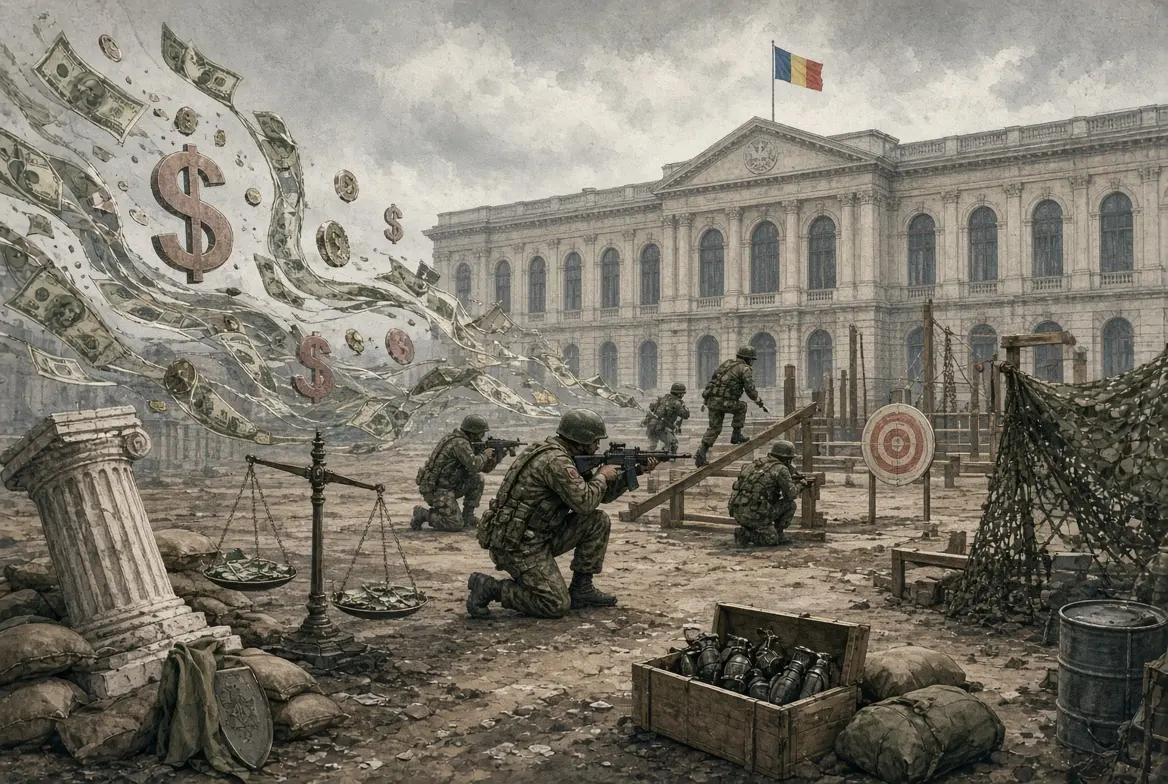
A good idea from Romania: paid military training
Voluntary basic military training could be joined by Romanian citizens — men and women over 18 who have not yet turned 35 by the start of the program and who have not previously served in the military, either as professionals or as reservists. At the end of the training, which would last up to four months, participants would be placed in the army's operational reserve, though those who wished to…