Putinia: chairwoman of election commission received an apartment from the state after the presidential election
Ella Pamfilova, chairwoman of the Russian Central Election Commission, received a 237-square-meter apartment in Moscow free of charge from the state, less than three months after Vladimir Putin, according to official results, won the 2024 presidential election with 87.28 percent of the vote. The apartment's value is estimated at 200 million rubles, or about $2.35 million.
According to an investigation by the Anti-Corruption Foundation, founded by Alexei Navalny, the property was allocated to Pamfilova in June 2024, and she later transferred it into the name of her 24-year-old niece, Irina Kezina. The building, located in central Moscow near the seat of the Russian government, is home to several current and former senior officials, including Moscow Mayor Sergei Sobyanin and Valery Zorkin, chairman of the Constitutional Court. According to the Anti-Corruption Foundation, the free apartment may have been a reward for Pamfilova's control over the Russian electoral system and for delivering the election result to Putin. There is no direct evidence of this so far, but the timing is indeed notable: in March, Putin got his 87 percent, and in June, the chairwoman of the election commission got her 237-square-meter apartment in Moscow. In Russian democracy, it seems, performance reviews don't come as a year-end bonus but as downtown real estate. Pamfilova has led the Russian Central Election Commission since 2016. She previously served as a member of parliament, head of the human rights council, and later as human rights commissioner. She is currently on the sanctions lists of the United States, the European Union, the United Kingdom, Switzerland, and several other countries.
Source: G4Media
Did you like this article?
Support our work with a small donation
Secure payment via Stripe • Min. 2 EUR
Gesta recommendations:
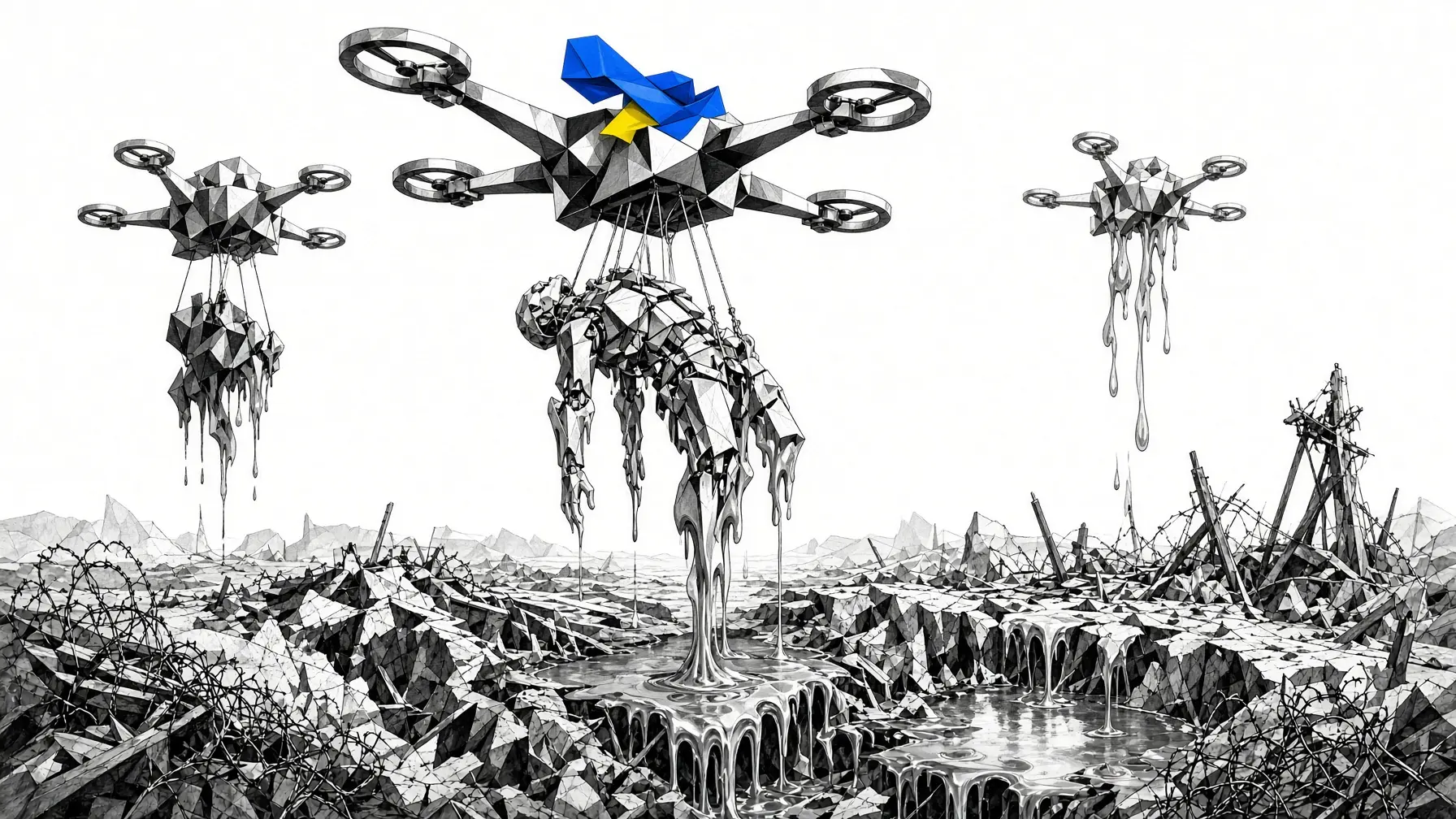
World first: flying drones deliver Ukrainian combat robots behind Russian lines
Ukraine's Third Army Corps announced that during Operation Vivaldi, 125 square kilometers of territory were brought back under Ukrainian control in the Lyman area, in the northern part of Donetsk region. One of the operation's most important innovations was that large flying drones carried explosive-laden ground combat robots more than ten kilometers behind Russian lines.

Artificial intelligence used to detect underground pipe leaks in Buzău
The regional water utility in Buzău County has reduced network water loss using AI-supported noise sensors. The system monitors the sounds and vibrations produced by water escaping from pressurized pipes, then uses the data to identify areas where a hidden pipe break or leak is likely located.

Black Sea grain trade grinds to a halt, wheat prices rising worldwide
The maritime dimension of the Russia–Ukraine war has effectively paralyzed one of the world's most important grain export routes. In recent months, the Russian army has intensified its attacks on Ukrainian ports, grain terminals and transport hubs, while Ukraine has responded by targeting Russian ports, cargo ships and logistics facilities. The result: more than 97 percent of Russian and…
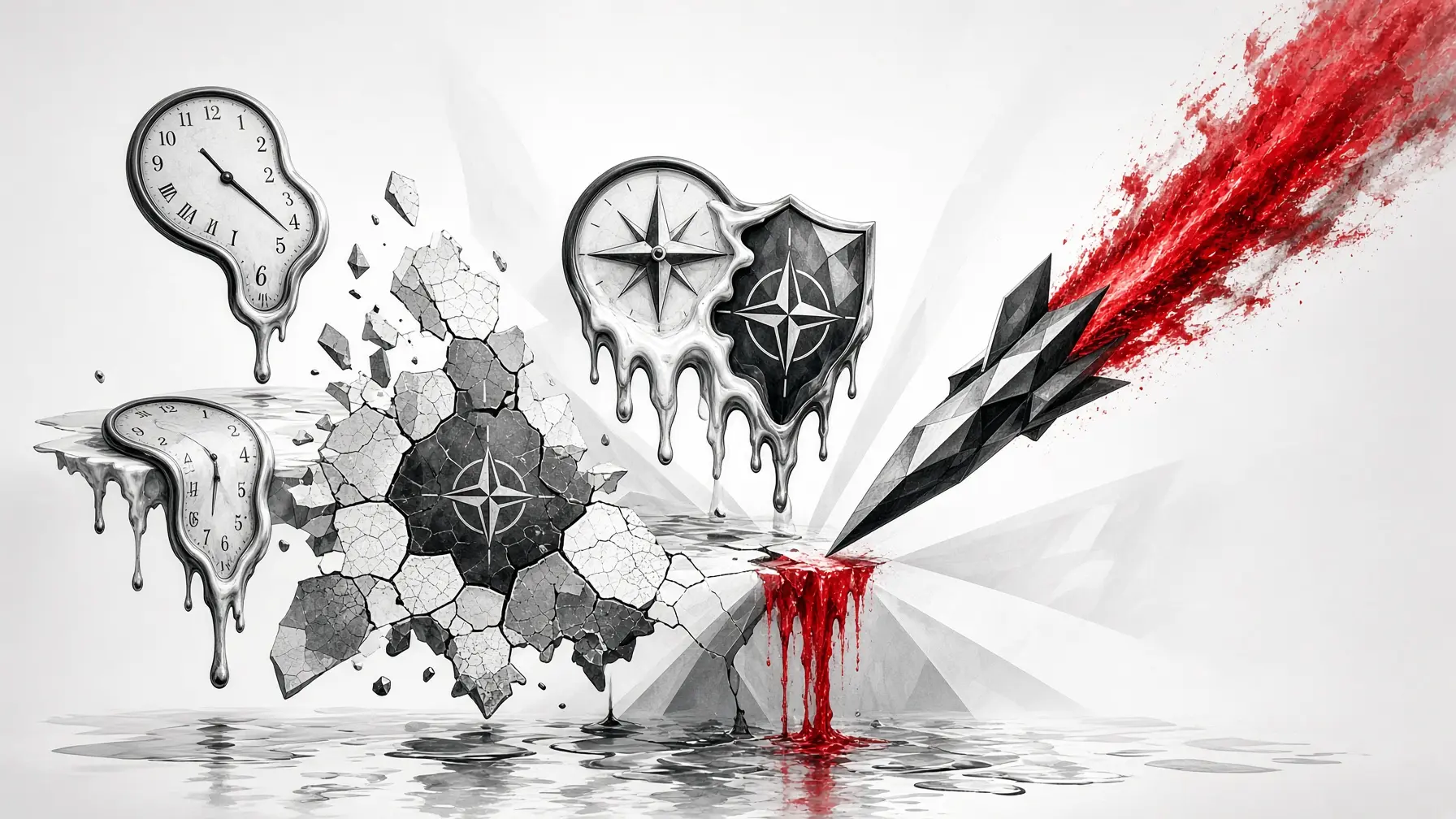
A Russian test attack on NATO could come within months
More and more European intelligence services and political leaders are warning that Russia could extend its military and sabotage operations beyond Ukraine in the coming months. For now, the most likely scenario is not a full-scale invasion of a NATO member state, but a limited attack designed to test the alliance's unity and whether member states are truly willing to invoke Article 5 on…
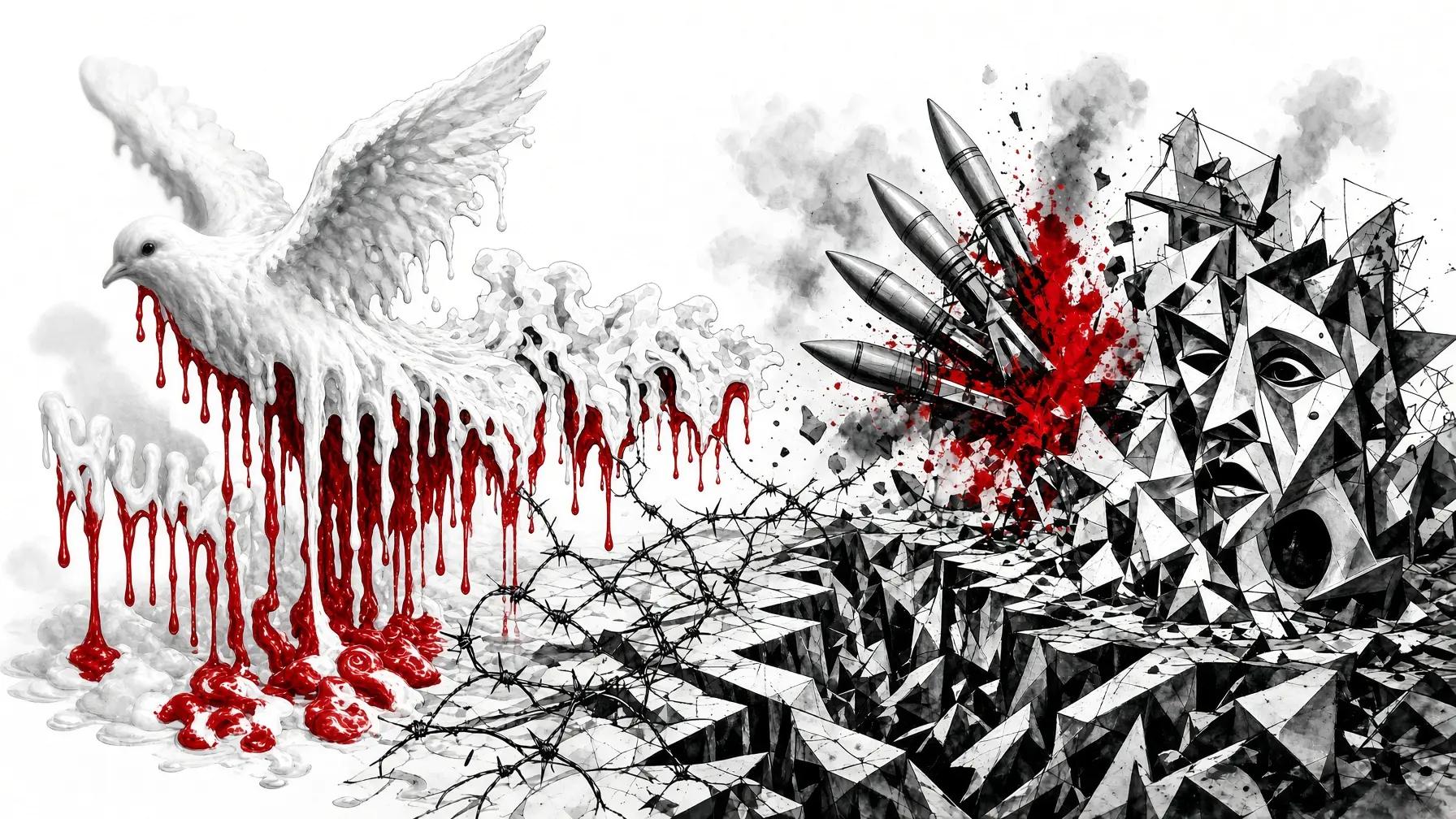
No matter what other name we give it, we are, in fact, at war!
Information war, cyberwar, hybrid war, shadow war, sub-threshold operation: Europe is finding ever more linguistic ingenuity to describe what Russia is simply waging against it as war. Sylvie Kauffmann, foreign affairs columnist at Le Monde, argues that this verbal magic must end, because as long as the attacks are called "incidents", "provocations" and "hybrid threats", we never even get to the…