
[EN] Is Viktor Orbán Following the Kremlin’s Playbook?
The death of a Ukrainian-Hungarian citizen, József Sebestyén, is being used by the Hungarian government and its loyal media not only for domestic political gain, but also as part of a broader narrative aligned with Russian disinformation efforts. The circumstances surrounding his death remain unclear, yet government propaganda quickly framed the incident as a brutal beating by Ukrainian soldiers—a version not supported by verified facts. Prime Minister Viktor Orbán even personally shared a misleading video that doesn’t show Sebestyén at all.
At the same time, a disturbing video surfaced online: in it, three masked men, standing under a Hungarian flag, speak fluent Ukrainian and urge ethnic Hungarians in western Ukraine (Transcarpathia) to attack Ukrainian military recruitment centers and “rejoin Hungary.” The video, clearly staged and symbolic, first appeared on pro-Kremlin Telegram channels and is suspected to be part of a Russian intelligence operation. Its target audience is not the Hungarian minority but ordinary Ukrainians—those weary from the war and susceptible to suspicion and rage against minorities. The aim: to incite ethnic unrest, possibly even anti-Hungarian violence.
This is not a new tactic. Similar provocations have occurred in other Ukrainian minority communities, including the Romanian population in Chernivtsi. In that case, disinformation campaigns exploiting religious divisions led to tensions and even physical confrontations between worshippers. The pattern is clear: fake news, ethnic triggers, and strategic manipulation by Russian-affiliated actors to destabilize social cohesion.
Given the timing and coordination, it is highly likely that the Hungarian government—either knowingly or unwittingly—is advancing the Kremlin’s agenda. The anti-Ukrainian narrative, the endangerment of the Hungarian minority in Ukraine, and the creation of regional chaos all serve Putin’s broader strategic goals. Rather than calming tensions, Orbán’s government appears to be inflaming them—potentially becoming an active agent in Russia’s psychological warfare in Eastern Europe.
Did you like this article?
Support our work with a small donation
Secure payment via Stripe • Min. 2 EUR
Gesta recommendations:
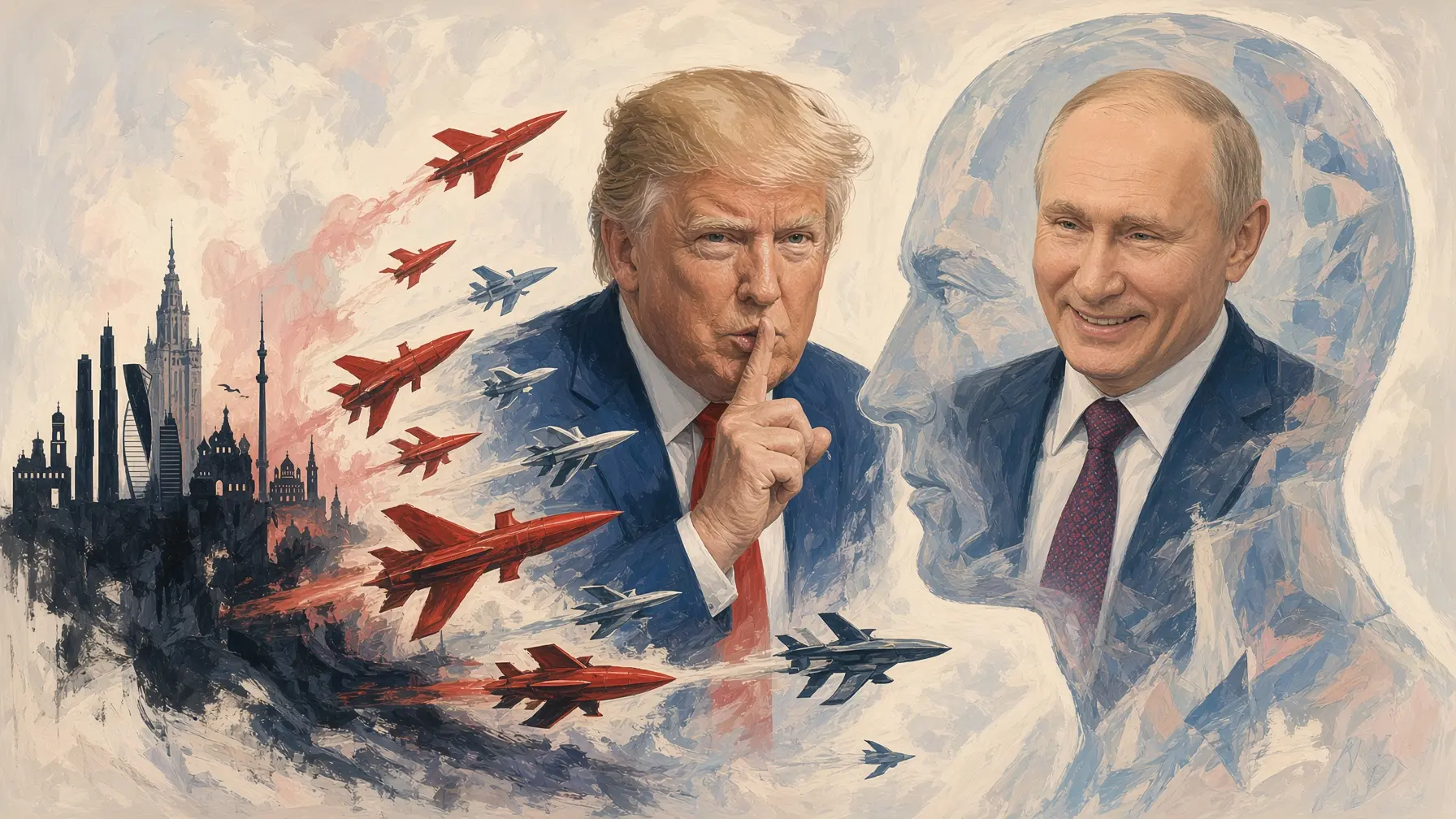
Moscow attacks, Washington calls for silence – this is how Putin wins in our heads
The Pentagon, led by Pete Hegseth, has asked its European allies — if they can still be called that at all — to hold back on public communication about Russia and not to emphasize the Russian threat. According to a source who spoke to Reuters, Elbridge Colby told a Baltic official that “provoking” the Russians should be avoided, while another European official summed up the American message as…

Even Hungarian-majority localities could disappear in the administrative reform – why is the RMDSZ staying silent?
The RMDSZ's behavior regarding the territorial-administrative reform floated by Grindeanu is becoming increasingly strange. After the news first broke, a deep silence surrounded the matter — maintained not only by our one and only party, but also by its lackey press. Then Hunor said something to the effect that they would wait and see, that they might support it or might not, but in any case no…
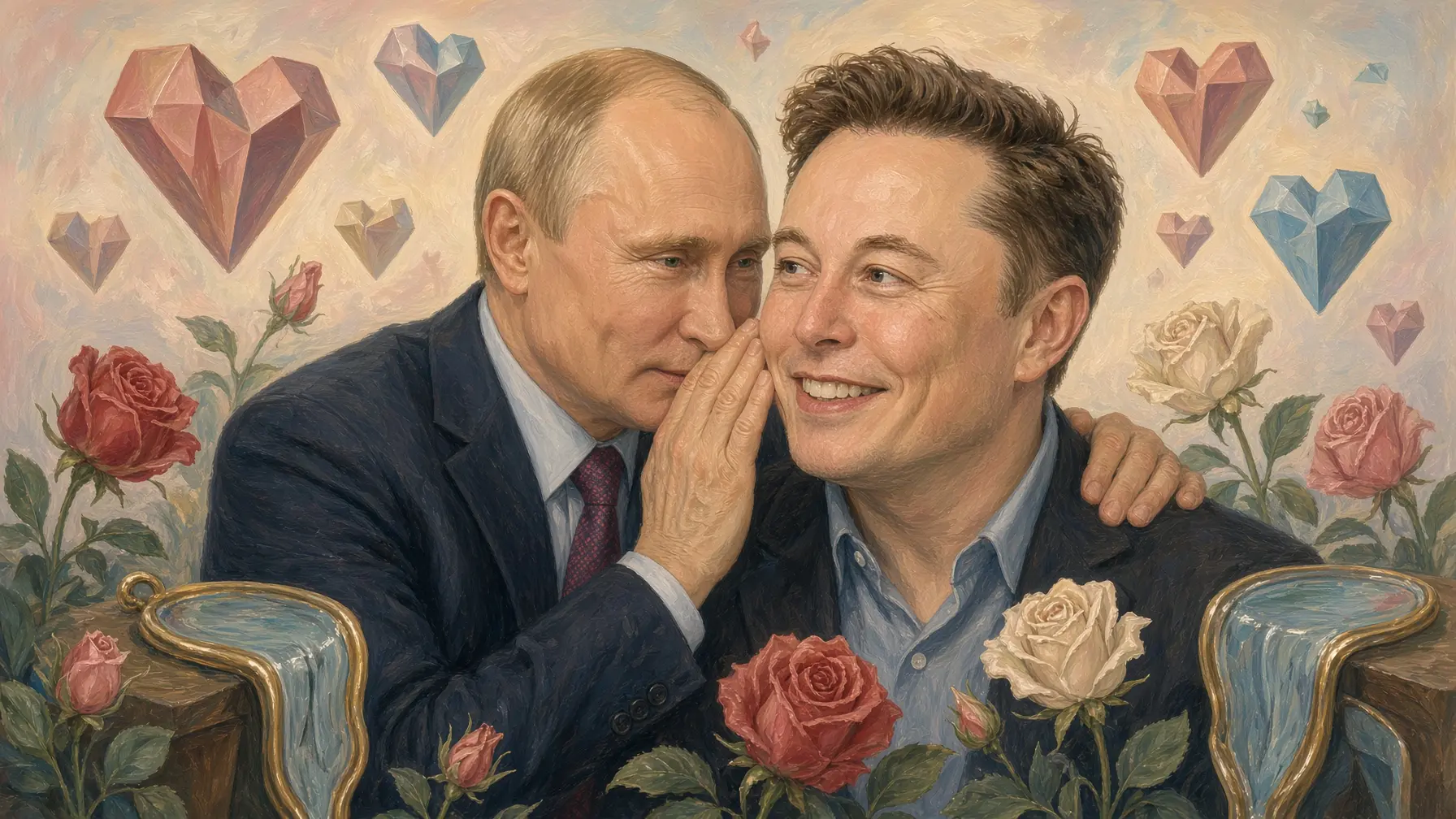
A snapshot of a budding bromance: Putin called Musk a genius
According to Vladimir Putin, Russia closely cooperates with its American space industry partners, including Elon Musk, despite political disagreements, whom he called "a brilliant man". The Russian president praised the SpaceX founder at an exhibition in Moscow, just one day after Musk justified restricting Starlink's military use in Ukraine by citing the risk of Russian destruction of satellites.

First the election, then Iran: Washington may be preparing new strikes
The United States has warned several Gulf Arab states, through diplomatic and military channels, to prepare for a "short but intense" campaign against Iran after the November 3 U.S. midterm elections. According to the Wall Street Journal, Donald Trump has not yet made a final decision, but is leaning toward a large-scale strike that would also target Iranian infrastructure and nuclear facilities.
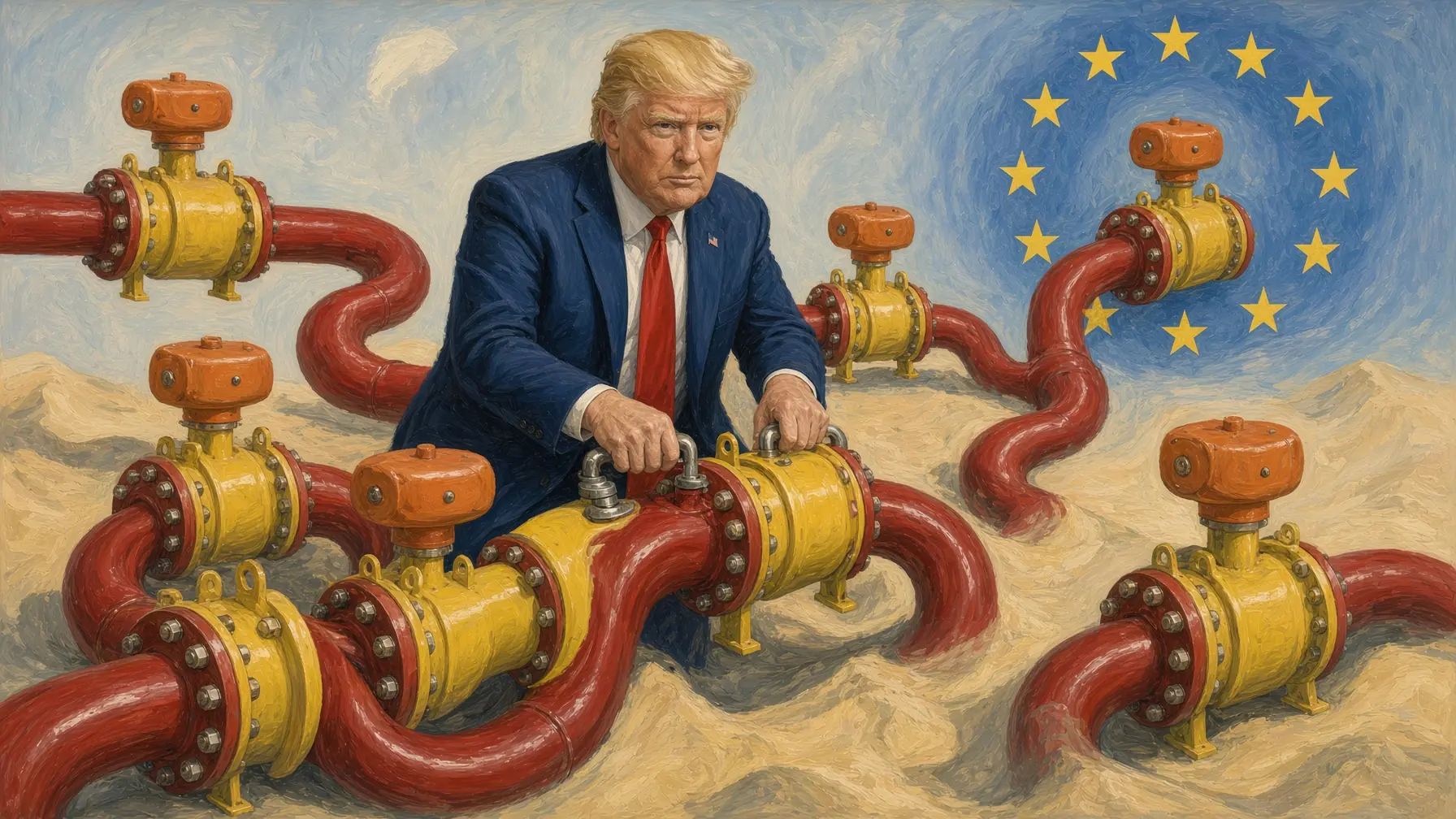
Trump would reconnect Europe to Russian gas
In 2018, he was still scolding Germany for relying on American military protection against Russia while funneling billions to Moscow through its energy purchases, but now his negotiators have raised the idea of reviving Russian gas sales to Europe, and even restoring Nord Stream, as an economic incentive for a war settlement.