Russians go home – unless you're an oligarch! Is Péter Magyar on Orbán's path?
On September 22, the European Union extended for another three years the sanctions affecting nearly three thousand Russian individuals and entities, but two very well-known billionaires disappeared from the list in the process: Alisher Usmanov and Mikhail Fridman. Vitalie Cojocari draws attention to the fact that a peculiar diplomatic deal lies behind both removals.
Usmanov's removal was pushed by France, while two French citizens were being held in Azerbaijan; Usmanov was taken off the list on September 22, and the next day the French citizens were pardoned by Azerbaijani President Ilham Aliyev. In Fridman's case, Luxembourg supported the removal, while the Russian billionaire had filed a claim against Luxembourg for around $16 billion in damages over his frozen assets. The compromise ultimately went through: Usmanov and Fridman were freed from the asset freeze and the EU entry ban, while the sanctions on the others were extended for three years.
Staff at the organization of Yulia Navalnaya and Alexei Navalny used little diplomatic padding in assessing the story. As they put it, in Europe what apparently matters is not whether someone supported the war, was a friend of Putin's or stood against him, but rather how much money they have:
"If you're rich, have a few yachts and connections, it seems sanctions can be lifted without much difficulty."
This was contrasted with the situation of Russians who fled Russia due to political persecution, mobilization, or simply rejection of the war, yet run into visa problems, banking restrictions and other obstacles in Europe.
But the story also has a Hungarian thread, and not a new one. The Orbán government had already tried before to get Russian businessmen removed from the EU sanctions list, and now we also know how at least one such case worked. In one of the Szijjártó–Lavrov conversations made public in March 2026, the Russian foreign minister called Péter Szijjártó in August 2024 to ask him – as had previously been agreed – to help remove Usmanov's sister, Gulbahor Ismailova, from the sanctions list. Szijjártó replied that they would submit the removal proposal together with Slovakia, and that "we will do everything we can to get her off it." Ismailova was indeed later removed.
With April 12, however, in theory not only did a government fall, but the direction of Hungarian foreign policy should have changed as well. On the last day of the campaign, Péter Magyar said that Hungary's place in Europe "was, is and will be," and attacked Viktor Orbán for letting Russian agents into the country 37 years after demanding the withdrawal of Russian troops. The crowd's response even then was: "Russians go home!" The same chant rang out on the night of Tisza's election victory as well, when Magyar said that Hungary wants to be a European country again, one that is "no one's vassal."
In Fridman's case, however, the Hungarian position did not change: according to reports on the September sanctions negotiations, alongside Slovakia and Luxembourg, Hungary under Péter Magyar was also among the countries supporting the removal of Mikhail Fridman from the EU sanctions list.
The political continuity is hard to ignore, but the question is not whether Péter Magyar has taken over Szijjártó's phone and whether Lavrov keeps calling Budapest on the same number, but something much simpler, and precisely for that reason more uncomfortable: why did the new Hungarian government find it acceptable to lift the sanctions on Alisher Usmanov and Mikhail Fridman and to agree to a compromise that resulted in two Russian dollar billionaires heading in exactly the opposite direction: back to Europe — and why has the prime minister, who is constantly hanging around on Facebook, not informed the Hungarian public about this?
Ugar
Did you like this article?
Support our work with a small donation
Secure payment via Stripe • Min. 2 EUR
Gesta recommendations:
Washington states: Europe ranks only fourth in the United States' order of strategic priorities
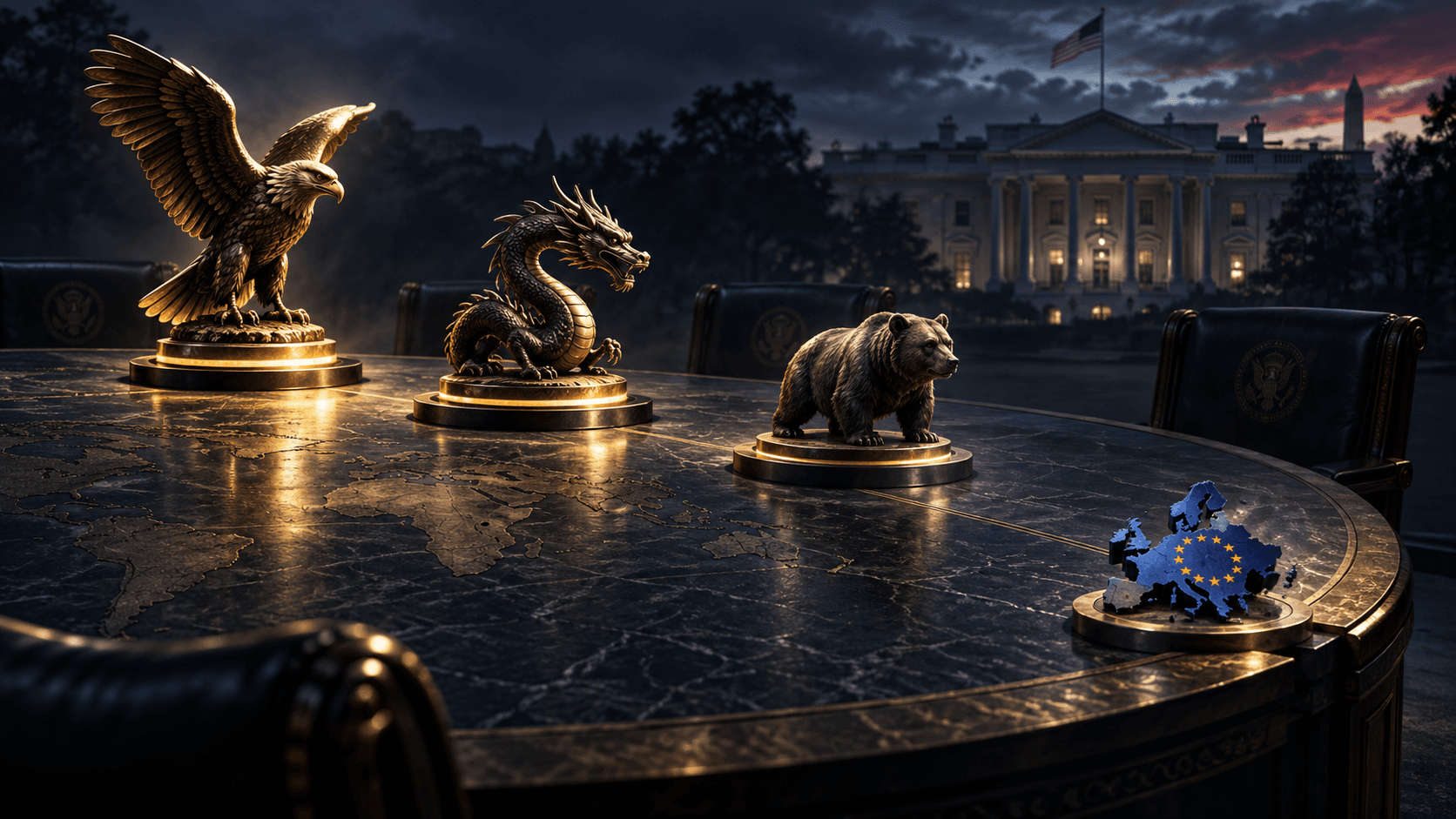
The United States considers the defense of its own territory, the Western Hemisphere and the Indo-Pacific region more important than Europe, US NATO Ambassador Matthew Whitaker stated. According to the diplomat, this does not mean abandoning Europe, but Washington expects its European allies to take on a greater share of defending their own continent.
OpenAI uses AI to protect Ukraine's hospitals and power plants from Russian cyberattacks
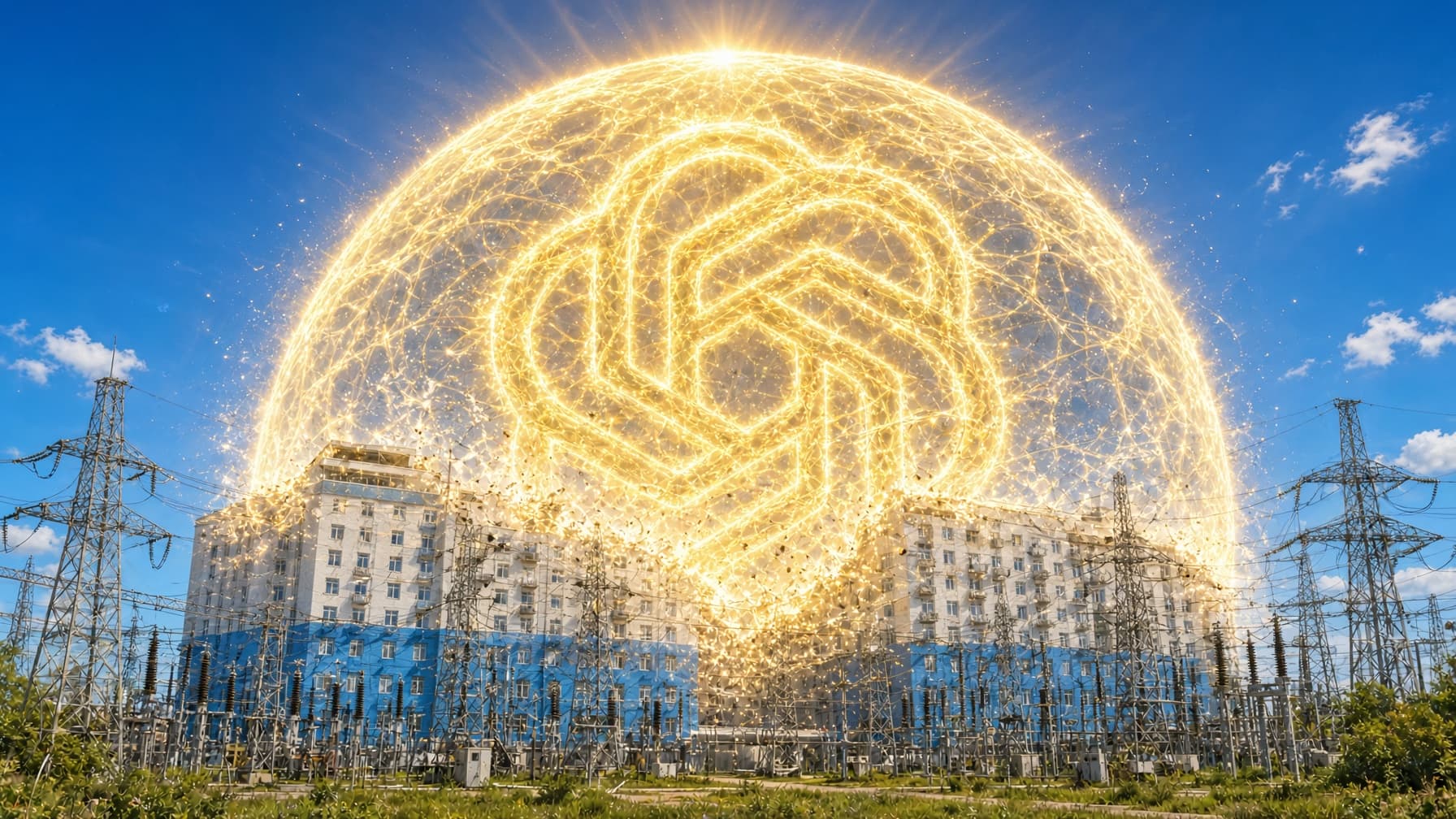
OpenAI is making its AI-based cyberdefense system, called Daybreak, available free of charge to the government of Ukraine. The technology will primarily be used to protect civilian critical infrastructure, including hospitals, power plants, energy grids and state IT systems.
Trump wants to push America's diesel crisis onto the world
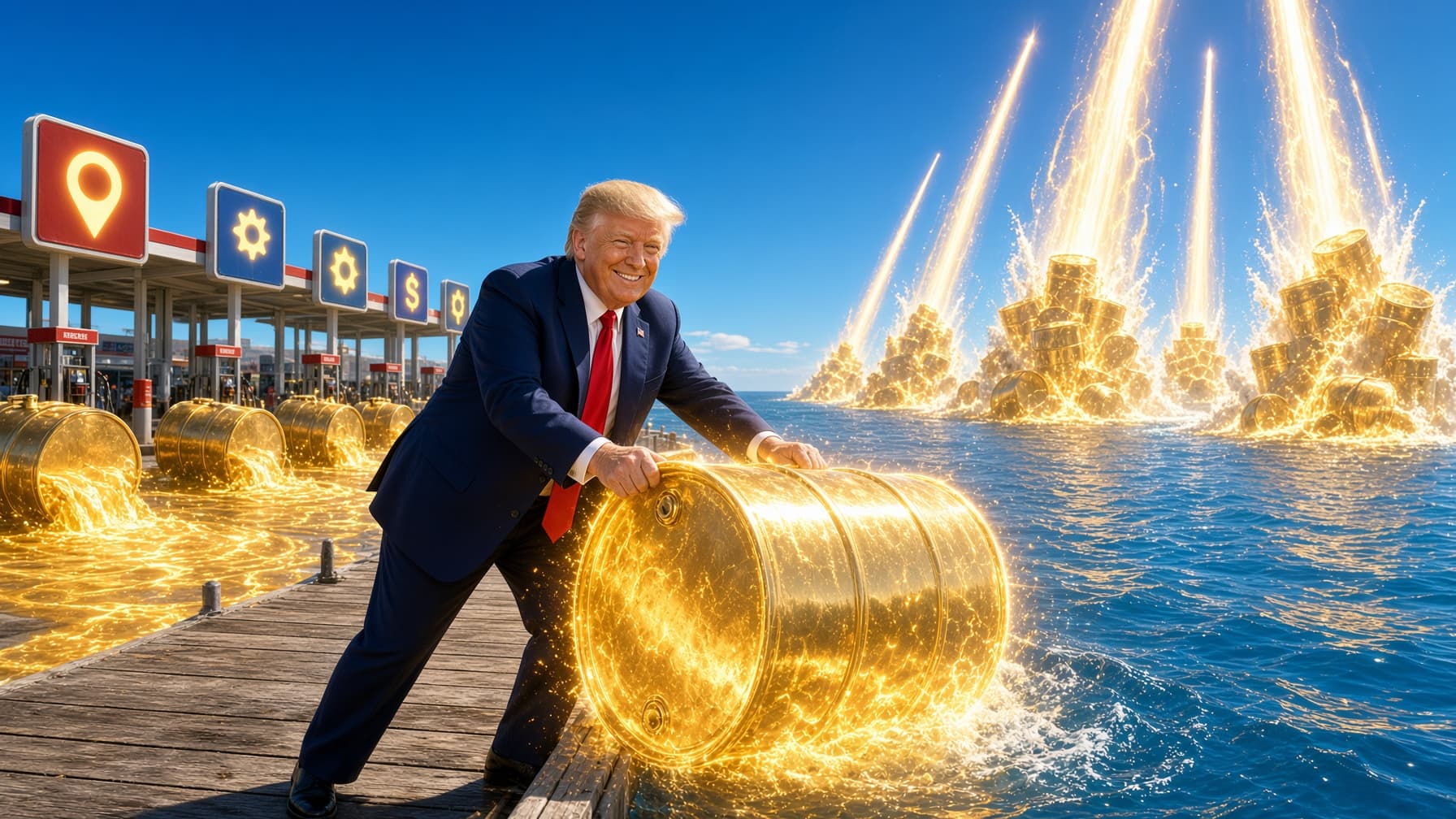
Donald Trump supports banning American diesel exports, after the national average price of diesel in the United States rose above a record $6.53 a gallon. According to the president, the United States should not sell fuel abroad but should keep it on its own market to increase supply and drive down prices. No decision has been made yet, however: Trump has so far only indicated that he supports…
Why is fuel expensive in Europe? One of the Trump administration's big failures
The sale of Lukoil's international assets to the American investment fund Carlyle has been dragging on for nearly ten months because agencies within the Trump administration have failed to reach agreement among themselves, the Financial Times reported, an analysis summarized by the Bulgarian outlet Mediapool. Because of the delay, European refineries are unable to increase their gasoline and…
Hunor's formula for government: everything except Hungarian interests
Today, on his Facebook page, the leader of the Transylvanian Hungarians informed the Transylvanian Hungarian voters who elected him that Siegfried Mureșan had presented the Alliance with his government program, which Kelemen Hunor deemed "supportable." Why? Well, that's not really clear, because beyond broad generalities, no Hungarian interest whatsoever featured among the negotiation points.