
PSD and AUR's special economic maneuver: tenfold wider loophole for the black economy
On Wednesday, the Chamber of Deputies passed AUR's bill, which would raise the ceiling on cash payments from the current 5,000 lei to 50,000 lei, widening tenfold the gap through which money can move from one pocket to another without an invoice, a trace or a tax. The proposal was backed by 173 deputies, including 74 Social Democrats, 55 from AUR, 11 from SOS, 13 from UPR, as well as 10 members of the minority group, 9 independents and a single Liberal; only five deputies from PNL and USR voted against it. The draft submitted by George Simion's party thus passed thanks to the votes of the PSD—the same PSD whose prime minister, Luca Niculescu, heads the PSD-led government that explicitly rejected the proposal in its official opinion.
The bill was submitted by 62 AUR senators and deputies last December, and the Senate rejected it this past February, but the Chamber of Deputies, acting as the decisive chamber, has now approved it, so all that remains is for President Nicușor Dan to sign it and for it to be published in the Official Gazette for it to take effect. The draft would amend the law regulating cash payments. Both companies and private individuals would be allowed to pay and receive up to 50,000 lei in cash, and for larger invoices, up to 50,000 lei could be settled in cash, with only the remainder having to be transferred electronically. According to a summary by industry websites, currently up to 5,000 lei per person per day—10,000 lei in total per day—can be paid in cash between two companies, while between companies and individuals the limit is 10,000 lei per day. The new rule would raise this threshold several times over in one stroke.
Virtually every professional institution has spoken out against the proposal. In the government's view, loosening the cash rules sends a "contradictory signal" after the state invested millions in the e-Factura electronic invoicing system, the SAF-T tax reporting system and the e-Transport freight-tracking system—precisely the tools meant to make money flows visible. The government also warned that a higher ceiling creates grey-zone risks in sectors already heavily plagued by tax evasion. It said the ban on splitting invoices, which AUR cites as a safeguard, will be almost impossible to enforce. The National Bank of Romania (BNR) says the proposal lacks proper justification and therefore does not support it, and the Economic and Social Council (CES) also issued a negative opinion. In the Chamber of Deputies, only the budget and finance committee and the Legislative Council backed it, while the legal, disciplinary and industry committees did not.
All this is happening in a country that, according to a PwC analysis, has for a decade been the worst in the European Union at collecting VAT revenue, and which loses roughly a third of its VAT and corporate tax, mainly due to tax evasion. On the very same day, it emerged that, according to Brussels, Romania faces the largest cut from the EU's recovery fund, with around three billion euros potentially lost because of unfulfilled reforms. Meanwhile, the government is trying to trim the EU's largest budget deficit, raising VAT and placing the burden of austerity on the population. And in this situation, the parliamentary majority votes to make it easier for larger sums to disappear from the books as well. The 50,000 lei is not a pensioner's shopping money or a market vendor's daily turnover. For that amount, a used car, the materials for a small construction project, or a whole truckload of goods changes hands—exactly the kind of deal where paying without an invoice costs the state the most in lost tax.
The vote is one of the most telling moments of the PSD–AUR cooperation. AUR argues it is protecting "ordinary people" and the elderly who prefer cash, portraying digital payments as a tool of state surveillance. The PSD assists in this, overriding its own government's opinion, because part of the two parties' voters and local networks make a very good living from an economy that prefers not to leave a trace. The party has offered no explanation as to why the Social Democrats would vote for a law that their own prime minister's government considers harmful. The ball is now in Nicușor Dan's court. The president can send the law back to parliament for reconsideration or turn to the Constitutional Court. If he signs it, Romania will take a decade-long step backward in the fight against the black economy—just when, due to the loss of EU funds and the budget deficit, it needs every single leu of tax revenue.
Fallow field
V-a plăcut articolul?
Susțineți munca noastră cu o donație mică
Plată securizată prin Stripe • Min. 2 EUR
Recomandări Gesta:

Avertisment din partea FBI: companii din întreaga lume sunt sparte cu viteza maşinii
Pe 13 noiembrie, Biroul Federal de Investigaţii al SUA (FBI) a emis o aşa-numită alertă FLASH urgentă, din cauza faptului că infractorii cibernetici şi alţi actori rău-intenţionaţi folosesc tot mai des un instrument bazat pe inteligenţă artificială numit ARTEX împotriva unor companii, instituţii şi organisme guvernamentale din întreaga lume. Biroul FBI din Dallas a menţionat pe reţelele sociale…
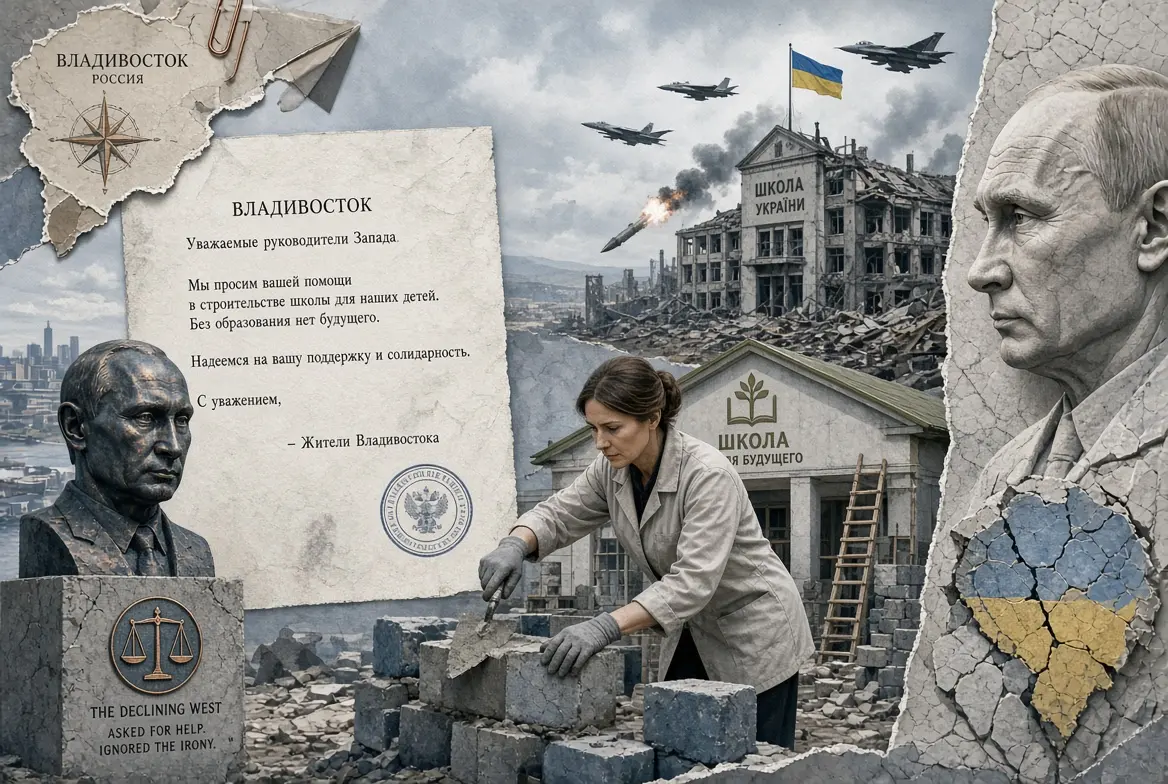
Scrisoare din Putinia de la Vladivostok, pentru decadentul Occident: ajutați-ne să construim școala (nu e o glumă!)
Occidentul în declin a dat o nouă lovitură gravă superiorității civilizaționale ruse, după ce s-a aflat că până și în orășelele americane există școli funcționale, în timp ce într-un cartier din Vladivostok nu se reușește de ani de zile finalizarea singurei școli care ar fi trebuit să fie deja terminată cu ani în urmă. Localnicii s-au adresat așadar Melaniei Trump pentru ajutor, după ce nici…
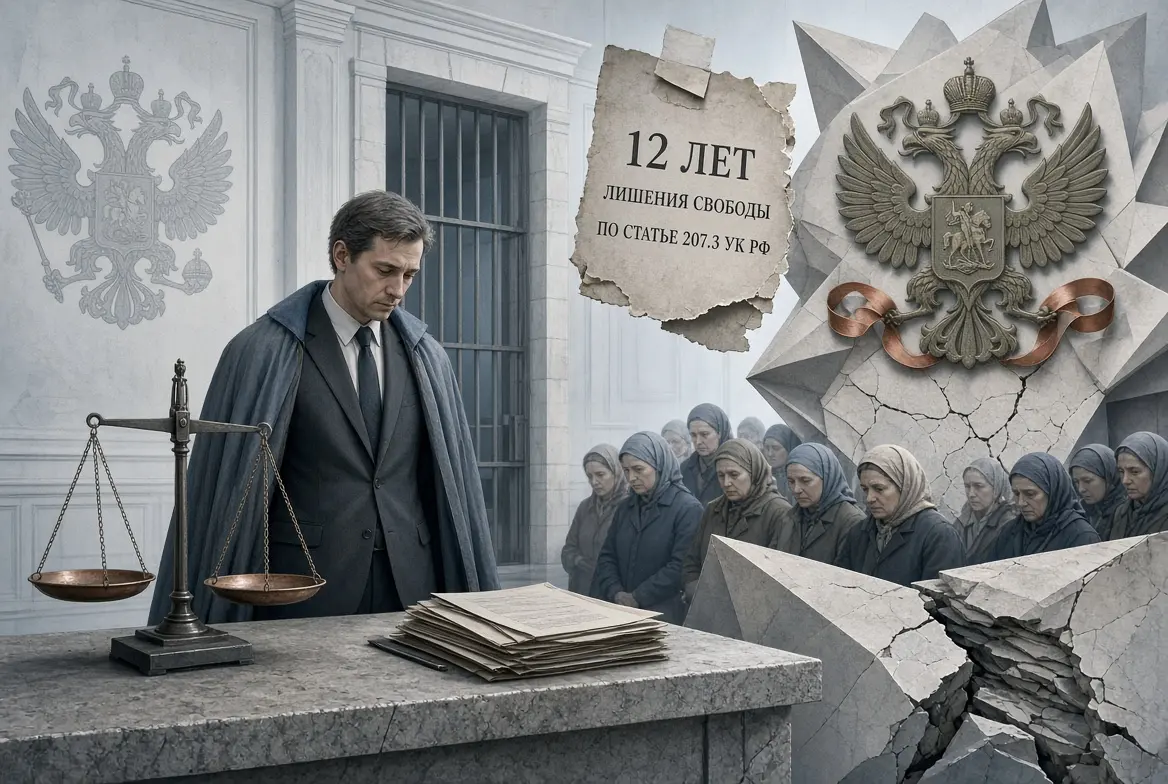
Nezstek, ruskii mir: doisprezece ani de închisoare pentru avocata mamelor de militari
Lumea rusă, marele ruskii mir, despre care Kremlinul spune că Europa visează cu invidie, și pe care corul așa-numit „pacifist” al continentului îl propune drept antidot la decadența occidentală, a dat pe 12 noiembrie o nouă dovadă a umanității sale. Un tribunal din Kaliningrad a condamnat-o pentru trădare la doisprezece ani de colonie penală pe avocata de 66 de ani Maria Boncler, care timp de…

Europa a pierdut războiul politic purtat cu Putin și cere acum admitere la propriul viitor
Atunci când un continent finanțează ani de zile apărarea împotriva unei agresiuni care îl vizează și pe el, pentru ca în final să se bucure doar că ar putea fi invitat la negocierile privind propria sa securitate, e timpul să spunem că a suferit o înfrângere politică. Soldații Ucrainei continuă să lupte, înfrângerea militară a țării este departe de a fi decisă, însă Europa s-a retras până la…

Inteligența artificială ar vrea să accelereze, dar datele companiilor o încetinesc
Directorii financiari și fiscali ai companiilor așteaptă tot mai mult de la inteligența artificială, dar la majoritatea firmelor nici măcar elementele de bază nu sunt puse la punct: datele sunt dispersate, de calitate slabă și nu sunt potrivite pentru a fi procesate de o mașină. Acest lucru reiese din sondajul global din 2026 al companiei de consultanță EY (EY Tax and Finance Operations Survey…