Russians go home – unless you're an oligarch! Is Péter Magyar on Orbán's path?
On September 22, the European Union extended for another three years the sanctions affecting nearly three thousand Russian individuals and entities, but two very well-known billionaires disappeared from the list in the process: Alisher Usmanov and Mikhail Fridman. Vitalie Cojocari draws attention to the fact that a peculiar diplomatic deal lies behind both removals.
Usmanov's removal was pushed by France, while two French citizens were being held in Azerbaijan; Usmanov was taken off the list on September 22, and the next day the French citizens were pardoned by Azerbaijani President Ilham Aliyev. In Fridman's case, Luxembourg supported the removal, while the Russian billionaire had filed a claim against Luxembourg for around $16 billion in damages over his frozen assets. The compromise ultimately went through: Usmanov and Fridman were freed from the asset freeze and the EU entry ban, while the sanctions on the others were extended for three years.
Staff at the organization of Yulia Navalnaya and Alexei Navalny used little diplomatic padding in assessing the story. As they put it, in Europe what apparently matters is not whether someone supported the war, was a friend of Putin's or stood against him, but rather how much money they have:
"If you're rich, have a few yachts and connections, it seems sanctions can be lifted without much difficulty."
This was contrasted with the situation of Russians who fled Russia due to political persecution, mobilization, or simply rejection of the war, yet run into visa problems, banking restrictions and other obstacles in Europe.
But the story also has a Hungarian thread, and not a new one. The Orbán government had already tried before to get Russian businessmen removed from the EU sanctions list, and now we also know how at least one such case worked. In one of the Szijjártó–Lavrov conversations made public in March 2026, the Russian foreign minister called Péter Szijjártó in August 2024 to ask him – as had previously been agreed – to help remove Usmanov's sister, Gulbahor Ismailova, from the sanctions list. Szijjártó replied that they would submit the removal proposal together with Slovakia, and that "we will do everything we can to get her off it." Ismailova was indeed later removed.
With April 12, however, in theory not only did a government fall, but the direction of Hungarian foreign policy should have changed as well. On the last day of the campaign, Péter Magyar said that Hungary's place in Europe "was, is and will be," and attacked Viktor Orbán for letting Russian agents into the country 37 years after demanding the withdrawal of Russian troops. The crowd's response even then was: "Russians go home!" The same chant rang out on the night of Tisza's election victory as well, when Magyar said that Hungary wants to be a European country again, one that is "no one's vassal."
In Fridman's case, however, the Hungarian position did not change: according to reports on the September sanctions negotiations, alongside Slovakia and Luxembourg, Hungary under Péter Magyar was also among the countries supporting the removal of Mikhail Fridman from the EU sanctions list.
The political continuity is hard to ignore, but the question is not whether Péter Magyar has taken over Szijjártó's phone and whether Lavrov keeps calling Budapest on the same number, but something much simpler, and precisely for that reason more uncomfortable: why did the new Hungarian government find it acceptable to lift the sanctions on Alisher Usmanov and Mikhail Fridman and to agree to a compromise that resulted in two Russian dollar billionaires heading in exactly the opposite direction: back to Europe — and why has the prime minister, who is constantly hanging around on Facebook, not informed the Hungarian public about this?
Ugar
Tetszett a cikk?
Támogassa a munkánkat egy kis adománnyal
Biztonságos fizetés Stripe-on keresztül • Min. 2 EUR
Gesta-ajánló:
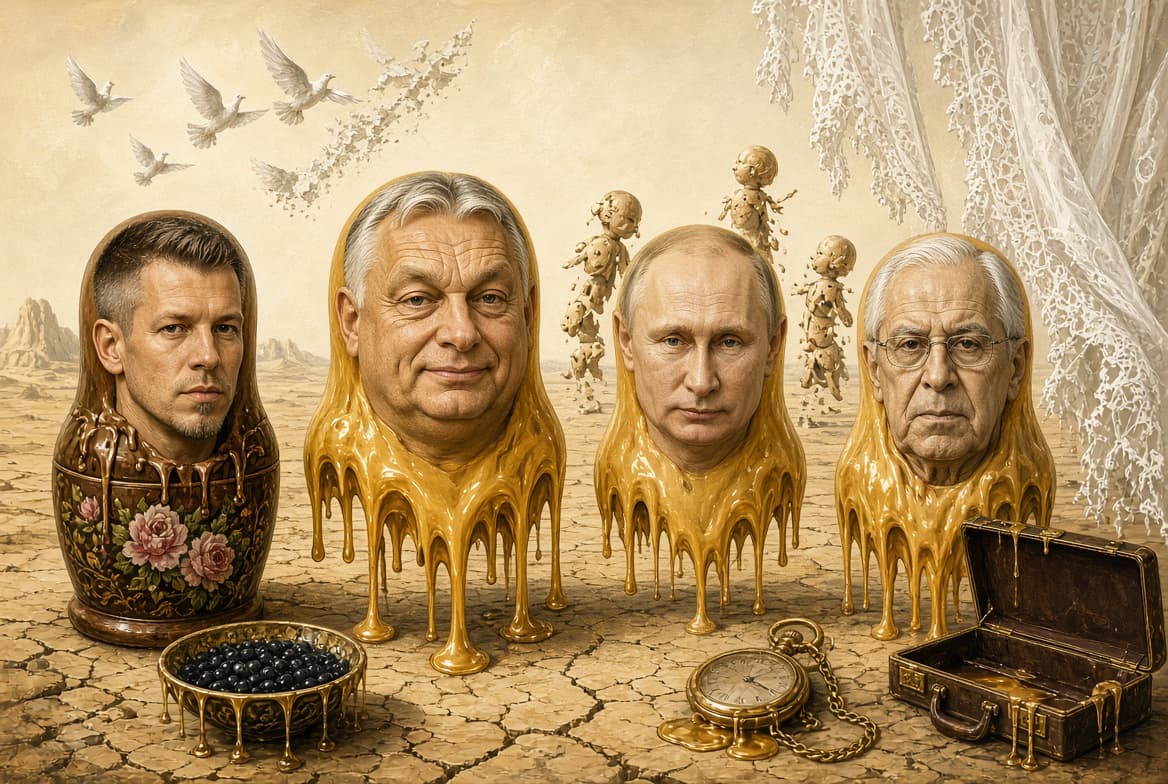
Ruszkik, haza – kivéve, ha oligarchák! Magyar Péter a viktori úton?
Az Európai Unió szeptember 22-én újabb három évvel meghosszabbította a közel háromezer orosz személyt és szervezetet érintő szankciókat, két igencsak ismert milliárdos azonban közben eltűnt a listáról: Aliser Uszmanov és Mihail Fridman. Vitalie Cojocari arra hívja fel a figyelmet, hogy mindkét törlés mögött különös diplomáciai alku húzódik.
Hunor kormányformulája: minden, csak magyar érdek nem
Az erdélyiek főnöke ma a Facebook-oldalán tájékoztatta az őt megválasztó erdélyi magyarokat arról, hogy Siegfried Mureșan ismertette a Szövetséggel a kormányprogramját, amelyről Kelemen Hunor úgy ítélte meg, hogy „támogatható”. Hogy miért? Nos, ez nem igazán derül ki, mert a nagy általánosságokon túl semmiféle magyar érdek nem szerepelt a tárgyalási pontok között.
Szele Tamás: Irán mesterterve
Sose feledjük Helmuth von Moltke híres tételét, mely szerint nincs haditerv, amely túlélné az ellenséggel való első harcérintkezést.
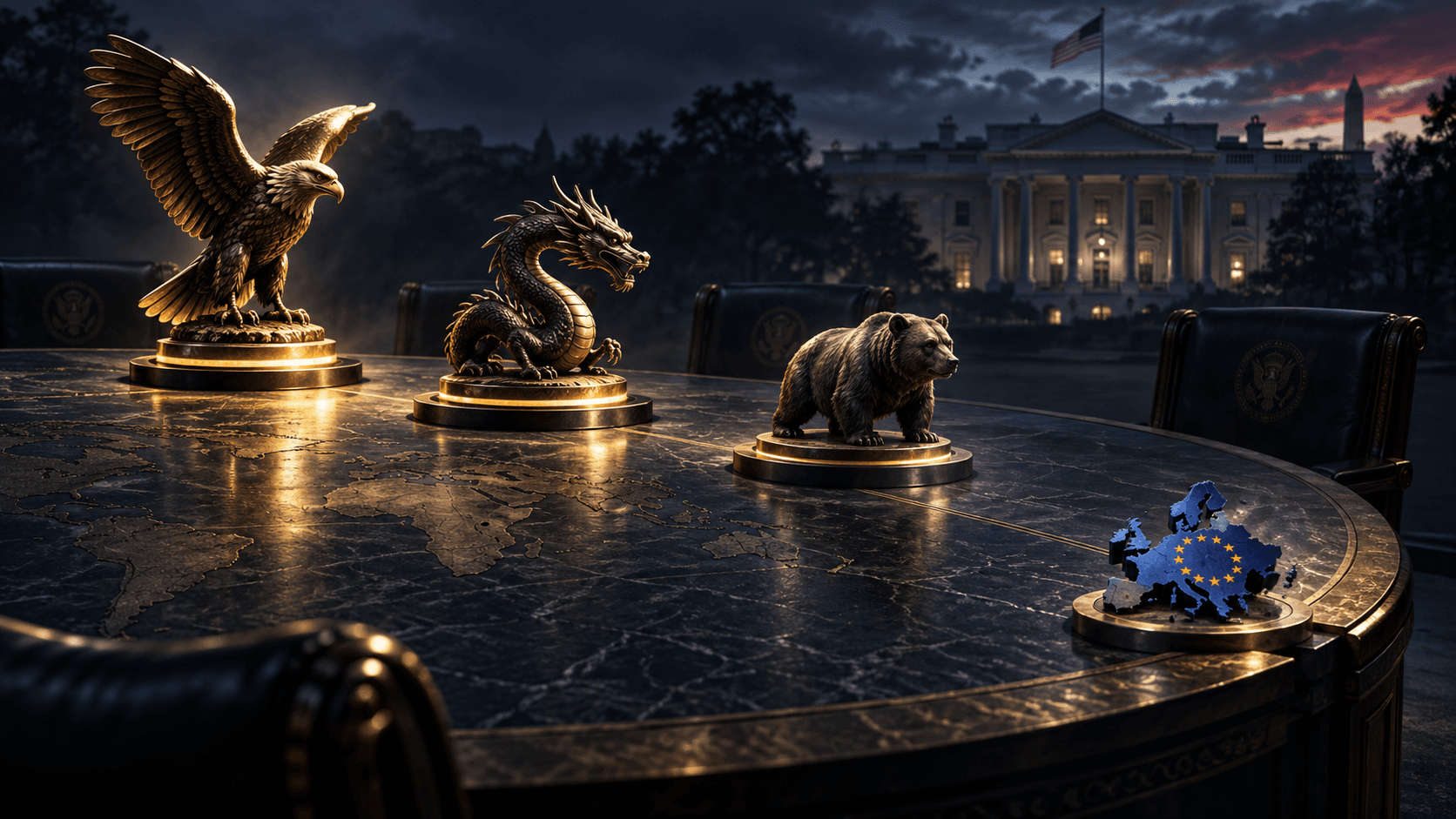
Washington kimondta: Európa csak a negyedik az Egyesült Államok stratégiai fontossági sorrendjében
Az Egyesült Államok saját területének védelmét, a nyugati féltekét és a csendes-óceáni térséget is fontosabbnak tartja Európánál – jelentette ki Matthew Whitaker amerikai NATO-nagykövet. A diplomata szerint ez nem jelenti Európa elhagyását, Washington azonban azt várja az európai szövetségesektől, hogy nagyobb részt vállaljanak saját kontinensük védelméből.
Az OpenAI MI-vel védi Ukrajna kórházait és erőműveit az orosz kibertámadásoktól
Ingyenesen hozzáférhetővé teszi Ukrajna kormánya számára a Daybreak nevű, mesterséges intelligenciára épülő kibervédelmi rendszerét az OpenAI. A technológiát elsősorban a polgári kritikus infrastruktúra, köztük a kórházak, erőművek, energiahálózatok és állami informatikai rendszerek védelmére használják majd.