The Georgescu octopus: no Russian connection here, just a bit of Dugin
Călin Georgescu's supporters have been trumpeting on TikTok since yesterday that the DIICOT case is a fabrication, that the million-euro fraud is the "system's" revenge, and that Russia has nothing to do with any of it. Of course it doesn't. Except that, according to the prosecution, the money traveled to the accomplices' accounts through a bank in Russian hands. And except that the man who introduced the defrauded businessman to Georgescu had, back in 2014, guided Alexander Dugin, the chief ideologue of Putin's imperial dreams, around Romania.
Citing official sources, G4Media wrote on Tuesday that Ion Negoescu, a former Interior Ministry officer who is now an honorary priest, took part as an organizer in Dugin's visit to Romania between June 23 and 25, 2014. Negoescu is the man who introduced businessman Răzvan Leu to Georgescu, and whom DIICOT questioned as a witness in the fraud case. According to documents, the first complaint filed by Leu in 2022 was also made at his initiative — and Georgescu's name did not appear in it at all.
The details speak for themselves. Negoescu, who at the time was still an Interior Ministry employee, according to sources provided cars for Dugin's use that were escorted by a motorcycle bearing the markings of the Bucharest Local Police — he was on good terms with the local police chief at the time, Ion Țincu. Negoescu drove Dugin in his own car to Curtea de Argeș, the resting place of Romania's kings, and to the same Argeș County he himself comes from, and where Georgescu's family also settled. During the visit, Dugin also visited several monasteries, and in Bucharest he met with Mircea Popa, founder of the Romania–Russia Foundation, Eugen Grigore Mihăescu, Romania's former ambassador to UNESCO, and Călin Mihăescu, initiator of the "Eurasia Movement" in Romania. According to sources, it is not out of the question that Negoescu was also present at this meeting.
The timing is not incidental either. The visit took place barely three months after Russia annexed Crimea in March 2014, while the war stoked by Moscow was already raging in eastern Ukraine. At that time, a Romanian Interior Ministry officer was driving around, with a police escort, the ideologue of Russian expansion. Dugin is the author of Eurasianism and the theory of the "Third Rome," in which Romania too falls within Russia's sphere of influence. In December 2024 he wrote on X: "Moldova will soon be part of Romania, but Romania will be part of Russia." The same man called Georgescu a "patriot" and a "true Romanian" right after he won the first round of the later annulled presidential election, and in May 2025 he portrayed George Simion as a victim. Dugin regularly threatens the West with "a very big and serious war" and with nuclear weapons.
Negoescu is a witness in the fraud case, not a suspect, and guiding someone around in 2014 is not in itself a crime. But the picture increasingly looks like more than a series of coincidences. There is a fraud whose money, according to DIICOT, flowed through a bank in Russian hands; a defendant who, according to wiretaps, received "feedback" on his own file and believed his case was "dormant"; a case that gathered dust in prosecutors' drawers for four years; a judge who released him; and a former Interior Ministry official who knew the victim, the defendant, and Putin's ideologue all at once. That is how thin the line is between Romania's deep state and Russian influence.
Of course, the TikTok faithful see in all this only that the "system" is persecuting the savior of the nation. That behind the savior a network emerges, one thread of which leads to Dugin and another to a bank in Russian hands, does not bother them. In these circles, sovereignty means that Romania should not listen to Brussels — but as for who it should listen to instead, Dugin already made that clear back in 2014, riding with a police escort in the car of a Romanian Interior Ministry official.
Opinion
Tetszett a cikk?
Támogassa a munkánkat egy kis adománnyal
Biztonságos fizetés Stripe-on keresztül • Min. 2 EUR
Gesta-ajánló:
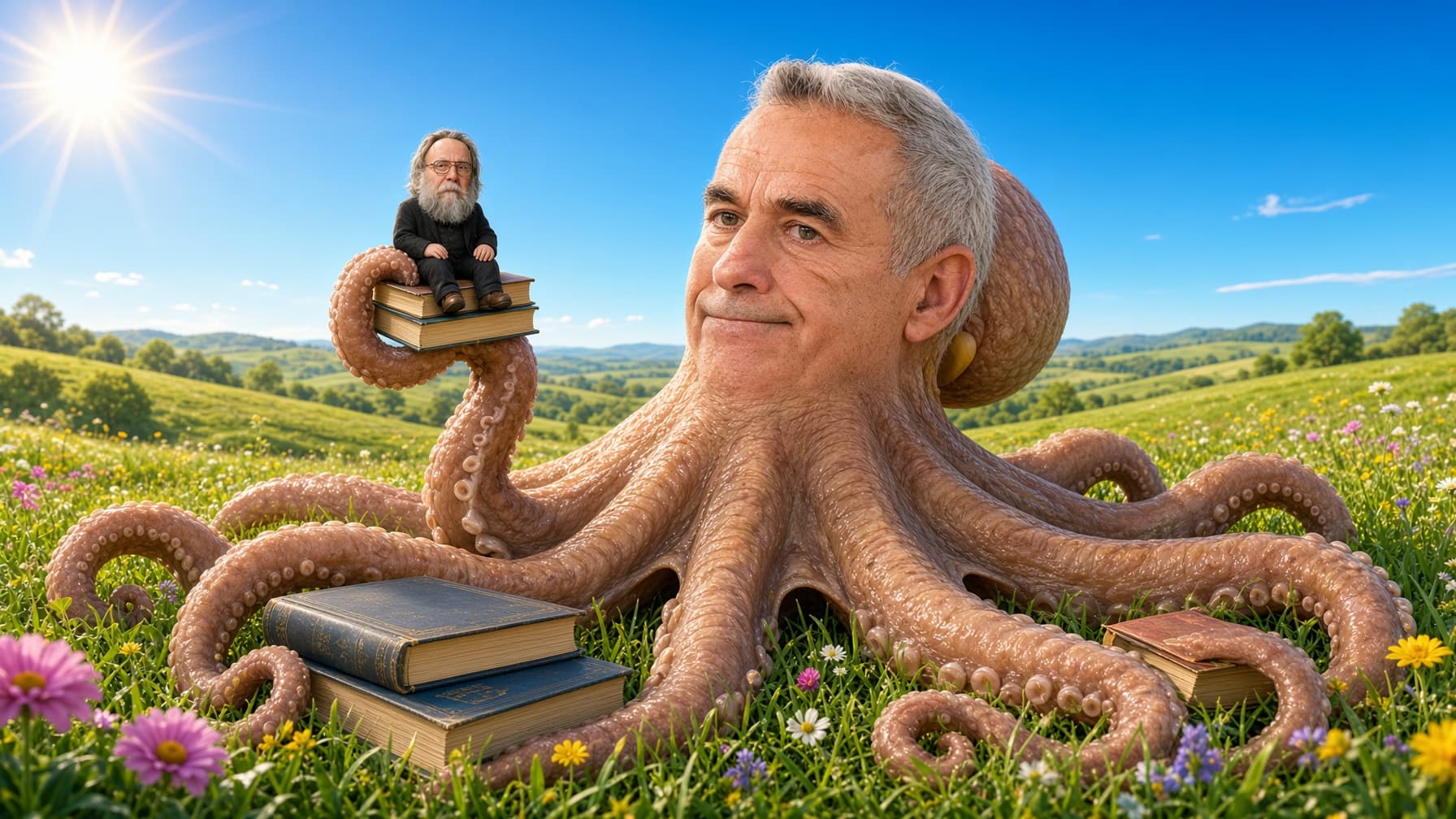
A Georgescu-polip: nincs itt semmi orosz szál, csak egy kis Dugin
Călin Georgescu hívei tegnap óta azt harsogják a TikTokon, hogy a DIICOT ügye koholmány, az egymillió eurós csalás a „rendszer" bosszúja, Oroszországnak pedig semmi köze az egészhez. Hát persze, hogy semmi. Legfeljebb annyi, hogy a pénz az ügyészség szerint egy orosz kézben lévő bankon keresztül vándorolt a bűntársak számláira. Meg annyi, hogy az ember, aki a megkárosított üzletembert…
Hackerek törték fel a hackereket: a ShinyHunters átvette az orosz cl0p sötét webes oldalát
A világ egyik legismertebb kiberbűnözői csoportja, a ShinyHunters vasárnap azt állította, hogy átvette az irányítást fő riválisa, az orosz nyelvű cl0p sötét webes (dark web) oldala fölött. A lépés nyilvánosság elé hozta a két banda közötti régóta húzódó viszályt – írta a Reuters.
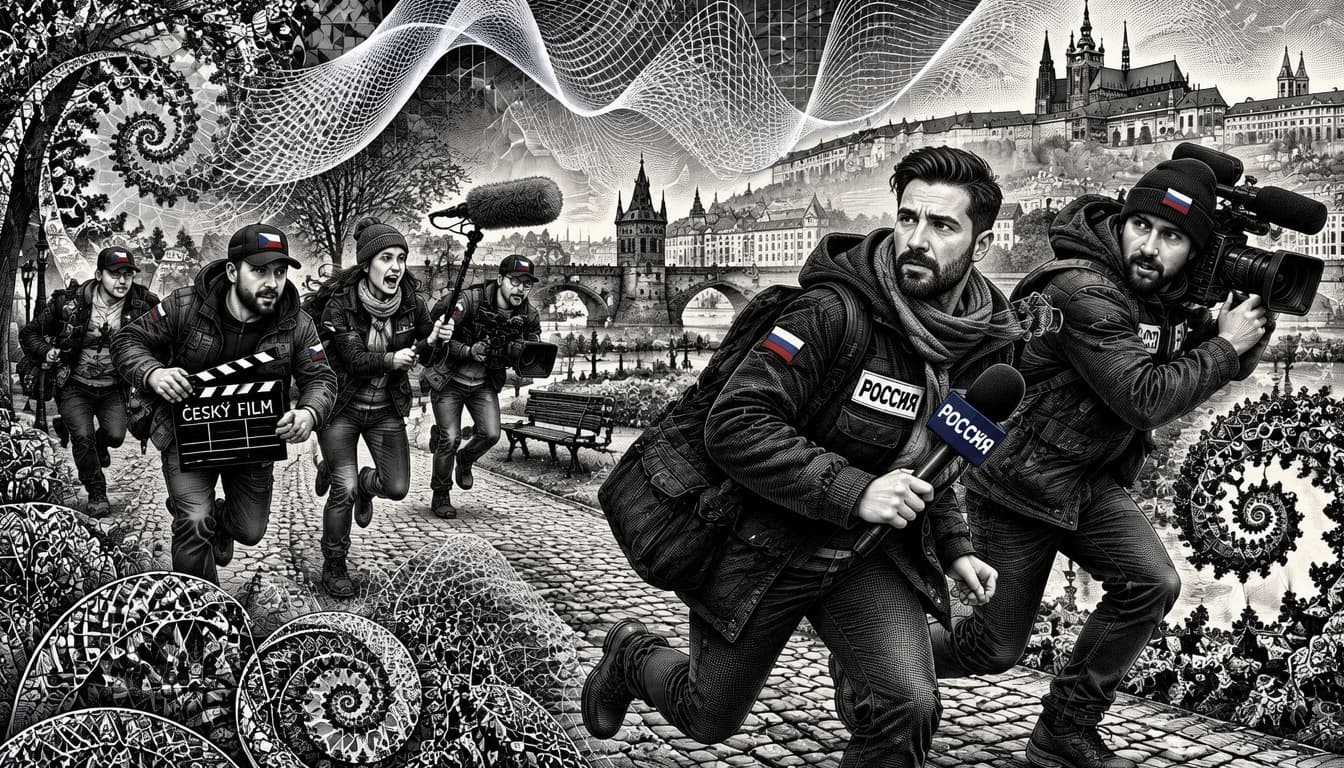
Szele Tamás: A menekülő forgatócsoport esete
Valamikori, nagyon kedves, sajnos már megboldogult főszerkesztőnőm egyik legtöbbet hangoztatott mondása jut eszembe, akkor szokta elővenni, ha valami borzalmas hibát látott egyik-másik sajtó(vég)termékben: „Ez valaha egy szakma volt...”
Nulla kockázat, száznál több ország: így építené fel a Revolut a globális bankot
Nik Storonsky, a Revolut alapítója és vezérigazgatója a Financial Timesnak adott hétfői interjújában felvázolta, milyen globális bankot szeretne építeni. A modell lényege, hogy a cég a betéteknek csak töredékét helyezné ki hitel formájában, így Storonsky szavaival „gyakorlatilag nulla kockázatot" vállal. A terv abban az időszakban kerül nyilvánosság elé, amikor a londoni fintechcég sorra szerzi…
Három éves szankció-hosszabbítás, de Magyarország támogatásával lekerült a listáról Fridman és Uszmanov
Az Európai Unió tagállamai kedden három évre meghosszabbították a csaknem háromezer orosz magánszemélyt és szervezetet érintő egyéni szankciókat, a listáról azonban lekerült két, Moszkvához közel állónak tartott milliárdos: Aliser Uszmanov orosz-üzbég üzletember és Mihail Fridman orosz oligarcha. A megállapodás csak az utolsó pillanatban született meg, miután Lettország hétfő este még megvétózta…