
The Kremlin says no: Moscow doesn't want a new Ukrainian president, it wants war
The Kremlin on Monday rejected an offer from Ukrainian President Volodymyr Zelensky, who proposed a full sixty-day ceasefire so that a presidential election could be held in Ukraine. According to a report by the Russian news portal RBC, Zelensky said on Sunday: tell Putin to give two months, a full sixty-day ceasefire, and Ukraine will hold elections — to which Dmitry Peskov, the Kremlin's spokesman, replied the next day that Putin and other Russian leaders have repeatedly said that they do not want a ceasefire, that Moscow wants a lasting peace, and that it is doing everything to achieve it. The offer was made all the more pointed by the fact that Russia has for years argued precisely that Zelensky is an illegitimate leader whose mandate has expired, and with whom no substantive agreement can therefore be reached. Ukrainian law bans elections under martial law, which, in a country where missiles rain down on homes every day, is not a legal loophole but simply common sense.
Zelensky's offer is hardly understandable without Donald Trump's remark last week. The American president said it was time for Ukraine to have a new president, and blamed the Ukrainian leader for the rise in US fuel prices, even though those prices had jumped as a result of the Iran war he himself had launched. Zelensky responded at the time by saying that Ukrainians choose their own leader, but over the weekend he effectively took up the challenge: if the world wants an election, Ukraine is ready to hold one — the bombing just has to stop first. This put the ball in Moscow's court, where, as could be expected, it immediately got stuck.
The Kremlin's response is telling in itself. For months, Moscow has simultaneously demanded that Ukraine hold an election and rejected every kind of ceasefire that would even make that possible. In the Kremlin's vocabulary, "lasting peace" typically means that Ukraine should give up the occupied territories, its allies and its own defense — and the Russian leadership is unwilling to risk this even with a temporary ceasefire. All this comes, moreover, just as Trump announced an "energy ceasefire" between the Russian and Ukrainian sides, which he said Zelensky supported, although no one yet knows the details — and after the Russian attacks of recent days, including thirty deaths on Putin's birthday and the guided aerial bombs dropped on Zaporizhzhia, the credibility of the Kremlin's words has already been priced in fairly accurately by its actions. The same happened with Trump's grand announcement of an energy ceasefire: this morning Putin fired missiles at a power plant in Kharkiv.
Madness
Did you like this article?
Support our work with a small donation
Secure payment via Stripe • Min. 2 EUR
Gesta recommendations:

Russia has won, and it's time we finally understood this
Yes, that's how it is: Russia and Putin have won. Not on the front, where after four and a half years it still has not managed to break Ukraine, and where it has cost the Kremlin roughly one and a half million soldiers killed and wounded just to plant its flag over a few ruined towns. Moscow has not won the war of tanks. But the war it is waging not against Ukraine but against Europe and the West…
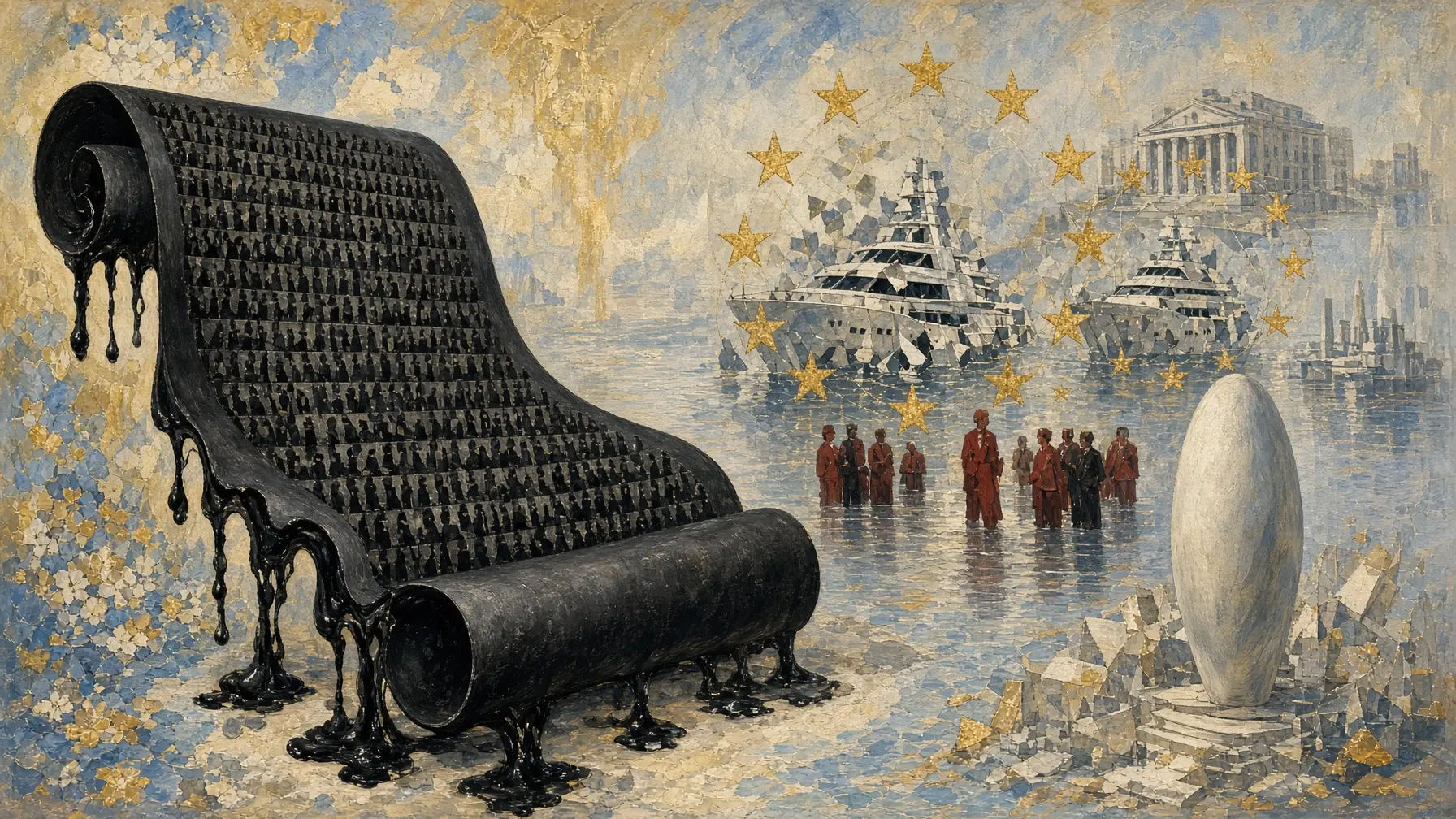
Sixteen hundred names on the blacklist: what does the EU's largest-ever sanctions decision against Russia contain?
On October 12, in Luxembourg, the foreign ministers of the European Union's member states added nearly 1,600 Russian individuals and companies to the sanctions list. This is the largest single expansion since the war began, and it targets participants in Russia's military industry, particularly the production chains for drones and ballistic missiles. Kaja Kallas, the EU's High Representative for…
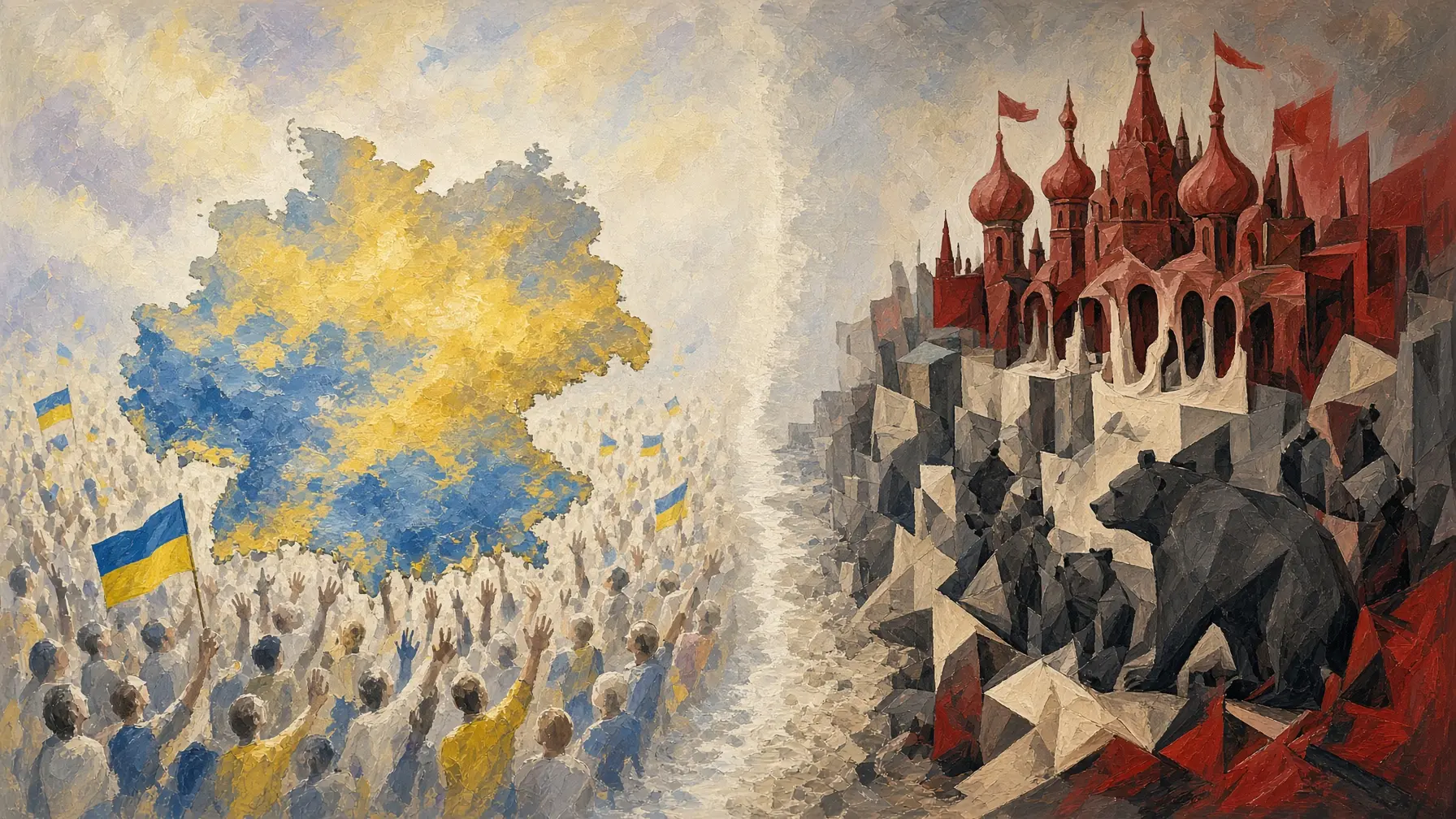
Majority of Germans back Ukraine, AfD camp backs Moscow
Nearly two-thirds of Germans would maintain or increase European countries' military support for Ukraine, according to Germany's public broadcaster ZDF's latest Politbarometer survey. According to the poll by Forschungsgruppe Wahlen, 30 percent of respondents want stronger military support, 33 percent favor keeping the current level, and another 33 percent would reduce arms deliveries. ZDF…
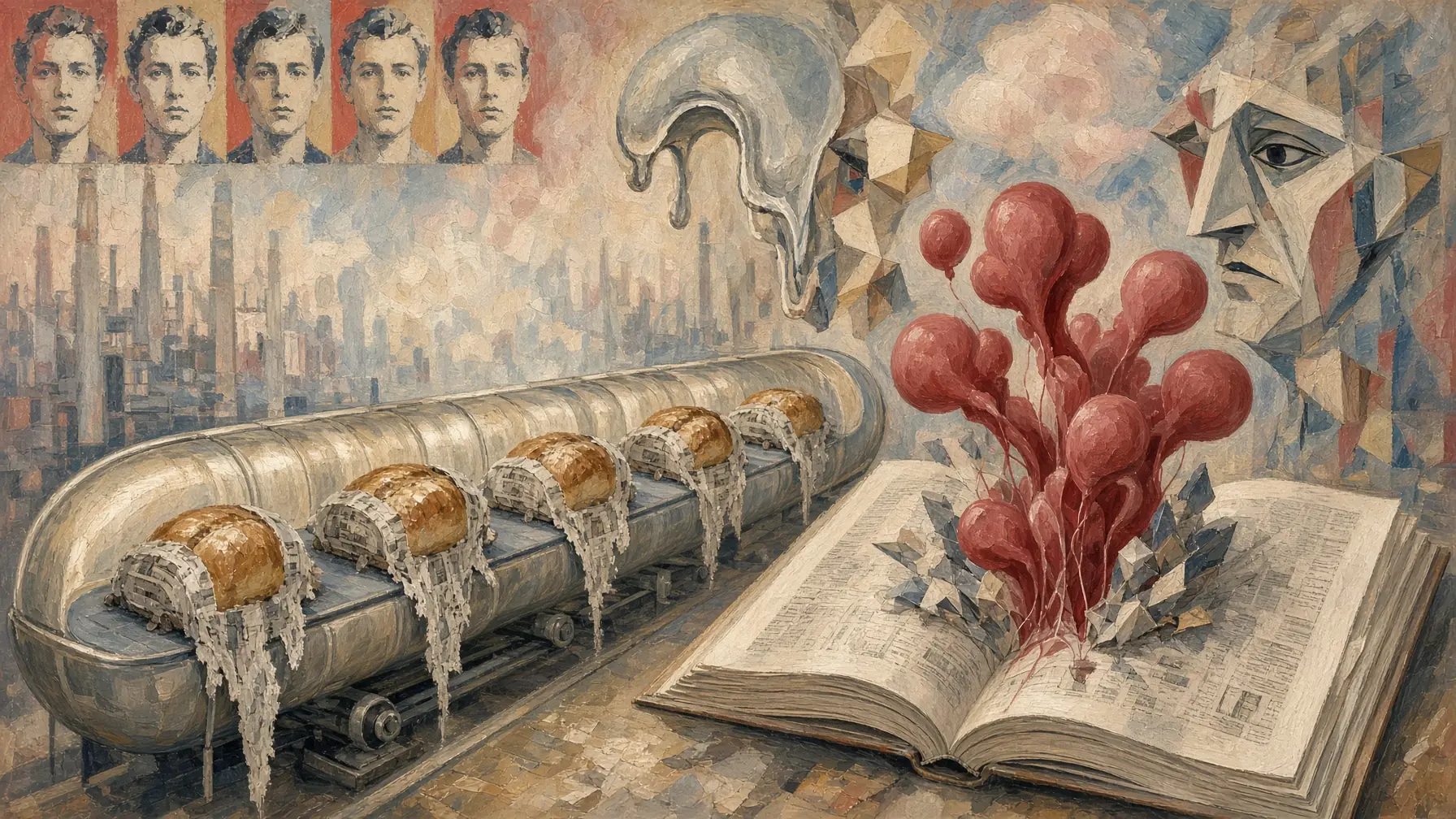
Fresh, hot off the press and sufficiently stupid: this is what a textbook Russian fake news story looks like
A genuine, unadulterated Russian fake news story has arrived — fresh, hot off the press, and just stupid enough to be worth sharing with our readers. Citing information from an unnamed woman serving in the Russian armed forces — how fortunate that in Romanian the word for soldier also carries gender, otherwise we wouldn't even know that much about the source — Russian channels report that Kyiv is…
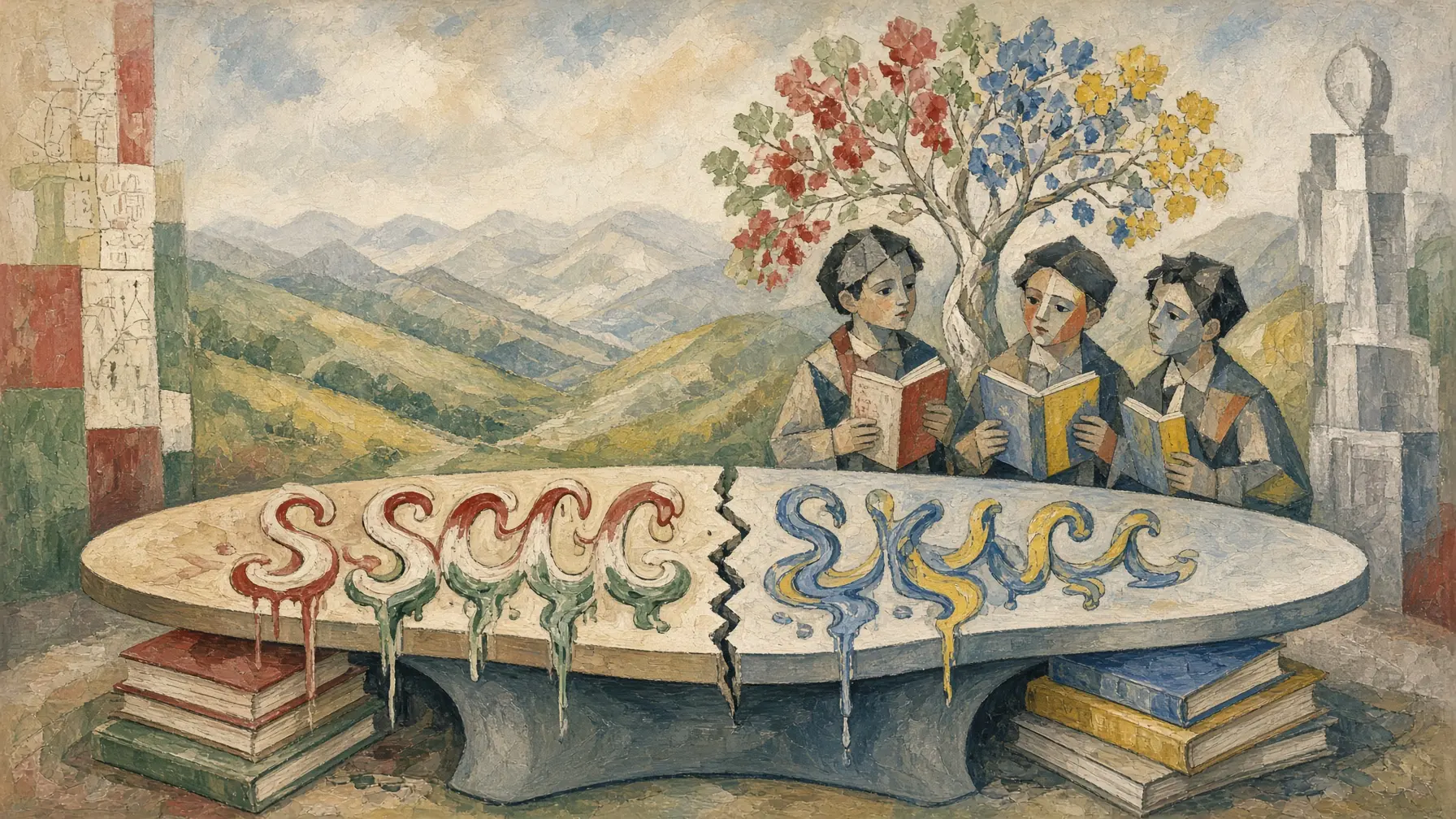
After two decades of a language war: what does Ukraine's minority education law mean for ethnic Hungarians in Transcarpathia?
On October 12, the Ukrainian parliament, the Verkhovna Rada, passed law no. 16119, which guarantees the educational rights of national minorities and indigenous peoples. According to reports by UNIAN and Ukrinform, 266 lawmakers supported the bill, even though a majority of the constitutional 450 seats – that is, 226 votes – would have been enough for it to pass. Because of the war and the…