The planet is warming, the oil business remains: the climate agreement failed in Antalya
After two weeks of negotiations and almost two days of extension, delegates from nearly two hundred countries at the Antalya climate summit reached the point of failing to adopt the conference's most important agreement, because its final draft left out precisely the shift away from fossil fuels - the talks on the climate crisis thus foundered on the fact that some of the participants were unwilling even to name the crisis's main cause.
The European Union, the United Kingdom and several developing countries deemed unacceptable the Antalya Pact, intended as the main document of COP31, which concluded on November 22, because the text failed to provide an adequate response to curbing the use of fossil energy. More than one hundred thirty countries wanted the agreement to carry forward the commitment made at the 2023 Dubai summit to move energy systems away from fossil fuels, but resistance from major producers, above all Saudi Arabia, once again showed how difficult it is to agree on cutting consumption with those who derive their revenues from sustaining it. At the center of the dispute were technologies for carbon capture, use and storage, which Riyadh backed on behalf of the Arab League, while the African group of countries, China and Pakistan also did not object to the compromise. Such technologies may have a role in managing certain emissions, but critics say the Antalya wording would rather have granted a license for further expansion of fossil fuel production than imposed a clear obligation to reduce it.
Presenting the EU's position, Irish Environment Minister Darragh O'Brien objected that the draft did not even mention fossil fuels, even though they are one of the main drivers of climate change. Panama and the Marshall Islands also rejected the text, and Tuvalu's representative essentially felt as though the entire conference had been about persuading the Saudis, which, from the perspective of an island nation threatened by rising sea levels, is hardly just a diplomatic inconvenience. The conference's Australian co-chair, Chris Bowen, said he hadn't slept in three days and was deeply disappointed by the deadlock over fossil fuels and financing, while Mohamed Adow, director of Power Shift Africa, described the talks as the worst climate summit ever. Adow did not spare the Europeans either, arguing that it is hard to credibly demand that others phase out fossil fuels while there is also political will to expand one's own production; former Irish President Mary Robinson, for her part, said she missed seeing participants act with urgency commensurate with the scale of the danger.
The United States' official delegation did not even wish to contribute personally to this failure, as the Trump administration has now stayed away from UN climate conferences for a second year. White House spokeswoman Taylor Rogers mocked climate policy by invoking common sense, while in Antalya the America Is All In coalition, with around one hundred twenty governors, mayors, lawmakers and other figures, tried to signal that America is not entirely synonymous with Donald Trump. The participation of Governors Gavin Newsom and Tim Walz, along with the promise of a future American return, gave participants something to hold on to, but that alone is not enough to restore trust, since the world has already once been told that Trump's first presidency was just a one-time aberration; selling the same reassurance a second time is considerably harder, especially for countries whose survival cannot be squeezed into the back-and-forth swings of American election cycles.
The conference did not end entirely without results, so it is worth seeing precisely what failed and what survived. The work program on just transition, for instance, was extended, a decision was also made on further developing indicators for measuring adaptation, while separate initiatives aimed at expanding geothermal energy, cleaner freight transport and accelerating electrification continued. These, however, should not be confused with the comprehensive climate agreement to be adopted by all states parties: disputes also remained over the 35 percent electrification target set for 2035, while the renewal of the emissions-reduction work program was blocked by resistance from Russia and Saudi Arabia. The political balance sheet is nonetheless damning, because the world's leaders showed institutional paralysis in the face of a danger whose long-term consequences could transform the livability, food supply and security of entire regions. The devastation of wars and of climate change should not be pitted against one another, but it should all the more be recognized that water shortages, crop failures and increasingly uninhabitable environments can themselves lay the groundwork for new conflicts, while the leaders responsible for addressing them are still haggling over which word they dare put into a document.
With such glaring paralysis, it is hardly surprising that voices demanding extreme responses are growing louder, with some even arriving at lines of reasoning that try to justify violence, including acts of terrorism, although this makes violence neither acceptable nor an effective solution. It is precisely the responsibility of decision-makers that institutions incapable of action also erode faith in democratic solutions, and then the very leaders who for years asked everyone to patiently wait for the next summit are the most surprised by the resulting anger. The next stop will be Addis Ababa in 2027, where most of the major disputes have now been shifted, while global warming is hardly likely to wait for negotiating delegations to find a date that suits everyone.
Ugar
V-a plăcut articolul?
Susțineți munca noastră cu o donație mică
Plată securizată prin Stripe • Min. 2 EUR
Recomandări Gesta:
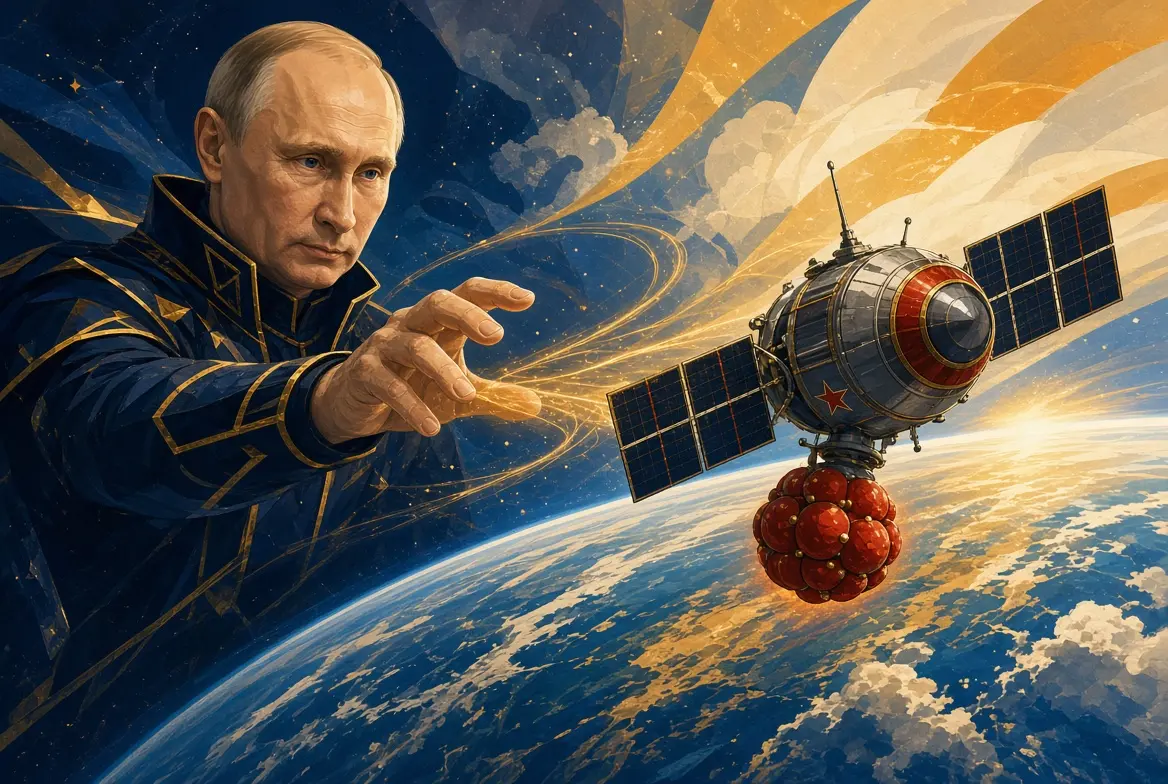
Putin ar lua ostatic și cerul: Rusia pregătește un satelit purtător de armă nucleară
Kremlinului nu-i mai este suficientă, pare-se, suprafața Pământului pentru a-și găsi o pârghie de șantaj de dimensiuni adecvate: potrivit unor informații din presa germană, serviciile de informații occidentale avertizează aliații că Rusia ar putea pune pe orbită, chiar în acest an, un satelit purtător de încărcătură nucleară. Dispozitivul, numit Sputnik-S, ar fi deja finalizat și ar aștepta în…
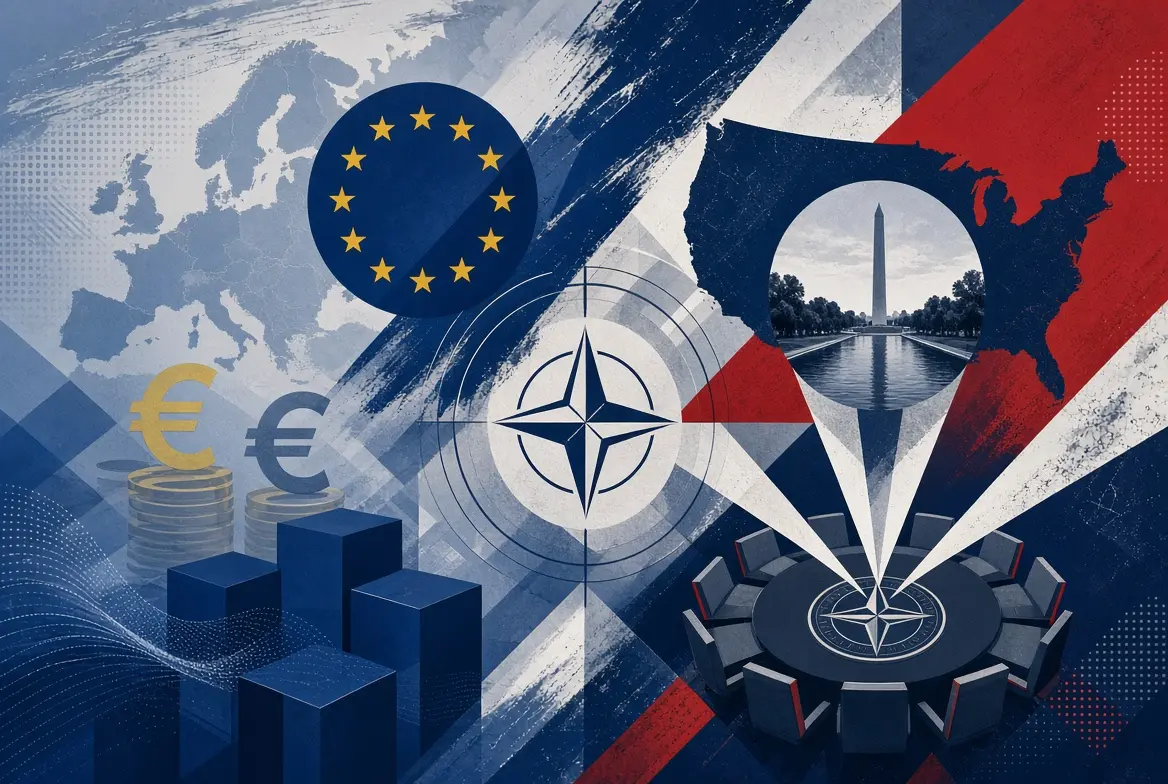
NATO 3.0: Europa să plătească, iar Washingtonul va decide la ce ne putem aștepta
Retragerea americană nu se arată, pentru moment, sub forma în care ultimul soldat se îmbarcă în avion și se stinge lumina în bază, ci sub forma în care Europa știe tot mai puțin la ce se poate aștepta de la Washington, în timp ce aude tot mai clar cât ar trebui să plătească. Elbridge Colby, subsecretarul de stat al Pentagonului responsabil de politica de apărare, a transmis din noucă europenii…

Iată cele șase criterii pe baza cărora vor fi comasate și localitățile cu populație maghiară
De la numărul locuitorilor, prin distanța până la cea mai apropiată farmacie, până la veniturile fiscale, pe baza a șase criterii PSD ar evalua ce comune din România ar fi oportun să fie comasate și ce noi unități administrative ar putea funcționa în locul celor actuale. Dragoș Benea, care conduce grupul de lucru al partidului pentru reformă, a prezentat luni, 23 noiembrie, ideea în Comisia…

Ucraina ar evacua 15 localități, pentru care cere ajutor american
După operațiunea umanitară desfășurată la Oleșki la finalul lunii octombrie, Ucraina a cerut medierea Statelor Unite pentru evacuarea locuitorilor din alte cincisprezece localități aflate sub ocupație rusă. Potrivit lui Volodimir Zelenski, lista localităților din regiunile Herson și Zaporojie este în curs de precizare, pe măsură ce se evaluează numărul și starea persoanelor rămase acolo, însă…
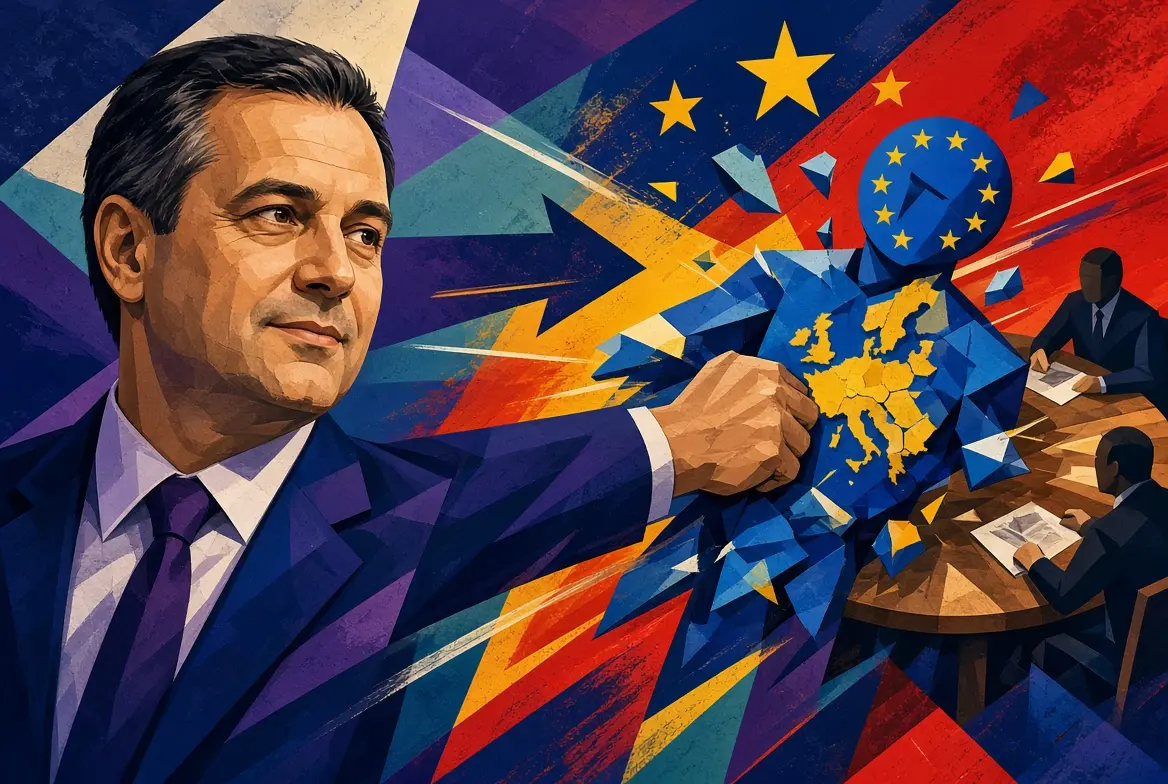
Fifor și-a dat seama că Europa riscă să fie exclusă din negocierile privind propriul destin
Europa a crezut prea mult timp că capacitatea de a elabora reguli înseamnă în sine putere, iar acum constată că, în privința celor mai importante aspecte ale propriei securități, depinde în continuare de Washington – avertizează Mihai Fifor, fost ministru al apărării din România. Potrivit politicianului PSD, naționalismul populist și căile separate ale statelor membre slăbesc și mai mult acțiunea…