
Alaska too turns away from the Republicans: not even three of them could stop the Democrat
For the first time in twenty-eight years, Alaska has elected a Democratic politician as governor: the 37-year-old Jonathan Kreiss-Tomkins defeated three Republican rivals, including one backed by Donald Trump. The youngest governor in the state's history campaigned on lowering the cost of living, fixing the funding of public schools, and a promise of cooperation across party lines, and won the support of Alaska's Republican senator, Lisa Murkowski.
Another Republican governorship has gone to the Democrats in the November 3 U.S. midterm elections: the Associated Press declared Jonathan Kreiss-Tomkins the winner in Alaska, where counting continued for days after the vote due to the tallying of mail-in ballots and votes cast in remote communities. The politician, who hails from Sitka and previously worked in the state legislature, succeeds Republican Mike Dunleavy, who was barred from running again after two terms. The last time a Democratic candidate won a gubernatorial race here was in 1998, when Tony Knowles secured his second term and remained in office until 2002.
What's more, based on the results so far, Kreiss-Tomkins's victory does not appear to need the second chance offered by the electoral system. In Alaska, voters can rank the candidates, and if no one wins a majority of first-place votes, the weakest performer is eliminated and their votes are redistributed according to voters' further rankings. However, in the tally released on the evening of November 12, the Democratic candidate had already crossed the fifty percent threshold, meaning that if this proportion holds, deciding the gubernatorial race will not require taking further preferences into account.
His closest rival, Trump-backed businesswoman Bernadette Wilson, stood at 28.7 percent in the same tally, while Anchorage's former mayor, Dave Bronson, received 13.7 percent, and the state's former attorney general, Treg Taylor, got 7.3 percent. Trump's endorsement thus proved insufficient this time, and it did not help the Republicans that they surrounded the sole Democrat with three candidates: Kreiss-Tomkins secured a majority on his own from the first-preference votes counted so far. Wilson and Bronson both conceded defeat on November 13. Bronson congratulated the governor-elect, while Wilson said that although their visions for Alaska's future differ sharply, she is glad that a native of the state will lead it, and she does not doubt that Alaska's fate matters to Kreiss-Tomkins. Official certification of the result, however, is still pending; the election authority has set November 25 as the planned date for this.
The winner built his campaign around problems that hardly need much explaining to Alaskans. The already high costs of food, fuel and housing rose further, while the operation of schools was squeezed simultaneously by rising prices and insufficient state funding. Kreiss-Tomkins promised to ease the cost of living, to properly fund public schools, and to regulate the construction of data centers; regarding the latter, he called for suspending new investments until the legislature adopts comprehensive rules. He found supporters for this program beyond his own party as well. Besides Republican Senator Lisa Murkowski, three former governors — one Democrat, one Republican and one independent — also backed him, and he in turn promised an administration made up of Democrats, Republicans and independents. Even after the election, he kept stressing that Alaskans want change and leadership that crosses party lines and focuses on solving problems.
With the Alaska result, the Democrats now hold the governorship in thirty states after the midterm elections, up from twenty-four previously. Kreiss-Tomkins takes office on December 7: Alaska will now see what becomes of the promise of cooperation made by a politician who has already won the trust of a majority of voters against a candidate backed by Trump.
Ugar
Did you like this article?
Support our work with a small donation
Secure payment via Stripe • Min. 2 EUR
Gesta recommendations:
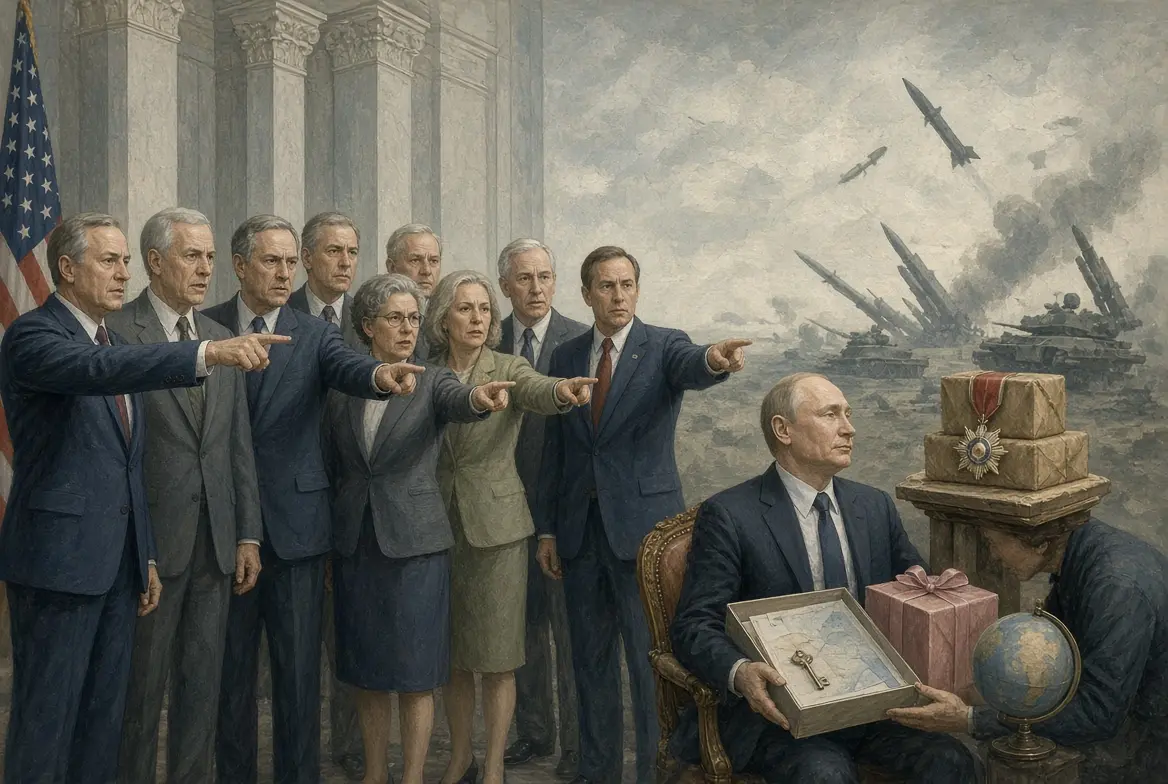
Eight former U.S. ambassadors warn: whoever rewards Putin is preparing the next war
Lasting peace cannot be bought from Putin through territorial concessions and the easing of sanctions, warn eight former U.S. ambassadors, including four former heads of mission in Bucharest. According to them, rewarding aggression would weaken NATO and increase the risk of a broader European war.
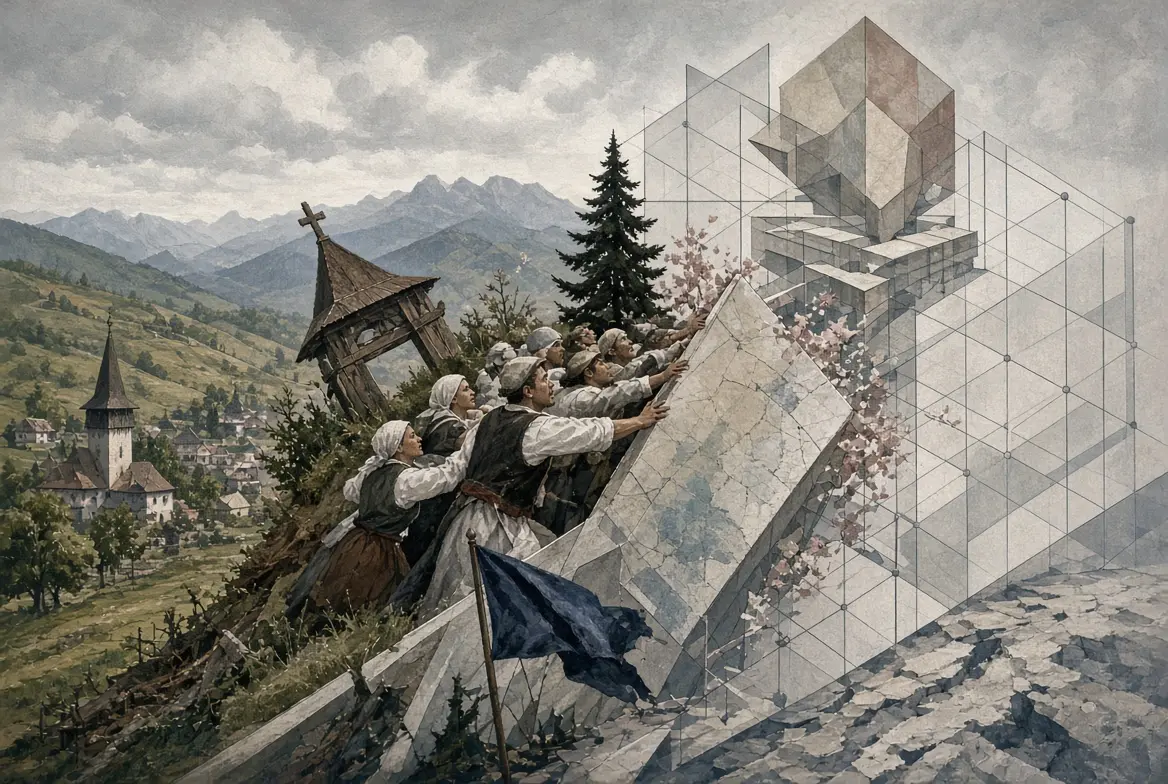
Administrative reform: Maramureș is already rebelling
The PSD has not even agreed on how it would reorganize Romania's counties, yet one of its MPs is already hinting at leaving the party. Lucian Morar refuses to even hear about Maramureș being merged into an administrative unit centered on Cluj-Napoca, and is ready to turn against his own party in defense of his homeland. Whether he has actually already quit over this, or is merely threatening to…

The spy who boasted about bringing down a chancellor – while Europe kept dozing
Jan Marsalek, the fugitive former operations chief of Wirecard, boasted from Moscow that “we successfully brought down” Austrian Chancellor Sebastian Kurz. The network uncovered around him funneled phones belonging to the Interior Ministry to Russia, gathered data on refugees and journalists (it even obtained the home address of Christo Grozev, founder of the renowned investigative outlet…
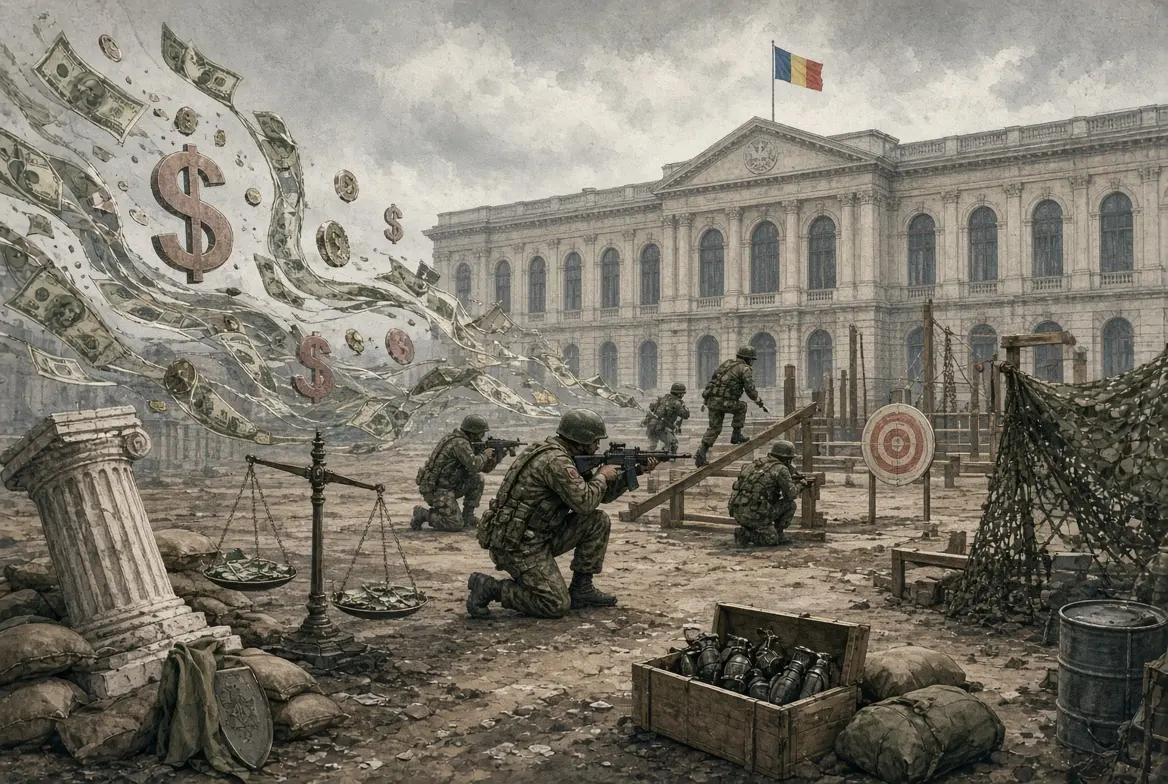
A good idea from Romania: paid military training
Voluntary basic military training could be joined by Romanian citizens — men and women over 18 who have not yet turned 35 by the start of the program and who have not previously served in the military, either as professionals or as reservists. At the end of the training, which would last up to four months, participants would be placed in the army's operational reserve, though those who wished to…

Estonia also says no to the return of Russian athletes
Even though the International Ski Federation would allow Russian and Belarusian athletes to return under a neutral flag, the Estonian government has informed the organization that for as long as the war against Ukraine continues, competitors from the two countries will not be allowed to take part in competitions held in Estonia. According to Tallinn, their participation would run counter to the…