
British government to reveal on Wednesday where the money will come from
Britain's defense industry has been waiting for months for the government to attach funding and deadlines to its defense commitments. According to Prime Minister Andy Burnham's Monday announcement, Chancellor John Healey will show in Wednesday's budget how the already approved force-development plan will be financed, and at what pace the commitments made to NATO through 2035 will be fulfilled.
Burnham told ITV's Good Morning Britain that his government first had to secure full financial backing for the defense investment plan. He said this was what they had been working on recently, since the developments can only be carried out once the money for them is actually in place, and companies and allies will learn the details from the October 28 budget. The Prime Minister, however, did not give a straight answer as to whether military spending would reach 3 percent of GDP by 2030 and 3.5 percent by 2035. He only said that the government would present the timetable it considers best, and that Britain would honor its commitments to NATO. For the defense industry, it is precisely the intervening years that matter most: the distant target figures still do not reveal when the orders will arrive for which manufacturing capacity and labor need to be secured.
It will be especially difficult for Healey to explain if the 3 percent target still comes with no deadline attached. In June, Keir Starmer resigned as defense secretary precisely because he considered military funding insufficient and had pushed for spending to reach that level by 2030. Starmer himself stepped down eleven days later, and his successor, Burnham, appointed Healey as Chancellor in July. Now it is Healey who must find the money he himself had demanded while heading the defense ministry, yet the Treasury has already signaled that his first budget will not set a date for reaching the 3 percent level, with that decision left for next year's multi-year spending plan. The opposition has accused the minister of hypocrisy, and the uncertainty has also reached investors: the combined market value of London-listed defense companies has fallen by around £1.7 billion.
Britain currently spends roughly 2.6 percent of GDP on defense. The government wants to reach 3 percent during the next parliamentary term; the next election must be held by mid-2029 at the latest. That alone, however, still leaves a wide time frame, from which neither the armed forces nor suppliers can tell in which year they can count on how much additional funding. The longer-term commitment was made by NATO member states at the alliance's summit in The Hague last June. Under that agreement, 3.5 percent of GDP must be spent on defense in the narrower sense by 2035, with a further 1.5 percent going to related security tasks such as cyber defense, protection of critical infrastructure and civil preparedness. The much-discussed 5 percent commitment thus consists of these two parts.
On top of that, Healey also has to sort out the financing of already approved developments, since roughly £4.7 billion of spending in the defense investment plan drawn up under the Starmer government was left without funding. That sum must be found in order to carry out the previously announced program, which is why the defense industry is pushing for predictable, gradual increases in spending. Companies want to avoid a situation in which the government pushes the bigger increases beyond 2030 while already expecting them to invest and prepare now. They believe that steady financing would both make Britain's NATO commitment more credible and provide a firmer basis for expanding production.
The Chancellor has to resolve all this within tight fiscal room, since he must find funding for defense while also maintaining the confidence of the bond market that finances the state; analysts therefore also expect tax increases. Wednesday's budget may reveal how much the government can set aside for development now, and how much will be left for decisions in the coming years.
Ugar
Did you like this article?
Support our work with a small donation
Secure payment via Stripe • Min. 2 EUR
Gesta recommendations:

Szeklerland is being redrawn too, and RMDSZ will protect us afterward
And so this moment has arrived too, while the entire Hungarian press quietly accepted that once again we have nothing to say about a political idea that will probably rewrite the relations and everyday life of Transylvanian Hungarians for decades to come. Grindeanu announced the other day that the government would push the territorial-administrative reform through by assuming responsibility…
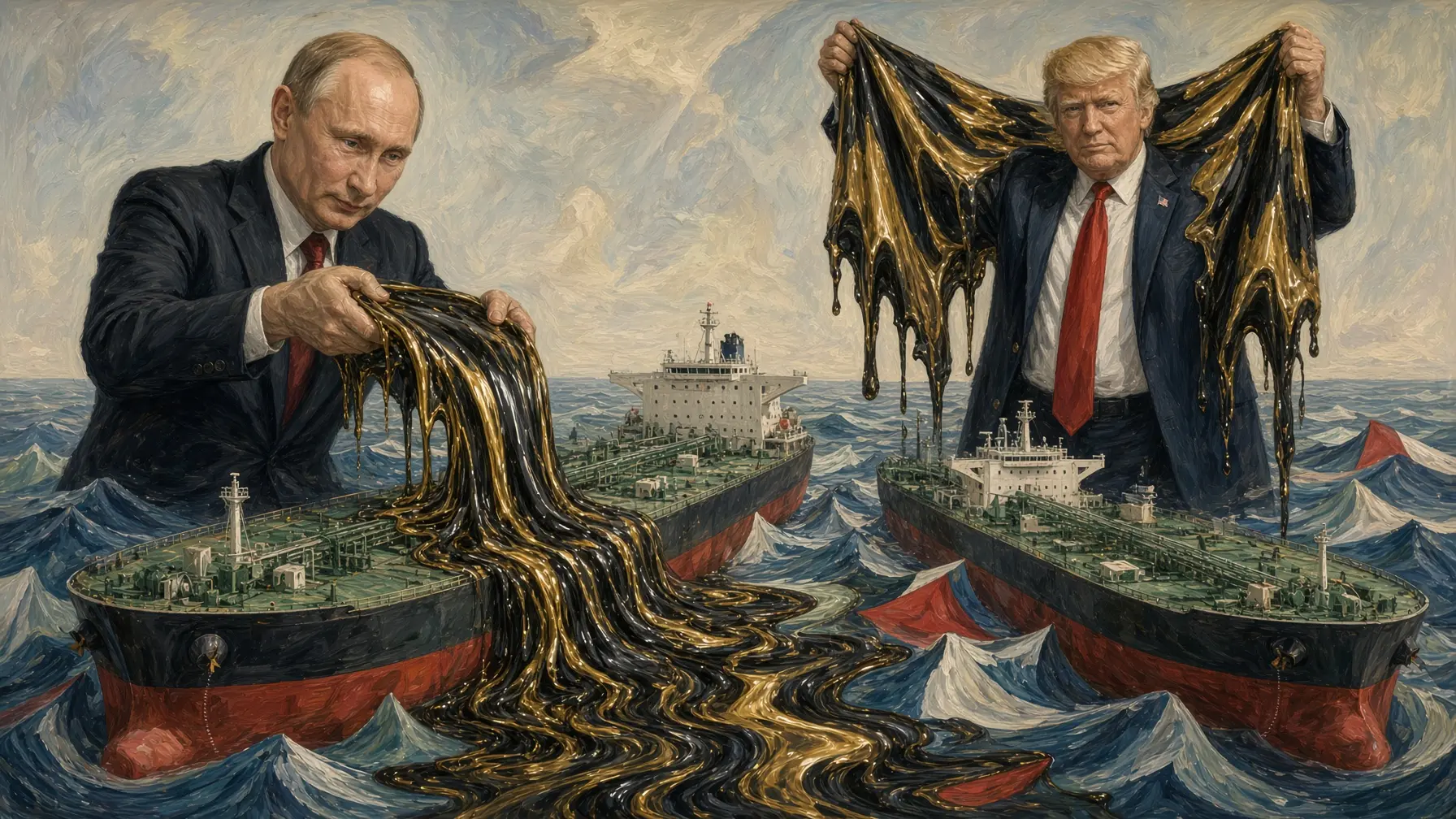
Putin is already sending the diesel, Trump can prepare the victory flag
Behold the floating result of Donald Trump and Vladimir Putin's joint deal: the first tanker has already left Russian territorial waters and is heading for New York, carrying nearly 300,000 barrels of diesel on board. Moscow, of course, isn't wasting any time on discretion — Deputy Prime Minister Alexander Novak announced on Tuesday that three ships are already on their way to the United States,…
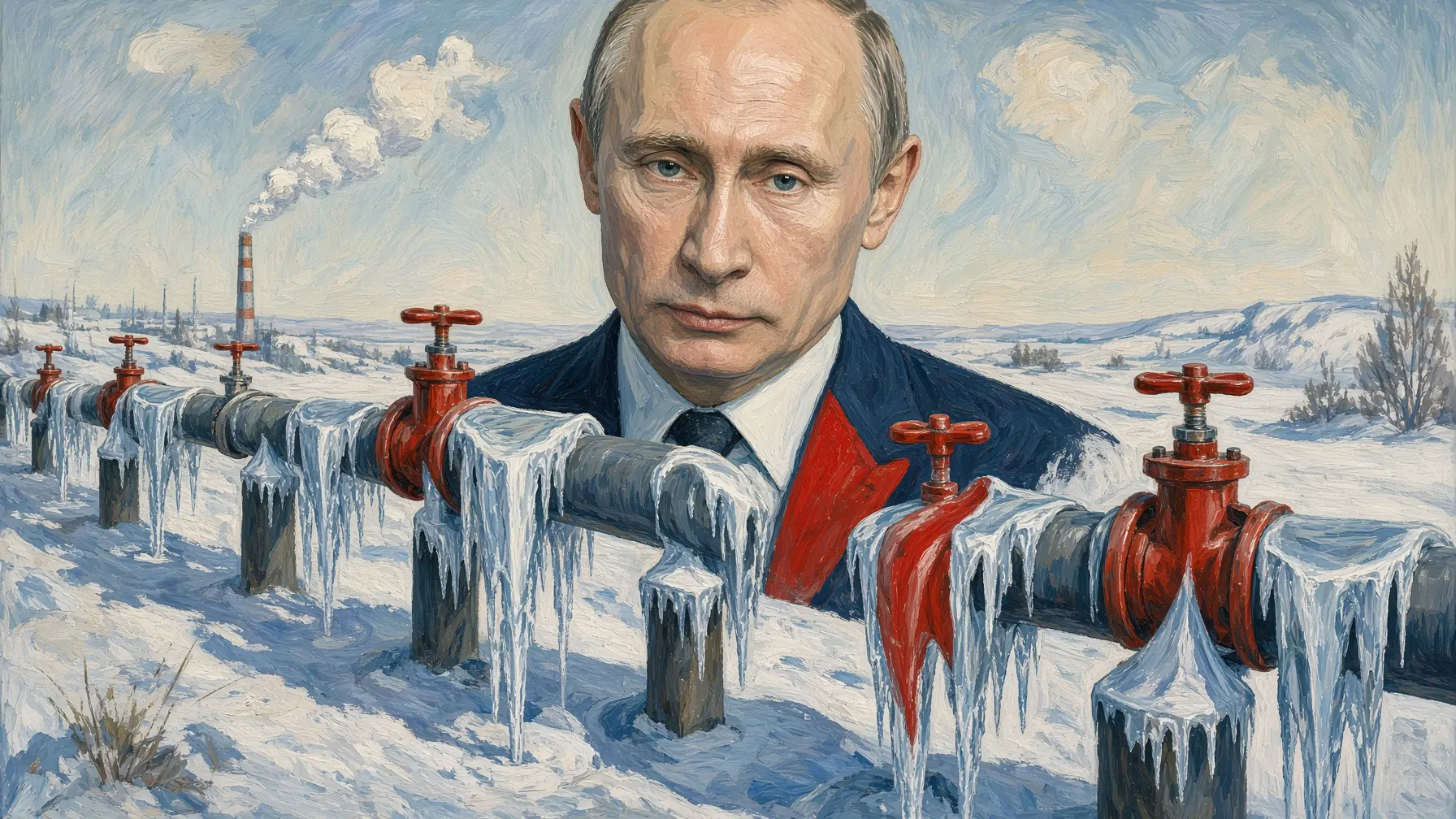
Winter is coming, and Putin feels sorry for us again
Winter is coming, and Putin has pulled out his well-worn weapon of gas-scaremongering, loading it with the usual rounds: Europe will freeze, businesses will go under, families will weep over their heating bills if they still refuse to buy from Moscow. At Tuesday's gas forum in Moscow, the Russian president once again cast a worried eye on the future of European households, since he evidently…

The “Islamic NATO” held talks in Tehran
Leading military and security officials from Saudi Arabia, Pakistan and Turkey held talks with the Iranian leadership in Tehran on Monday, as Houthi attacks from Yemen put growing pressure on Saudi Arabia, while Washington and Tehran threaten each other with further strikes. According to Iranian state media, the parties agreed to continue security consultations, though the three guest countries…

Democrats seek independent prosecutor to investigate Trump's ties to Epstein
Democratic members of the U.S. House Judiciary Committee are pushing for the appointment of an independent special counsel to investigate President Donald Trump's relationship with Jeffrey Epstein, as well as how the Department of Justice handled the allegations raised in the case. The 53-page report, released eight days before the November 3 midterm elections, was met with outright rejection…