
The “Islamic NATO” held talks in Tehran
Leading military and security officials from Saudi Arabia, Pakistan and Turkey held talks with the Iranian leadership in Tehran on Monday, as Houthi attacks from Yemen put growing pressure on Saudi Arabia, while Washington and Tehran threaten each other with further strikes. According to Iranian state media, the parties agreed to continue security consultations, though the three guest countries did not report reaching any separate agreement.
This was the first high-level joint meeting between Iran and all three members of the Mecca defense alliance established this summer, since the U.S.–Israeli war against Iran spread to Saudi Arabia and Yemen as well. The talks therefore combined both mediation and military threats on the agenda: Riyadh is seeking protection against attacks by the Iran-backed Houthis, while also working with its allies to curb the conflict through diplomatic channels. The Saudi delegation was led by Defense Minister Khalid bin Salman, younger brother of Crown Prince Mohammed bin Salman, Pakistan was represented by Field Marshal Asim Munir, the head of the army, and Turkey by intelligence chief İbrahim Kalın. The delegations were also received by Iranian President Masoud Pezeshkian, and according to Al Jazeera, the talks were led by Mohsen Rezaei, secretary of Iran's Supreme National Security Council.
Iranian state television presented the meeting as the first joint consultation among representatives of the four countries, while the Fars news agency reported on further strengthening of cooperation. The Saudi side's statement emphasized primarily the aim of mediation: Deputy Foreign Minister for Public Diplomacy Rajeh Krimli wrote on X that the visit was intended to help ease tensions, promote dialogue and support a diplomatic resolution, while also backing the mediation efforts of Qatar and Pakistan. Monday's talks were preceded by several preparatory visits: Qatari mediators were in Tehran on Sunday, and Munir had already held talks with the Iranian leadership the previous week. According to Iranian Foreign Ministry spokesman Esmaeil Baghaei, the four-way meeting was initiated by the head of the Pakistani army and could be a first step toward building regional security cooperation.
The current diplomatic attempt follows the war that began in February with U.S. and Israeli airstrikes on Iran, which has yet to be resolved through a lasting agreement. Pakistan has mediated between Washington and Tehran from the outset, and a temporary agreement was reached in June, which collapsed a few weeks later when U.S.–Iranian fighting resumed. According to the Iranian press, during Munir's visit last week Tehran stated that it was not willing to negotiate with the United States until its demands were met. Meanwhile, Saudi Arabia's security situation has also worsened, as the Houthis have stepped up their attacks on the kingdom over the past month. Saudi air defenses intercepted further missile and drone attacks on Sunday, and on Monday Egypt approved providing military support to the kingdom.
The attacks are also putting the Mecca defense pact to the test. Saudi Arabia, Pakistan and Turkey signed the agreement on August 7, which, similarly to NATO's principle of collective defense, states that an armed attack against any one member will be regarded as an attack against all three countries. Under the first article of the agreement, the parties will respond with all necessary means if the territorial integrity, sovereignty or internationally recognized borders of any member are threatened. The member states' ministers held an extraordinary meeting in Riyadh this month, where they agreed to deploy military forces and equipment to Saudi Arabia to help defend against Houthi attacks. The Turkish parliament began ratifying the agreement last week, and in Pakistan, according to the AP, the government supports the agreement, although parliamentary approval has not been sought for it. However, the strengthening of Saudi defenses does not necessarily mean that the allies would launch operations on Yemeni territory as well: experts cited by Al Jazeera doubt that Ankara and Islamabad would send ground troops into the country. At the same time, the visit to Tehran suggests that, alongside military cooperation, the three states are still seeking a negotiated settlement, although no concrete ceasefire agreement or new date for U.S.–Iranian talks was announced after Monday's consultations.
Ugar
Did you like this article?
Support our work with a small donation
Secure payment via Stripe • Min. 2 EUR
Gesta recommendations:

Szeklerland is being redrawn too, and RMDSZ will protect us afterward
And so this moment has arrived too, while the entire Hungarian press quietly accepted that once again we have nothing to say about a political idea that will probably rewrite the relations and everyday life of Transylvanian Hungarians for decades to come. Grindeanu announced the other day that the government would push the territorial-administrative reform through by assuming responsibility…
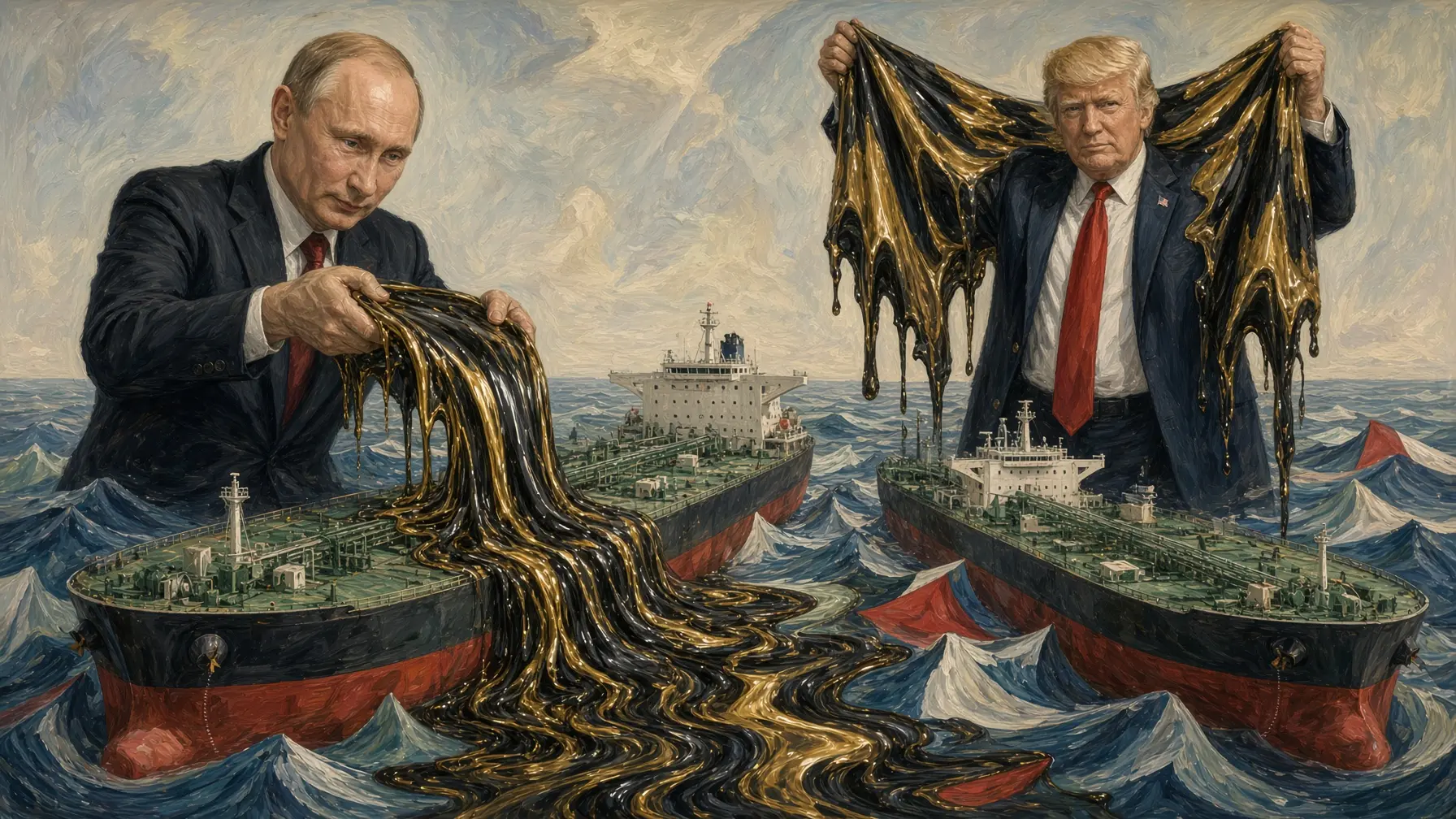
Putin is already sending the diesel, Trump can prepare the victory flag
Behold the floating result of Donald Trump and Vladimir Putin's joint deal: the first tanker has already left Russian territorial waters and is heading for New York, carrying nearly 300,000 barrels of diesel on board. Moscow, of course, isn't wasting any time on discretion — Deputy Prime Minister Alexander Novak announced on Tuesday that three ships are already on their way to the United States,…

Winter is coming, and Putin feels sorry for us again
Winter is coming, and Putin has pulled out his well-worn weapon of gas-scaremongering, loading it with the usual rounds: Europe will freeze, businesses will go under, families will weep over their heating bills if they still refuse to buy from Moscow. At Tuesday's gas forum in Moscow, the Russian president once again cast a worried eye on the future of European households, since he evidently…
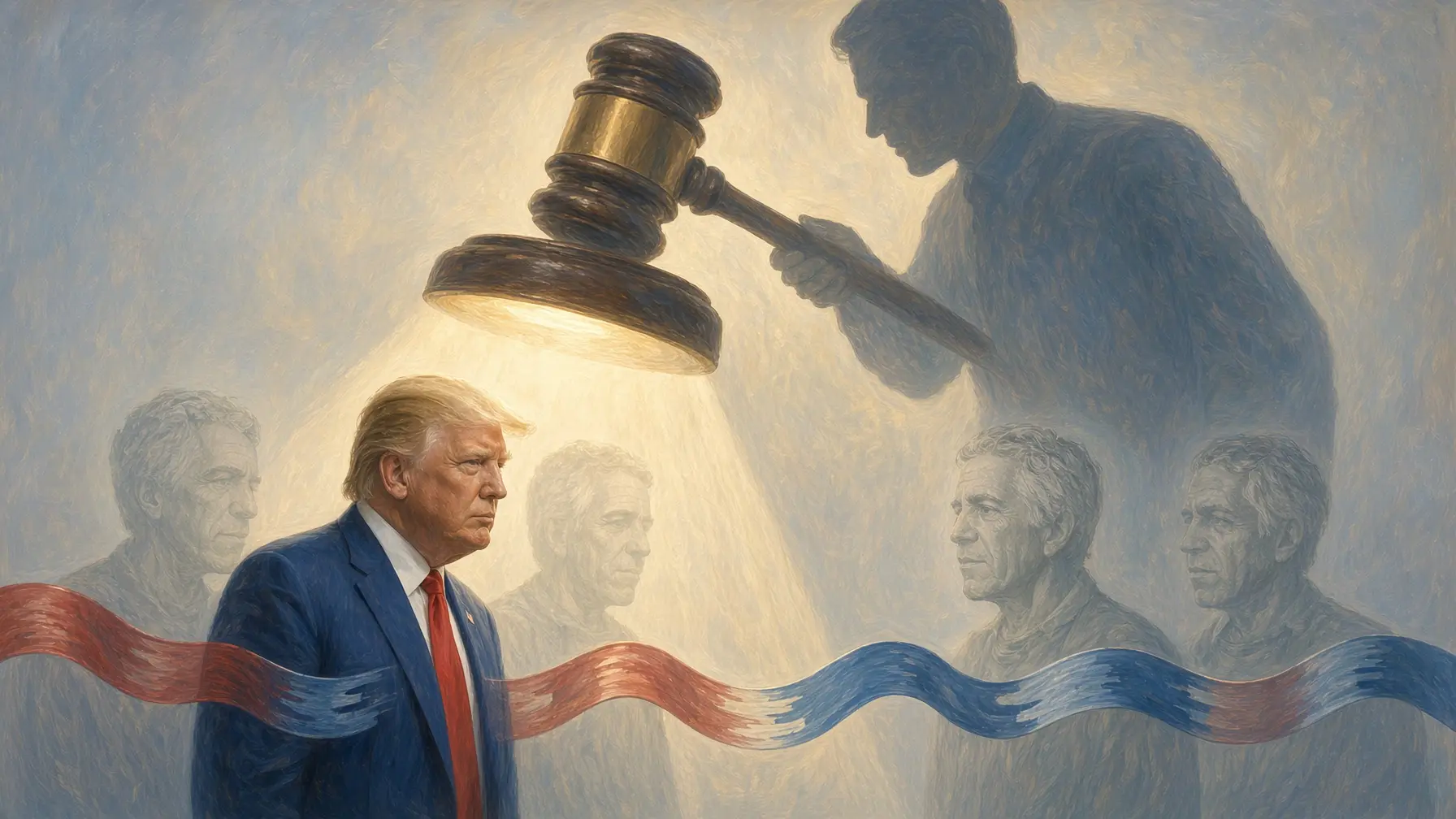
Democrats seek independent prosecutor to investigate Trump's ties to Epstein
Democratic members of the U.S. House Judiciary Committee are pushing for the appointment of an independent special counsel to investigate President Donald Trump's relationship with Jeffrey Epstein, as well as how the Department of Justice handled the allegations raised in the case. The 53-page report, released eight days before the November 3 midterm elections, was met with outright rejection…

British government to reveal on Wednesday where the money will come from
Britain's defense industry has been waiting for months for the government to attach funding and deadlines to its defense commitments. According to Prime Minister Andy Burnham's Monday announcement, Chancellor John Healey will show in Wednesday's budget how the already approved force-development plan will be financed, and at what pace the commitments made to NATO through 2035 will be fulfilled.