Oleshky, the starved city: Ukraine takes the Russian blockade to the UN
Ukraine is bringing the case of Oleshky, in the occupied Kherson region, before the UN General Assembly, where, according to the government in Kyiv, some two thousand civilians — including roughly fifty children — have been living for months without food, drinking water, medicine or any way to escape. Ukrainian Foreign Minister Andrii Sybiha said on Monday that Russia is "deliberately causing a humanitarian catastrophe" on the left bank of the Dnipro in the Kherson region, blocking food and medicine deliveries, hindering the work of aid organizations and preventing the evacuation of civilians. "The situation in Oleshky is particularly critical," he said.
The city lies on the left bank of the Dnipro, across from Kherson. Russian troops occupied it in February 2022, and in June 2023, after Russian forces blew up the Kakhovka dam upstream, it was flooded. According to estimates by the Ukrainian weekly Dzerkalo Tyzhnia, more than five hundred people died in the flood. Before the war, about 24,000 people lived in Oleshky; today, according to the foreign minister, around two thousand remain. The city has no electricity or gas, and people cook over open fires.
According to Tetyana Hasanenko, head of the city's Ukrainian military administration, the last successful supply and evacuation mission reached the city on May 26. The UN's human rights monitoring mission in Ukraine independently confirmed that no food arrived between May 26 and June 24. Hasanenko said deliveries stopped completely after Russian drones attacked aid convoys on June 2 and September 1; footage from April shows the body of a man who was bringing bread into the city and was killed by a drone on the way. According to the Kyiv Post, by the end of August Russian military checkpoints had sealed off all civilian movement to and from the city, and the surrounding area had been declared a no-man's-land threatened by airstrikes and drones.
"People are trying to survive under the conditions of the blockade created by Russia: they search for food scraps, gather grass, because there is simply no other food. A separate dimension of Russian terror is the manhunt against civilians: Russian FPV drones chase and attack people, so it is already a fatal risk just to step out of one's house."
Sybiha said. Videos shared by residents show signs reading "There's no food, we're starving too." According to locals quoted by Bild, Russian soldiers sent people asking for help back from the checkpoints, telling them, "go back and die there."
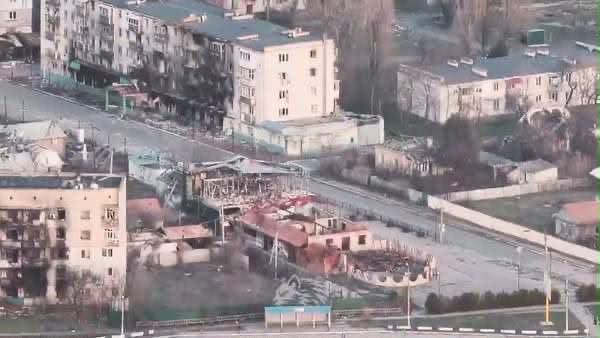
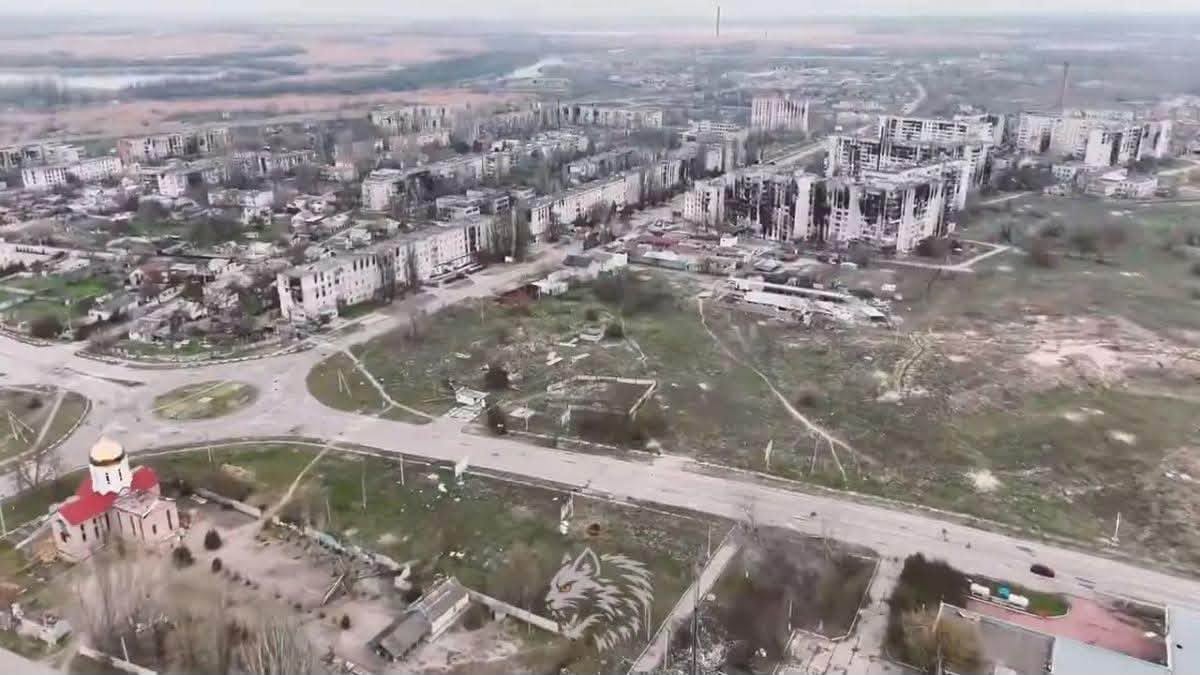
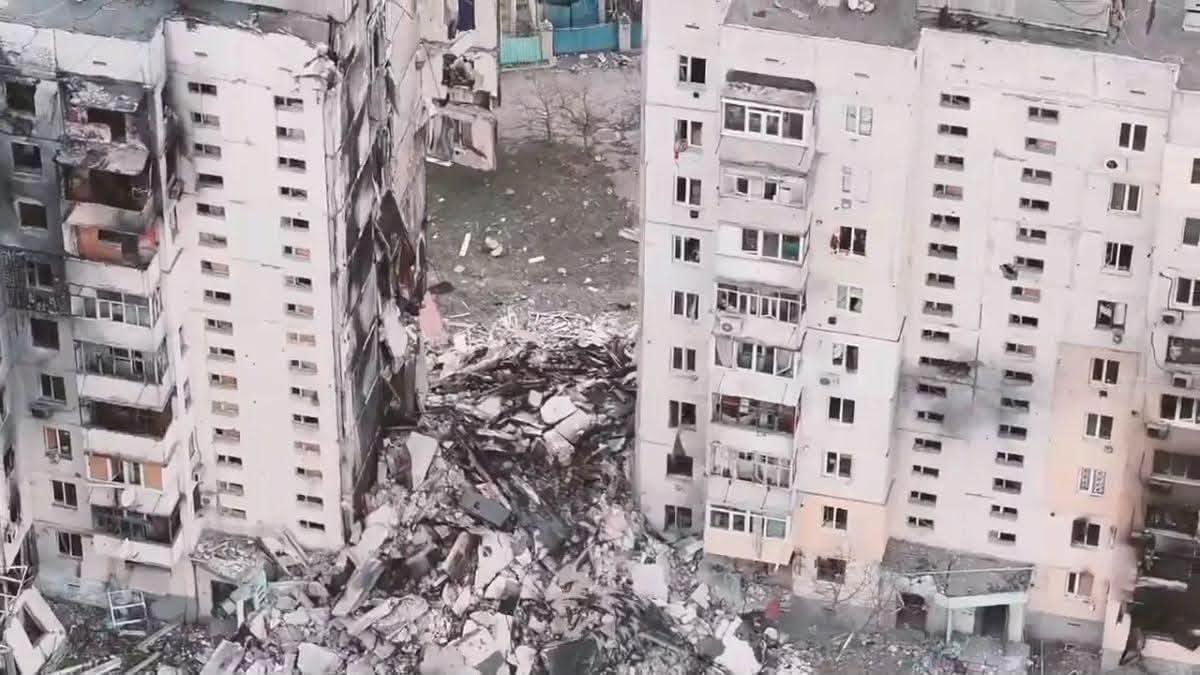
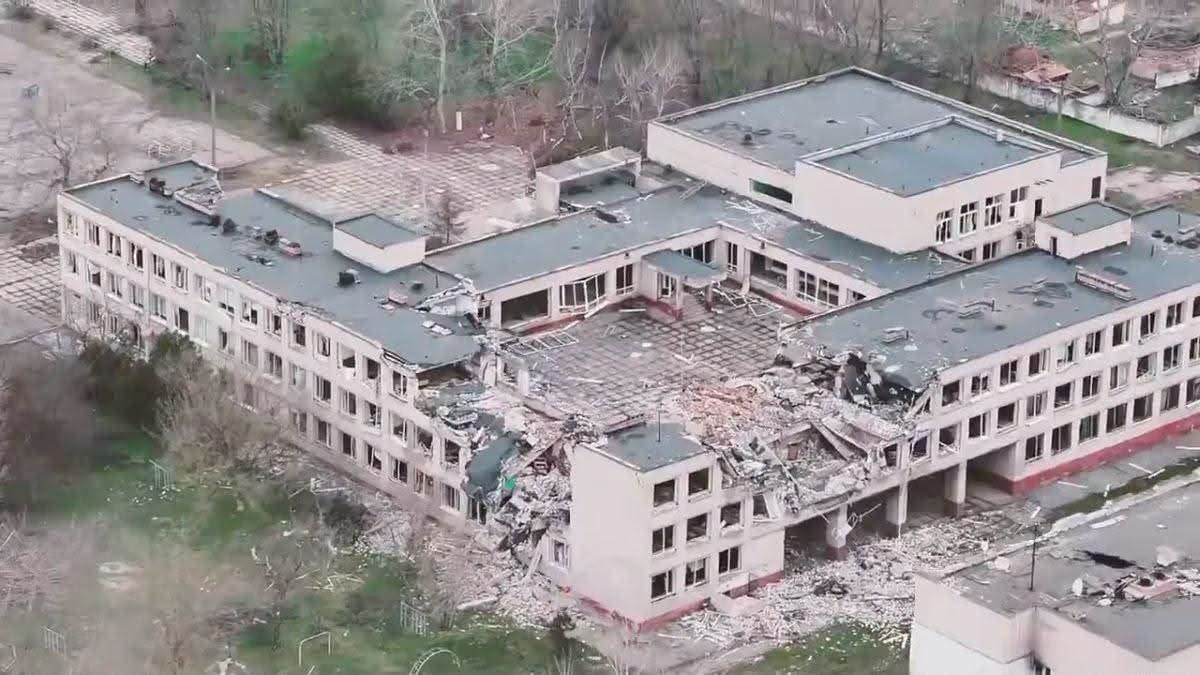
Serhii Kozar, a Ukrainian member of parliament from the Kherson region, told the public broadcaster Suspilne that they are in contact with people who remained in the city, and according to his information, there is currently no authority present in Oleshky at all — neither a Russian occupation administration nor troops. "People are in a state of semi-starvation. They can't go anywhere, because all the routes have been mined," he said. According to Ukrainian Ombudsman Dmytro Lubinets, in the area of Oleshky and the surrounding villages — Hola Prystan, Stara Zburivka and Nova Zburivka — a total of more than six thousand people, including about two hundred children, are living without adequate water, food, medical care or safety. Ukraine has drawn up an evacuation plan and verified a list of 358 civilians in need of immediate rescue. The International Committee of the Red Cross has indicated it would take part in the evacuation, but even after negotiations, the Russian side has not confirmed that it is willing to carry it out.
"Oleshky has become a death trap"
Lubinets said.
According to Sybiha, Ukraine's delegation to the UN has received "specific instructions" to prove Russia's responsibility during the General Assembly's high-level week in New York and to call for action. One possible outcome would be to force Moscow to allow Red Cross staff and aid shipments into the area. Under the UN Charter, Ukraine can put its complaint on the agenda, and the General Assembly can adopt a non-binding resolution of condemnation by simple majority, or call on the parties to allow international aid organizations access. However, deploying larger UN resources or peacekeepers would require a unanimous decision by the Security Council, where Russia is a permanent member with veto power.
On September 19, the Council of Churches and Religious Organizations of Ukraine appealed to Pope Leo XIV, the World Council of Churches and other religious leaders to prevent, "by every means available," the residents of the city from starving to death. On September 16, Kyiv's National Museum of the Holodomor-Genocide also issued an appeal to international partners and the Red Cross, citing the artificially induced famine.
Kremlin spokesman Dmitry Peskov said on Tuesday, in a rare admission, that he told journalists in Moscow the food and medicine supply situation in Oleshky is critical, and that Russian soldiers are working on a solution. However, he blamed the difficulties in deliveries on Ukrainian artillery and drone attacks. Stanislav Buniatov, a former Ukrainian politician now working as a volunteer helping civilians, claimed that Russian recruiters are exploiting the desperation, offering contracts with the Russian army to unemployed local men of military age. Ground fighting in the lower Dnipro sector ended in July 2024, when Ukraine gave up its efforts to establish a bridgehead on the left bank near Oleshky. Since then, however, the area has remained the scene of continuous air and drone combat, with special units from both sides regularly crossing the river and the marshes.
Ugar
Did you like this article?
Support our work with a small donation
Secure payment via Stripe • Min. 2 EUR
Gesta recommendations:
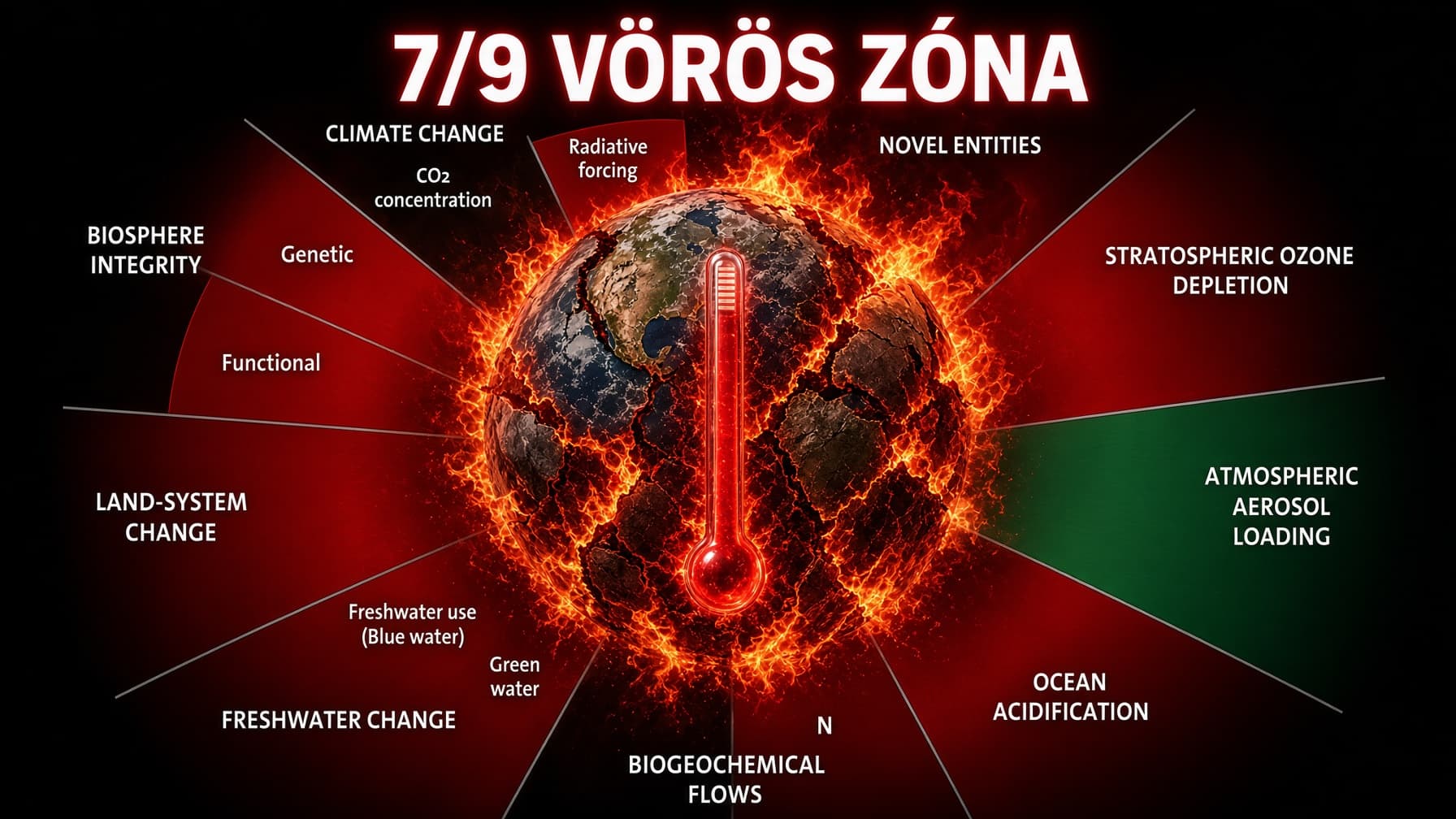
We have exhausted the Earth: seven of the nine planetary boundaries are in the red zone
Humanity has already crossed seven of the nine planetary boundaries that determine the Earth's stability, and all seven are in the worst condition ever recorded – according to the 2026 Planetary Health Check. The annual assessment was published on Monday by the Planetary Boundaries Science Lab at the Potsdam Institute for Climate Impact Research (PIK) in Germany; the report was prepared by more…
Nothing to store: the diesel shortage will last at least until 2027
The global diesel shortage caused by the wars in Iran and Ukraine is unlikely to ease before next year at the earliest – that is what storage market data and industry players indicate, according to a Reuters analysis published on Monday. The two wars have removed several million barrels of supply from the market every day in the Middle East and Russia, inventories have fallen to historic lows,…

The Georgescu octopus: no Russian connection here, just a bit of Dugin
Călin Georgescu's supporters have been trumpeting on TikTok since yesterday that the DIICOT case is a fabrication, that the million-euro fraud is the "system's" revenge, and that Russia has nothing to do with any of it. Of course it doesn't. Except that, according to the prosecution, the money traveled to the accomplices' accounts through a bank in Russian hands. And except that the man who…
Hackers hacked the hackers: ShinyHunters takes over Russian gang cl0p's dark web site
One of the world's most notorious cybercriminal groups, ShinyHunters, claimed on Sunday that it had taken control over the dark web site of its main rival, the Russian-speaking gang cl0p. The move brought a long-simmering feud between the two gangs into public view, Reuters reported.

Three-year extension of sanctions, but Fridman and Usmanov removed from the list with Hungary's support
The member states of the European Union on Tuesday extended for three years the individual sanctions affecting nearly three thousand Russian citizens and entities, though two billionaires considered close to Moscow — Uzbek-Russian businessman Alisher Usmanov and Russian oligarch Mikhail Fridman — were removed from the list. The agreement was reached only at the last moment, after Latvia vetoed…