
The Entire Newsroom in Exchange for a Facebook Page? Press Revolt Against Meta's New Terms
Meta has postponed until November 20 the introduction of its new commercial terms, after international press organizations, publishers and advertising trade associations jointly protested against a provision that they say would allow the tech giant to automatically harvest the content of websites. At first glance, the dispute concerns fine print in a contract, but in reality it is about whether a publisher that uses Facebook's or Instagram's business tools thereby also opens its own website to Meta, and whether the company can use, without a separate agreement or payment, all the journalistic work it finds there.
According to the European Alliance of News Agencies (EANA), the World Association of News Publishers (WAN-IFRA) and German publishers' organizations, the effect of the terms goes far beyond the articles that newsrooms share on social media. In their interpretation, Meta could use automated programs to penetrate the websites linked to its business users, collect and analyze their content, and even regularly retrieve newly published material — that is, articles, images and videos that an outlet publishes exclusively on its own website and never posts to Facebook or Instagram. WAN-IFRA finds it particularly worrying that the terms would also authorize the creation of test access accounts, and is therefore demanding a written guarantee that Meta will respect paywalls and all other access restrictions. The organization also points out that although the company removed, in response to the protests, a reference to training artificial intelligence from the text, the vague wording that still allows for product development offers, in the publishers' view, no real safeguard.
Meta denies that the new rules would give it unlimited rights to use press content for artificial intelligence purposes. According to the company, the provisions apply only to its advertising and business products, do not change its web data-collection practices, and content owners can still specify in their robots.txt file what search crawlers may access. It justified the postponement by saying it needs more time to explain the changes. The publishers, however, object precisely to the fact that these reassuring statements appear nowhere in the contractual terms — and while a press release does not bind the company, a contract does. They are therefore demanding a binding commitment that Meta will honor robots.txt instructions and all other machine-readable rights reservations, and that the use of journalistic material in artificial intelligence systems be made subject to a separate license. WAN-IFRA is also demanding that newsrooms be able to reject the data-collection provision without losing access to Meta's business tools — in other words, that they should not have to pay for their Facebook presence with the content of their entire website.
EANA's statement of October 23 goes even further, demanding the complete removal of the contested provision and its replacement with rules that respect copyright. According to Alexandru Giboi, the organization's secretary general, the new terms would essentially hand over, on a platter, the content of every news outlet that uses Meta's platforms. This poses the greatest threat to smaller newsrooms already in a difficult financial situation, since they rely for their survival precisely on the work that the tech company wants to access for free. Giboi also warned that pushing credible press out of social platforms harms the public sphere as a whole, because if reliable newsrooms are forced to abandon the platforms where a large part of their audience gets information, their place will not remain empty — it will be filled by distributors of unverified and manipulative content. EANA is therefore urging voluntary, separately negotiated and paid licensing agreements, stressing that reaching an audience must not come at the price of a newsroom giving up control over its own content.
The German publishers' associations, BDZV and MVFP, are calling for the European Commission to intervene. In their view, the terms may violate the fair-access requirements set out in the EU's Digital Markets Act (DMA) and could also amount to an abuse of dominant position; they are therefore asking that the application of the provisions be banned for the duration of the investigation, since once publishers' content has been collected, it is almost impossible afterward to regain control over it. The dispute has already reached competition authorities, as the Movement for an Open Web, which represents publishers and advertisers, has filed complaints with both the European Commission and the UK competition authority. The press organizations' message is clear: they are ready to negotiate how Meta may use their content, but in exchange they expect consent, rules and payment — because running a Facebook page does not mean a newsroom wants to become Meta's unpaid content-production department.
Ugar
Did you like this article?
Support our work with a small donation
Secure payment via Stripe • Min. 2 EUR
Gesta recommendations:

Musk's election campaign: nine out of ten false X posts go uncorrected
The community fact-checking system of the X social media platform, owned by Elon Musk, failed to flag more than 90 percent of the false claims circulating about the November 3 U.S. midterm election, and the same is true of Musk's own posts. This is the finding of a study published Wednesday by NewsGuard, an organization that rates the reliability of news sources.

PSD suddenly feels sorry for homeowners: it does not support a property tax based on market value
The Social Democratic Party (PSD) announced on Friday that it does not support calculating the tax on residential properties based on market value, which the Bolojan government had scheduled for January 1, 2027, and which, according to the party, could have meant a tax up to twenty-seven times higher than the current one. However, the statement does not make clear whether the Social Democrats…
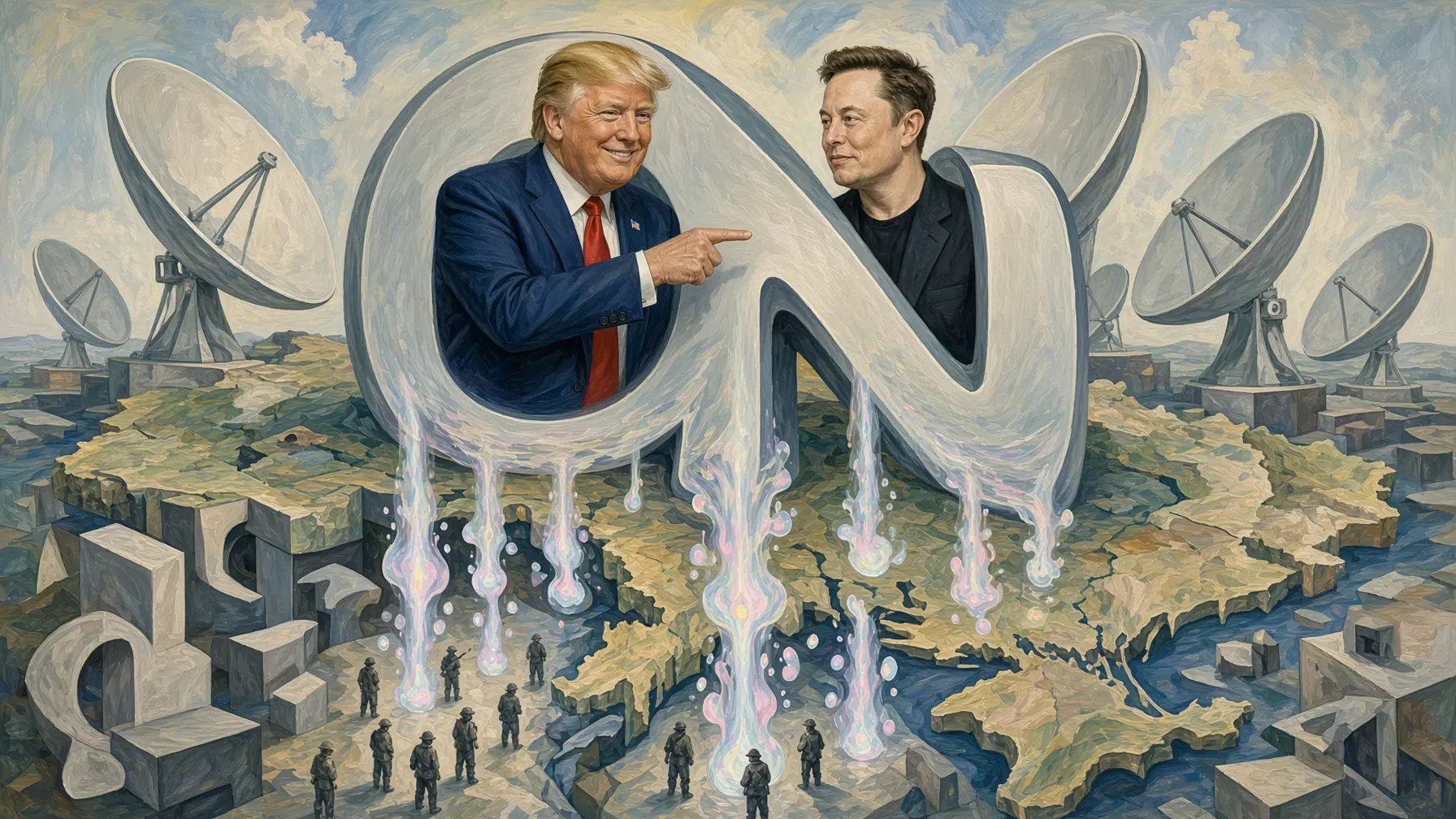
Trump says Musk restored it, Ukrainians say otherwise: Starlink remains restricted
According to Donald Trump, Elon Musk restored the Ukrainian army's satellite access, yet Ukrainian soldiers and officials were still reporting restrictions, dropped connections and hampered drone operations on October 23. The Wall Street Journal, citing American officials, reported that the president personally asked Musk to lift the restrictions, while Trump himself first dodged questions about…

European gas price at four-year high, storage facilities still not full
The benchmark price of European natural gas has risen to a level not seen since December 2022, as the Middle East conflict continues to hamper the shipment of Qatari liquefied natural gas, and cooler weather has already forced several countries to draw on stored reserves. The next-month futures contract for the Dutch TTF gas hub opened around three percent higher on Friday, October 23, trading at…
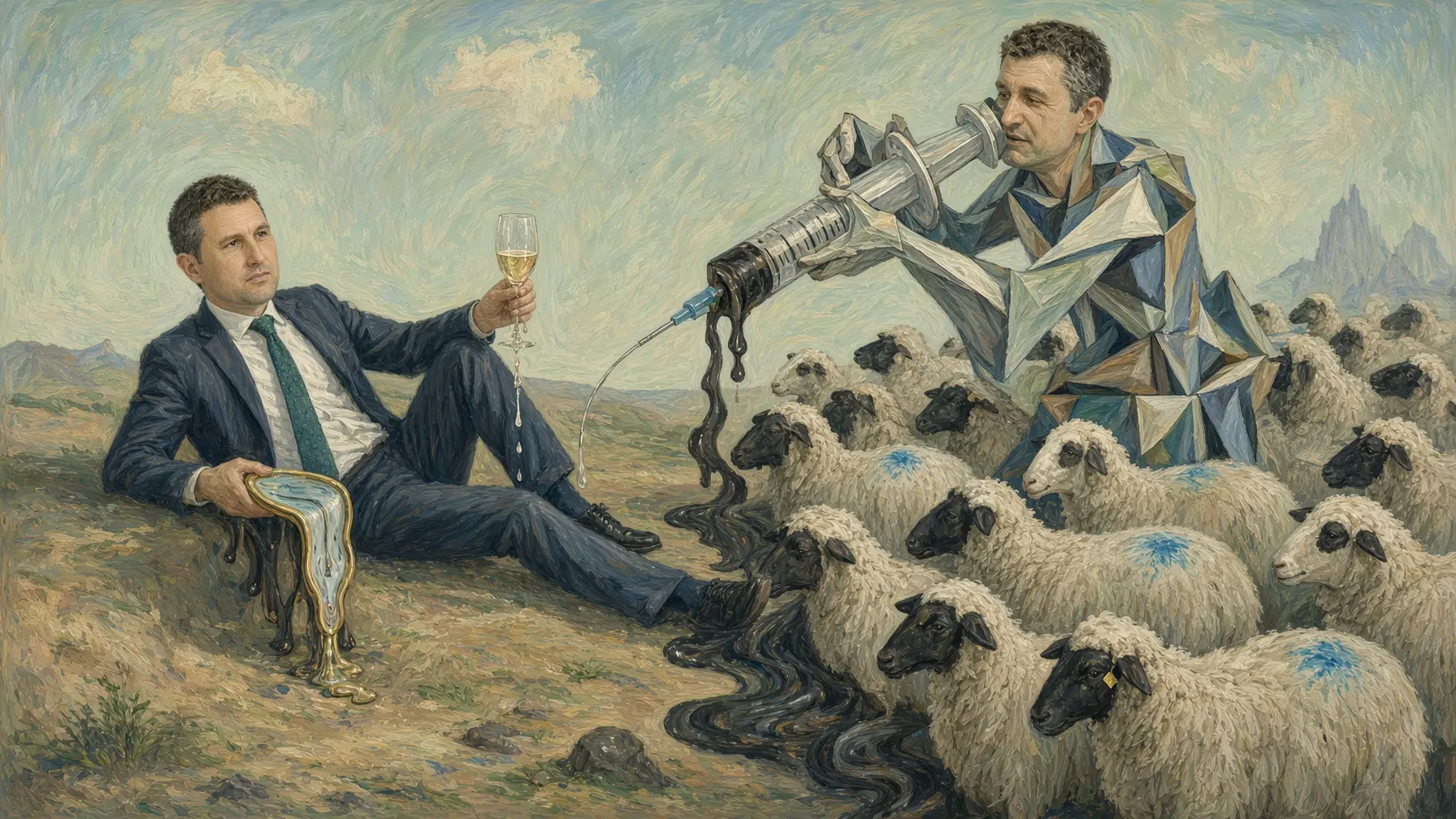
Tánczos's negligence, and the EU vaccination campaign against sheep plague
The Romanian government decided, in a decision issued on Friday, to accept the European Commission's donation of 1.1 million doses of vaccine against peste des petits ruminants and sheep and goat pox. These diseases have been ravaging Romania's sheep and goat population for months, and because of them the country has so far been unable to export live animals. The donation consists of 300,000…