Three-year extension of sanctions, but Fridman and Usmanov removed from the list with Hungary's support
The member states of the European Union on Tuesday extended for three years the individual sanctions affecting nearly three thousand Russian citizens and entities, though two billionaires considered close to Moscow — Uzbek-Russian businessman Alisher Usmanov and Russian oligarch Mikhail Fridman — were removed from the list. The agreement was reached only at the last moment, after Latvia vetoed the compromise on Monday evening. It is not yet known what concession Riga received in exchange for dropping its opposition.
The individual sanctions — asset freezes and travel bans — target specific people and companies in the wake of Russia's 2022 invasion of Ukraine, and until now had to be extended every six months by unanimous decision of all 27 member states. The economic and sectoral sanctions against Russia — trade, financial and energy restrictions — are maintained under a separate system and are not affected by the current decision. This time even the usual six-month extension proved difficult to agree on: the deadline was pushed back by only a week before the September 15 cutoff, because several countries demanded the removal of the two billionaires. France — to the surprise and anger of its partners — joined Slovakia in calling for Usmanov's removal. Luxembourg then made the same demand regarding Fridman, whose removal was also supported by Slovakia and Hungary.
Paris cited national security considerations. Three European diplomats told Reuters that France acted because Azerbaijan had put pressure on it: at least two French citizens are being held in the country, a claim echoed by Euronews, which reported that Paris had linked Usmanov's removal to the release of a prisoner; a senior Azerbaijani diplomat, however, denied any such connection on Friday. Luxembourg's interest is simpler: Fridman is seeking 16 billion dollars from the Grand Duchy in an international arbitration case over his frozen assets, and diplomats say Luxembourg feared that if only Usmanov were removed from the list, it would weaken its own position — although the reasoning is murky enough to be, in technical terms, merely plausible. The essence of the compromise was that in exchange for removing the two billionaires, the rest of the individual sanctions would be extended not for six months but for an unprecedented 36 months, meaning the next review will not be due until autumn 2029, giving member states fewer opportunities to extract concessions through veto threats. Latvian Prime Minister Andris Kulbergs wrote on X late Monday evening:
„Extending the sanctions for 36 months would be the right move. But the price for that cannot simply be removing these two individuals from the sanctions list. Latvia cannot accept such an offer."
On Tuesday morning he convened an emergency cabinet meeting and indicated that, together with Brussels and Paris, he was seeking “a solution that serves Latvia's interests,” while also warning that if no agreement were reached by the deadline, not only the sanctions on the two billionaires but the entire sanctions list would be at risk. The individual sanctions were set to expire at midnight on Tuesday.
Ukrainian President Volodymyr Zelensky, in the final stretch of the negotiations, publicly asked the EU to keep Usmanov and Fridman on the list, and thanked Latvia for its resistance. The Ukrainian government called the preliminary agreement reached on Monday unacceptable, while a spokesperson for Ireland, which currently holds the rotating presidency of the EU Council, acknowledged that the decision had been “difficult” but said the 36-month extension “increases the durability and predictability of the EU's sanctions regime.” Usmanov became a billionaire through metals and telecommunications businesses; the EU added him to the list in 2022 as a Kremlin-aligned oligarch considered particularly close to Vladimir Putin. Uzbekistan, along with other Turkic states, has lobbied for two years to have him removed. Fridman is a co-founder of the Alfa Group. Both have challenged the sanctions in court. This is not the first time a member state has forced a removal through a veto: last year Hungary and Slovakia achieved the delisting of oligarch Vyacheslav Moshe Kantor and Russian sports minister Mikhail Degtyarev in the same way, though it remains unclear why Péter Magyar — who replaced Viktor Orbán's treasonous, Russia-friendly government with a promise of regime change — supported Fridman's removal, just as it seems odd that Alisher Usmanov's removal from the sanctions list arose under circumstances where scrutinizing Hungary's conduct would be well warranted — after all, Foreign Minister Szijjártó had also tried to have the Russian oligarch's sister, Gulbahor Ismailova, removed from the sanctions list, which was the subject of one of the infamous Lavrov–Szijjártó phone calls.
Ugar
Did you like this article?
Support our work with a small donation
Secure payment via Stripe • Min. 2 EUR
Gesta recommendations:
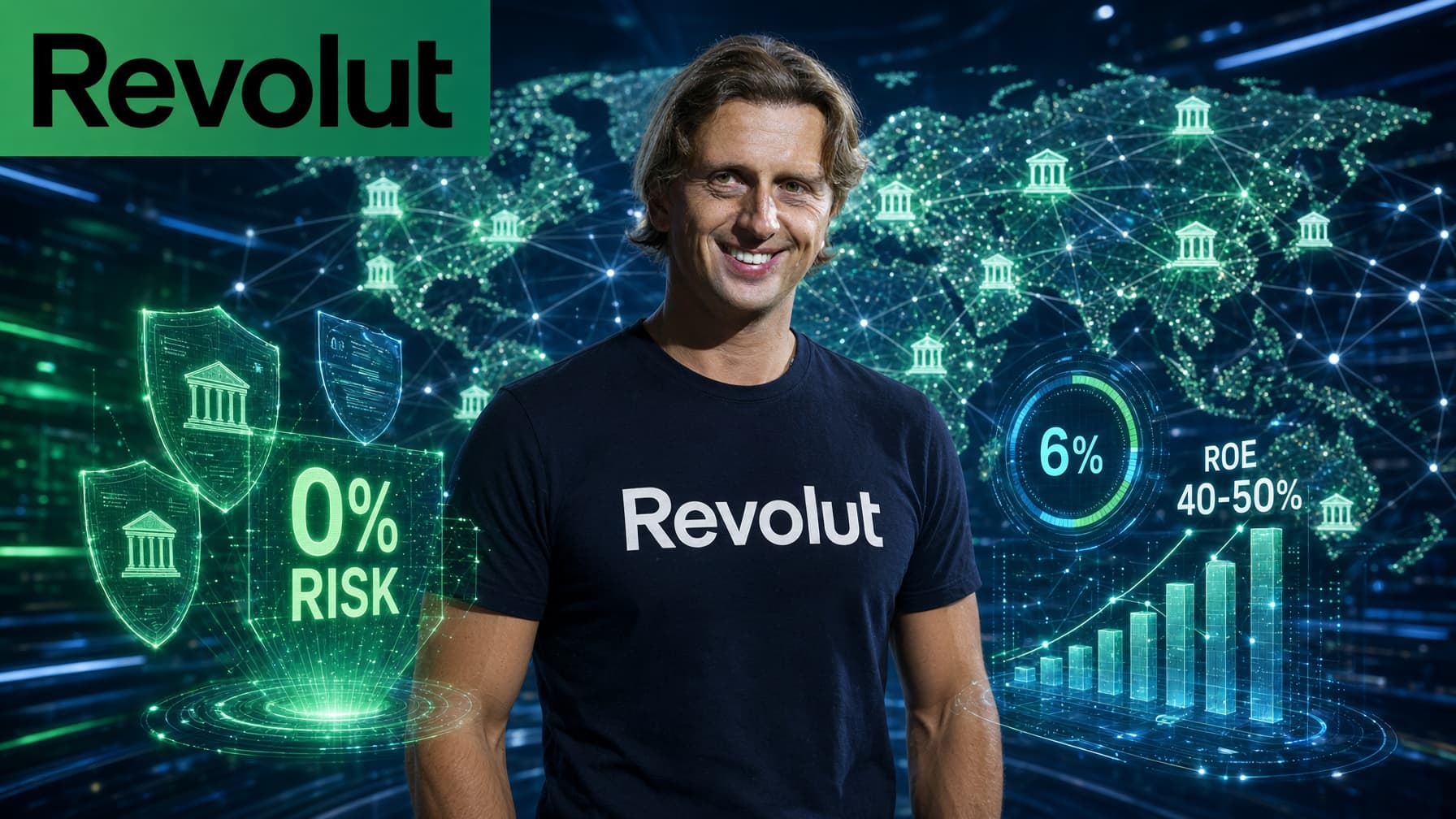
Zero risk, over a hundred countries: this is how Revolut would build the global bank
Nik Storonsky, founder and CEO of Revolut,in a Monday interview with the Financial Times outlined the kind of global bank he wants to build. The essence of the model is that the company would only lend out a fraction of its deposits, meaning that, in Storonsky's words, it takes on "essentially zero risk." The plan was unveiled at a time when the London-based fintech is steadily obtaining banking…
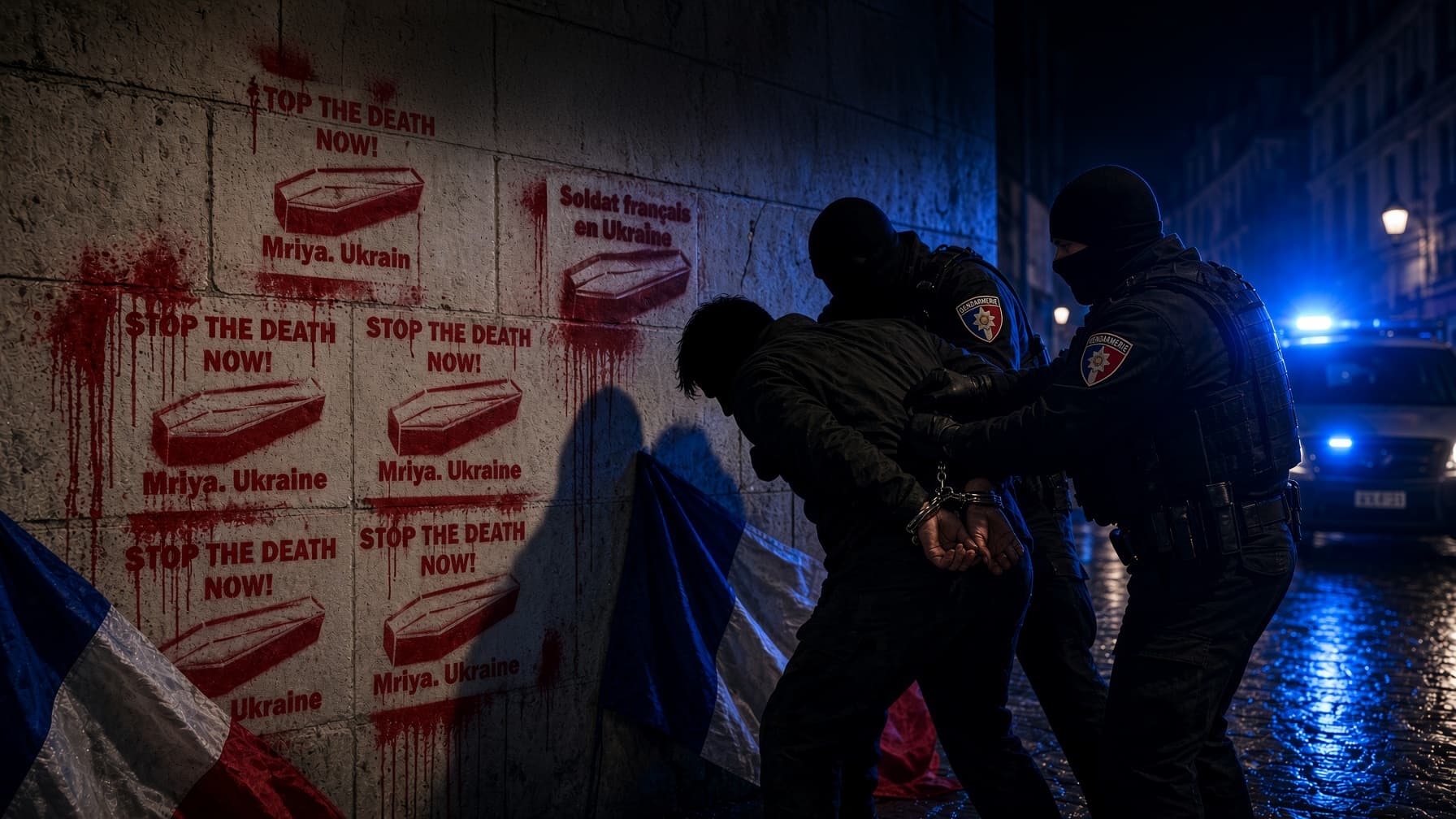
Moldovan man behind Paris coffin graffiti arrested
Romanian authorities last week detained Moldovan citizen Iurie Manic at the Moldova–Romania border. He is accused by French prosecutors of being one of the leaders of a series of vandalism actions in Paris directed by Russia. The case was first reported by Ziarul de Iaşi.
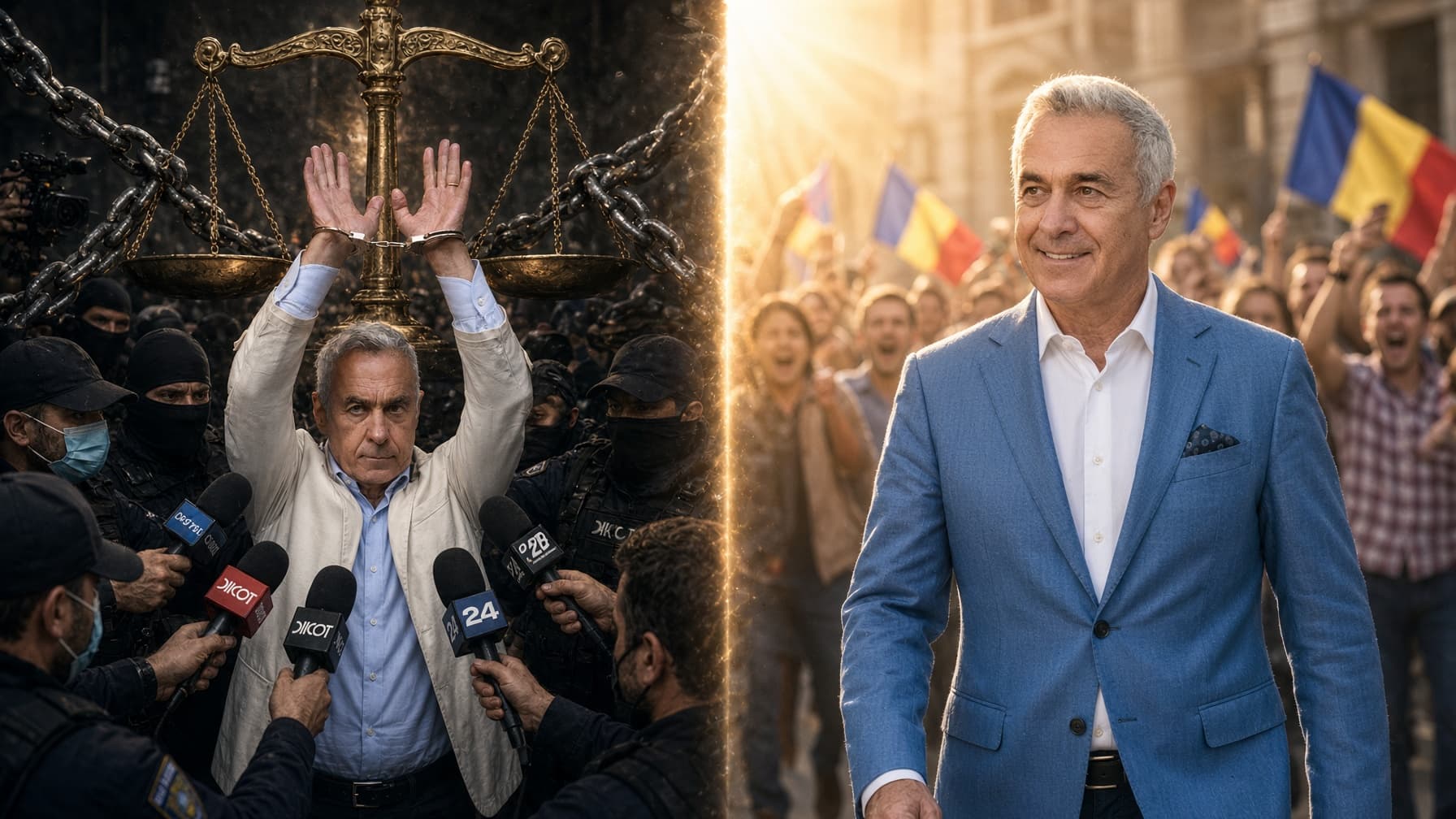
The art of "adormire": the system caught Georgescu again, then let him go
An average Romanian citizen accused of swindling a businessman out of 1.1 million euros, whose case is being handled by DIICOT, the anti-organized-crime prosecutor's office, would likely spend the standard thirty days of pretrial detention in a Bucharest holding cell before he could even calculate how many tenths of a percent are left on his Swiss bank account. Călin Georgescu is not an average…
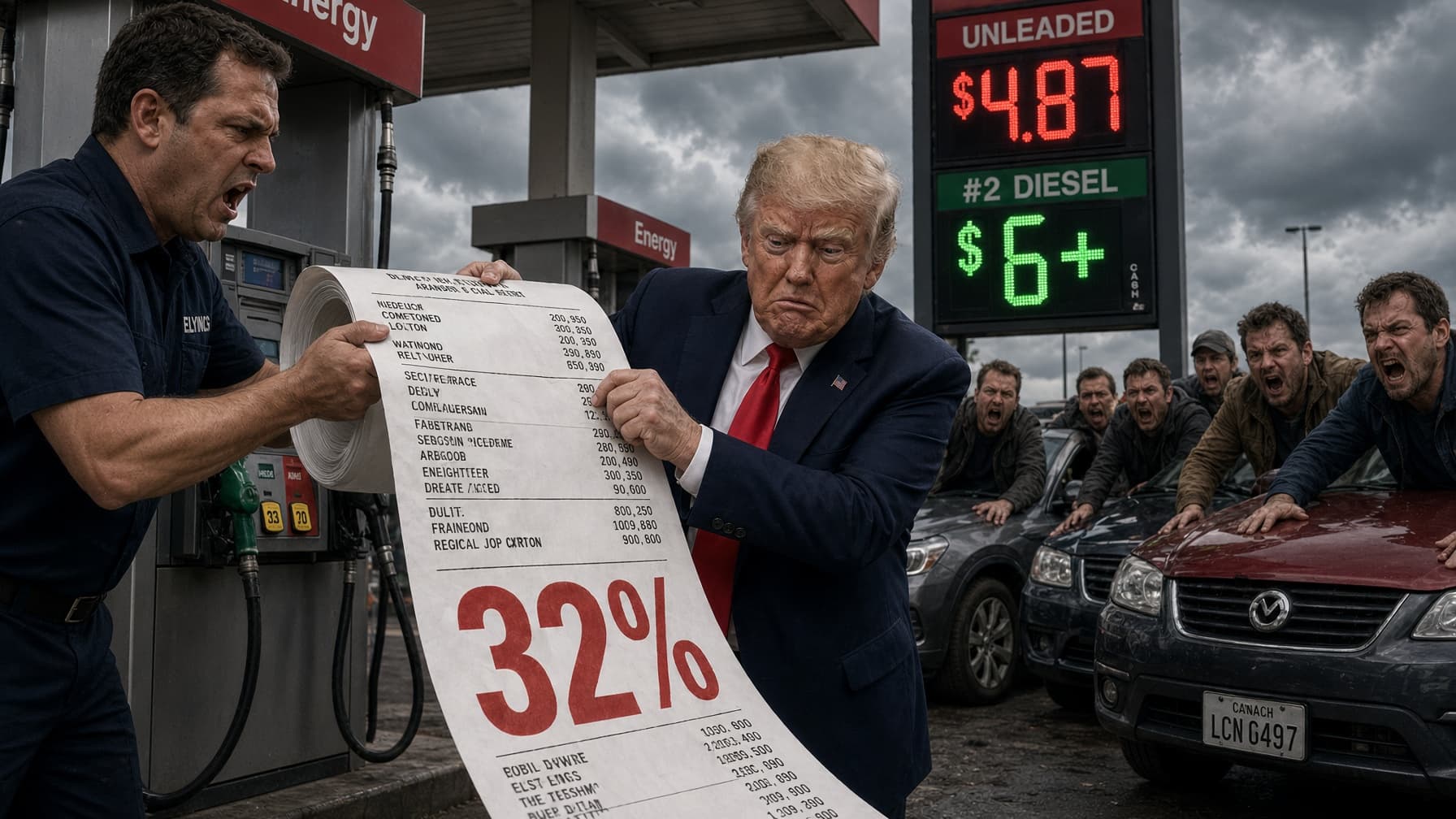
32 percent: the bill presented to Trump at the gas pump
Democracy has its own peculiar form of justice: slow, clumsy, sometimes maddeningly delayed, but it arrives in the end - and now Donald Trump's Middle East war has brought the bill. According to a four-day Reuters/Ipsos poll that closed on Sunday, the president's approval rating has fallen to 32 percent, the lowest of his entire political career. Esteemed American public opinion has come to this…
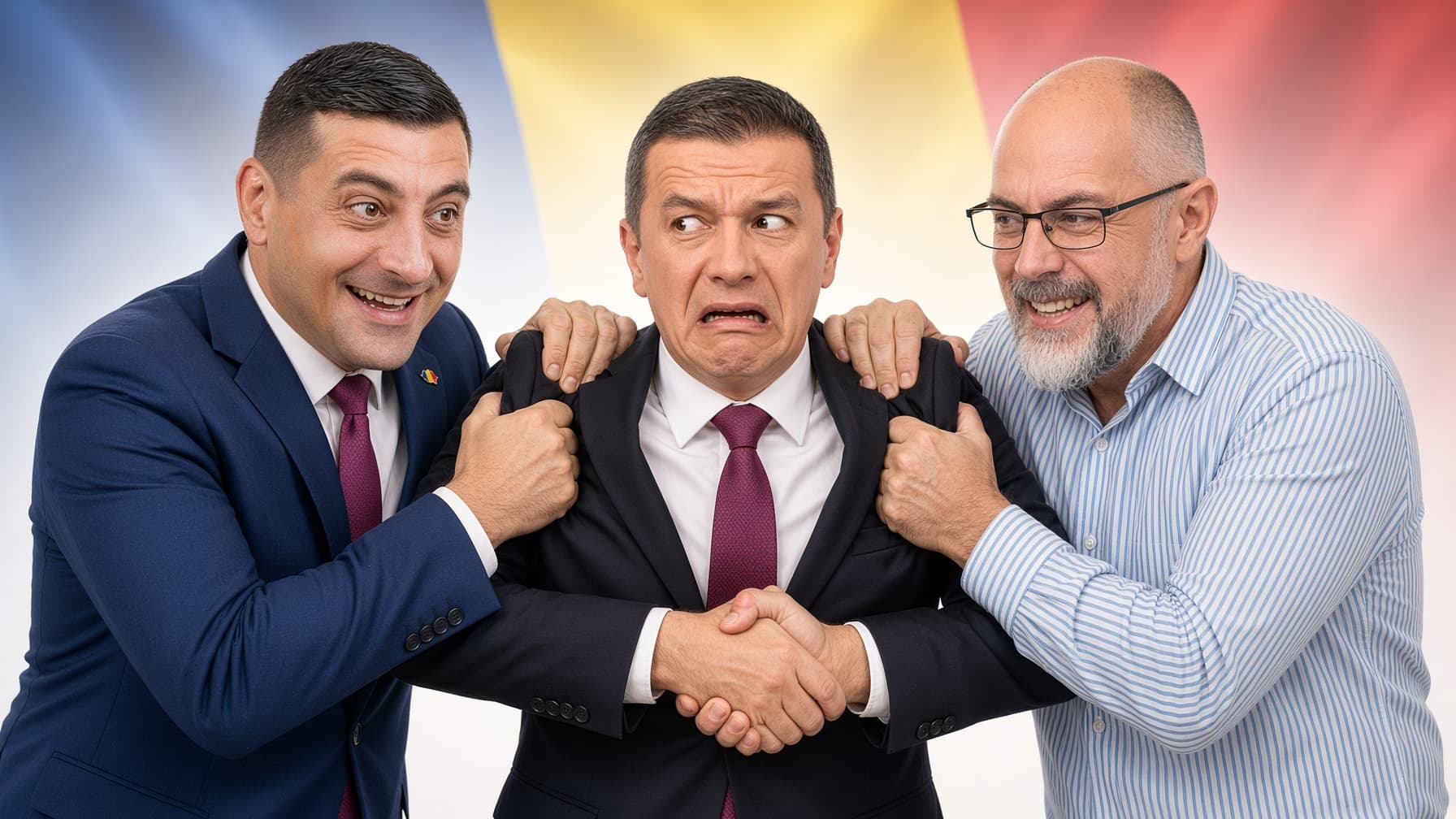
What now? Grindeanu would team up with Simion, Hunor with Grindeanu
In Romania, the health cordon works like hospital disinfection: on paper it's everywhere, in practice who knows. On Monday evening, in the Antena 3 studio, Sorin Grindeanu, the leader of the Social Democratic Party (PSD), said out loud what an entire country had already suspected but no one had heard so plainly before: he does not rule out a PSD–AUR government. "I wouldn't rule out this option.…