
Rutte's matrix: the war will end in compromise, but Russia will not remain idle
NATO Secretary General Mark Rutte believes the Russian-Ukrainian war will most likely end not with a decisive victory for either side, but with a negotiated settlement. „Wars like this always end with a peace agreement, which is often a kind of compromise,” Rutte said in an interview with a Dutch television channel. The secretary general said he speaks with Ukrainian President Volodymyr Zelensky every week, and that he believes it is also important for Donald Trump and Vladimir Putin to have a „good relationship.” However, he also warned that Europe must remain vigilant against possible Russian aggression even after the war ends. „The Russian threat is not currently appearing directly on our borders,” he said, because Russian troops are now tied down by the fighting in Ukraine. „But once the war ends, that huge army won't just stay there for the sake of being a huge army.”
Rutte also spoke about understanding European allies' „panic” over the agreement reached between Trump and Putin on Russian diesel imports. „I understand, I also raised my eyebrows,” he said, before welcoming Trump's efforts to prevent Tehran from acquiring nuclear weapons. „Not all the risks have disappeared, but Iran's nuclear capabilities have been significantly weakened,” he said.
The statement about compromise is nothing new coming from Rutte, but it's worth examining the context in which it was made. In July, the secretary general told the Financial Times that Ukraine was „in a much, much better position” than a few months earlier, and that the allies' task was to ensure Kyiv is as strong as possible when negotiations begin, while whether Putin sits down to negotiate depends solely on him. In August, he told the Moscow Times that each European country should decide for itself whether to resume dialogue with the Kremlin, after French President Emmanuel Macron sent his foreign policy adviser to Moscow. (According to Macron, the meeting only confirmed that Russia does not want peace right now.)
Rutte made his statement in the same week that, according to the Ukrainian military command, the Russian army suffered its largest monthly losses of the full-scale invasion in October — 54,400 soldiers — while capturing only 85.8 square kilometers, and when the Kremlin promised that the trilateral Russian-Ukrainian-American talks would continue between November 10 and 19. Rutte did not say what a compromise would actually mean — that is, what territorial concessions and what security guarantees it would involve. However, it was Russia that started the war, and a compromise that rewards the aggressor would only increase the very danger the NATO secretary general himself warned about: that the massive Russian army will seek a new target after peace is made.
Hot topic
Did you like this article?
Support our work with a small donation
Secure payment via Stripe • Min. 2 EUR
Gesta recommendations:

Árpád Antal is shouting on Facebook again, with a conspicuous lack of groundwork
The UDMR's background institute has thrown in the towel, and is now drawing up the illustrative material with that.

Reform or Eyewash? Monday Will Reveal Whether the PSD Came to Govern or Just to Promise
Sorin Grindeanu is convening the PSD leadership on Monday morning. According to Mediafax, the meeting comes just as the debate over pensions and wages is unfolding, and for the first time the party must answer, alone, without a coalition partner, how much money the country has and what it will spend it on. What's worth watching?
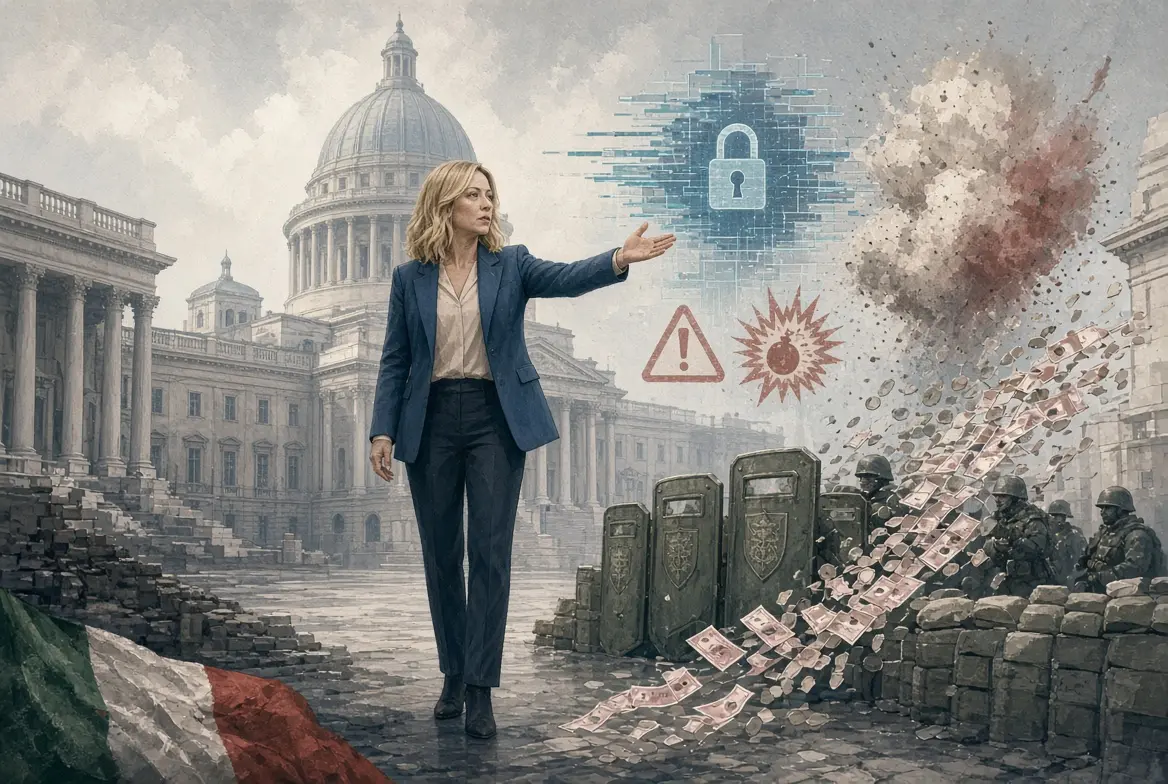
Meloni: cyberattacks and bomb threats show that more money is needed for defense
On Friday in Verona, during a break at the Fieracavalli international horse fair, Italian Prime Minister Giorgia Meloni told journalists that Europe needs to increase its defense and security spending. In her view, civilian infrastructure today is threatened not by distant dangers but by attacks that can be felt in everyday life.

Expressions Apple blocks: dictator Trump, Tibetan independence and Russian troop deployment
The iPhone keyboard blocks nearly one hundred thousand words and expressions in about thirty languages when a user tries to type them using the faster swipe-typing feature, and the list includes not only vulgar and offensive words but also political expressions.
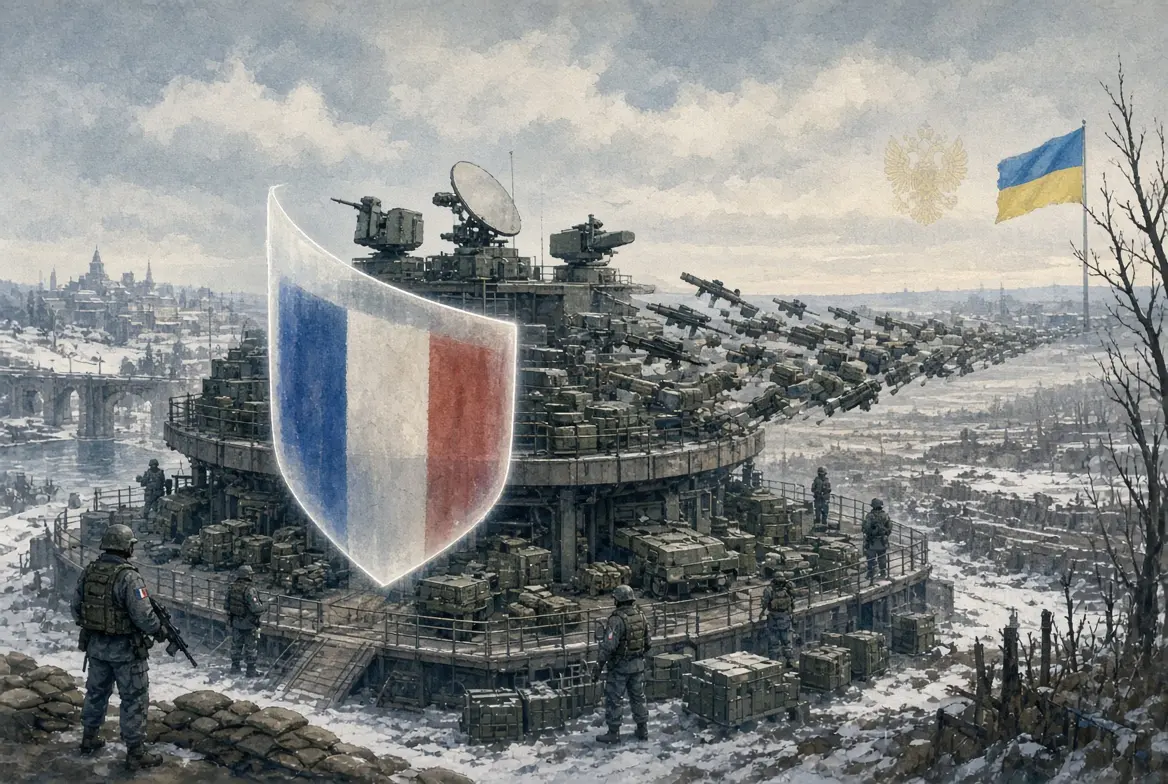
From January, the French will defend the weapons hub destined for Ukraine
From January 1, 2027, France will take over air defense of the Rzeszów area in southeastern Poland, home to the most important logistics hub for Western military aid destined for Ukraine. French ambassador to Warsaw Étienne de Poncins told journalists on Friday, November 6, that "from January 1, France will take over air defense in the Rzeszów area within the framework of NATO."