Albanian PM: Ukraine's EU membership is a lie
Albanian Prime Minister Edi Rama, in an interview with Die Welt, called the EU accession promises made to Ukraine a lie, because in his view, under the current conditions and following the usual procedure, the country will never be admitted. According to him, everyone knows this, and European officials even admit in private that the standard accession process is unsuitable for handling the situation of a country at war. This is admittedly Rama's own judgment on the viability of the procedure, but it is uncomfortable precisely because he says out loud what official statements usually avoid saying.
The situation is well illustrated by Enlargement Commissioner Marta Kos's statement as well: in her view, the accession date of January 1, 2027, set by Zelensky, is incompatible with a merit-based admission process. Although the war has returned enlargement to the EU's strategic priorities, the political target date cannot override legal requirements. Brussels has thus rejected this deadline while still leaving the possibility of accession open; the question is whether there is a viable path to that open door, or whether we merely point to it from time to time so that Kyiv can see that it is still standing in the same place.
Rama therefore proposes a fundamental overhaul of the enlargement method: strict performance requirements, combined with rapid, gradual integration into the work of EU institutions. Ukraine and the other candidate countries could take part in working processes and consultative bodies even before achieving full membership, so that integration would produce tangible results. This would make sense, because demanding that a war-torn country maintain the kind of institutional functioning designed for peacetime, while the aggressor is systematically destroying the conditions for it, is a rather peculiar bureaucratic feat. And it creates a convenient situation for Moscow, which, by continuing the war, can also obstruct Ukraine's integration into Europe.
The Albanian prime minister's other uncomfortably accurate remark concerns the right of veto. In his view, it is unacceptable for a single member state to be able to paralyze the decision-making of the entire Union, while Europe has to compete with China, the United States and India. As a small country, Albania itself could, upon eventual membership, enjoy the bargaining position created by the unanimity requirement, yet Rama is nonetheless pushing for its abolition. It seems that Orbán's veto terrorism has also taught others how easily a tool designed to protect national interests can turn into a blackmail weapon aimed at the entire community — and we need to think about this even when the weakening of smaller states' ability to assert their interests rightly worries us. Because you simply can't build a strong Europe this damn way, with a government friendly to Moscow able to block a joint decision at any time and then bill the others separately for the cost of getting around it. What suits those Russia-sucking bastards perfectly is for the strength of twenty-seven countries to remain twenty-seven players haggling with and waiting on each other, so that by the time a common position is reached, Putin has long since carried out the very thing we should have responded to.
What's more, the stakes are far greater than how successfully Europe competes with the American or Chinese economy. It is also about the Russian leadership finally understanding that it cannot shift its neighbors' borders at will, nor reshape European security according to its own military appetite. This would require coordinated arms production, sustained financing, a consistent sanctions policy and credible military deterrence. Europe has the economic and technological strength needed for this; it simply cannot turn it into joint action.
However painful it may be to admit, there is a great deal of truth in the Albanian prime minister's words. Edi Rama speaks from a country that endured one of the harshest, most militarized versions of communist dictatorship, where for decades citizens were fed the notion that everyone outside the walls of the besieged fortress was an enemy. From this historical experience, it is perhaps easier to recognize when the gap between political rhetoric and reality has grown so wide that no amount of diplomatic courtesy can bridge it. Rama's words hit home because they name both sides of this paralysis at once: we promise Ukraine a future for which the current procedure offers barely any usable path, while at the same time we preserve a decision-making system in which joint action can be paralyzed again and again.
Ugar
Did you like this article?
Support our work with a small donation
Secure payment via Stripe • Min. 2 EUR
Gesta recommendations:

Rubio backs Guilfoyle: a green light for toppling governments in Europe?
U.S. Secretary of State Marco Rubio has publicly voiced his support for Kimberly Guilfoyle, the United States ambassador to Greece, after senior Democratic lawmakers called for an investigation into the diplomat's activities. According to a report by G4Media, the objections relate to the promotion of U.S. liquefied natural gas sales in Southeast Europe and to the ambassador's dealings with…

Putin wants Kyiv evacuated so he can bomb it in peace
Russia has once again called on foreigners and diplomats in Kyiv to leave the Ukrainian capital, warning that the Russian army will continue its mass attacks. Saturday's statement from the foreign ministry even added that anyone who ignores the warning bears full responsibility for the consequences. What considerate killers: they warn in advance that they're going to shoot, and then it's the…
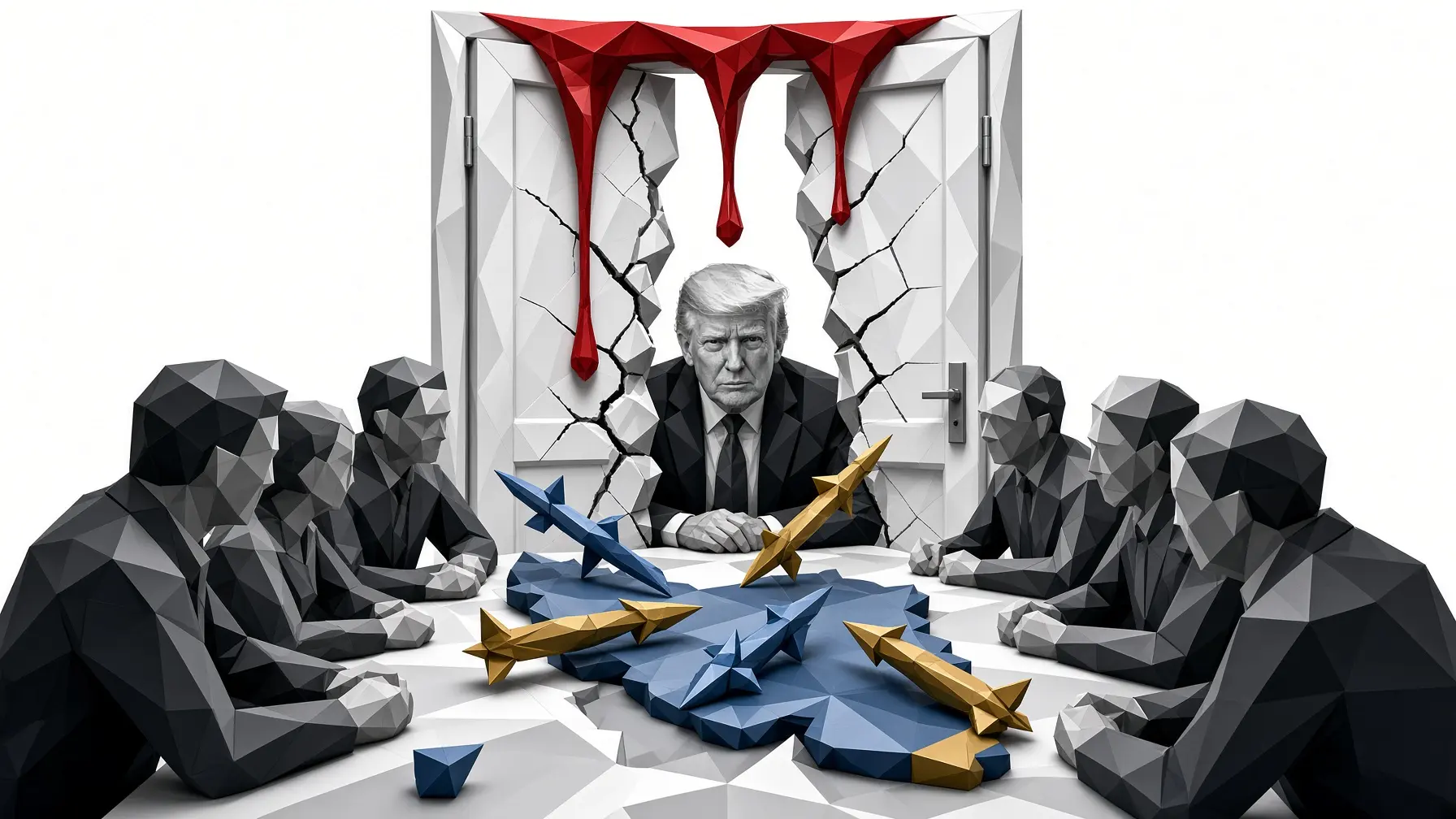
Axios: Trump's team held closed-door talks on next steps against Iran
Several senior officials of the U.S. administration held a meeting lasting several hours at Camp David on Friday on the next steps regarding the war with Iran and the Houthi rebels in Yemen, Axios reported, citing three American officials. The administration did not announce the meeting and provided no details about the military or diplomatic options discussed there.
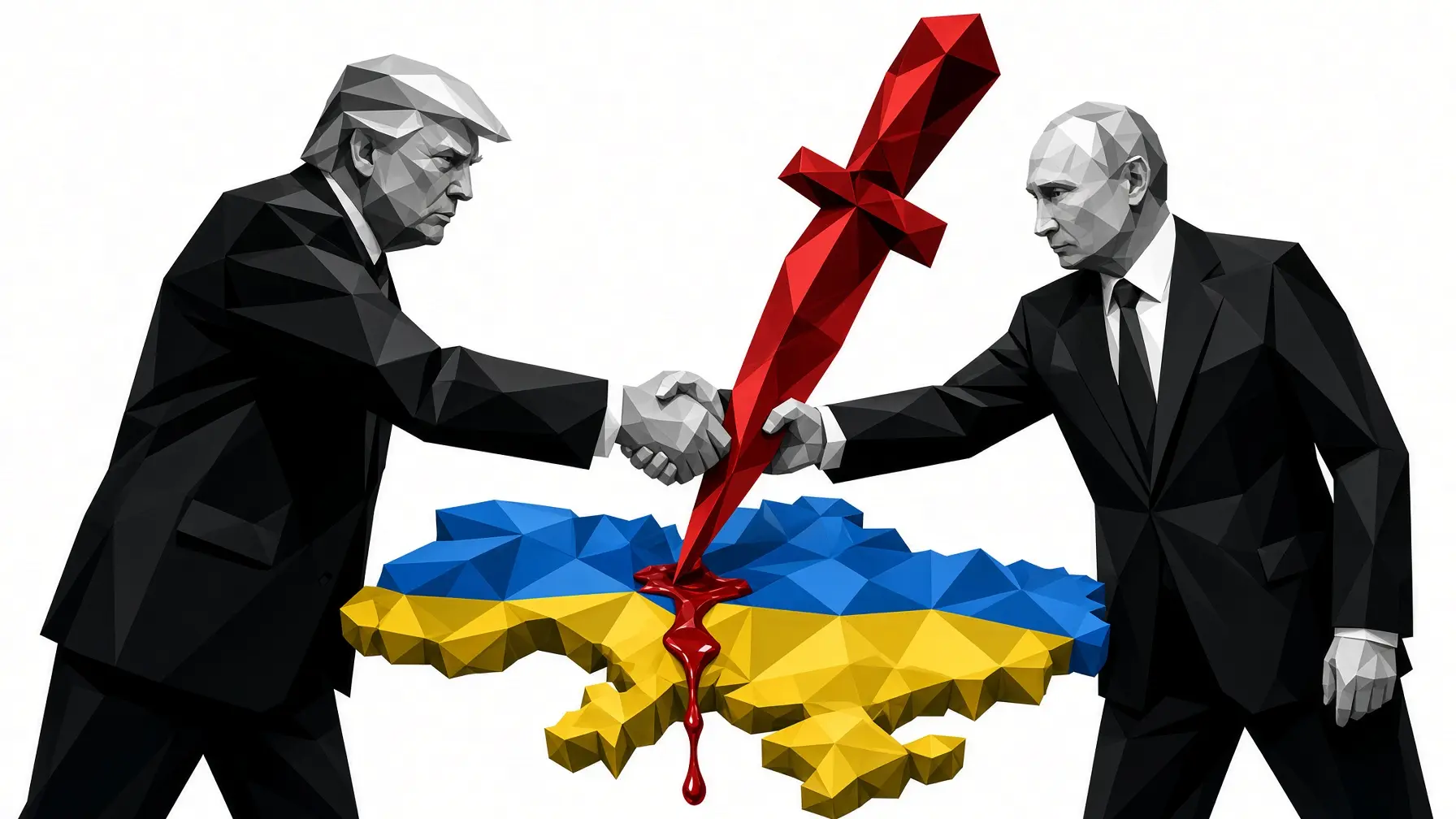
Here is the US-Russian deal that stabs Ukraine in the back
The American-Russian negotiations on ending the war in Ukraine also extend to a multibillion-dollar oil deal, among whose potential beneficiaries are Donald Trump's supporters as well as Middle Eastern investors linked to the business networks of the two chief American negotiators, Jared Kushner and Steve Witkoff. This was revealed by Anton Troianovski and Eric Lipton, two journalists at The New…
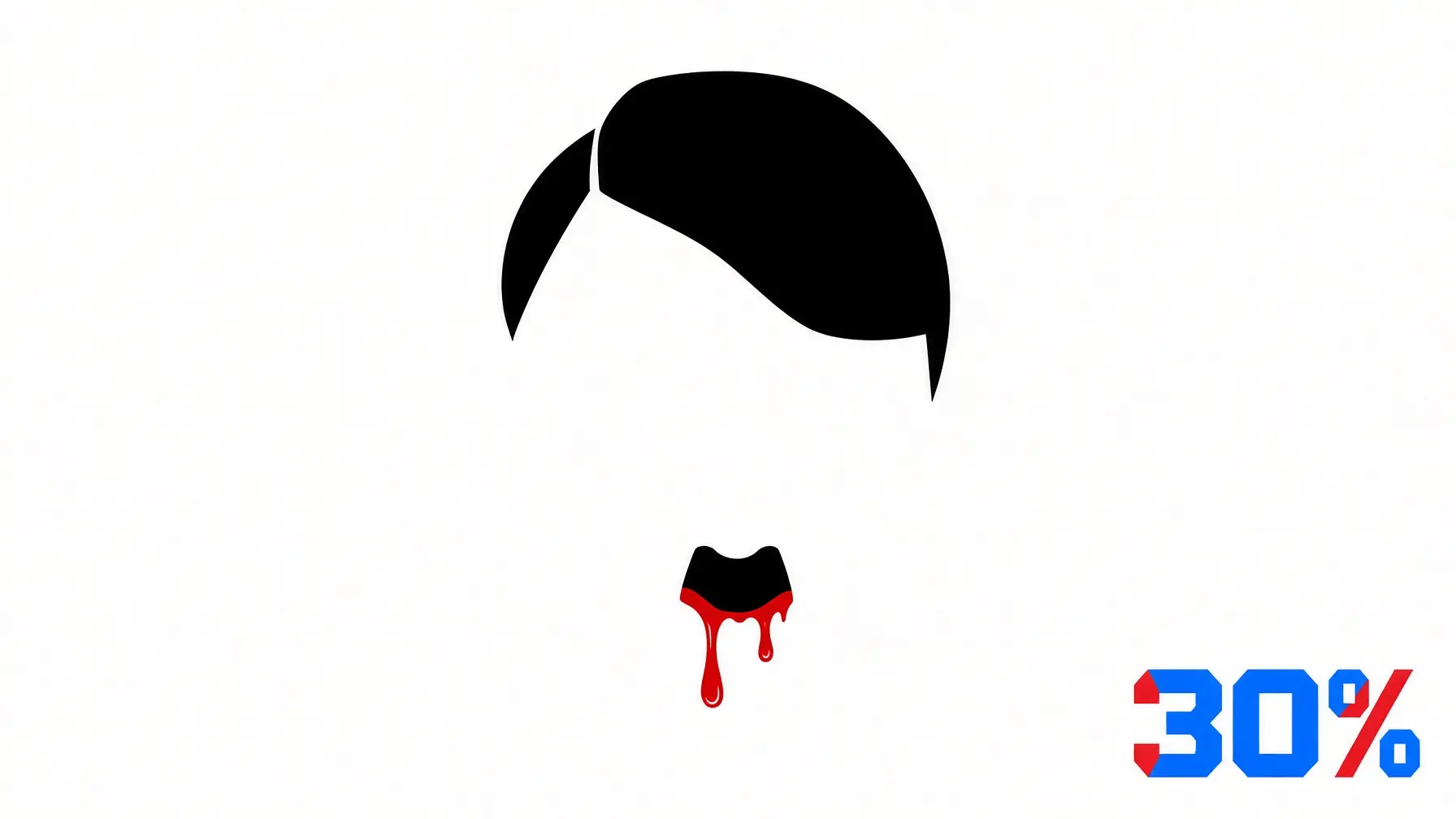
Sie sind wieder da! AfD at 30 percent
The far-right Alternative for Germany (AfD) has reached 30 percent support nationwide for the first time, according to the Insa polling institute's surveys. In the poll conducted for Bild and released on Saturday, Chancellor Friedrich Merz's conservative alliance, the CDU/CSU, stood at just 18 percent, giving the AfD a twelve-point lead. Both figures are records in the institute's data series:…