First test of the “Muslim NATO”: Turkey will not send troops to attack the Houthis
Turkey has ruled out sending troops to Yemen for offensive operations against Houthi forces, while remaining ready to provide assistance for the defense of Saudi Arabia, Foreign Minister Hakan Fidan said on October 8. The announcement marks out the practical limits of the Turkish–Saudi–Pakistani cooperation often referred to as the “Muslim NATO”: Ankara is willing to provide defensive support, but will not enter the war in Yemen as an attacking party.
Speaking at a press conference in Ankara with Hungarian Foreign Minister Anita Orbán, Fidan stressed that the agreement is defensive in nature, so supporting an ally under attack does not mean carrying out strikes on another country's territory. Turkish and Saudi military delegations are assessing what kind of assistance Riyadh needs, particularly in the fields of air defense, electronic warfare and technical support.
The three countries signed the joint defense agreement in Mecca in August, under which an armed attack on one member is regarded as an attack on all of them. On October 5, they already agreed on the immediate implementation of their collective defense commitments and on the rapid deployment of military forces and capabilities to Saudi Arabia, but the latest Turkish statement makes clear that Ankara does not interpret this as authorization for military operations against the Houthis in Yemen. The legal basis for the cooperation in Turkey has also not been fully settled, since parliament has not yet ratified the agreement, which is why, according to Turkish officials, the current assistance can mainly take place within a bilateral framework. Fidan said that preparations for parliamentary approval are largely complete and that the document would be submitted as soon as possible.
Ankara had already condemned on October 1 the Houthi attack on civilian infrastructure serving the Prophet's Mosque in Medina, and reaffirmed its support for Saudi Arabia, while urging that steps further escalating tension in the region be avoided. There is thus no talk for now of the alliance falling apart, but the first serious crisis has shown that Ankara draws a firm distinction between the promise of collective defense and taking on a war on the side of an ally.
Ugar
Did you like this article?
Support our work with a small donation
Secure payment via Stripe • Min. 2 EUR
Gesta recommendations:

Moldova: one step closer to EU accession
Moldova has officially been invited to present its negotiating position on two more chapter clusters of the EU accession process — the internal market, and competitiveness and inclusive growth — announced Deputy Prime Minister for European Integration Cristina Gherasimov. The development, unveiled on October 7, is preparing the official opening expected at the next intergovernmental conference,…
The Ugar Has Finally Received an Answer from the RMDSZ!
We're joking, but it's actually serious.
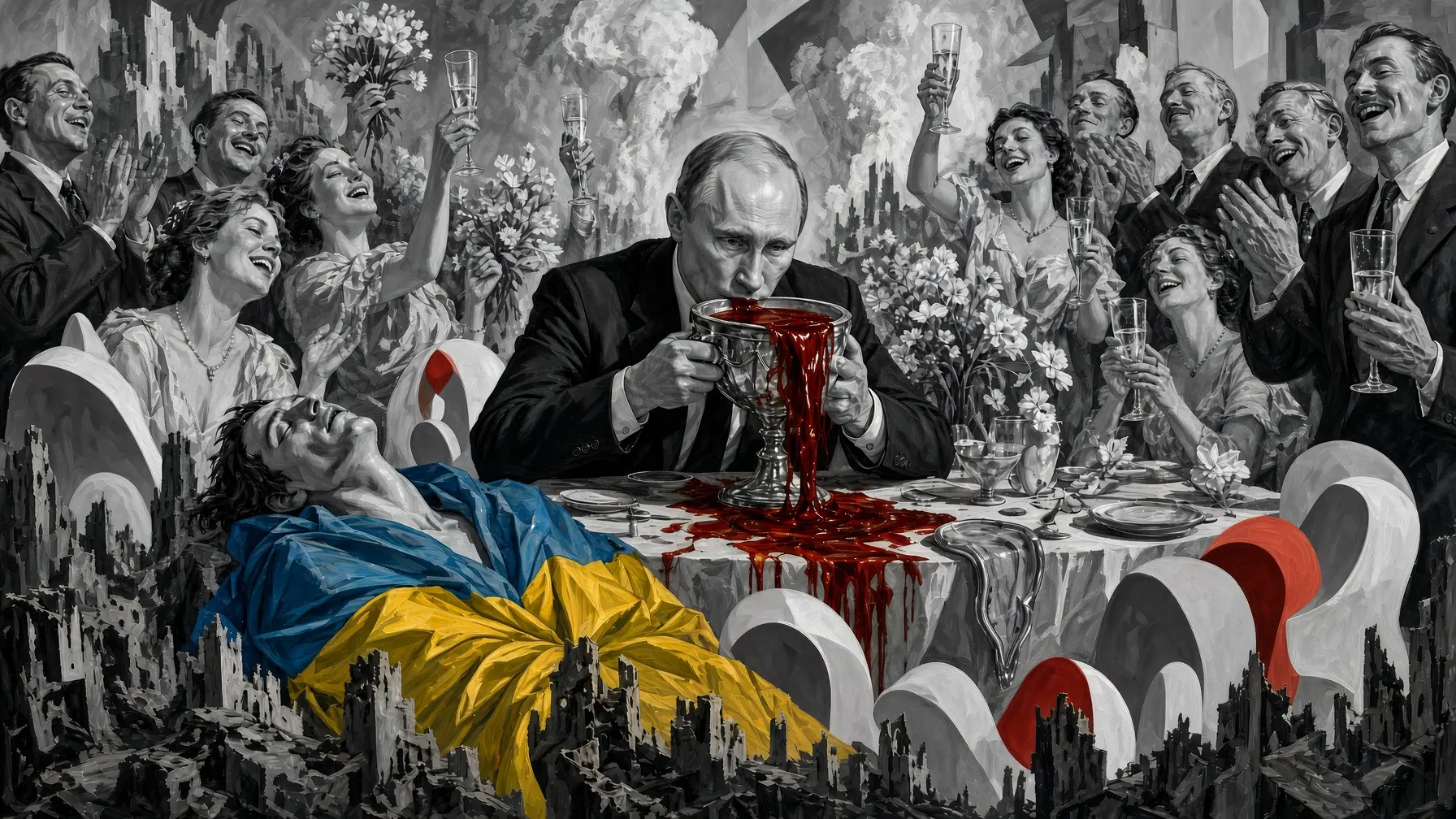
Happy Birthday, Comrade Putin! We deserve you!
Today is Vladimir Vladimirovich Putin's 74th birthday. What a pity for us, the civilized part of humanity — we would really have been satisfied with, say, 64 as his last blown-out candle, but the good Lord decided to put the sluggish Europeans to the test. I report that the test has taken place, and the result falls short even of the PISA scores.
God Doesn't Strike with a Club: A Plague Outbreak in Russia?
Donald Trump offered his help, the mainstream media reported, and the dim-witted American probably really did offer Moscow assistance in combating or preventing a plague outbreak — though for now it's unclear, since the whole affair is shrouded in exactly as much fog as things usually are in Russia. We know something is going on, and we know it's connected to the plague, but the Russian…
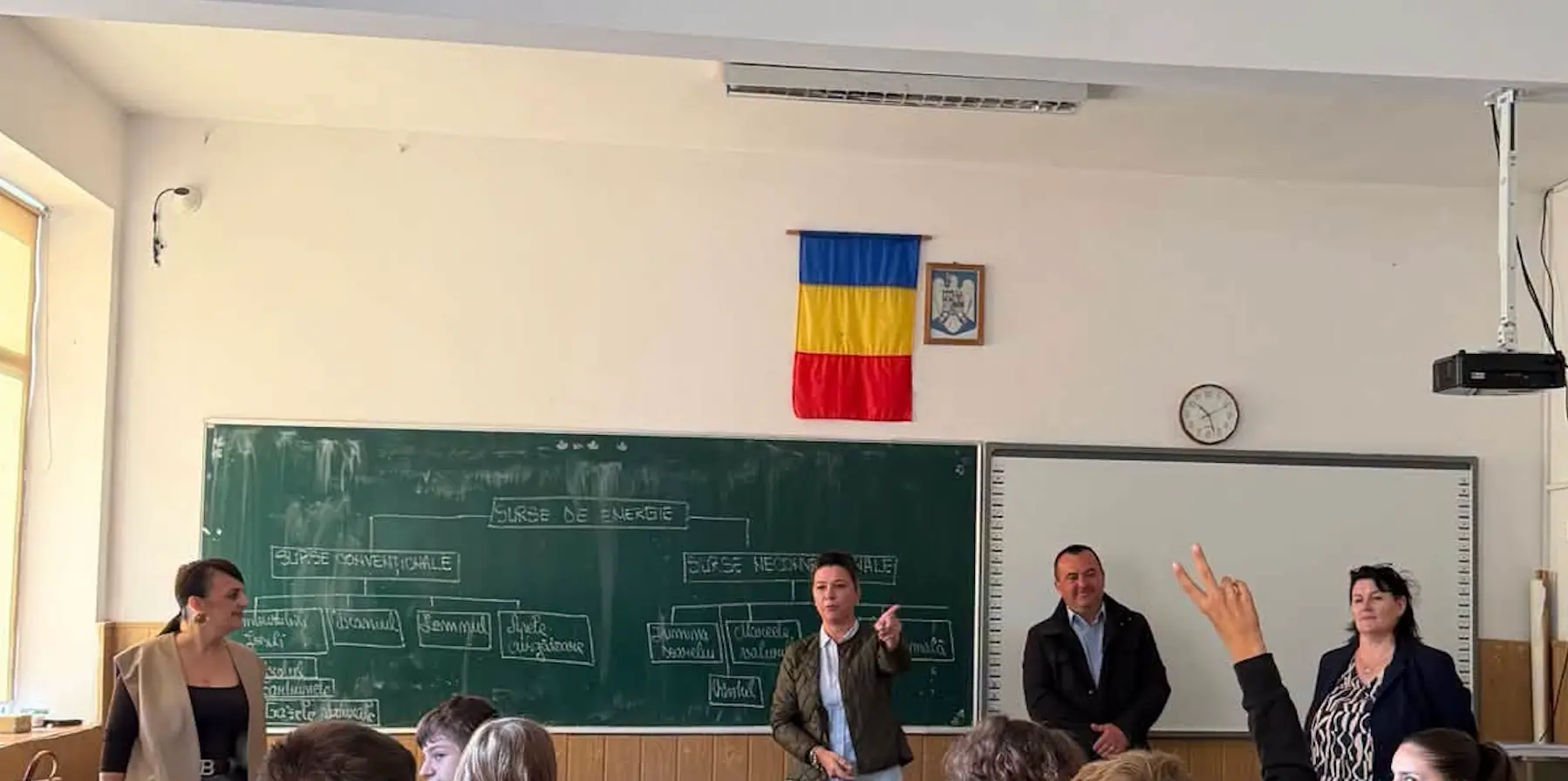
RMDSZ lawmakers are campaigning to elementary school students, right in the classroom!
Do you still remember, dear old children, dear eternal children, when the portrait of Nicolae and Elena Ceaușescu and the list of their titles greeted us on the first page of every textbook, and at the start of every school year we thanked the Party for our textbooks — even when Romania had grown so poor that all we could thank the Party for were the textbooks that didn't exist?