Here is the US-Russian deal that stabs Ukraine in the back
The American-Russian negotiations on ending the war in Ukraine also extend to a multibillion-dollar oil deal, among whose potential beneficiaries are Donald Trump's supporters as well as Middle Eastern investors linked to the business networks of the two chief American negotiators, Jared Kushner and Steve Witkoff. This was revealed by Anton Troianovski and Eric Lipton, two journalists at The New York Times, in an article published on October 3. The summary below presents their investigative work and its line of reasoning. The authors spoke with eight people familiar with the months-long negotiations, who requested anonymity given the sensitivity of the matter.
The subject of the deal is Lukoil's extensive network of foreign assets: oil fields, refineries and gas stations around the world, ranging from oil extraction in Cameroon through European processing plants to filling stations in New Jersey. Earlier this year the Russian company valued its international assets at twenty billion dollars, but the exact price and structure of the sale currently being negotiated are unknown. The agreement requires approval from both Washington and the Kremlin, so despite Lukoil's formal status as a private company, the fate of the deal ultimately depends on the decisions of Trump and Vladimir Putin.
Putin raised the idea of the sale with Kushner and Witkoff at a meeting held in the Kremlin on September 5. According to one source, he wants to show the Russians that it is still possible to do business with the United States. The American negotiators replied that they would work on the matter: they saw the transaction as an opportunity both to win the Kremlin's goodwill and to lower global energy prices. For the buyers, the deal is especially attractive because American approval would free the assets in question from US sanctions, immediately increasing their value. This fits with Trump's approach to Russia. The president has spoken of the country as a major business opportunity since last year, while Kushner and Witkoff argue that the promise of restoring Western economic ties could encourage Putin to compromise on Ukraine. The administration has also recently shown openness to concluding certain agreements even before the war ends, signaling to Moscow the seriousness of its intent to reset US-Russian relations. The sale of Lukoil is one such possible agreement.
The sale process was originally triggered precisely by American sanctions. A year ago the Trump administration imposed sanctions on Lukoil, citing the need to put further pressure on Putin to stop the killing. As a result, the company was forced to sell its foreign assets, which drew the interest of investors worldwide. However, Washington retained control over the process, since American authorities decide on the application of sanctions and the issuance of the necessary licenses. Last November the US Treasury Department rejected a bid from the Swiss-based energy trader Gunvor, which has previous ties to Russia. At the time, the department called the company a puppet of the Kremlin and stated that as long as Putin continues the killing, it would not allow it to profit from the deal in question. In January, the Washington-based investment firm Carlyle reached a non-exclusive, preliminary agreement with Lukoil. Carlyle argued that bringing the assets under American ownership would serve Trump's push for “energy dominance.” Chevron also emerged among the potential buyers, but US approval of Carlyle's offer stalled for months.
Meanwhile, another group of investors came to the fore, whose composition had previously been reported by the Financial Times as well. It is led by Todd Boehly, co-owner of the Los Angeles Dodgers baseball team. Boehly has supported Trump's political causes with a total of two million dollars: in December 2025 he gave one million to the MAGA Inc. political action committee, and another million through his investment firm Eldridge Industries toward the presidential inauguration. His experience in the oil and gas industry is relatively limited; he built his fortune mainly through investment ventures, sports teams and entertainment industry holdings, which include Bruce Springsteen's music catalog. What makes this group of buyers unusual is that the US government would also acquire a stake in it. The U.S. International Development Finance Corporation (DFC), which finances and lends to foreign investments, would now take part in purchasing the Lukoil assets. The institution justified its possible involvement by citing the strengthening of American economic security, support for foreign policy goals, and lowering energy prices for American consumers. An official also stressed that the deal could bring significant profit to American taxpayers, improve allies' energy security, and keep strategic infrastructure out of the hands of adversaries.
The purchase would also involve significant Middle Eastern capital. One of the major owners would be a group of companies operating in Qatar, controlled by Moutaz and Ramez Al-Khayyat. The billionaire brothers, born in Syria and who moved to Qatar during the Syrian civil war, have in recent years built up oil industry interests and investment plans in Syria, Libya and Iraq. Both attended Trump's 2025 inauguration, and have since entered into a business partnership with Kushner and his wife Ivanka Trump to finance a multibillion-dollar luxury resort in southern Albania. This cooperation continued even during the Lukoil negotiations; during the year, Ramez Al-Khayyat and Ivanka Trump also met in Albania regarding the project.
The other major investor would be a fund based in Abu Dhabi, controlled by Sheikh Tahnoun bin Zayed Al Nahyan, the United Arab Emirates' chief national security adviser. Tahnoun's ties intersect with the Trump family and the American negotiators at several points. Another fund controlled by him purchased a significant stake in the Trump family's crypto venture, World Liberty Financial, of which Witkoff was a co-founder and in whose operation Witkoff's son and Trump's sons are also involved. World Liberty brought Trump 799 million dollars last year, partly linked to a two-billion-dollar crypto purchase carried out in 2025 by one of Tahnoun's holdings. According to a person close to Witkoff, he has since sold his own stake in the company. The sheikh is also involved in overseeing the Abu Dhabi investment fund Lunate, one of the largest investors in the private equity firm Kushner founded after Trump's first presidential term. Tahnoun is thus also present in Kushner's business network.
The investigation does not claim that Kushner or Witkoff would personally profit from the Lukoil deal, nor does it present any evidence to that effect. The problem lies in the entanglement of diplomatic decisions and personal business connections: the American envoys negotiating the end of the war are involved in advancing a transaction from which their families' business partners and the president's supporters could profit. A senior government official confirmed that Kushner and Witkoff directly helped shape the financial terms of the US government's investment, securing a substantial upfront payment and a share of the profits for the United States. Witkoff's spokesperson, however, ruled out any conflict of interest or personal financial stake, emphasizing that the special envoy carries out his diplomatic work without pay, using his own plane and at his own expense.
Hui Chen, a former US Department of Justice prosecutor and corporate compliance expert, called this web of connections troubling. In her assessment, the case shows why it is problematic to place the president's friends and family members in leading foreign policy roles. The central question is how the administration evaluates competing bids, and whether the personal connections of those involved could influence the decision. Lukoil's Austria-based international division itself employed a Washington consultant close to Trump: Bryan Lanza, a former senior adviser to the 2024 presidential campaign, who works at Mercury Public Affairs. According to one source, Lanza no longer works for Lukoil. The deal is officially awaiting approval from the Treasury Department, which oversees sanctions, but according to those familiar with the process, the substantive decisions are being made at the White House. A Treasury spokesperson also stated that OFAC, which is responsible for enforcing sanctions, carries out the foreign policy set by the White House. On the Russian side, Kirill Dmitriev, Putin's special economic envoy, is also closely involved in the negotiations. In September he held talks in New York and Washington, and said that dialogue with the Americans continues in several areas, including energy.
The significance of the transaction is heightened further by the consequences of the Iran war. Lukoil's refineries in the Netherlands, Bulgaria and Romania produce diesel and jet fuel, which have been in short supply since the war began, driving up prices. This gives Trump additional incentive to support a deal that could improve energy supplies. However, the negotiations have dragged on so long that the Treasury Department has repeatedly had to extend temporary licenses, which allow American Lukoil gas stations and the company's other foreign assets to continue maintaining ties with their financial partners. The latest extension runs until October 29. The central question raised by Troianovski and Lipton's investigation, then, is to what extent the diplomacy aimed at ending the war in Ukraine is being shaped by the business opportunities being negotiated alongside it. In the Lukoil matter, the same Washington leadership sets the limits of sanctions, decides whether to approve the chosen buyer, negotiates with Putin, and would also enter the deal as a government investor — a deal whose private participants are connected through multiple threads to the president and his negotiators. The transaction has not yet been finalized, but the connections uncovered already show how deeply intertwined peace diplomacy, energy policy and the business world surrounding Trump have become.
A summary of the investigative article by Anton Troianovski and Eric Lipton published in The New York Times. The original article can be read HERE.
Translated and edited by: Anna Karczag/Ugar
Did you like this article?
Support our work with a small donation
Secure payment via Stripe • Min. 2 EUR
Gesta recommendations:

Rubio backs Guilfoyle: a green light for toppling governments in Europe?
U.S. Secretary of State Marco Rubio has publicly voiced his support for Kimberly Guilfoyle, the United States ambassador to Greece, after senior Democratic lawmakers called for an investigation into the diplomat's activities. According to a report by G4Media, the objections relate to the promotion of U.S. liquefied natural gas sales in Southeast Europe and to the ambassador's dealings with…
Albanian PM: Ukraine's EU membership is a lie
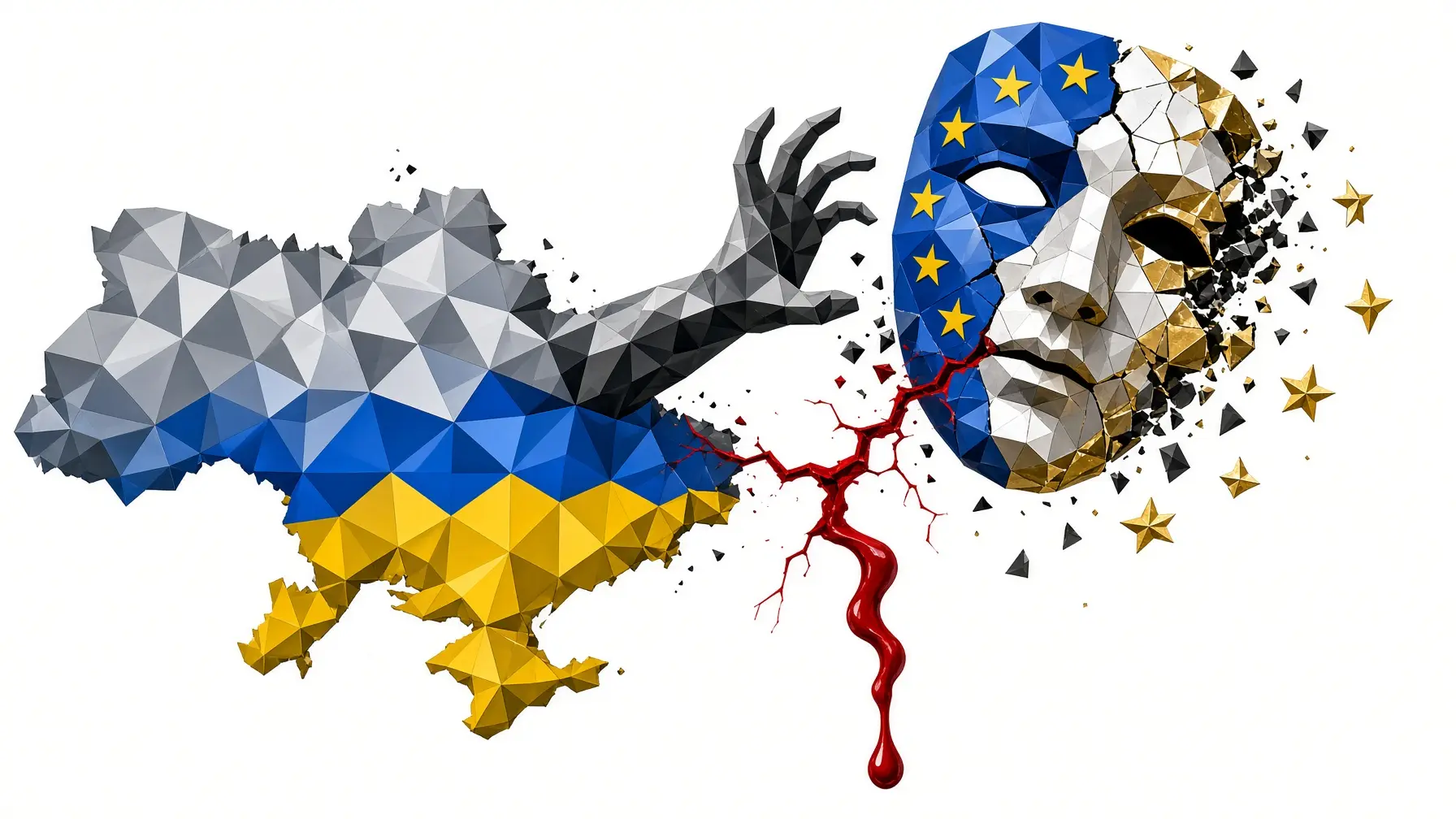
Albanian Prime Minister Edi Rama, in an interview with Die Welt, called the EU accession promises made to Ukraine a lie, because in his view, under the current conditions and following the usual procedure, the country will never be admitted. According to him, everyone knows this, and European officials even admit in private that the standard accession process is unsuitable for handling the…
Putin wants Kyiv evacuated so he can bomb it in peace
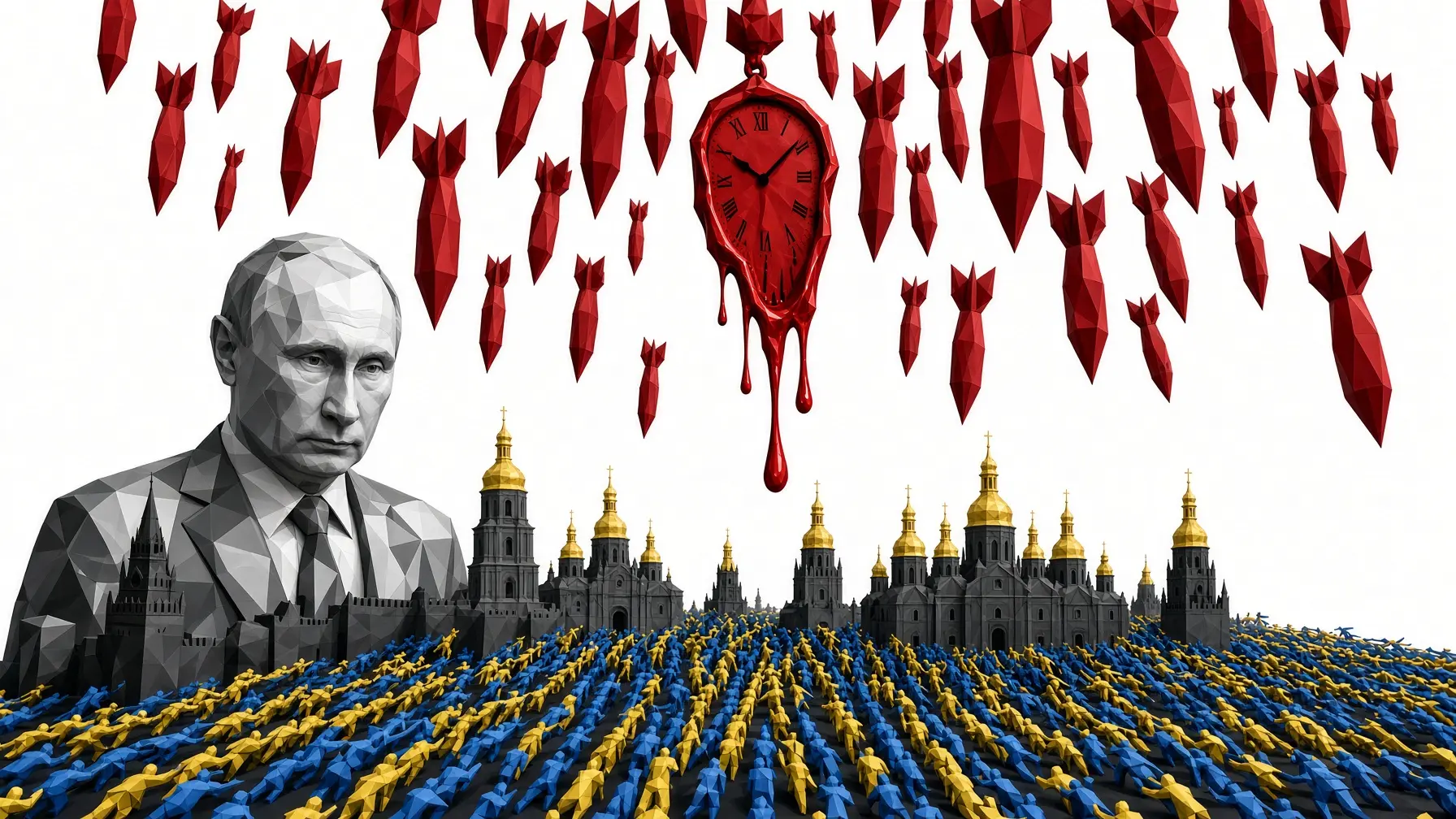
Russia has once again called on foreigners and diplomats in Kyiv to leave the Ukrainian capital, warning that the Russian army will continue its mass attacks. Saturday's statement from the foreign ministry even added that anyone who ignores the warning bears full responsibility for the consequences. What considerate killers: they warn in advance that they're going to shoot, and then it's the…
Axios: Trump's team held closed-door talks on next steps against Iran
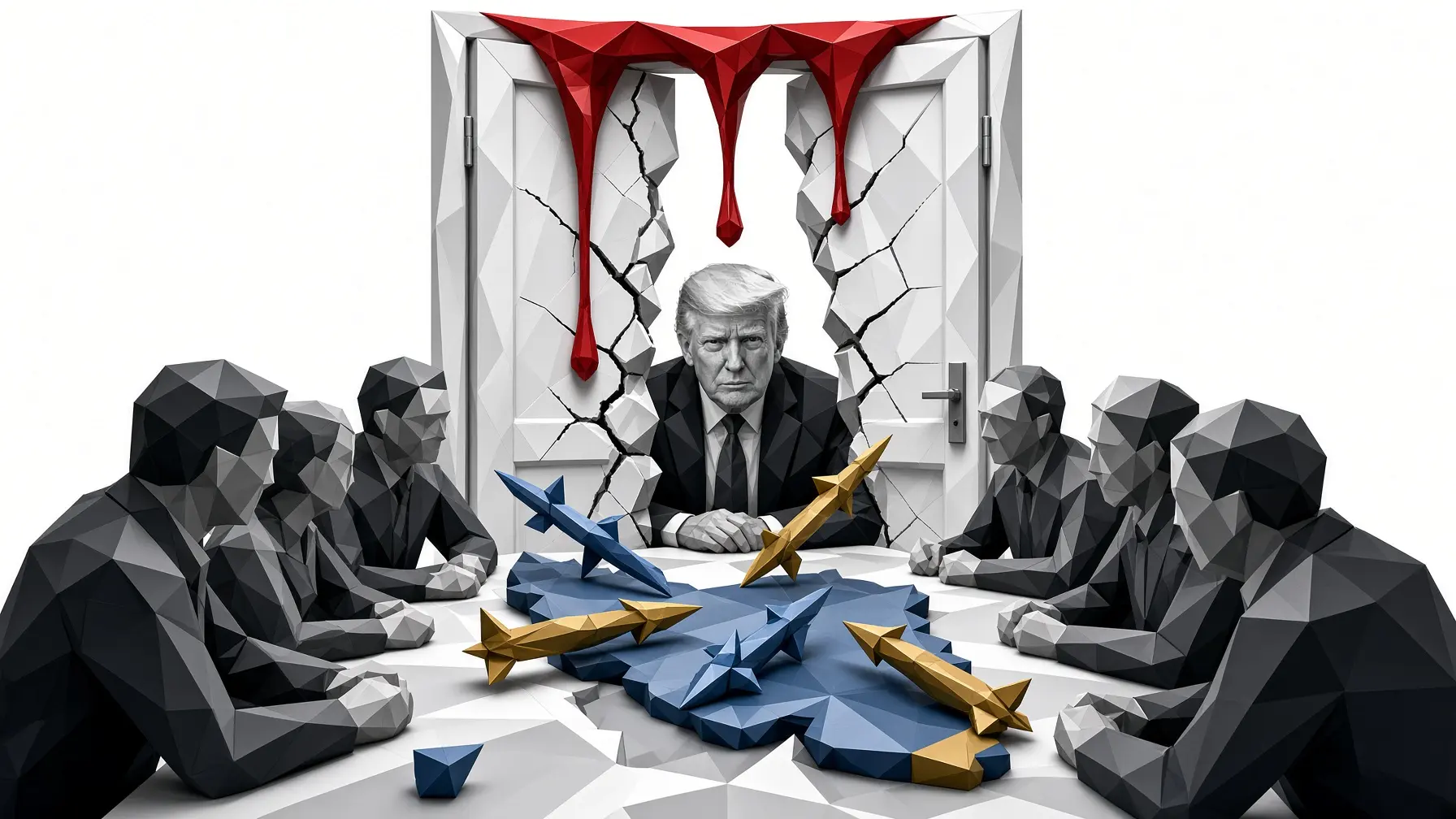
Several senior officials of the U.S. administration held a meeting lasting several hours at Camp David on Friday on the next steps regarding the war with Iran and the Houthi rebels in Yemen, Axios reported, citing three American officials. The administration did not announce the meeting and provided no details about the military or diplomatic options discussed there.
Sie sind wieder da! AfD at 30 percent
The far-right Alternative for Germany (AfD) has reached 30 percent support nationwide for the first time, according to the Insa polling institute's surveys. In the poll conducted for Bild and released on Saturday, Chancellor Friedrich Merz's conservative alliance, the CDU/CSU, stood at just 18 percent, giving the AfD a twelve-point lead. Both figures are records in the institute's data series:…