Le Pen's NATO trick: she'd stay only until someone declares the war over
Marine Le Pen has reassured Europe: for now, she would not withdraw France from NATO's integrated military command, at least not as long as Russia's war against Ukraine continues. At first hearing, this may sound like a responsible stance, but the wolf has only donned sheep's clothing without turning vegetarian: in the very same sentence, Le Pen confirmed that withdrawal remains her goal—she would merely postpone its timing.
A clarification is needed here: Le Pen would not end France's NATO membership altogether, but would withdraw the country from the alliance's integrated military command structure. France already operated under this special arrangement between 1966 and 2009: it remained a NATO member but did not fully participate in joint military planning and command structures. But what may have looked like French strategic independence in de Gaulle's day would, alongside a Russia that has attacked Ukraine and is besieging Europe with sabotage operations and cyberattacks, now amount to a deliberate weakening of the alliance's military cohesion. Le Pen has now said that "as long as war is raging at Europe's doorstep," the time for such a step has not yet come.
But the sentence leaves out the most important part: who decides, on what conditions and exactly when, that the war has ended? After a ceasefire? After a forced Ukrainian territorial concession? If Russia freezes the front line but does not renounce further attacks? Or would it be enough for a Moscow-friendly politician to simply announce that the Russians have won and everyone should go home? There is already a tested Central-Eastern European model for the latter. In August 2025, while still prime minister, Viktor Orbán declared that "Russia has won the war, and Ukraine has lost it." The war, of course, did not end, the Ukrainians did not lay down their arms, and Russia continued bombing their cities—but for Orbán's political conclusion, neither a peace treaty, nor a ceasefire, nor any particular involvement of reality was necessary.
This is exactly why Le Pen's condition is dangerous. "Until the end of the war" is not a solid security guarantee but a politically freely interpretable escape hatch. If she or one of her allies in Moscow decides to call a ceasefire, a frozen front, or a Ukrainian capitulation "peace," then the condition she herself set would already be fulfilled, and France's withdrawal from NATO's military command could begin. The sheep's clothing has slipped elsewhere too. Le Pen has stated that as president she would end financial support for Ukraine, and she continues to claim that France is not in conflict with Moscow, even though the Kremlin is attacking European states with cyberattacks, sabotage operations, disinformation and political influence campaigns. She would still allow military assistance and training, and is even willing to talk about a peacekeeping mission—but she would pull out of NATO's joint command at whatever moment she deems appropriate.
So this is not a break from Le Pen's previous, Moscow-friendly policy, but a repackaging of it, tailored for elections and made more palatable. The recipe is simple: promise during the campaign not to dismantle French NATO policy while the war is ongoing, then reserve for yourself the right to decide when the war is considered over—and if the Orbán standard becomes the benchmark, not even peace will be required for that.
Opinion
Tetszett a cikk?
Támogassa a munkánkat egy kis adománnyal
Biztonságos fizetés Stripe-on keresztül • Min. 2 EUR
Gesta-ajánló:
Kormányalakítási alkudozások: az RMDSZ kiharcolta az autonómiát
Alakul a román kormánykísérlet: a PNL, az USR és az RMDSZ felosztotta egymás között a minisztériumokat, Siegfried Mureșan kijelölt miniszterelnök pedig szombaton benyújtja a Parlamentnek a kormányprogramot és kabinetje névsorát. A miniszterjelöltek meghallgatását hétfőre tervezik, az izgalmak napja pedig – ha semmi nem borítja fel a menetrendet – kedd lesz, amikor a törvényhozás szavaz a kormány…
Világpremier: repülő drónok szállították az orosz vonalak mögé az ukrán harci robotokat
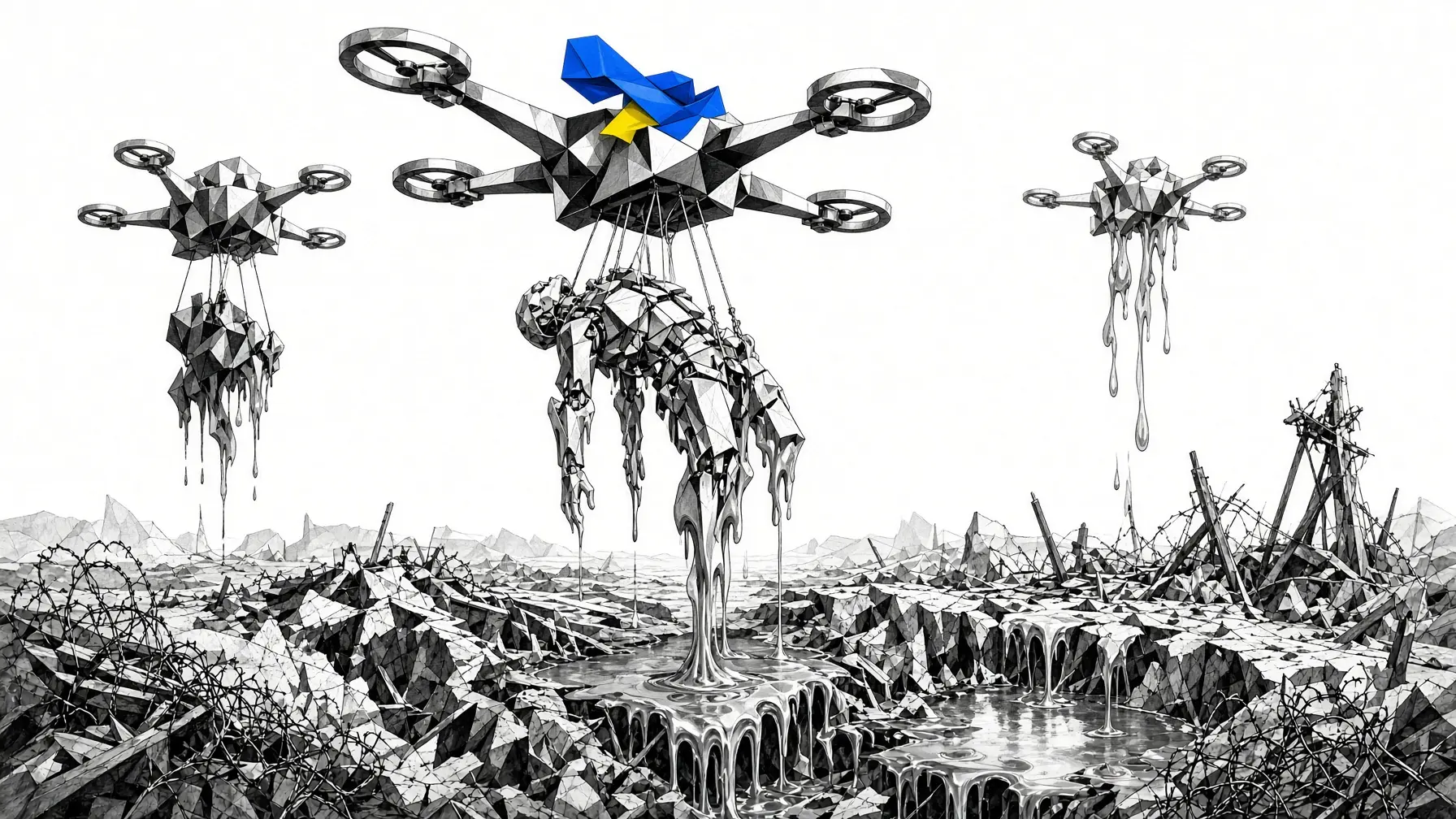
Az ukrán hadsereg Harmadik Hadteste közölte, hogy a Vivaldi hadművelet során 125 négyzetkilométernyi területet vont ismét ukrán ellenőrzés alá a Donyeck megye északi részén található Liman térségében. A művelet egyik legfontosabb újítása az volt, hogy nagyméretű repülő drónokkal robbanóanyaggal felszerelt szárazföldi harci robotokat szállítottak több mint tíz kilométerrel az orosz vonalak mögé.
Mesterséges intelligenciával keresik a föld alatti csőtöréseket Buzăuban
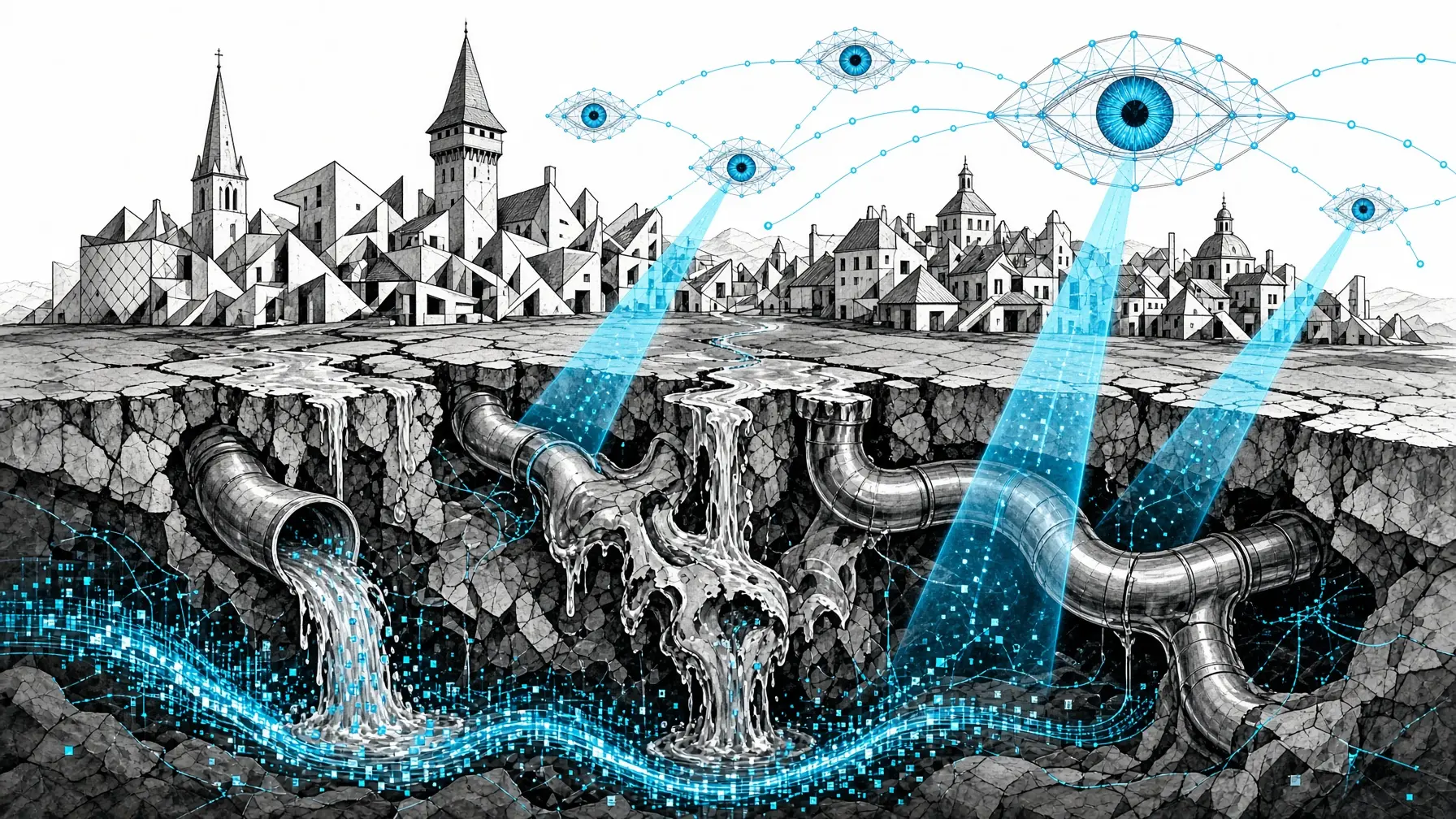
A Buzău megyei regionális vízszolgáltató mesterséges intelligenciával támogatott zajérzékelőkkel csökkentette a hálózat vízveszteségét. A rendszer a nyomás alatt álló vezetékekből kiszökő víz által keltett hangokat és rezgéseket figyeli, majd az adatok alapján kijelöli azokat a területeket, ahol valószínűleg rejtett csőtörés vagy szivárgás található.
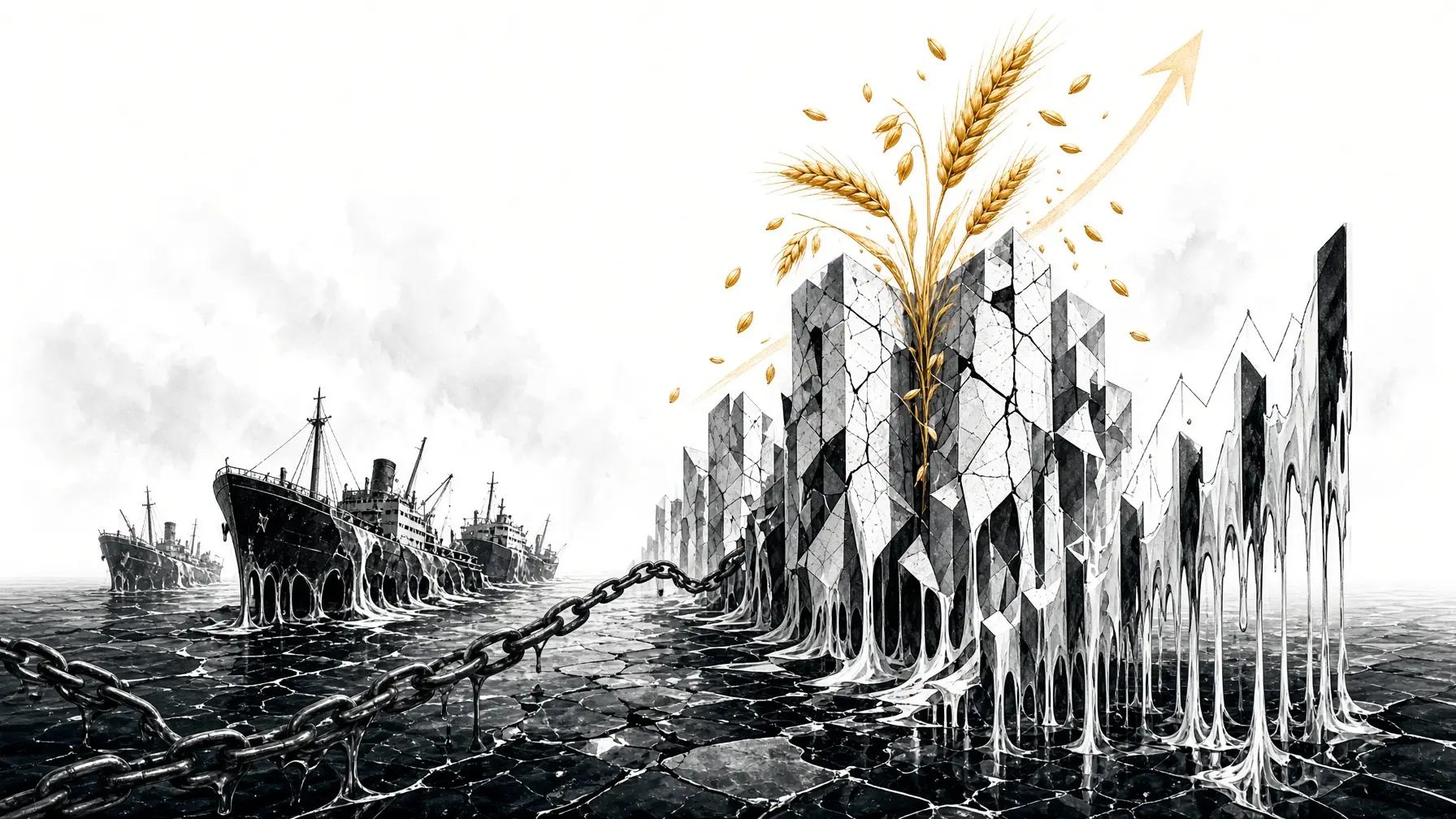
Megakadt a fekete-tengeri gabonakereskedelem, világszerte emelkedik a búza ára
Az orosz–ukrán háború tengeri kiterjedése gyakorlatilag megbénította a világ egyik legfontosabb gabonaexport-útvonalát. Az elmúlt hónapokban az orosz hadsereg fokozta az ukrán kikötők, gabonaterminálok és közlekedési csomópontok elleni támadásokat, Ukrajna pedig válaszul orosz kikötőket, teherhajókat és logisztikai létesítményeket vett célba. Az eredmény: az orosz és ukrán tengeri gabonaexport…
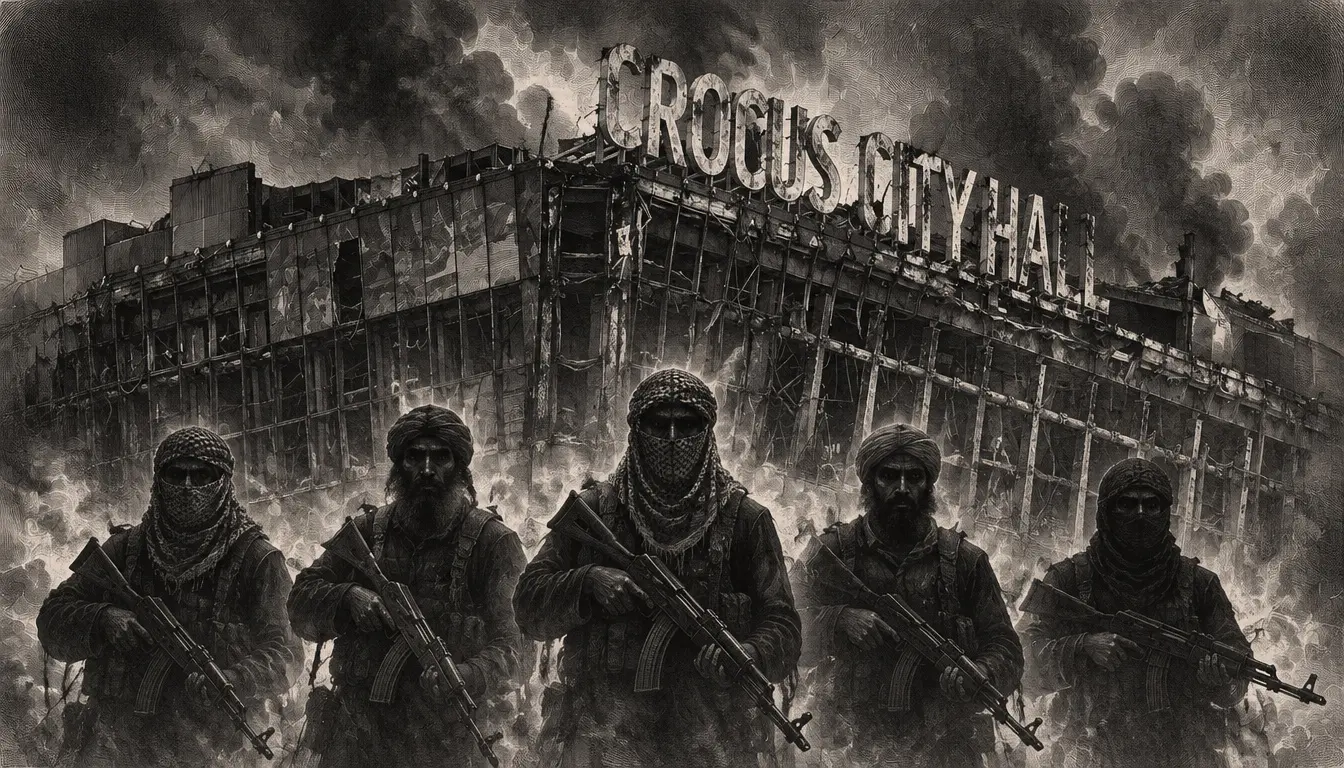
Szele Tamás: A Crocus-paradoxon
Míg az orosz hatóságok szerint Kijev a bűnös – hiszen ehhez ragaszkodnak, körömszakadtáig is – remény sincs a valódi gyilkosok, felelősök és szervezők megbüntetésére.