When Tehran Campaigns for Trump's Republicans
Six and a half months of war, a "most ruthless economic operation of all time," a president who demanded a white flag and threatened to bomb his own ally, Oman — and now Tehran generously offers to reopen the Strait of Hormuz within a week, on one condition: that Washington first takes its foot off its throat. A senior Iranian official told Reuters on Tuesday in New York that Iran could reopen the strait within seven days if the United States eases military pressure and lifts the blockade of Iranian ports. That's a bit humiliating. More precisely: very much so.
What's more, Tehran is writing the choreography of the offer itself.
"The United States must announce that it wants to resolve the issue diplomatically, make this official, and then agree on a timetable for how the process will move forward"
the official said. In other words, it's not Iran begging for talks — Washington must first publicly declare that it wants to negotiate. According to the Japanese news agency Kyodo, the proposal was approved by Supreme Leader Ali Khamenei and the Supreme National Security Council, and was already conveyed to the Americans through intermediaries on September 16. The Iranian delegation to the UN arrived in New York with "full authorization," and the details of a ceasefire can be negotiated by anyone through intermediaries. With one exception: Iranian President Masoud Pezeshkian, who departed for New York on Tuesday morning, will not meet with Trump, according to the official. So the "world's greatest businessman" is left with his adversary sending messages through intermediaries, while flatly refusing a personal handshake.
"The UN General Assembly is a golden opportunity for the United States to return to diplomacy"
the Iranian source added, in roughly the tone of a bartender calling out last orders before closing time.
Of course, the offer came with a threat attached. On Sunday, Iran's central army command announced that, according to its intelligence, the United States is preparing to resume military operations with the support of certain countries in the region, and that Iran would respond "without limits or restraint" — carrot and stick, except this time Tehran is handing out both.
In any case, the market reacted faster than the White House. On the news, along with reports that Saudi Arabia had restarted its east–west oil pipeline, which had been shut down since early September due to a drone attack, the price of crude oil fell to its lowest level in two weeks. Worth noting: according to CNBC, reports about the offer are based on a single anonymous source that could not be independently confirmed. That didn't matter to the oil market either — one sentence from Tehran moved prices more than half a year of Trump's threats.
And here comes the most piquant part of the story. According to the latest Reuters/Ipsos poll, Trump's approval rating has fallen to 32 percent, with more Republican voters now dissatisfied with his economic policy than supportive of it, and only a quarter of Americans approve of his handling of the Iran war. The price of a gallon of diesel has hit a record high, and there are six weeks left until the November 3 midterm elections. If Trump accepts the offer, even the news of the strait's reopening could push down oil prices, finally giving Republican candidates something good to say about the gas pump. In other words, as things stand, the best campaign gift the Republican Party could get would come from Tehran. The ayatollahs' regime has thus become one of the main players in the American November elections — they will decide when and under what conditions American gasoline gets cheaper.
This situation was not created by Tehran, but by Trump. He started the war in February with the promise of ending it quickly, he demanded a white flag, he declared economic warfare when bombing failed to produce results, and just a month ago he was still saying there were and would be no negotiations. Now he must choose between two bad options. If he accepts the offer, he lifts the blockade and admits that Iran has not been broken. If he rejects it, gas prices stay high, voters' anger remains, and in November he pays the price. After six and a half months of war, the key to the strait is still in Tehran — only now it has become clear that the key to the Republican campaign lies there too.
Ugar
Tetszett a cikk?
Támogassa a munkánkat egy kis adománnyal
Biztonságos fizetés Stripe-on keresztül • Min. 2 EUR
Gesta-ajánló:
Mureșan: „vagy a mi kormányunk, vagy előrehozott választás". Az RMDSZ-t is kicsit falhoz lökte
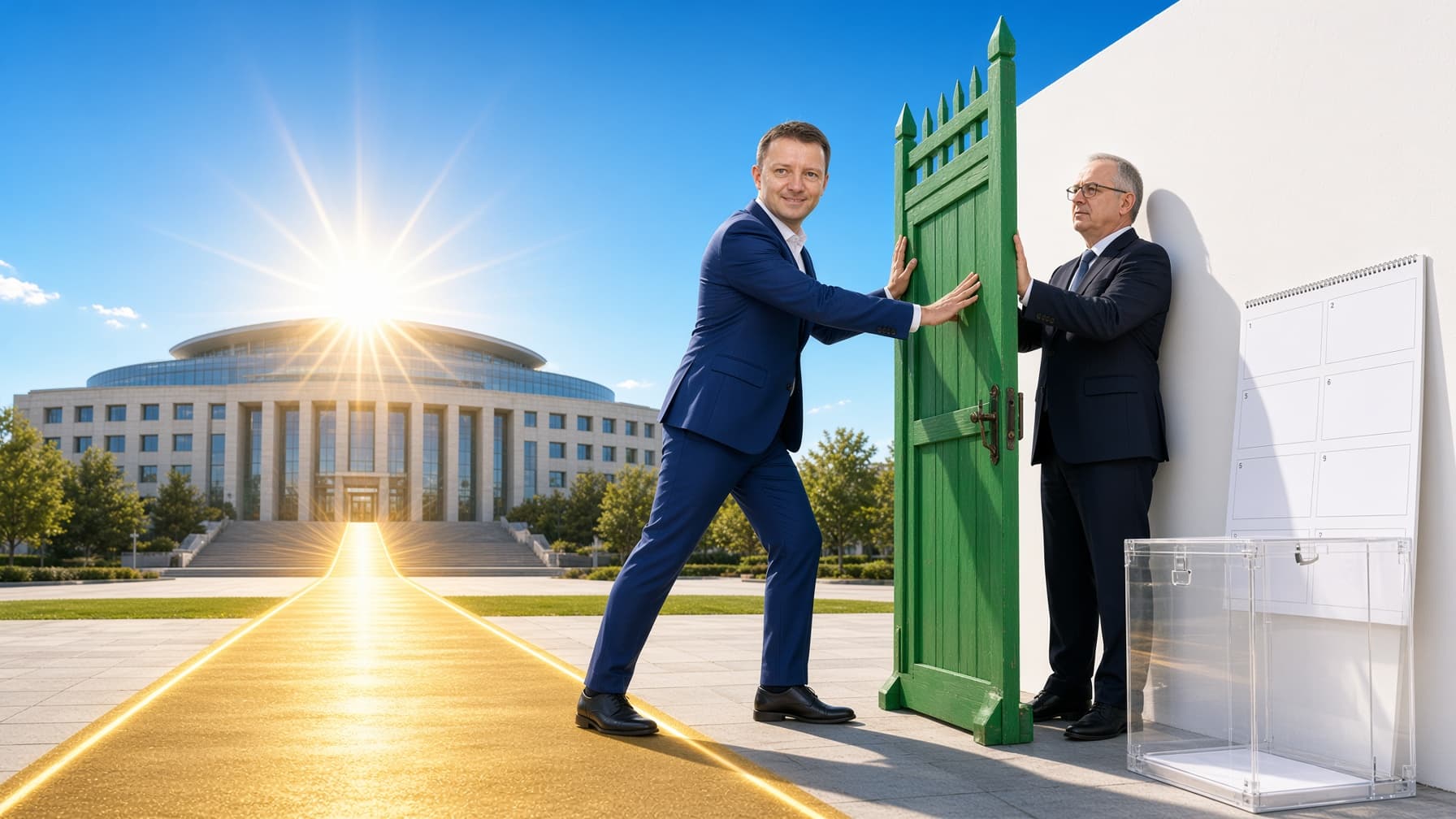
Siegfried Mureșan kijelölt miniszterelnök kedden a Nemzeti Liberális Párt (PNL) parlamenti frakcióinak ülésén közölte, hogy végigviszi a beiktatási eljárást, és a parlament elé áll a bizalmi szavazásra, noha a Szociáldemokrata Párt (PSD) bejelentette, hogy nem támogatja a kormányát.
A Georgescu-polip: nincs itt semmi orosz szál, csak egy kis Dugin
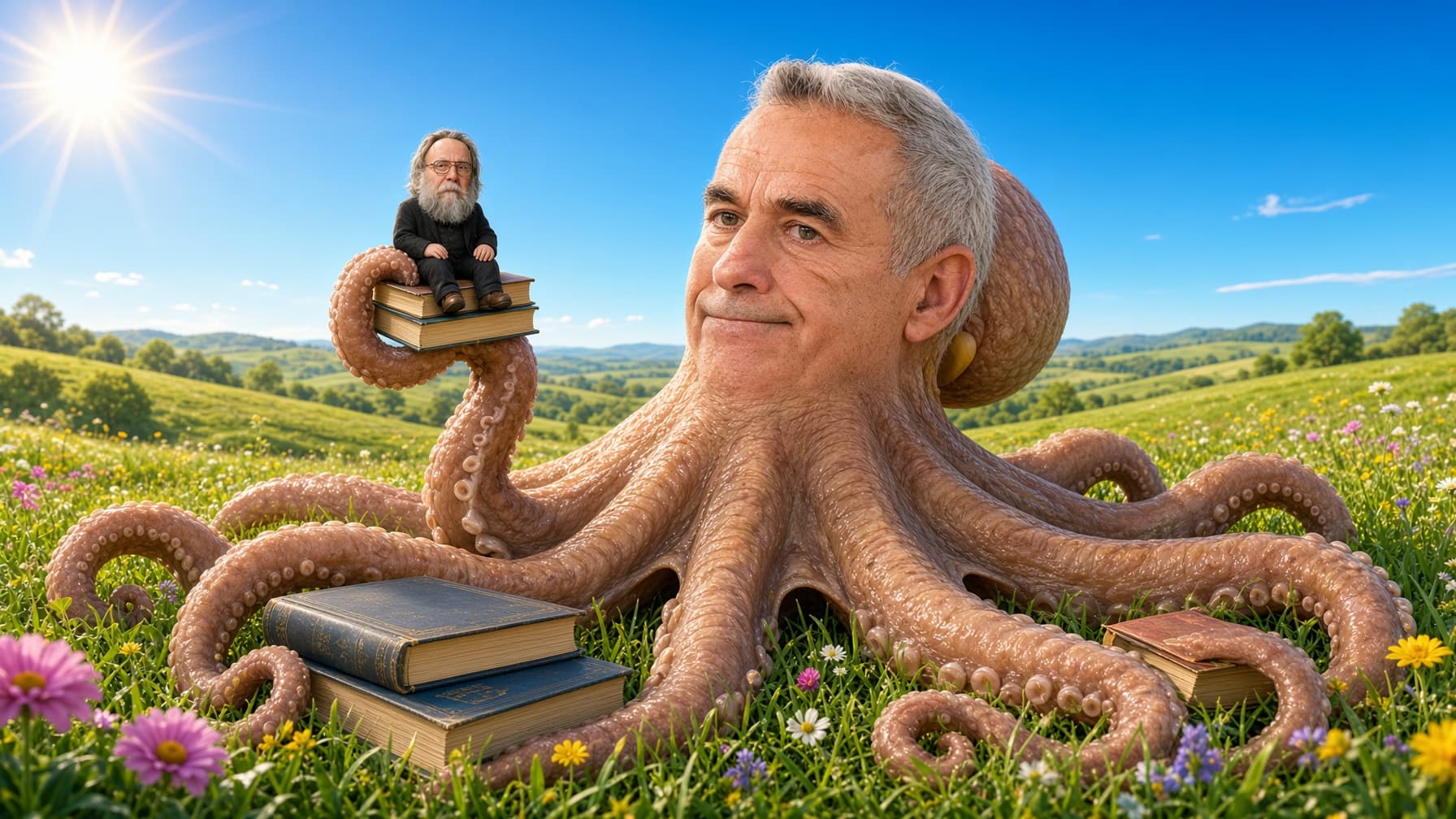
Călin Georgescu hívei tegnap óta azt harsogják a TikTokon, hogy a DIICOT ügye koholmány, az egymillió eurós csalás a „rendszer" bosszúja, Oroszországnak pedig semmi köze az egészhez. Hát persze, hogy semmi. Legfeljebb annyi, hogy a pénz az ügyészség szerint egy orosz kézben lévő bankon keresztül vándorolt a bűntársak számláira. Meg annyi, hogy az ember, aki a megkárosított üzletembert…
Hackerek törték fel a hackereket: a ShinyHunters átvette az orosz cl0p sötét webes oldalát
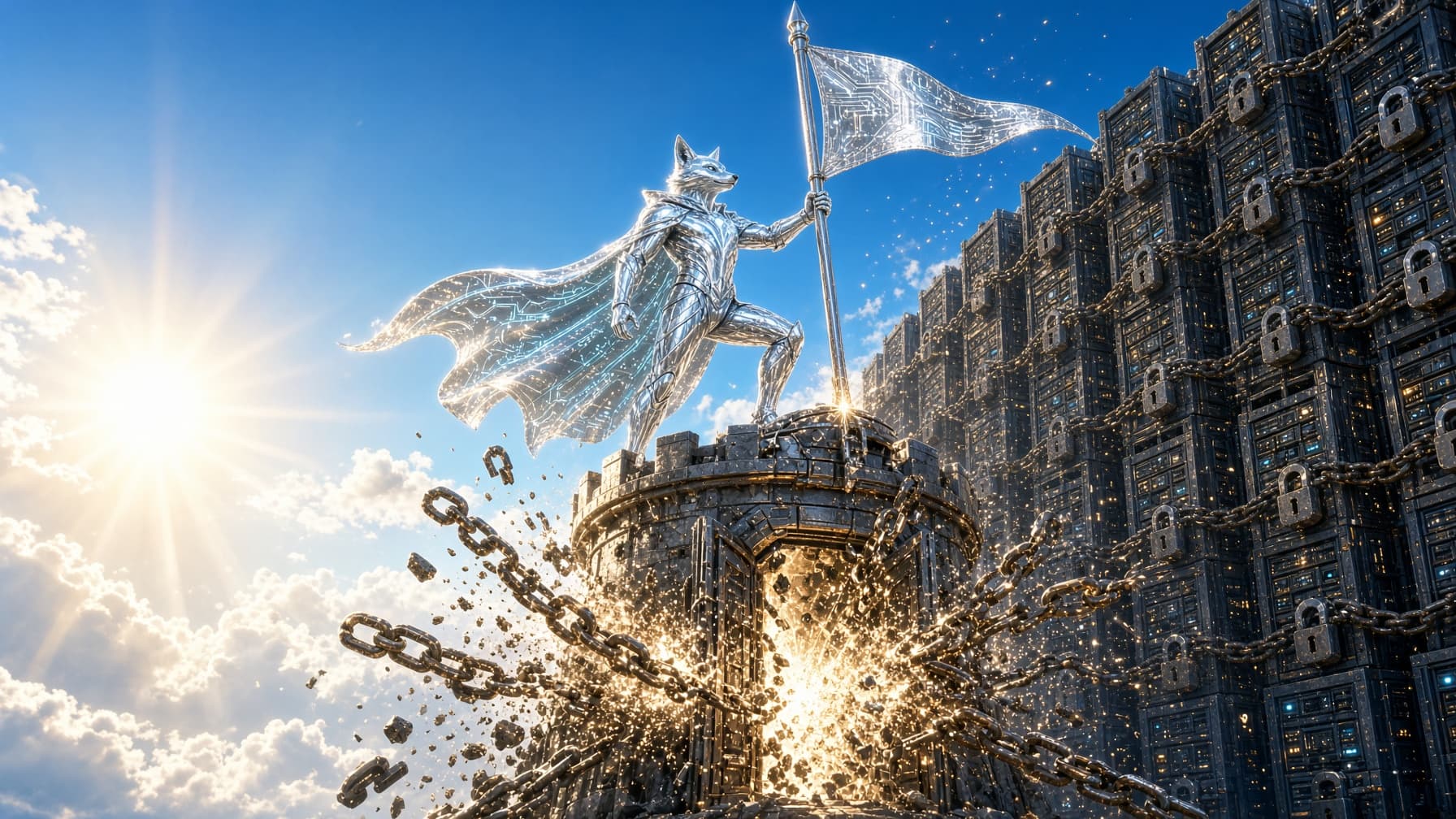
A világ egyik legismertebb kiberbűnözői csoportja, a ShinyHunters vasárnap azt állította, hogy átvette az irányítást fő riválisa, az orosz nyelvű cl0p sötét webes (dark web) oldala fölött. A lépés nyilvánosság elé hozta a két banda közötti régóta húzódó viszályt – írta a Reuters.

Szele Tamás: A menekülő forgatócsoport esete
Valamikori, nagyon kedves, sajnos már megboldogult főszerkesztőnőm egyik legtöbbet hangoztatott mondása jut eszembe, akkor szokta elővenni, ha valami borzalmas hibát látott egyik-másik sajtó(vég)termékben: „Ez valaha egy szakma volt...”
Nulla kockázat, száznál több ország: így építené fel a Revolut a globális bankot
Nik Storonsky, a Revolut alapítója és vezérigazgatója a Financial Timesnak adott hétfői interjújában felvázolta, milyen globális bankot szeretne építeni. A modell lényege, hogy a cég a betéteknek csak töredékét helyezné ki hitel formájában, így Storonsky szavaival „gyakorlatilag nulla kockázatot" vállal. A terv abban az időszakban kerül nyilvánosság elé, amikor a londoni fintechcég sorra szerzi…