
Estonia also says no to the return of Russian athletes
Even though the International Ski Federation would allow Russian and Belarusian athletes to return under a neutral flag, the Estonian government has informed the organization that for as long as the war against Ukraine continues, competitors from the two countries will not be allowed to take part in competitions held in Estonia. According to Tallinn, their participation would run counter to the support given to Ukraine and would give Moscow and Minsk an opportunity to use sport for propaganda purposes.
The Estonian Ministry of Culture sent its letter to the International Ski and Snowboard Federation (FIS) after the organization relaxed its rules on Russian and Belarusian competitors in September. Athletes may return in individual events under neutral status if they sign the required declaration and do not use their country's flag or other national symbols. Previously, athletes' backgrounds were also vetted more strictly, but that is now a thing of the past, since Europe is a continent led by the brain-dead, so even Prigozhin could compete now, were he still alive. FIS told the BBC that it is trying to help athletes, national federations and organizers in this situation, while acknowledging that decisions on entry and visas rest with the host countries. Estonia already stopped issuing tourist visas to Russian citizens in 2022, and from August of this year, even visas previously issued for purposes such as sports competitions could no longer be used to enter the country. The Estonian decision could affect several winter events. Otepää will host the Nordic skiing junior and U23 world championships in January, and the biathlon world championships will be held there in February. According to Estonian public media, the biathlon competition is organized by a separate international federation, so the entry rules there will be determined by that body's decisions.
Tallinn's move was preceded by decisions from Norway and Finland. The Norwegian government intends to prevent Russian and Belarusian elite athletes, as well as their support staff, from entering the country for competitions, citing the close ties between Russian elite sport and state institutions; the restriction could also affect the ski jumping World Cup in Lillehammer on November 20–22. Finland will tighten entry rules for Russian competitors from November 16, and the rule will also apply to those competing under neutral colors. Helsinki will soon have to deal with the reaction of international federations over the Ruka cross-country skiing World Cup, and in March over the figure skating world championships in Tampere.
Canada's position is more open: Ottawa is preventing Russian and Belarusian athletes from representing their countries under their own flag at Canadian competitions, but continues to leave the door open for those competing under neutral colors. Russia's national team will not be granted visas for the December junior ice hockey world championship, including players currently playing for Canadian teams.
Ice hockey has sparked a separate controversy after the Court of Arbitration for Sport overturned the International Ice Hockey Federation's ban on Russia in October. The decision was criticized by, among others, the British, German, Finnish and Czech federations, and several countries have indicated they are unwilling to take the ice against Russia. Meanwhile, the Estonian Olympic Committee is advising its athletes to continue competing in foreign competitions where they might face Russian or Belarusian opponents. Tallinn, then, is closing the door to them at home, but is not asking Estonian athletes to withdraw from their own participation abroad.
Ugar
Did you like this article?
Support our work with a small donation
Secure payment via Stripe • Min. 2 EUR
Gesta recommendations:
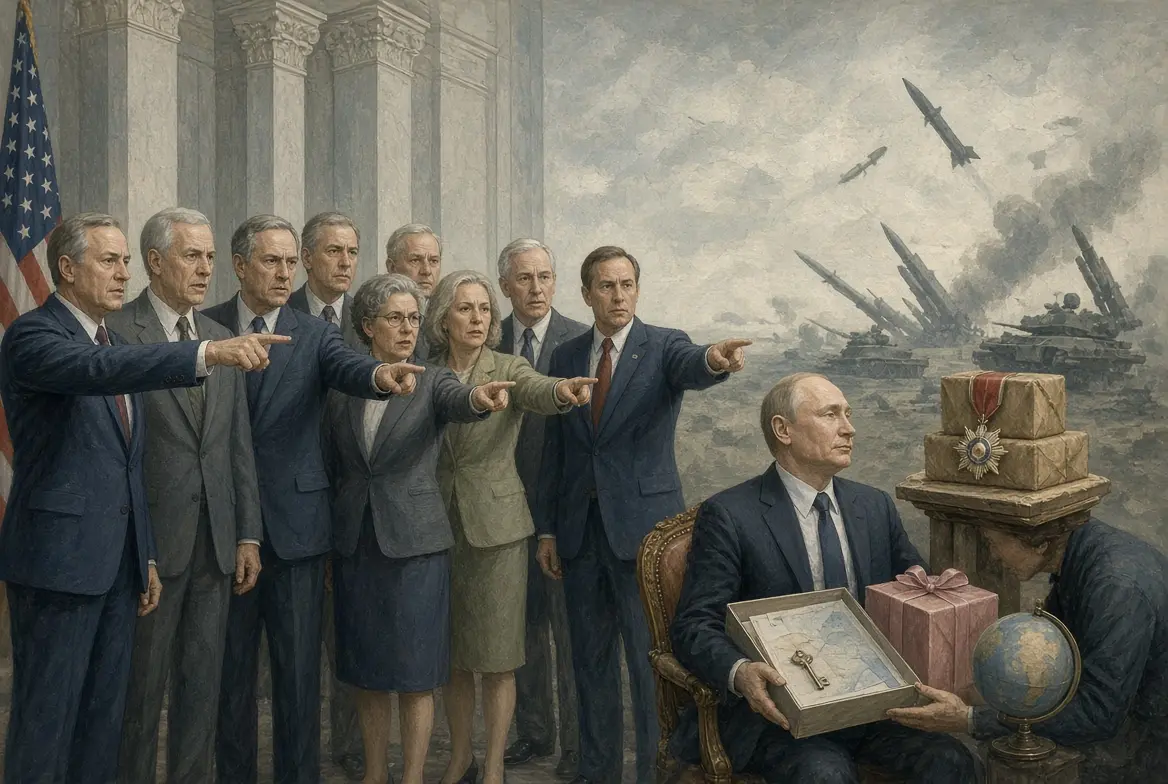
Eight former U.S. ambassadors warn: whoever rewards Putin is preparing the next war
Lasting peace cannot be bought from Putin through territorial concessions and the easing of sanctions, warn eight former U.S. ambassadors, including four former heads of mission in Bucharest. According to them, rewarding aggression would weaken NATO and increase the risk of a broader European war.
Alaska too turns away from the Republicans: not even three of them could stop the Democrat
For the first time in twenty-eight years, Alaska has elected a Democratic politician as governor: the 37-year-old Jonathan Kreiss-Tomkins defeated three Republican rivals, including one backed by Donald Trump. The youngest governor in the state's history campaigned on lowering the cost of living, fixing the funding of public schools, and a promise of cooperation across party lines, and won the…
Administrative reform: Maramureș is already rebelling
The PSD has not even agreed on how it would reorganize Romania's counties, yet one of its MPs is already hinting at leaving the party. Lucian Morar refuses to even hear about Maramureș being merged into an administrative unit centered on Cluj-Napoca, and is ready to turn against his own party in defense of his homeland. Whether he has actually already quit over this, or is merely threatening to…
The spy who boasted about bringing down a chancellor – while Europe kept dozing
Jan Marsalek, the fugitive former operations chief of Wirecard, boasted from Moscow that “we successfully brought down” Austrian Chancellor Sebastian Kurz. The network uncovered around him funneled phones belonging to the Interior Ministry to Russia, gathered data on refugees and journalists (it even obtained the home address of Christo Grozev, founder of the renowned investigative outlet…
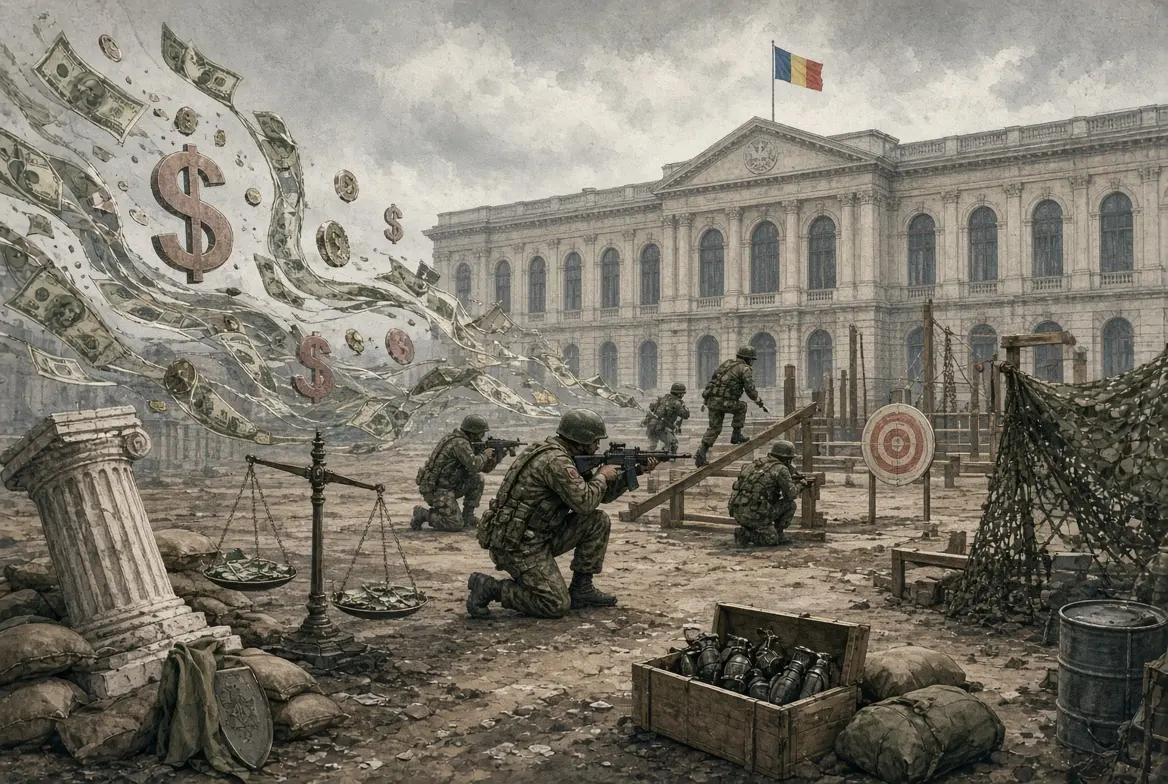
A good idea from Romania: paid military training
Voluntary basic military training could be joined by Romanian citizens — men and women over 18 who have not yet turned 35 by the start of the program and who have not previously served in the military, either as professionals or as reservists. At the end of the training, which would last up to four months, participants would be placed in the army's operational reserve, though those who wished to…