
Greece bans under-15s from social media
From January 1, 2027, Greece will ban young people under the age of 15 from using social media platforms, making it one of the first European Union member states to introduce such a strict age limit. The measure was announced on Monday in Athens by Minister of State Akis Skertsos, at a press conference attended by several members of the government.
The plan was already announced by Prime Minister Kyriakos Mitsotakis in April — fittingly, given the irony of the situation, on TikTok itself. According to Skertsos, it is time to address the risk of digital addiction, while Health Minister Adonis Georgiadis cited a survey of 2,500 students, according to which a quarter of pupils use social media excessively, and a fifth feel anxious or restless and have difficulty concentrating when they don't have their mobile phone with them.
Athens will rely on EU regulations to enforce the ban. According to Digital Governance Minister Dimitris Papastergiou, if platforms violate the rules, European oversight and sanctions mechanisms will come into play; under the EU's Digital Services Act (DSA), companies can be fined up to six percent of their annual global revenue for certain violations. The Greek announcement is part of a broader European process, since the European Commission presented its proposal called the EU Kids Act in September, which would regulate the online protection of minors at the EU level. According to the draft, children under 13 would not be allowed to use social media at all; between the ages of 13 and 15, children could only use limited-function “mini accounts” created and supervised by their parents, for a maximum of one hour a day, while for those aged 15 to 18, platforms would be required to implement mandatory safety-by-design solutions. According to European Commission President Ursula von der Leyen, Europe has the power to act, and the rules should be set by Europeans, not by Big Tech; the Commission is also proposing that platforms be required to prove compliance with child protection obligations, and is preparing a Digital Fairness Act that would, among other things, target design tricks that encourage excessive use.
The Greek government is thus moving faster and more strictly than the EU proposal: while Brussels would allow supervised access between the ages of 13 and 15, Athens is introducing a complete ban. The question that the announcement does not yet answer is the same one every similar attempt runs into: how will users' ages be verified without requiring every adult to prove their identity as well, and without creating yet another massive personal database? Australia, which last December became the first country to introduce a 16-year age limit, has found that children find loopholes surprisingly quickly, and that platforms are not particularly enthusiastic about turning away their youngest users themselves. What is at stake with the Greek ban, then, is not only whether children will spend less time in front of their phones, but also whether a member state is able to enforce its own rules against global tech giants. In this, Athens is relying on EU law — the very DSA that the Trump administration regularly brands as a tool of censorship.
Ugar
Did you like this article?
Support our work with a small donation
Secure payment via Stripe • Min. 2 EUR
Gesta recommendations:
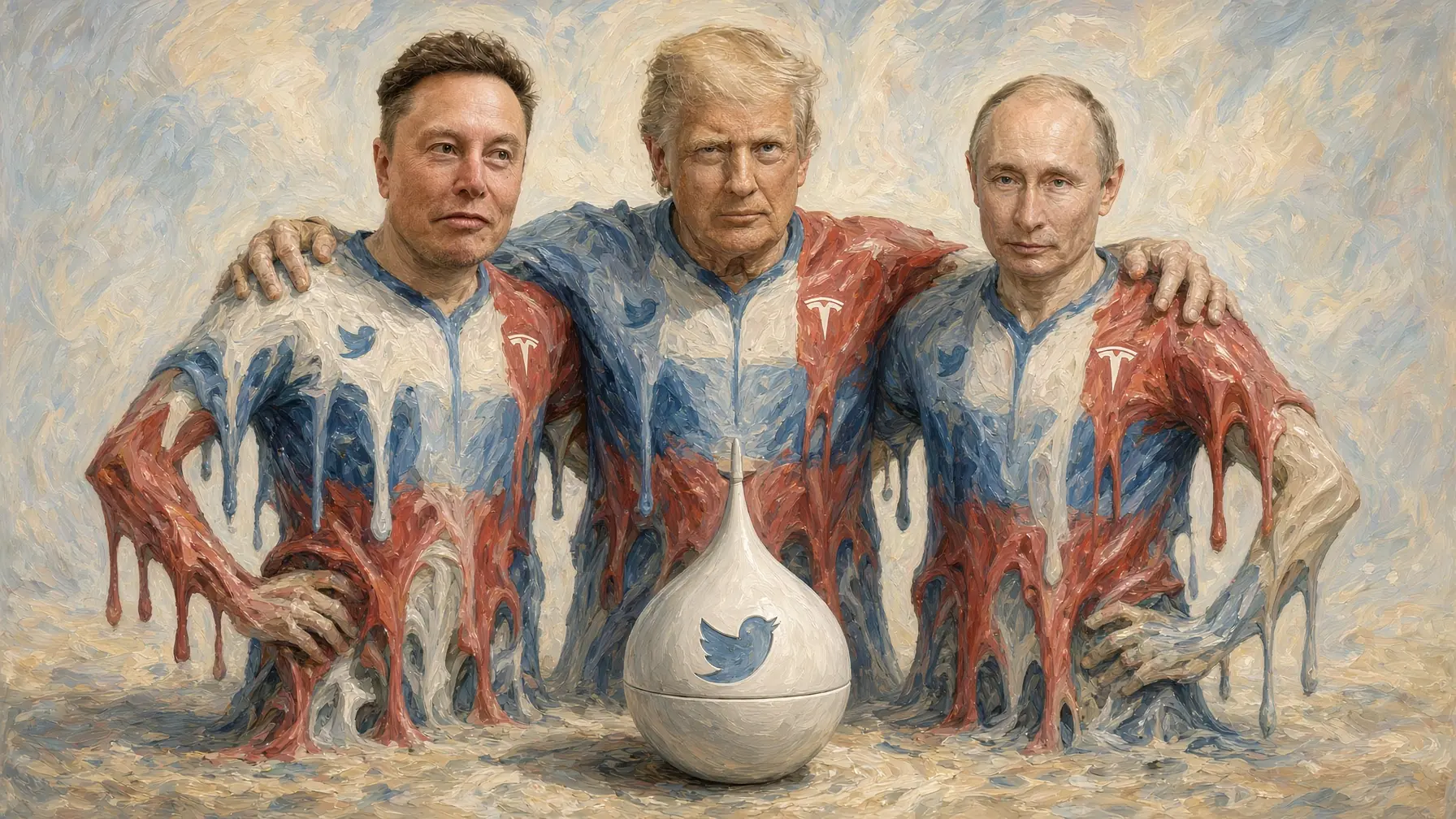
According to the French foreign minister, Musk, MAGA and the Kremlin are playing on the same team
According to French Foreign Minister Jean-Noël Barrot, foreign actors are trying to influence France's 2027 presidential election, and this time he put not only Moscow but also Elon Musk, the richest man in the world, at the top of the list of those seeking to undermine European democratic debate.

Trump says Putin wants peace. Moscow illustrates this with more bombings
According to US President Donald Trump, Vladimir Putin would rather have a peace deal than Volodymyr Zelensky. The statement was quoted by Sky News, and it came on the same day that the Russian army, despite the “energy ceasefire” announced by the American president, continued to bomb Ukraine's energy system.
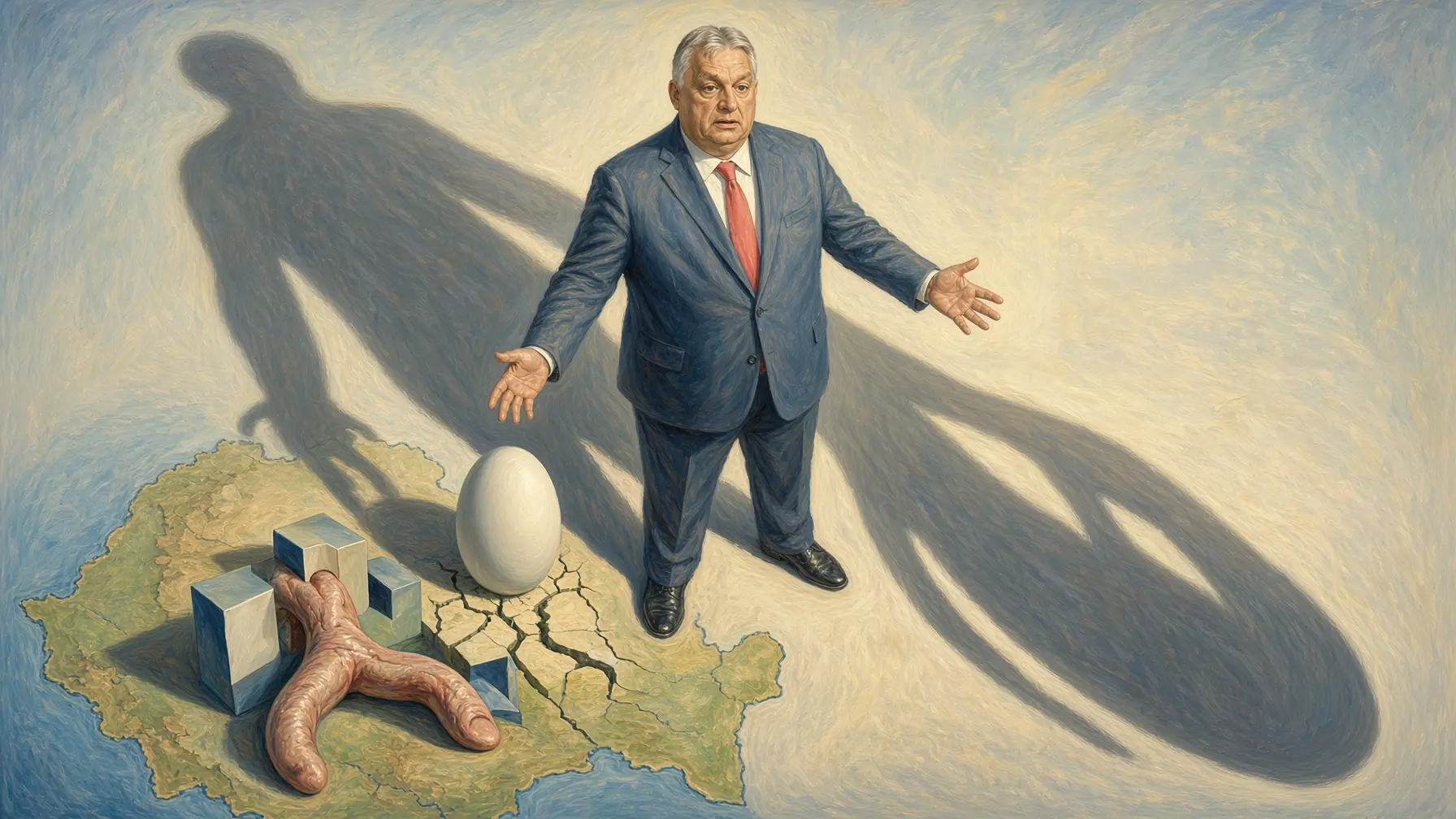
Is Romania Losing Its Veto Right? A Letter, a Lie, and Viktor Orbán's Long Shadow
On Monday, Romanian Foreign Minister Oana Țoiu point by point refuted the claim, spread mainly by AUR, that Romania is giving up its veto right or losing it within the European Union. The minister said this was "a lie from beginning to end," and that the document at the center of the dispute does not take away any member state's ability to block decisions — it merely requires that whoever uses…

Execution live: Washington would push ahead in jihadist style
For the first time since the end of World War II, the United States military would carry out a death sentence by firing squad, and according to a Pentagon official, the execution would be broadcast live on the internet. Nidal Hasan, a former army psychiatrist who opened fire on his fellow soldiers at Fort Hood military base in Texas in 2009 and killed thirteen people, was sentenced to death by a…

AI-turbocharged fraud learned from Russian spies has increased fourteenfold
An online fraud method is spreading rapidly, allowing attackers to break into private and corporate accounts without a password, even bypassing two-factor authentication. Romania's National Cybersecurity Directorate (DNSC) published on Monday in its quarterly report, which reviews the main IT threats of the period between April and June 2026, specifically warns of this danger. According to…