
According to the French foreign minister, Musk, MAGA and the Kremlin are playing on the same team
According to French Foreign Minister Jean-Noël Barrot, foreign actors are trying to influence France's 2027 presidential election, and this time he put not only Moscow but also Elon Musk, the richest man in the world, at the top of the list of those seeking to undermine European democratic debate.
According to an AFP report, in his closing speech at the OECD conference on building trust and strengthening democracy, Barrot said that the enemies of democracy are using every means available to destabilize France. They exploit divisions and use immigration, the principle of secularism, and even the Israeli-Palestinian conflict as tools to stoke hatred and tension. As examples, he cited an Israeli company that used fake accounts to generate artificial debates on the Palestinian issue, as well as Elon Musk's mass online harassment campaigns against European leaders, through which he exploits the viral power of his social network to undermine national debates, and he also spoke of the "insidious campaigns" suggesting that the next French presidential election will be rigged. According to Barrot, the high school student protests in France were also exploited by hostile narratives coming from Russia, China, Iran and the MAGA community made up of Donald Trump's supporters. At the end of his speech, he said: they see them, they expose them, and they respond to them without compromise, because they will not tolerate any foreign interference, wherever it comes from, since this is a matter of sovereignty.
That last sentence carries weight: a foreign minister of an EU member state names Russia, China, Iran and the movement of the sitting American president on the very same list, in a single sentence, thereby stating what many in Europe have only been whispering for months: today our democracy is not under attack from a single direction, because blows are also coming from our strongest ally. Trump himself provided proof that this is no exaggeration: last week, on Truth Social, he wrote that what is happening in France is nothing other than mass immigration that has become uncontrollable, and that it is not about schools but about Islam trying to seize "a once-great country" for itself. This sentence is, word for word, the language used by the French far-right and Russian propaganda channels that have for years been spreading the "great replacement" conspiracy theory, and now it is the president of the United States lending his voice to it, thereby stoking the internal social tensions of another country.
As for Musk, it has long ceased to be a matter of expressing an opinion, but has become one of systematic interference. In December 2024, he wrote in Welt am Sonntag that only the AfD could save Germany. In January 2025, he held a live conversation on X with Alice Weidel, co-chair of the AfD, and then addressed the party's campaign launch via video, where he said that Germans focus too much on the sins of their past. In the same month, he ran a weeks-long campaign against then British Prime Minister Keir Starmer, demanded he be imprisoned, and pushed for the release of the far-right agitator Tommy Robinson. At Donald Trump's inauguration, he made a hand gesture that much of the world interpreted as a Nazi salute, although he himself denied this. In December 2025, the European Commission fined X for violating the Digital Services Act, and the Paris prosecutor's office launched a criminal investigation into the possible manipulation of the platform's algorithm to facilitate foreign interference. Musk did all this while amplifying it on his own platform with his own algorithm — meaning that, as the owner of one of the world's largest communication infrastructures, he is interfering in other countries' elections in a way that Kremlin trolls can only achieve through rented bot farms.
Moreover, Musk is not alone, since a significant part of Silicon Valley's tech elite has shifted in the same direction over the past two years. In early 2025, Mark Zuckerberg scrapped Meta's fact-checking program in the United States and called European regulation censorship. In February 2025, Vice President J.D. Vance used the Munich Security Conference to attack European democracies instead of Russian aggression, and then met with Alice Weidel. Since then, the Trump administration has regularly branded European digital regulation a tool of censorship whenever it questions platform accountability. This circle cannot be called a Russian agent network, and it is not one: they do not get their money from Moscow, but spend their own, almost incomprehensibly vast fortunes on it, and this is precisely what makes them more dangerous. Yet their goals, their methods and their enemies coincide with frightening precision with the goals, methods and enemies of the Kremlin. They support the same parties, attack the same leaders, amplify the same narratives about immigration, "censorship" and "rigged elections," and want to achieve the same end result: a divided, weak Europe at odds with itself, incapable of defending either itself or Ukraine. Putin has never had such an effective ally in the West, and it has never cost him so little.
The most important message of Barrot's speech, therefore, is not about Musk, but about the fact that Europe must finally grow into its own sovereignty. Foreign interference does not become more acceptable just because it comes from California or Florida instead of Moscow. If France and the EU are serious about "seeing, exposing and responding without compromise," then the Digital Services Act must be applied to X with the same rigor as to any Russian propaganda channel, and whoever stirs up hatred from Washington must be named just as clearly as whoever does so from Moscow. European democracy will not fail because a foreign army invades it, but because it allows its own public space — through its own phones, its own algorithms — to be shaped by people who do not even know where Clermont-Ferrand is, but know exactly whom to hate there.
Ugar
Did you like this article?
Support our work with a small donation
Secure payment via Stripe • Min. 2 EUR
Gesta recommendations:
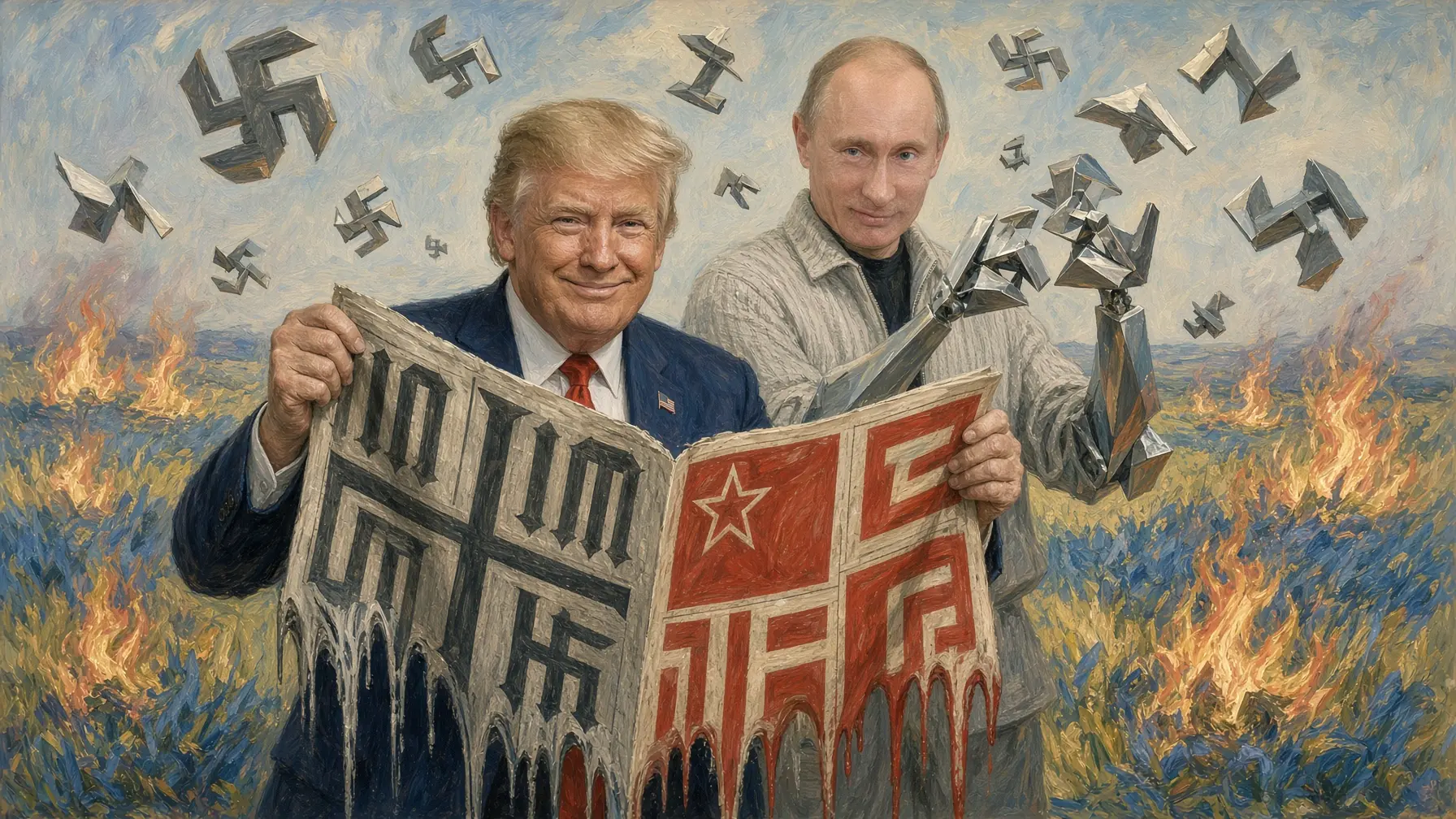
Trump says Putin wants peace. Moscow illustrates this with more bombings
According to US President Donald Trump, Vladimir Putin would rather have a peace deal than Volodymyr Zelensky. The statement was quoted by Sky News, and it came on the same day that the Russian army, despite the “energy ceasefire” announced by the American president, continued to bomb Ukraine's energy system.
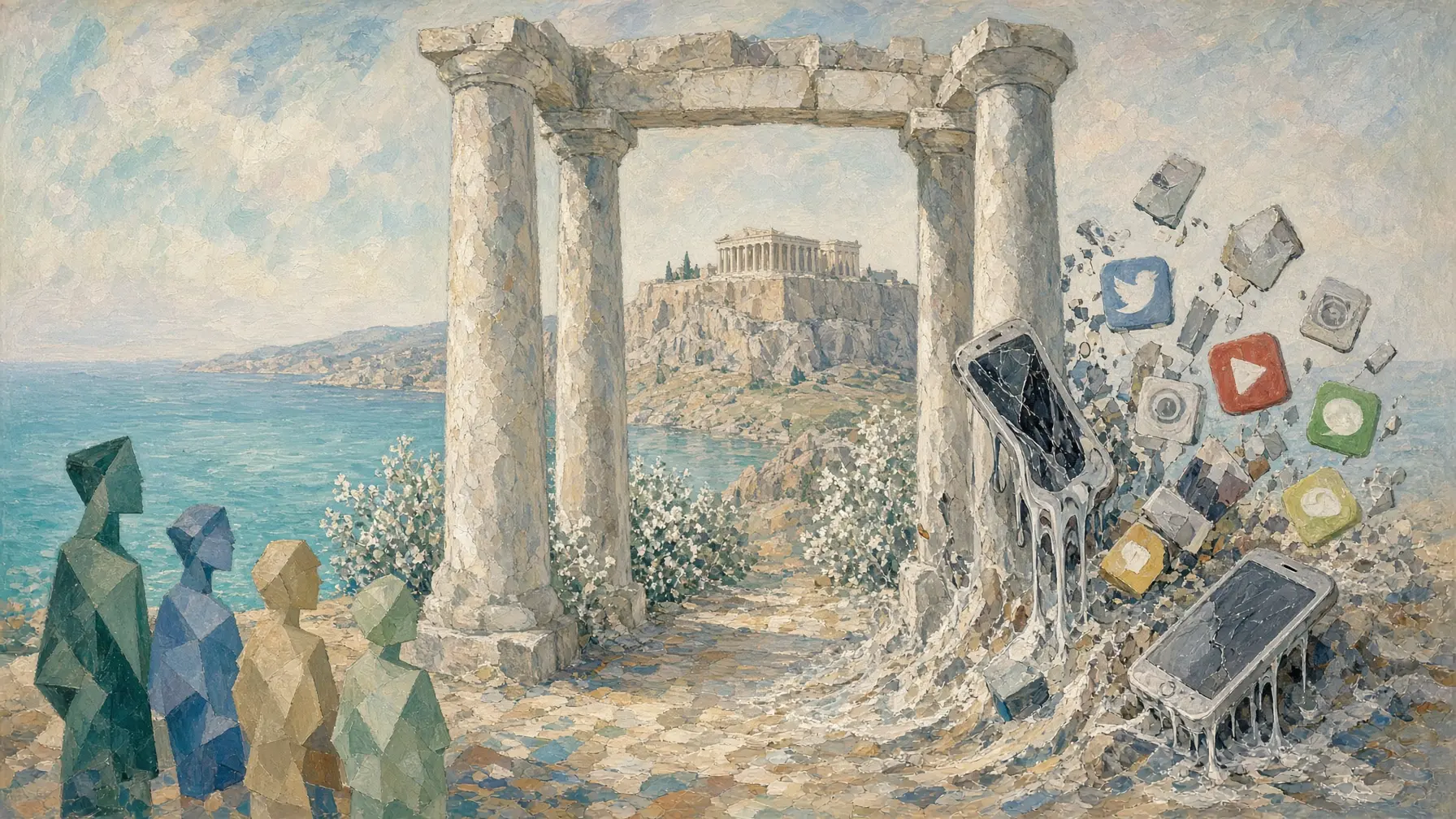
Greece bans under-15s from social media
From January 1, 2027, Greece will ban young people under the age of 15 from using social media platforms, making it one of the first European Union member states to introduce such a strict age limit. The measure was announced on Monday in Athens by Minister of State Akis Skertsos, at a press conference attended by several members of the government.
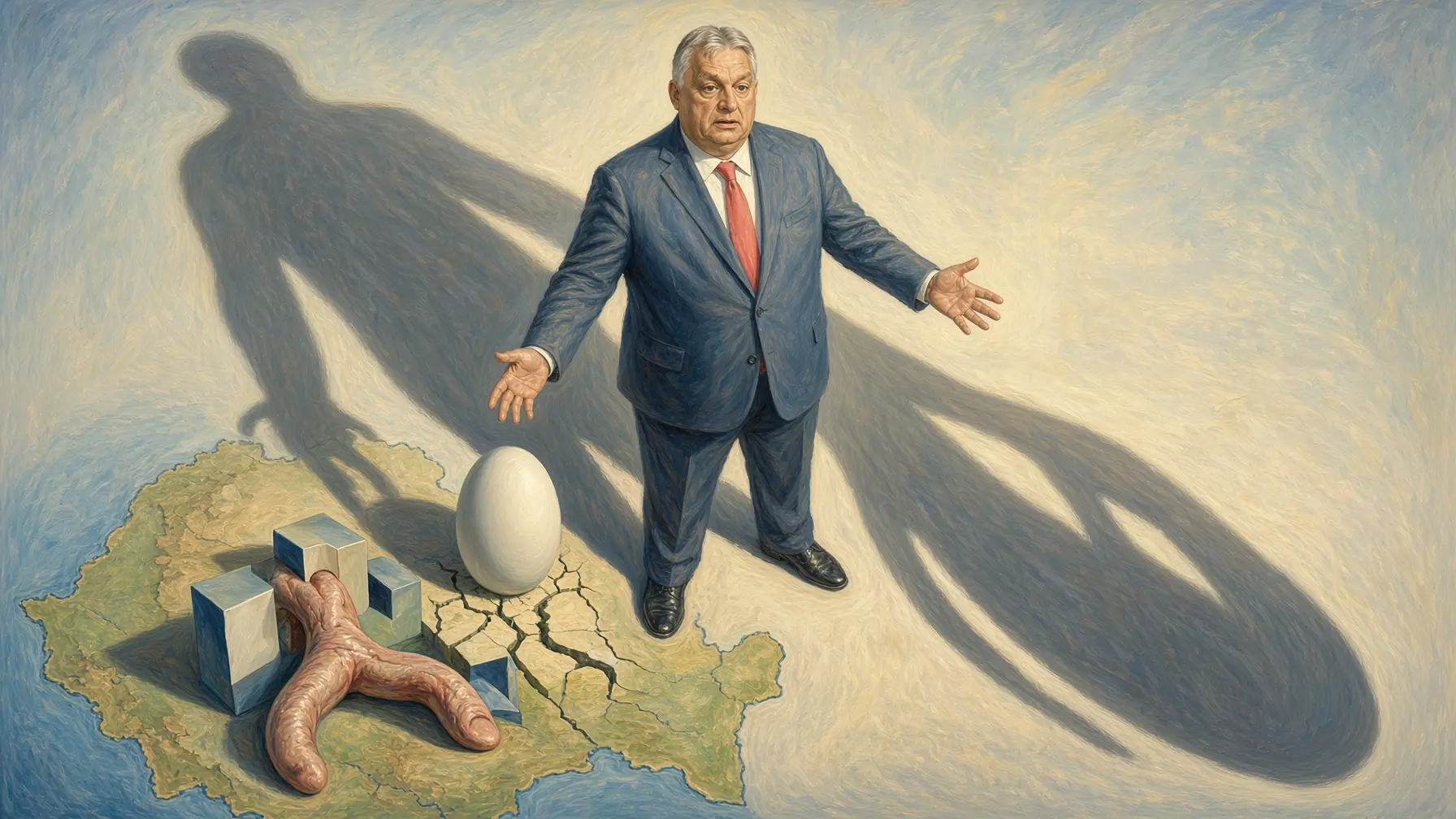
Is Romania Losing Its Veto Right? A Letter, a Lie, and Viktor Orbán's Long Shadow
On Monday, Romanian Foreign Minister Oana Țoiu point by point refuted the claim, spread mainly by AUR, that Romania is giving up its veto right or losing it within the European Union. The minister said this was "a lie from beginning to end," and that the document at the center of the dispute does not take away any member state's ability to block decisions — it merely requires that whoever uses…
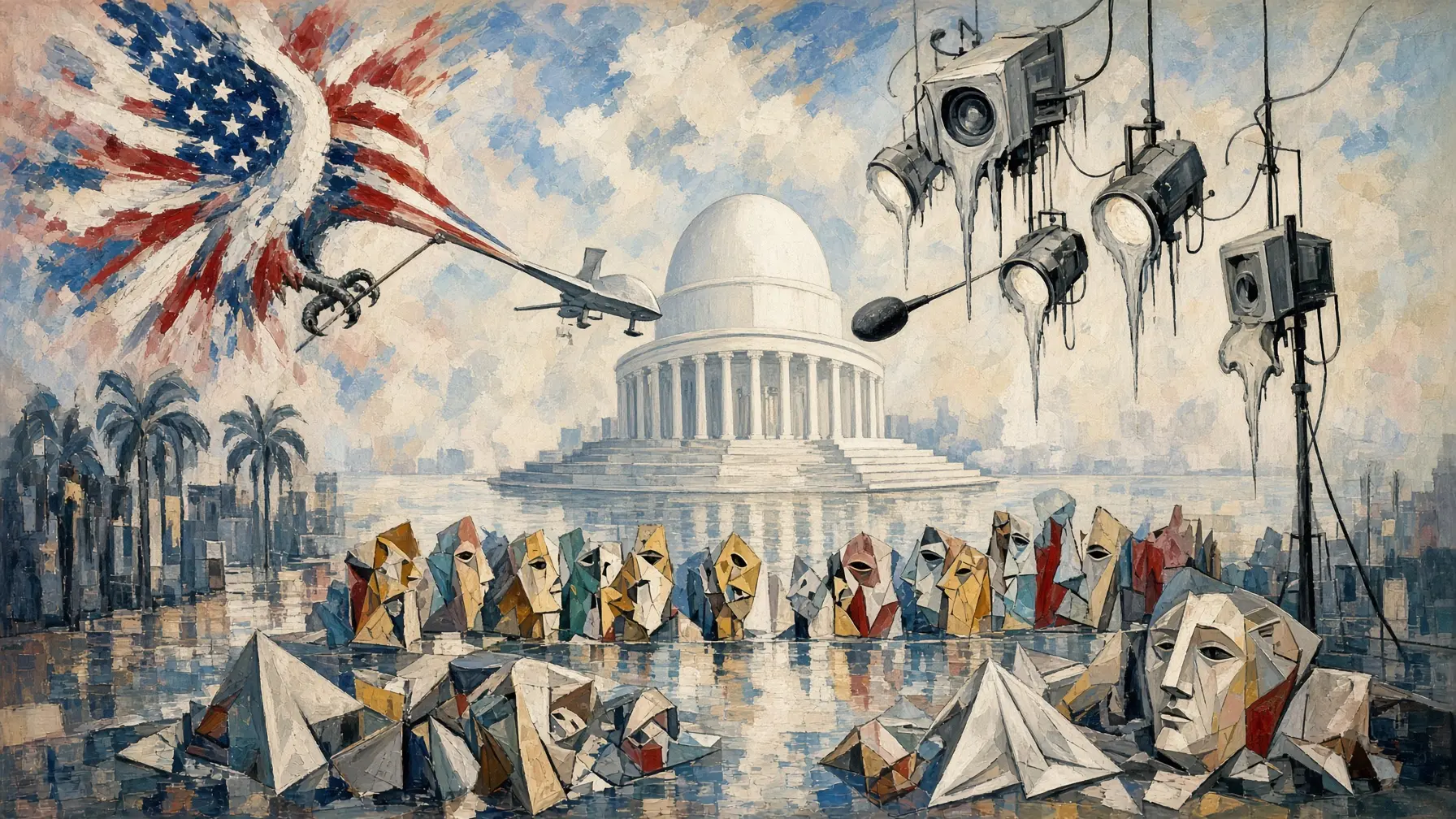
Execution live: Washington would push ahead in jihadist style
For the first time since the end of World War II, the United States military would carry out a death sentence by firing squad, and according to a Pentagon official, the execution would be broadcast live on the internet. Nidal Hasan, a former army psychiatrist who opened fire on his fellow soldiers at Fort Hood military base in Texas in 2009 and killed thirteen people, was sentenced to death by a…
AI-turbocharged fraud learned from Russian spies has increased fourteenfold
An online fraud method is spreading rapidly, allowing attackers to break into private and corporate accounts without a password, even bypassing two-factor authentication. Romania's National Cybersecurity Directorate (DNSC) published on Monday in its quarterly report, which reviews the main IT threats of the period between April and June 2026, specifically warns of this danger. According to…