
Niculescu found the problem, but the solution remained vague
On Tuesday in Bucharest, Prime Minister Luca Niculescu said out loud what Romanian business owners have been feeling on their own skin for a while now: more companies are preparing to lay off staff than to hire new ones, he said at the presentation of the business barometer, where he also spoke about the need to restore companies' appetite for investment and create well-paying jobs, especially for young people. It is commendable that he calls the problem by its name, although in a country where the state takes a substantial cut out of legally paid wages, perhaps not every new government should have to reinvent the wheel.
According to an INSCOP survey commissioned by NewMoney, three-quarters of entrepreneurs believe the country is heading in the wrong direction. The research was conducted between October 19 and 26 through telephone interviews with 1,100 entrepreneurs, meaning we are not hearing the complaints of a few disgruntled business owners, but rather getting a fairly bleak picture of business sentiment. Niculescu chose his words carefully, even noting that in front of so many journalists he had to think hard about what adjectives to use, since every word would be picked apart, and in the end he settled for saying that certain figures could be better. For example, the share of companies planning development investments, which has fallen to a third of its 2024 level, when it stood above fifty percent. Entrepreneurs themselves evidently weigh their words less carefully when describing the situation: they simply postpone investment, stop hiring new staff, or calculate how many employees they can still keep—in other words, how many they will have to let go.
The situation of young people is particularly serious: according to Eurostat data, in 2025, 19.2 percent of Romanians aged 15–29 were neither working nor participating in education or training. This is the worst result in the European Union: the EU average was 11 percent, while in the Netherlands the figure was 5.3 percent. So we are not simply talking about unemployed young people, but about a group that is left out of both work and education, and it is hardly enough to say that new jobs need to be created. For many, the path to employment is already cut off at school; for others, it is blocked by a lack of usable qualifications, transportation issues, or a scarcity of local job opportunities. It is telling that in the INSCOP survey, when asked what Romania should invest in over the next five years, entrepreneurs themselves ranked education and vocational training first, because economic actors sense this connection better than politicians do—and it would be good if the government's response did not end up being just another employment slogan.
According to Niculescu, consultations have already begun with the labor and finance ministers, as well as with other government members. “The question isn't whether we talk about it, but whether we do something about it,” he said. This would be hard to argue with, except that the Romanian state has already done this and that over the years, and it is precisely this that has left some entrepreneurs fed up.
The burdens of legal employment, for instance, have long been known. The ten-percent personal income tax looks good on its own in the economic-policy showcase, but once contributions are added, the amount paid is quite different. Without any exemptions, employee pension and health insurance contributions together with income tax take away 41.5 percent of the gross wage, and on top of that, the employer also has obligations to pay. The OECD specifically pointed out that the Romanian system places a relatively high burden on low-wage work. This, of course, does not explain every layoff through taxation alone, but it would be hard to claim that these burdens have nothing to do with hiring appetite. The employer looks at how much a new employee will cost, while the employee looks at how much they can take home, and neither side can bridge that gap with enthusiastic government speeches. If a company cannot pay more, and an employee cannot live on less, the result is not an appetite for growth but postponed hiring, emigration, or some semi-legal workaround.
Yet the state's recurring response is to ask for more money from those who have already been paying. The most obvious example is VAT: the standard rate was raised from 19 to 21 percent on August 1, 2025—partly at the insistence of Hunor Kelemen, among others. And this in a country where, according to a report published by the European Commission in 2025, thirty percent of collectible VAT went uncollected by the state treasury in 2023, the worst ratio in the EU. There are several reasons for this shortfall, and not all of it can be called fraud, but with a gap this large, there would also be something to say about how tax collection actually works, since raising the VAT rate alone will not bring anyone who hides their turnover to their senses. Their biggest worry isn't that they're failing to pay nineteen or twenty-one percent; rather, it's the legally operating business that has to absorb the change, cope with customers whose purchasing power is shrinking, and at the same time compete with those who can be cheaper by evading taxes. In this way, the state again hands part of the bill for its own inefficiency to those whose bookkeeping was already in order.
It may seem that we have strayed far from the jobs the prime minister spoke of, but in reality we are dealing with the same problem. Business confidence can only return if it pays to operate legally, if companies can plan a few years ahead, and if executives don't have to rack their brains over what new obligation will be dreamed up for them next month. It is also easier to create well-paying jobs for someone who can see what will fund the coming years' wages than for someone who is busy calculating how many of their current employees they can keep. Niculescu has identified the problem, which is a good start. But what follows should also reveal whether he is willing to change the state mindset that always looks for missing revenue from the most easily reachable taxpayer. In Romania, far too often it is the one who follows the rules who comes out worse off: they are easy to find, check, and tax again, and then at economic events they are expected to provide the investment and the new jobs as well. It's the horse that pulls that gets whipped, and then everyone wonders why the cart is moving slower and slower. The prime minister now promises momentum; he could start by taking the whip out of the state's hand, because this horse won't hold out much longer.
Ugar
Did you like this article?
Support our work with a small donation
Secure payment via Stripe • Min. 2 EUR
Gesta recommendations:
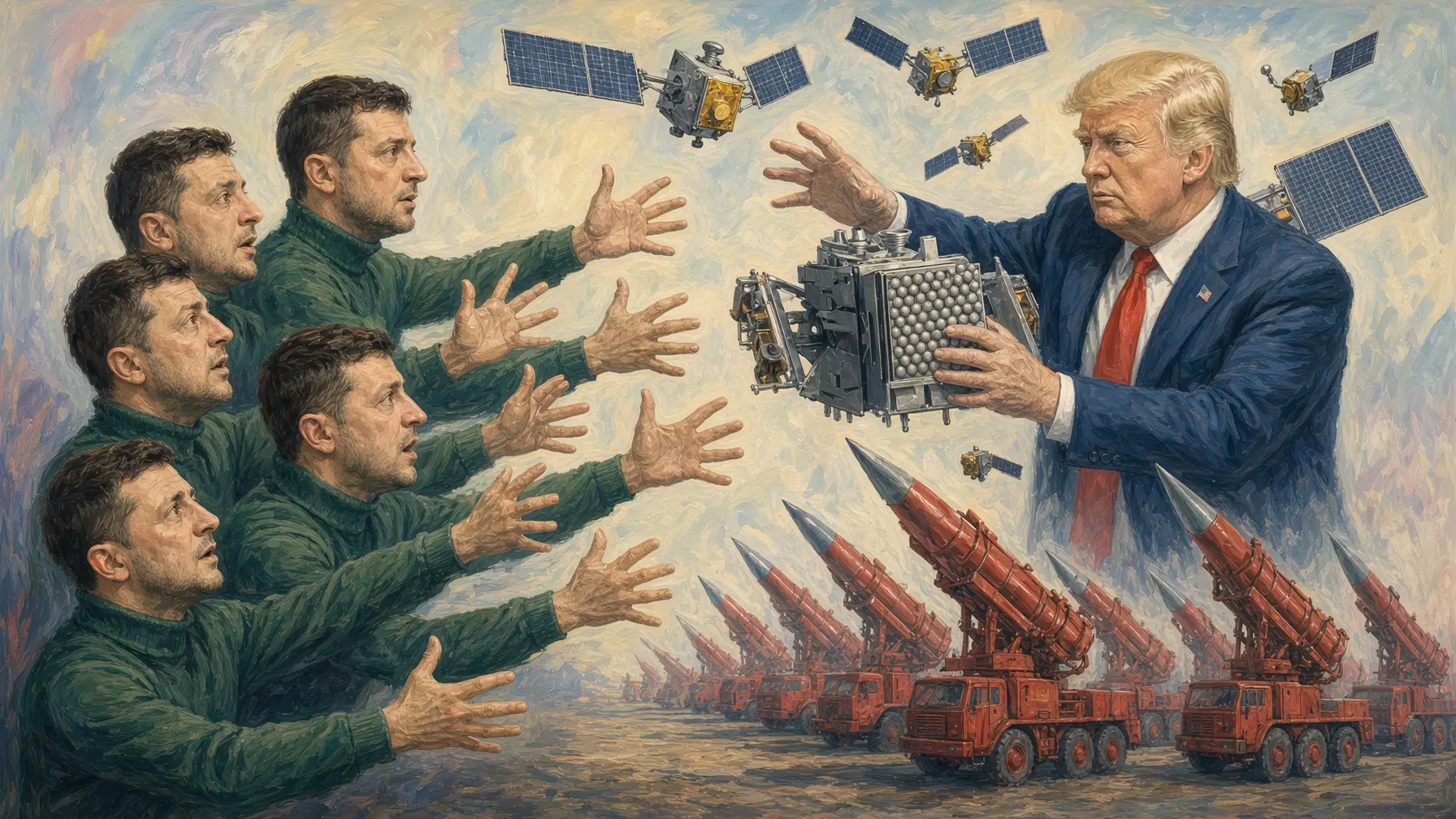
Zelensky has repeatedly asked Trump to allow the use of Starshield against Russian missile launchers
Volodymyr Zelensky has asked Donald Trump three or four times to lift the geographic restrictions on the use of the Starshield military satellite system and allow it to detect and destroy Russia's ballistic missile launchers. In a PBS NewsHour interview on Monday, the Ukrainian president said that Ukrainian cities cannot be defended with air defense missiles alone, since even the United States…
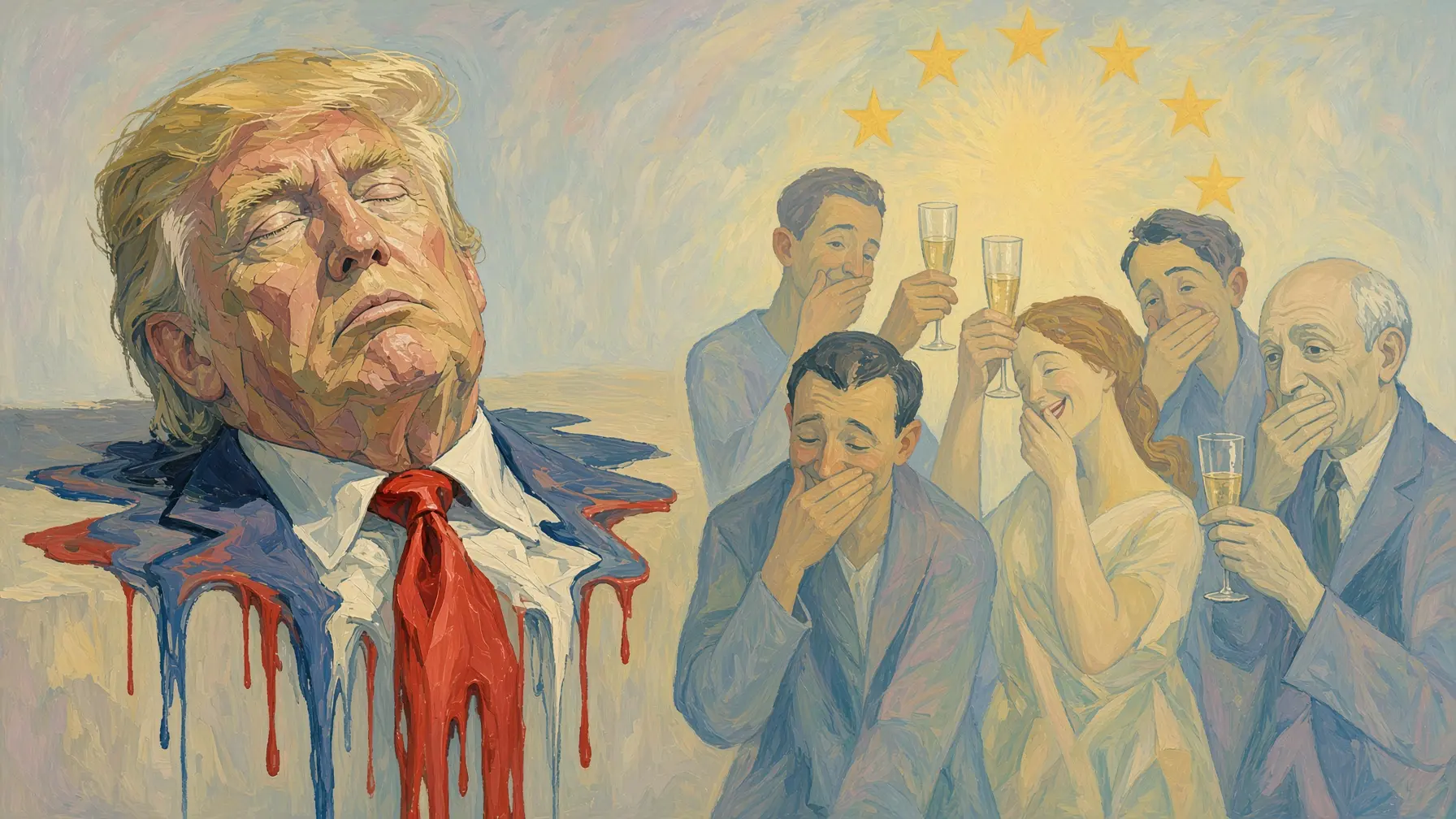
Trump's defeat, Europe's happiness and cautious celebration
If the Democrats deliver the result expected of them in Tuesday's American midterm election, champagne corks could pop in many places across Europe — except the relief won't necessarily be followed by a calmer relationship with Washington. Those quoted in the POLITICO analysis reported by Mediafax warn that Donald Trump, cornered domestically, may devote even more attention to foreign policy and…
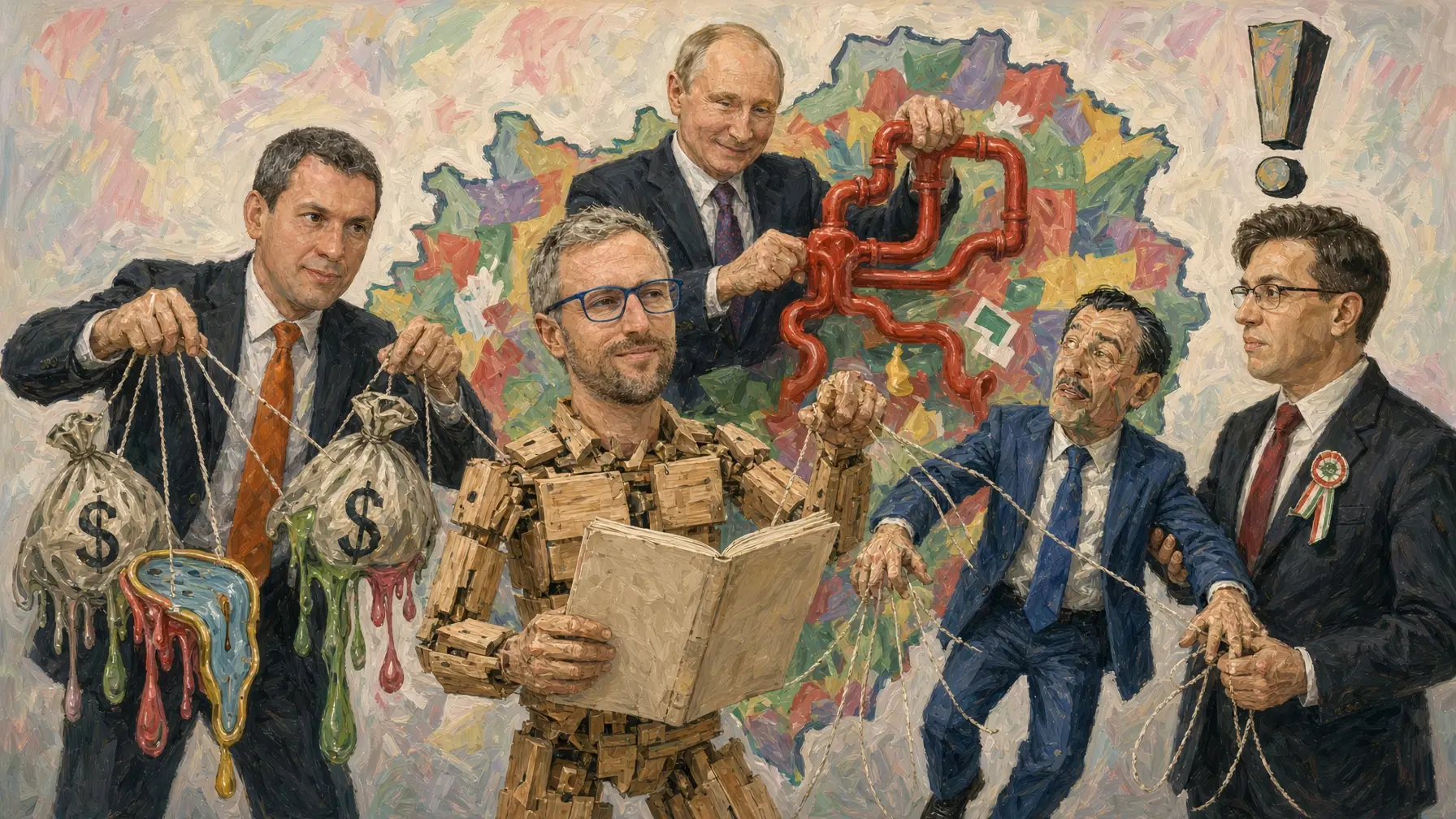
The Feledy question is very simple:
what was in the CV he submitted?
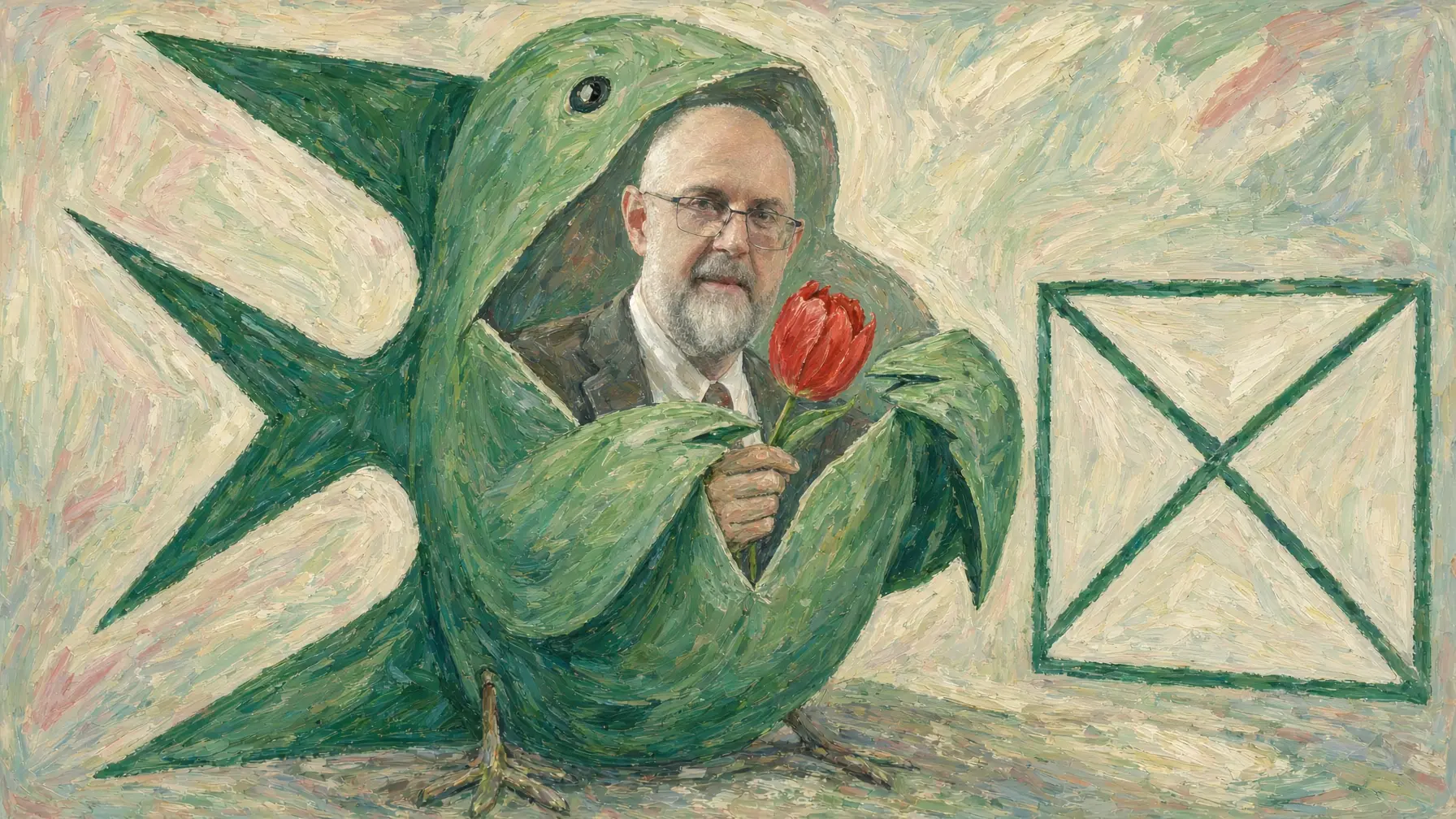
RMDSZ's own chatbot exposes RMDSZ
The "Transylvania Welcomes You Home AI Assistant" has a damning opinion of the "Transylvania Welcomes You Home" program

From Bálványos to Bălvăniș, Pineapple as the Answer Too
Countless little games are underway, each played with wild fervor, with AUR and the RMDSZ sometimes chasing each other and sometimes waiting for the other to catch up, and by now only the ones actually playing the parts know which is the sidecar and which sits in the saddle.