Why is fuel expensive in Europe? One of the Trump administration's big failures
The sale of Lukoil's international assets to the American investment fund Carlyle has been dragging on for nearly ten months because agencies within the Trump administration have failed to reach agreement among themselves, the Financial Times reported, an analysis summarized by the Bulgarian outlet Mediapool. Because of the delay, European refineries are unable to increase their gasoline and diesel output, even as fuel shortages have driven prices to record levels in both the United States and Europe.
The package, estimated at around twenty billion dollars, includes Lukoil International GmbH, meaning the Russian oil company's interests spread across 17 countries. The sale requires approval from the Office of Foreign Assets Control (OFAC) at the Treasury Department in Washington, and this is exactly where the deal has stalled: the office authorized the negotiations but has not given final approval. The decision has become stuck between the National Security Council, the State Department and the Department of Energy.
"We no longer understand what's happening with the agreement. There's no progress. Everything is frozen, and I don't know what else they're waiting for"
– one of the people involved told the paper.
Lukoil's European interests include a refinery in Bulgaria and one in Romania, as well as a 45 percent stake in the Zeeland refinery in the Netherlands; the combined capacity of the three plants is around 400,000 barrels per day. However, the Petrotel refinery in Ploiești has been idle since last October: it was shut down for planned major repairs and has not been restarted since. According to a source familiar with the negotiations, completing the deal would free up 100,000–150,000 barrels per day of processing capacity. According to Carlyle, Lukoil's European companies have significant unused capacity that could increase the supply of petroleum products and ease pressure on fuel prices.
Meanwhile, the situation of Petrotel is also awaiting resolution in Romania. The refinery — which accounts for roughly 21 percent of the country's fuel production and is the only one of Romania's four major refineries not currently operating — filed for insolvency protection this summer. The Prahova Court granted the request: the company had accumulated overdue debts of more than 936.6 million lei to the suppliers working on the major repairs, while its majority owner, Litasco, is pursuing a claim of 225.5 million euros, or about 1.18 billion lei. Creditors could file claims until September 9, the preliminary list of creditors had to be drawn up by September 29, and the final one by October 23. In February, the Romanian government placed Lukoil's interests, including Lukoil Romania and Petrotel, under extended state supervision, appointing Ion-Bogdan Bugheanu, an adviser at the Ministry of Energy, to oversee them. In April, then-Energy Minister Bogdan Ivan said that the Americans had granted an exemption for the refinery and that the plant could restart within 45 days — this did not happen.
The Financial Times linked the diesel shortage in Western markets to the war in the Middle East and Ukrainian strikes on Russian refineries. According to Reuters, the price of crude oil fell to an eleven-day low on September 21, as investors hoped for a diplomatic resolution to the Iran war during the week's UN General Assembly talks and expected a partial restoration of Saudi shipments. Analysts at J.P. Morgan Chase said Middle Eastern oil shipments have remained surprisingly stable despite disruptions to the Saudi east–west pipeline: in recent days, an average of 2.9 million barrels per day of Saudi oil passed through the Strait of Hormuz, compared with 700,000 in August. The United States imposed sanctions on Lukoil in October 2025 to increase pressure on Moscow over the war against Ukraine. Washington subsequently blocked an attempted purchase by the oil trader Gunvor, and the agreement with Carlyle was reached at the end of January this year — on a non-exclusive basis and excluding the Kazakh assets. The Treasury Department has since repeatedly extended the license allowing the negotiations, most recently on September 18, until October 22. The operating exemption for Lukoil's foreign filling stations — about two thousand pumps in 19 countries — remains valid until October 29.
"These assets have remained in a legal and operational vacuum. They're waiting for the US government to decide who their next owner will be. Meanwhile they're not operating at full capacity, and they're deteriorating because no one is investing in them"
– a source familiar with the deal told the Financial Times.
The question of the sale came back into focus after Congress passed the sanctions law named after Senator Lindsey Graham, who died in July, which Donald Trump signed on September 18. The legislation targets Russia's energy and defense sectors, officials, banks, and the "shadow fleet" used to evade sanctions, and authorizes the president to impose tariffs of up to 100 percent on the goods of countries that buy Russian oil and gas or help circumvent the sanctions. Tariffs on goods coming directly from Russia could reach as much as 500 percent, and the law also extends sanctions against Iran by five years.
Fallow
Did you like this article?
Support our work with a small donation
Secure payment via Stripe • Min. 2 EUR
Gesta recommendations:
Trump wants to push America's diesel crisis onto the world
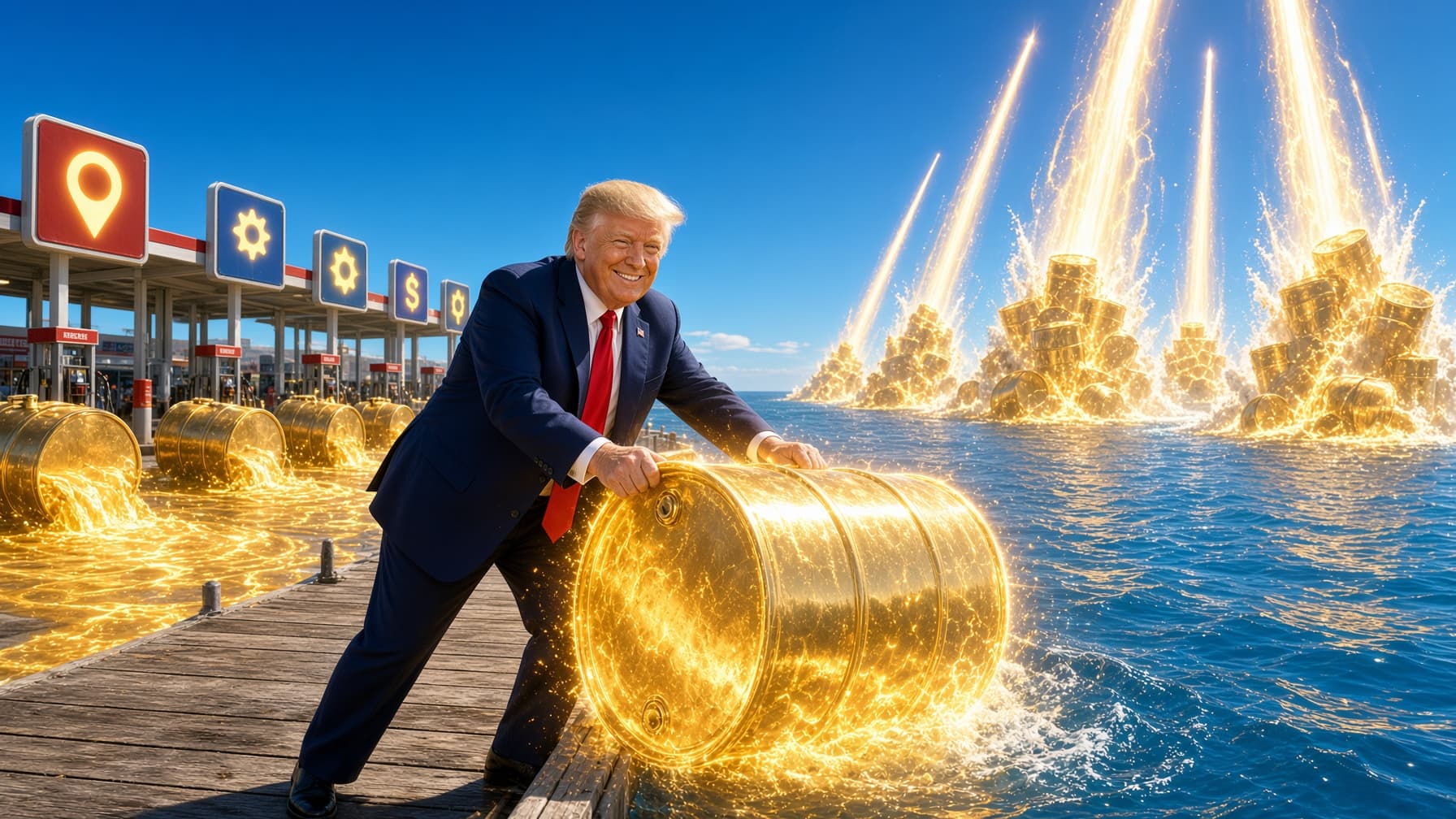
Donald Trump supports banning American diesel exports, after the national average price of diesel in the United States rose above a record $6.53 a gallon. According to the president, the United States should not sell fuel abroad but should keep it on its own market to increase supply and drive down prices. No decision has been made yet, however: Trump has so far only indicated that he supports…

Hunor's formula for government: everything except Hungarian interests
Today, on his Facebook page, the leader of the Transylvanian Hungarians informed the Transylvanian Hungarian voters who elected him that Siegfried Mureșan had presented the Alliance with his government program, which Kelemen Hunor deemed "supportable." Why? Well, that's not really clear, because beyond broad generalities, no Hungarian interest whatsoever featured among the negotiation points.

Mureșan is preparing tax cuts, but still lacks 64 votes
Designated Prime Minister Siegfried Mureșan would form a government with three deputy prime ministers, an unchanged number of ministries, and the participation of the PNL, USR, and the DAHR (Hungarian minority party). At his press conference on Wednesday, he said he would not raise taxes, would keep the flat tax system, and would reduce VAT from 21 to 19 percent as soon as the budget situation…
Elon Musk has found freedom's new champion: Xi Jinping
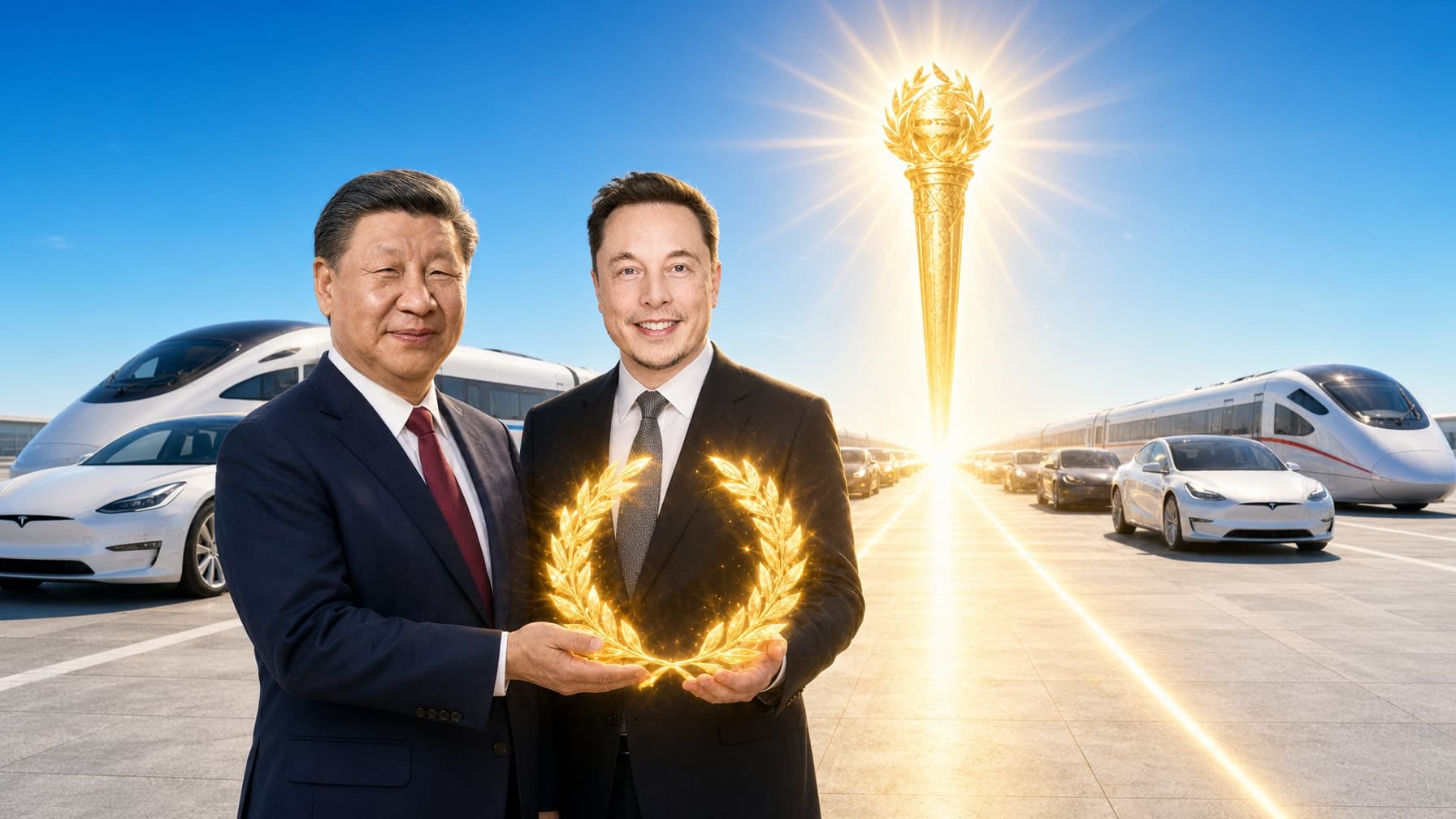
Elon Musk, the self-appointed high priest of Western free speech, gave an interview to Chinese state television, and while he was at it, thoroughly buttered up Xi Jinping. The Tesla CEO called the Chinese president a "great leader," then stated that under his rule, China has achieved "tremendous prosperity."
When Tehran Campaigns for Trump's Republicans
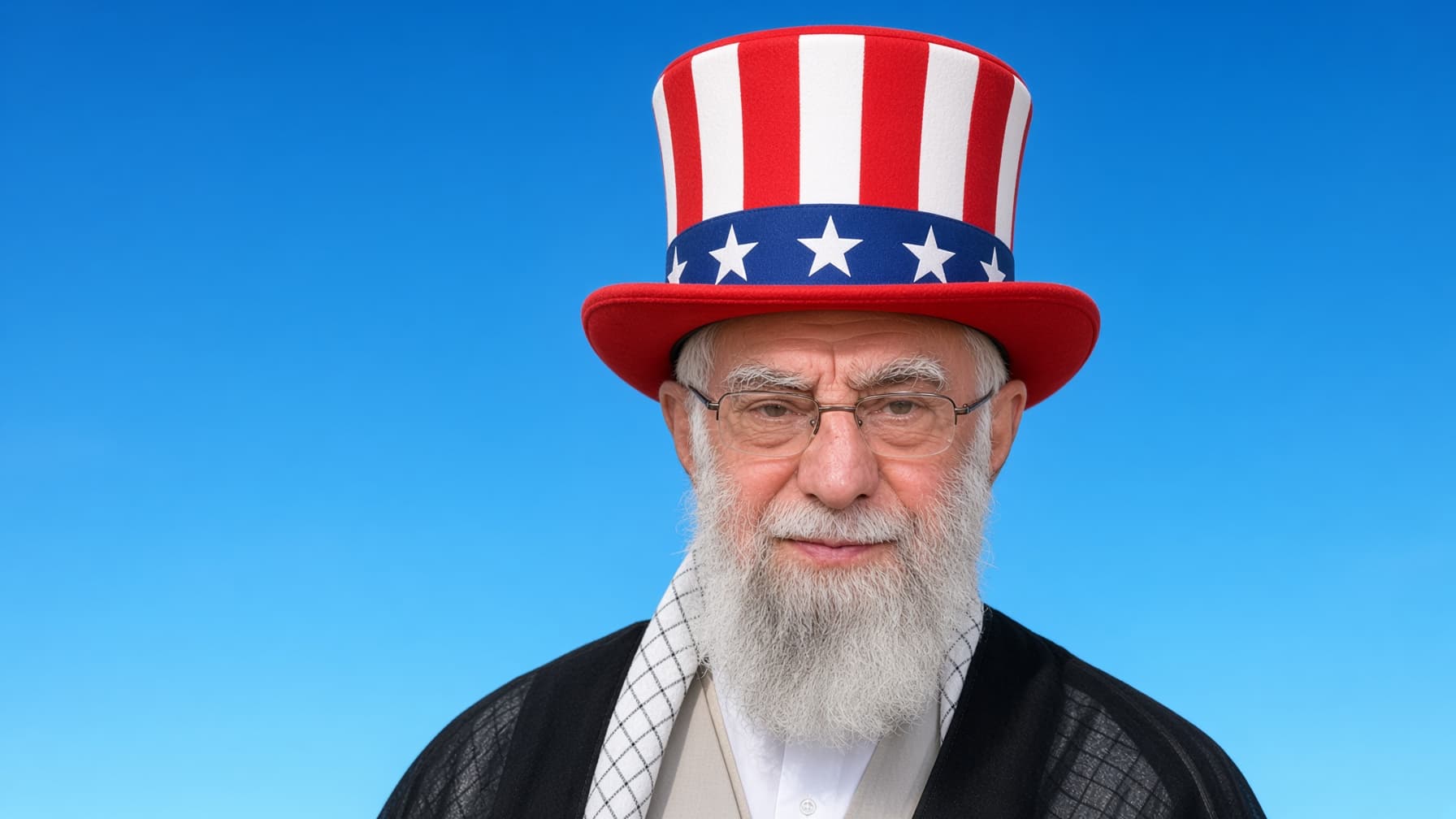
Six and a half months of war, a "most ruthless economic operation of all time," a president who demanded a white flag and threatened to bomb his own ally, Oman — and now Tehran generously offers to reopen the Strait of Hormuz within a week, on one condition: that Washington first takes its foot off its throat. A senior Iranian official told Reuters on Tuesday in New York that Iran could reopen…