A Russian test attack on NATO could come within months
More and more European intelligence services and political leaders are warning that Russia could extend its military and sabotage operations beyond Ukraine in the coming months. For now, the most likely scenario is not a full-scale invasion of a NATO member state, but a limited attack designed to test the alliance's unity and whether member states are truly willing to invoke Article 5 on collective defense.
According to an assessment by Danish military intelligence, the risk that Russia could launch a long-range strike on NATO infrastructure supporting Ukraine, or carry out a limited incursion with small, unmarked military units into the territory of a neighboring country, is low but growing. The service says such operations could begin within months. The Danish analysis still considers a full-scale Russian invasion of a NATO country highly unlikely, but no longer categorically rules it out. The danger could grow significantly if Moscow concludes that NATO member states would not respond in a unified way, or that the United States would be unwilling or unable to come to the defense of its European allies. Donald Trump's unpredictable NATO policy, along with Slovak Prime Minister Robert Fico's recent statement that he does not want to drag his country into a war “over some Article 5,” only adds to this uncertainty.
The head of Czech intelligence, Michal Koudelka, also warned that Moscow could try to test NATO through a limited military incursion, a false-flag operation, a drone or missile strike, or a large-scale influence campaign. According to Koudelka, these scenarios could become reality not in years, but in months. The Baltic services are somewhat more cautious, saying they see no evidence yet of preparations for a direct attack, but agree that Russia is preparing more assertive and dangerous operations in Europe. These warnings are not based merely on theoretical scenarios. In Poland, deliberate arson damaged a Starlink station that also served the Ukrainian army's communications. Germany has blamed Russia for a drone operation equipped with explosives near Leipzig Airport, while sabotage attacks have been carried out or prepared in several European countries against weapons factories, railway lines, energy facilities and infrastructure supporting shipments to Ukraine.
According to the Polish leadership, these are no longer mere threats but actual attacks. Foreign Minister Radosław Sikorski cited cases of arson, bombings, drone incursions and Russian military equipment entering Polish airspace. The Polish air force now has to put its F-16 fighters on alert almost every day, since it is impossible to know in advance whether a Russian drone or missile approaching the country's border will actually change course. In Romania, drones or drone debris have entered the country's territory more than a hundred times since the start of the invasion of Ukraine, Foreign Minister Oana Țoiu said. Bucharest has no evidence that Russia is directly targeting Romania, but this does not change the fact that Moscow bears responsibility for the danger threatening the Romanian population and infrastructure. In response, the Romanian government closed the Russian consulate in Constanța and is consulting with its allies on further steps.
According to Kaja Kallas, the European Union's High Representative for Foreign Affairs and Security Policy, sabotage attacks and airspace violations are rapidly increasing across Europe. Moscow's goal is to intimidate European societies, divide NATO, and push states into reducing their support for Ukraine. That is precisely why Russia's strategy relies on actions that can cause serious damage while allowing Moscow to officially deny responsibility, making it harder for the targeted countries to give a common and proportionate response. Some European officials fear that Russia will deliberately try to disguise a drone or missile strike on NATO territory as an “accident.” If the alliance fails to respond in a unified manner, Moscow would prove to itself and to the world that Article 5 is more of a political promise than a functioning military guarantee. That is why the shared conclusion of these warnings is that Europe needs not panic, but clear deterrence, protection of critical infrastructure, and continued support for Ukraine.
Ugar
Tetszett a cikk?
Támogassa a munkánkat egy kis adománnyal
Biztonságos fizetés Stripe-on keresztül • Min. 2 EUR
Gesta-ajánló:

Kormányalakítási alkudozások: az RMDSZ kiharcolta az autonómiát
Alakul a román kormánykísérlet: a PNL, az USR és az RMDSZ felosztotta egymás között a minisztériumokat, Siegfried Mureșan kijelölt miniszterelnök pedig szombaton benyújtja a Parlamentnek a kormányprogramot és kabinetje névsorát. A miniszterjelöltek meghallgatását hétfőre tervezik, az izgalmak napja pedig – ha semmi nem borítja fel a menetrendet – kedd lesz, amikor a törvényhozás szavaz a kormány…
Világpremier: repülő drónok szállították az orosz vonalak mögé az ukrán harci robotokat
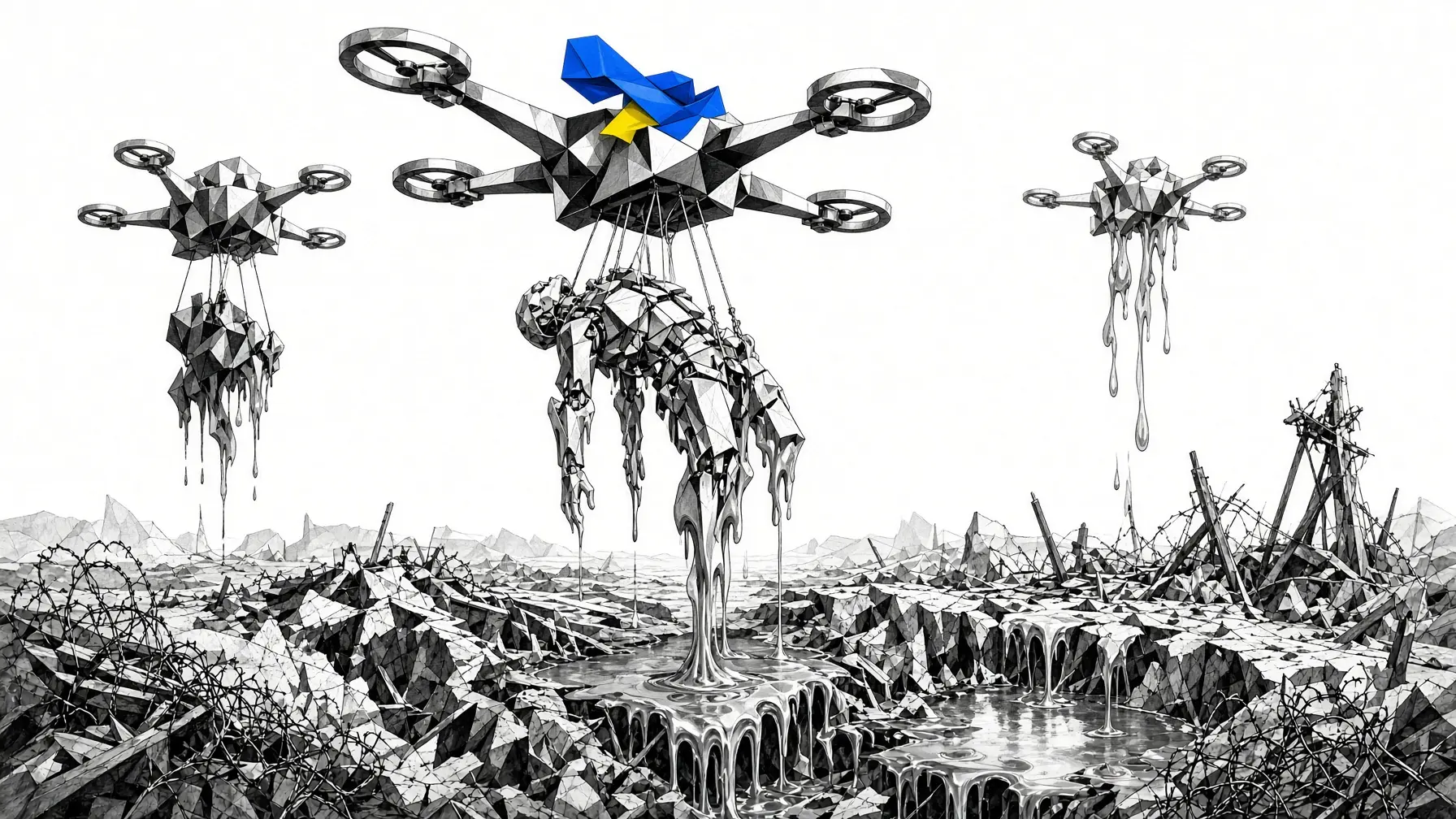
Az ukrán hadsereg Harmadik Hadteste közölte, hogy a Vivaldi hadművelet során 125 négyzetkilométernyi területet vont ismét ukrán ellenőrzés alá a Donyeck megye északi részén található Liman térségében. A művelet egyik legfontosabb újítása az volt, hogy nagyméretű repülő drónokkal robbanóanyaggal felszerelt szárazföldi harci robotokat szállítottak több mint tíz kilométerrel az orosz vonalak mögé.

Mesterséges intelligenciával keresik a föld alatti csőtöréseket Buzăuban
A Buzău megyei regionális vízszolgáltató mesterséges intelligenciával támogatott zajérzékelőkkel csökkentette a hálózat vízveszteségét. A rendszer a nyomás alatt álló vezetékekből kiszökő víz által keltett hangokat és rezgéseket figyeli, majd az adatok alapján kijelöli azokat a területeket, ahol valószínűleg rejtett csőtörés vagy szivárgás található.

Megakadt a fekete-tengeri gabonakereskedelem, világszerte emelkedik a búza ára
Az orosz–ukrán háború tengeri kiterjedése gyakorlatilag megbénította a világ egyik legfontosabb gabonaexport-útvonalát. Az elmúlt hónapokban az orosz hadsereg fokozta az ukrán kikötők, gabonaterminálok és közlekedési csomópontok elleni támadásokat, Ukrajna pedig válaszul orosz kikötőket, teherhajókat és logisztikai létesítményeket vett célba. Az eredmény: az orosz és ukrán tengeri gabonaexport…

Szele Tamás: A Crocus-paradoxon
Míg az orosz hatóságok szerint Kijev a bűnös – hiszen ehhez ragaszkodnak, körömszakadtáig is – remény sincs a valódi gyilkosok, felelősök és szervezők megbüntetésére.