[EN] Is Viktor Orbán Following the Kremlin’s Playbook?
The death of a Ukrainian-Hungarian citizen, József Sebestyén, is being used by the Hungarian government and its loyal media not only for domestic political gain, but also as part of a broader narrative aligned with Russian disinformation efforts. The circumstances surrounding his death remain unclear, yet government propaganda quickly framed the incident as a brutal beating by Ukrainian soldiers—a version not supported by verified facts. Prime Minister Viktor Orbán even personally shared a misleading video that doesn’t show Sebestyén at all.
At the same time, a disturbing video surfaced online: in it, three masked men, standing under a Hungarian flag, speak fluent Ukrainian and urge ethnic Hungarians in western Ukraine (Transcarpathia) to attack Ukrainian military recruitment centers and “rejoin Hungary.” The video, clearly staged and symbolic, first appeared on pro-Kremlin Telegram channels and is suspected to be part of a Russian intelligence operation. Its target audience is not the Hungarian minority but ordinary Ukrainians—those weary from the war and susceptible to suspicion and rage against minorities. The aim: to incite ethnic unrest, possibly even anti-Hungarian violence.
This is not a new tactic. Similar provocations have occurred in other Ukrainian minority communities, including the Romanian population in Chernivtsi. In that case, disinformation campaigns exploiting religious divisions led to tensions and even physical confrontations between worshippers. The pattern is clear: fake news, ethnic triggers, and strategic manipulation by Russian-affiliated actors to destabilize social cohesion.
Given the timing and coordination, it is highly likely that the Hungarian government—either knowingly or unwittingly—is advancing the Kremlin’s agenda. The anti-Ukrainian narrative, the endangerment of the Hungarian minority in Ukraine, and the creation of regional chaos all serve Putin’s broader strategic goals. Rather than calming tensions, Orbán’s government appears to be inflaming them—potentially becoming an active agent in Russia’s psychological warfare in Eastern Europe.
Did you like this article?
Support our work with a small donation
Secure payment via Stripe • Min. 2 EUR
Gesta recommendations:

Walk of the brain-dead: watch idiotic Fidesz supporters
Fidesz supporters substituted flag-escorting for the Peace March that other Fidesz members are trying to deny ever happened, but at least we found out that Zsolt Bayer once again refuses to talk to 444.

Treason live on air: László Toroczkai
If we held a competition for who humiliates Hungarians more over '56, László Toroczkai, chairman of Mi Hazánk (Our Homeland), and Balázs Orbán, the archetypal Arrow Cross–Bolshevik ideological commissar, would surely be tied for first place — though perhaps Toroczkai's sin is a bit greater, since this is exactly what we didn't expect from him.

Renate Weber Would Deserve a Putin Award: Are We Losing the SAFE Program?
On Thursday, Romania's Constitutional Court (CCR) ruled by a vote of five to four that a constitutional legal conflict exists between parliament and the government, because the already-ousted cabinet of Ilie Bolojan had adopted an emergency government ordinance on the SAFE program. SAFE is the EU loan program through which Romania can access several billion euros, to be spent not only on weapons…

Google Cleared 500 Hectares of Forest for Its New Data Center
Google's Finnish deforestation scandal has taken a new turn, as the Finnish licensing and supervisory authority (LVV) announced on October 22 that it has launched a police investigation into the data center planned for Muhos, and that changes indicating acidification have been detected in the area's waters. At the company's two sites in northern Finland, forest was cleared on a total of more than…
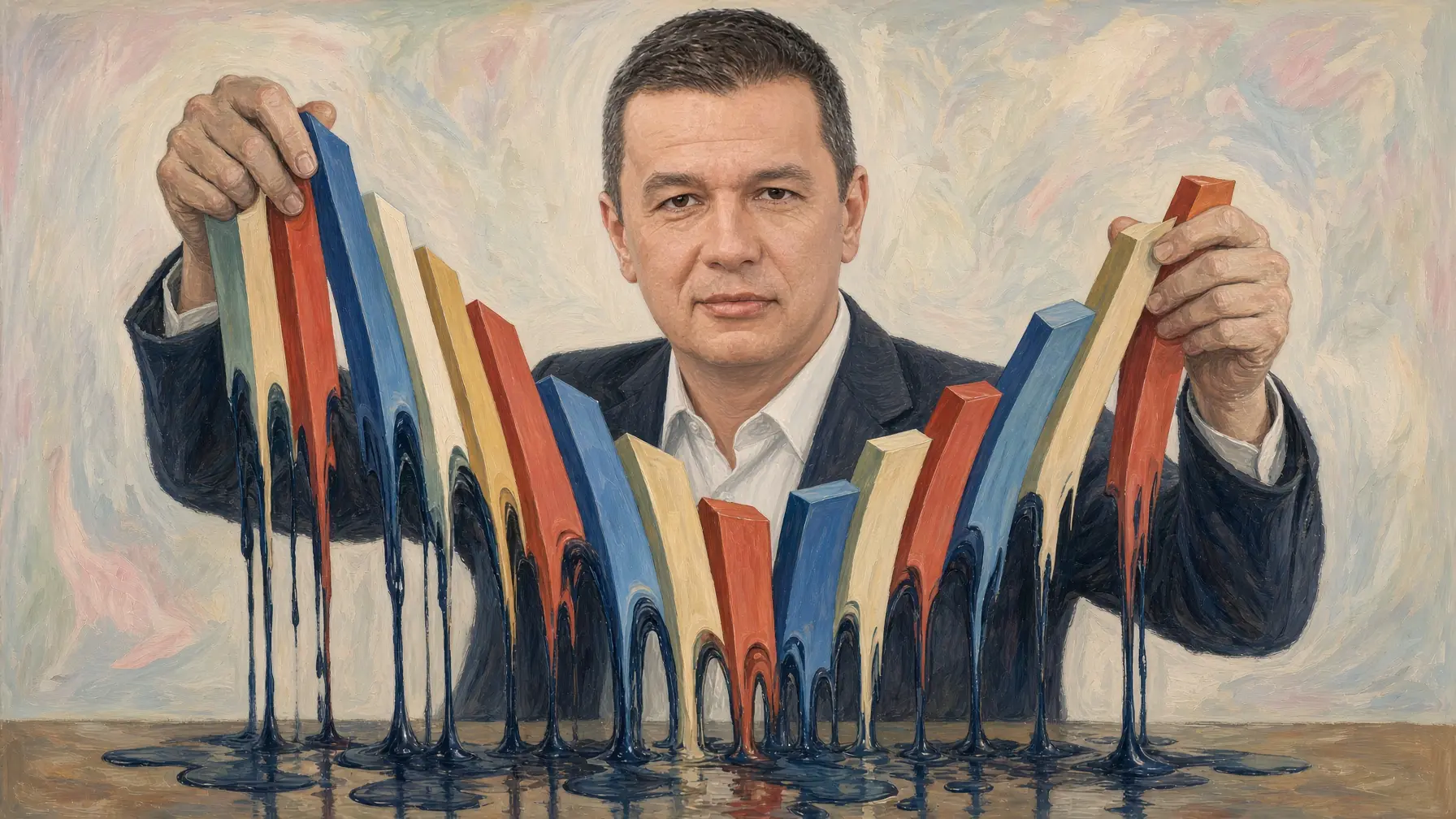
This is how the PSD lies: deliberately misrepresenting Eurostat data
In a statement issued Thursday evening, the National Liberal Party (PNL) accused the Social Democratic Party (PSD) of launching a disinformation campaign around Eurostat data on Romania's budget deficit, saying it is "shamelessly lying" by suggesting that the deficit grew under the Bolojan government.