
Fico, too, has caught the scent of defeat — only in his case, it's his own people doing the blowing
Viktor Orbán fell in the spring, Aleksandar Vučić a week ago, and now the sovereigntist/pro-Kremlin beam is creaking in Bratislava as well. On Tuesday morning, MP Roman Malatinec announced that he was leaving Rudolf Huliak's Rural Party and switching to the party being formed by former Environment Minister Tomáš Taraba. According to Slovak public broadcaster STVR, this means Robert Fico's governing coalition now holds only 75 secure votes in the 150-seat parliament, instead of 76 — in other words, it has lost its majority.
The Slovak situation, however, looks different from the Hungarian or Serbian ones. In Belgrade, students protested in the streets for two years, and on October 25 a student list ended Vučić's fourteen-year rule, whereas it is not the masses rising up against Fico, but pieces breaking off from his own camp — and the rebels stand well to his right. Taraba originally became a minister as a candidate of the Slovak National Party, while the Rural Party is regarded as a far-right formation.
The disintegration began in September, when the leader of the Slovak National Party, Andrej Danko, demanded Taraba's removal. Fico warned even then that this could lead to the loss of the majority, and even raised the prospect of early elections. Parliament eventually ousted Taraba with the votes of the nationalists and the opposition; he returned to his seat as an MP and in October began collecting signatures to found his new party, Taraba – Development of Slovakia. He was joined by Peter Slyško, who left Hlas, and now by Malatinec, who in 2023 had also entered parliament on Hlas's list.
The coalition's reaction reveals a lot about its own state of nerves. Huliak said he almost fell off his chair when Malatinec told him of his decision at nine o'clock on Tuesday morning, but he insisted the MP remained a solid part of the coalition. On the proposal of the governing parties, parliament decided not to vote on any pending legislation for the rest of the week, since it is unclear how many votes it can count on. Asked whether the government could survive without early elections, Tibor Gašpar, deputy speaker of parliament for Smer, said only that if he could predict the future, he would answer. The opposition Freedom and Solidarity party mockingly commented on the developments, saying that one traitor had betrayed another traitor and defected to a third.
Taraba's three MPs are not openly breaking with the government for now; they merely promise to vote for "sensible" laws, but nothing else. Slyško has already indicated that they will probably not support the abolition of postal voting from abroad, which had been one of the governing parties' favorite plans — not by accident: Slovaks living abroad vote overwhelmingly for the opposition, so scrapping postal voting is one of the key issues for Fico ahead of the next election. Meanwhile, the Constitutional Court also declared the government's amendment on crown witnesses unconstitutional, another blow to the government.
The polls are also running against the government. According to Focus's October survey, the liberal Progressive Slovakia stands at 23.1 percent and Fico's Smer at 17 percent, with the gap widening month by month. An opposition victory is nonetheless far from certain: according to Focus's calculations, Progressive Slovakia, KDH, SaS and the Democrats together would win only 72 seats, meaning they would also need to bring in Igor Matovič's movement to reach a majority. Early elections require a three-fifths parliamentary majority, which is nowhere in sight at the moment, while the regular election is scheduled for the autumn of 2027.
According to Roman Michelko, the Slovak National Party's parliamentary group leader, the coalition council must convene urgently and sort out the situation. For now, then, it is not students but offended nationalists setting the pace in Bratislava — yet the end result could be the same as in Budapest and Belgrade: the fall of a government that leans toward Moscow, because it is increasingly unable to control its own voting machine.
Ugar
Did you like this article?
Support our work with a small donation
Secure payment via Stripe • Min. 2 EUR
Gesta recommendations:
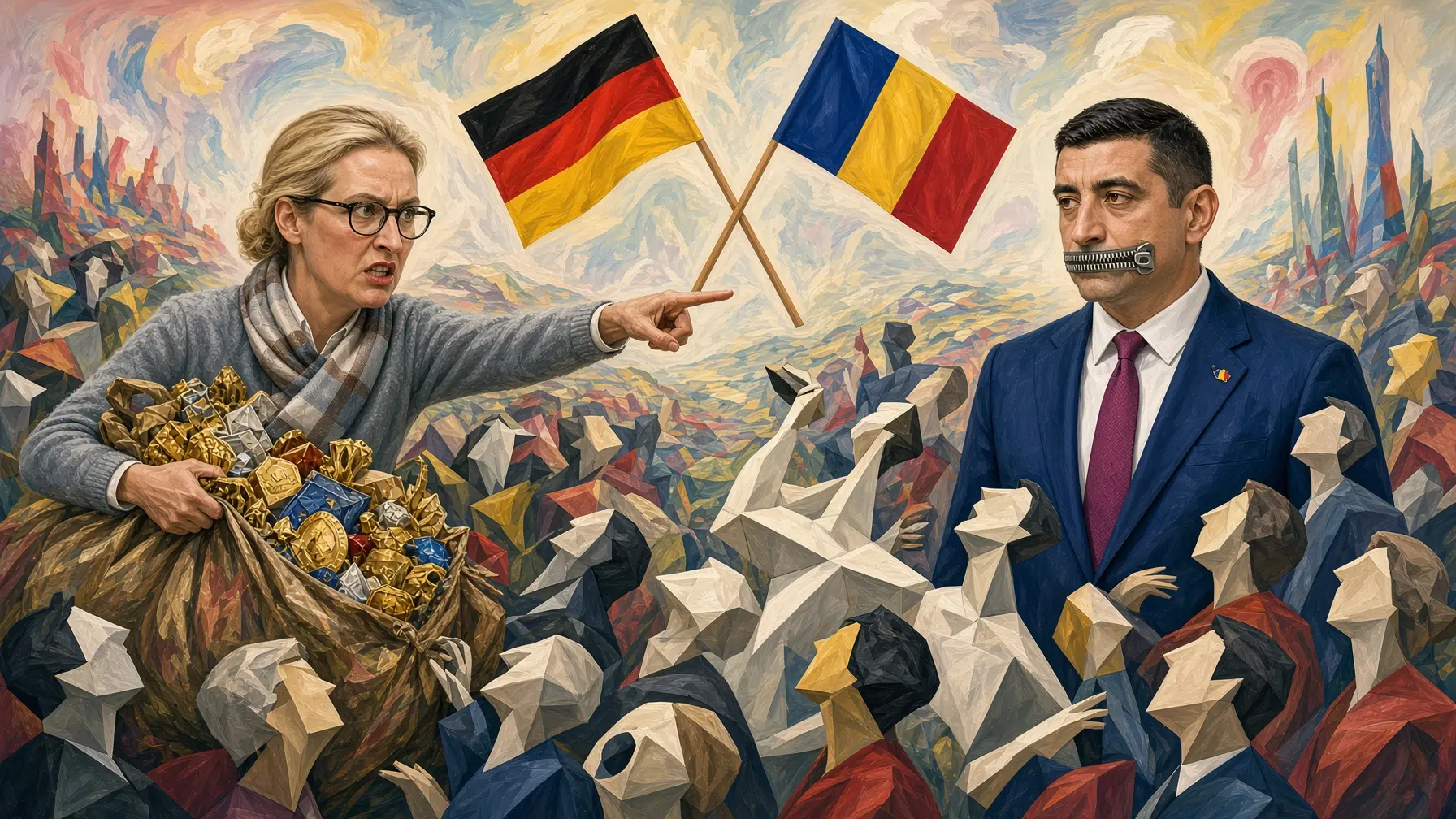
Weidel says Simion's voters are plundering Germany, Romanian sovereignists stay silent
On October 28, Alice Weidel, co-chair and chancellor candidate of Germany's far-right AfD, wrote on X that an increasing number of migrants from Romania are plundering the German social system, from child benefits to basic services and healthcare. As an example, she cited Magdeburg, where, according to her, spending on immigrants from Romania has grown twentyfold, to three million euros a year,…
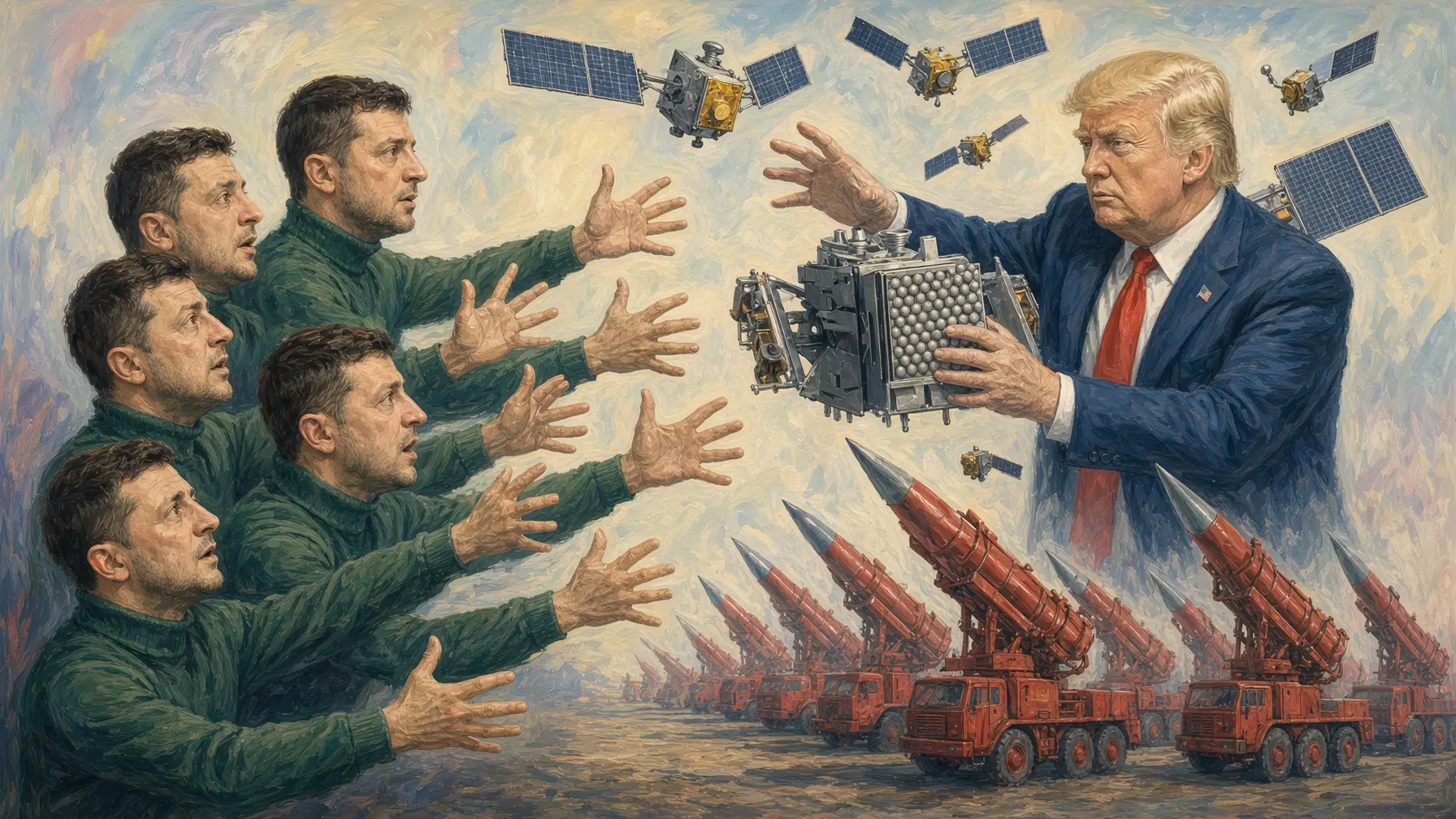
Zelensky has repeatedly asked Trump to allow the use of Starshield against Russian missile launchers
Volodymyr Zelensky has asked Donald Trump three or four times to lift the geographic restrictions on the use of the Starshield military satellite system and allow it to detect and destroy Russia's ballistic missile launchers. In a PBS NewsHour interview on Monday, the Ukrainian president said that Ukrainian cities cannot be defended with air defense missiles alone, since even the United States…
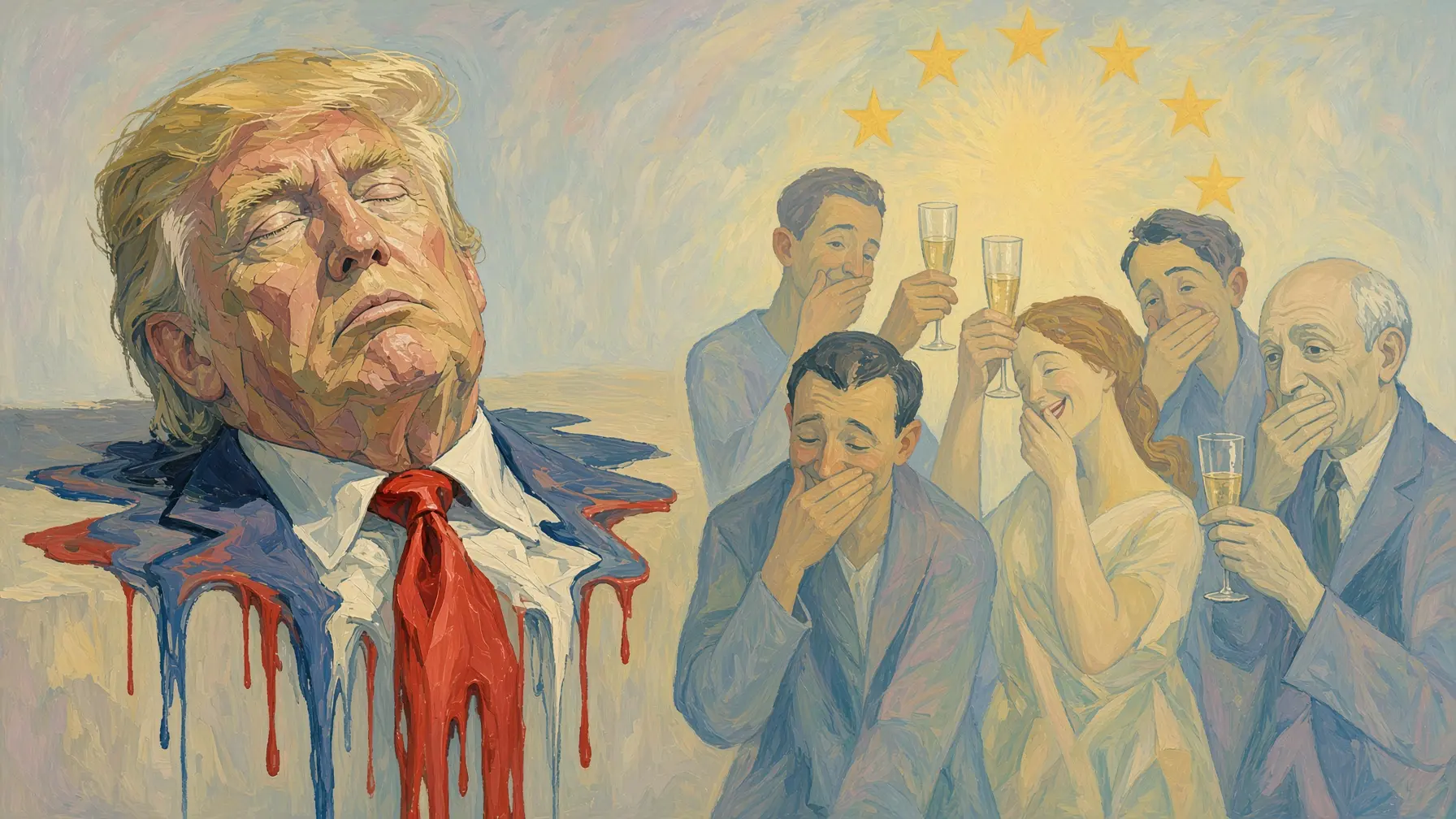
Trump's defeat, Europe's happiness and cautious celebration
If the Democrats deliver the result expected of them in Tuesday's American midterm election, champagne corks could pop in many places across Europe — except the relief won't necessarily be followed by a calmer relationship with Washington. Those quoted in the POLITICO analysis reported by Mediafax warn that Donald Trump, cornered domestically, may devote even more attention to foreign policy and…
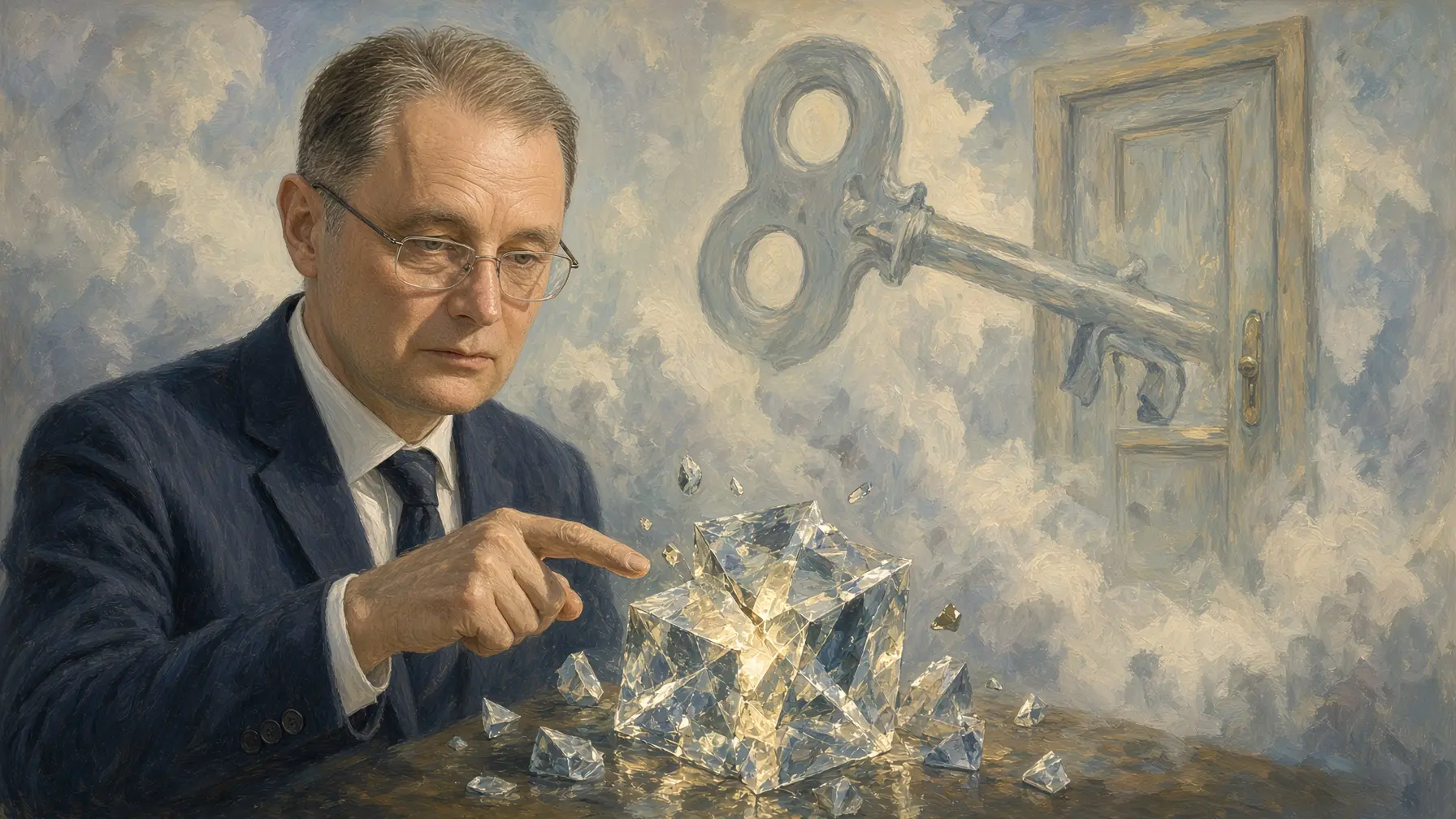
Niculescu found the problem, but the solution remained vague
On Tuesday in Bucharest, Prime Minister Luca Niculescu said out loud what Romanian business owners have been feeling on their own skin for a while now: more companies are preparing to lay off staff than to hire new ones, he said at the presentation of the business barometer, where he also spoke about the need to restore companies' appetite for investment and create well-paying jobs, especially…
The Feledy question is very simple:
what was in the CV he submitted?