
Putin's party wins election in which no one could run against Putin
Putin's party has secured a comfortable majority in the Russian Duma, though the word "comfortable" seems almost modest here: with more than 95 percent of the votes counted, United Russia stood at 57.83 percent, which is expected to translate into 355 of the 450 parliamentary seats. That is already a constitutional majority. The election commission reported a turnout of 59.3 percent, and Putin had described the vote in advance as a test of support for the war against Ukraine. The test succeeded: he appointed the examination board, wrote the questions himself, and kept anyone who might give an unwelcome answer out of the room.
The only registered anti-war party, Yabloko, had its candidates removed from the national party list, and many of its individual candidates were also barred from running. There was, of course, a choice among the other contenders: one could vote for the Communists, the ultranationalist LDPR, or New People, all of which consistently voted alongside Putin's party on key issues. The difference between them lies only in which side they lick Putin's boots from and which party badge they wear while doing it. Yabloko is expected to enter the regional parliament of Novgorod Oblast — that is as much as Russians voting against the war managed to achieve where the party was actually allowed on the ballot. Not even the staging was taken particularly seriously. Russia did not invite OSCE observers, and the European Union condemned not only the exclusion of the democratic opposition but also the fact that Moscow held "elections" in the occupied Ukrainian territories as well. Holding a vote for one's own parliament on land seized from another country: it would be hard to illustrate more succinctly what the Kremlin understands by the will of the people.
The result shows exactly what this whole three-day performance was staged for: the Duma will continue to vote for precisely whatever Putin puts in front of the deputies.
Disgrace
Did you like this article?
Support our work with a small donation
Secure payment via Stripe • Min. 2 EUR
Gesta recommendations:

Árpád Antal is shouting on Facebook again, with a conspicuous lack of groundwork
The UDMR's background institute has thrown in the towel, and is now drawing up the illustrative material with that.

Reform or Eyewash? Monday Will Reveal Whether the PSD Came to Govern or Just to Promise
Sorin Grindeanu is convening the PSD leadership on Monday morning. According to Mediafax, the meeting comes just as the debate over pensions and wages is unfolding, and for the first time the party must answer, alone, without a coalition partner, how much money the country has and what it will spend it on. What's worth watching?

Meloni: cyberattacks and bomb threats show that more money is needed for defense
On Friday in Verona, during a break at the Fieracavalli international horse fair, Italian Prime Minister Giorgia Meloni told journalists that Europe needs to increase its defense and security spending. In her view, civilian infrastructure today is threatened not by distant dangers but by attacks that can be felt in everyday life.

Expressions Apple blocks: dictator Trump, Tibetan independence and Russian troop deployment
The iPhone keyboard blocks nearly one hundred thousand words and expressions in about thirty languages when a user tries to type them using the faster swipe-typing feature, and the list includes not only vulgar and offensive words but also political expressions.
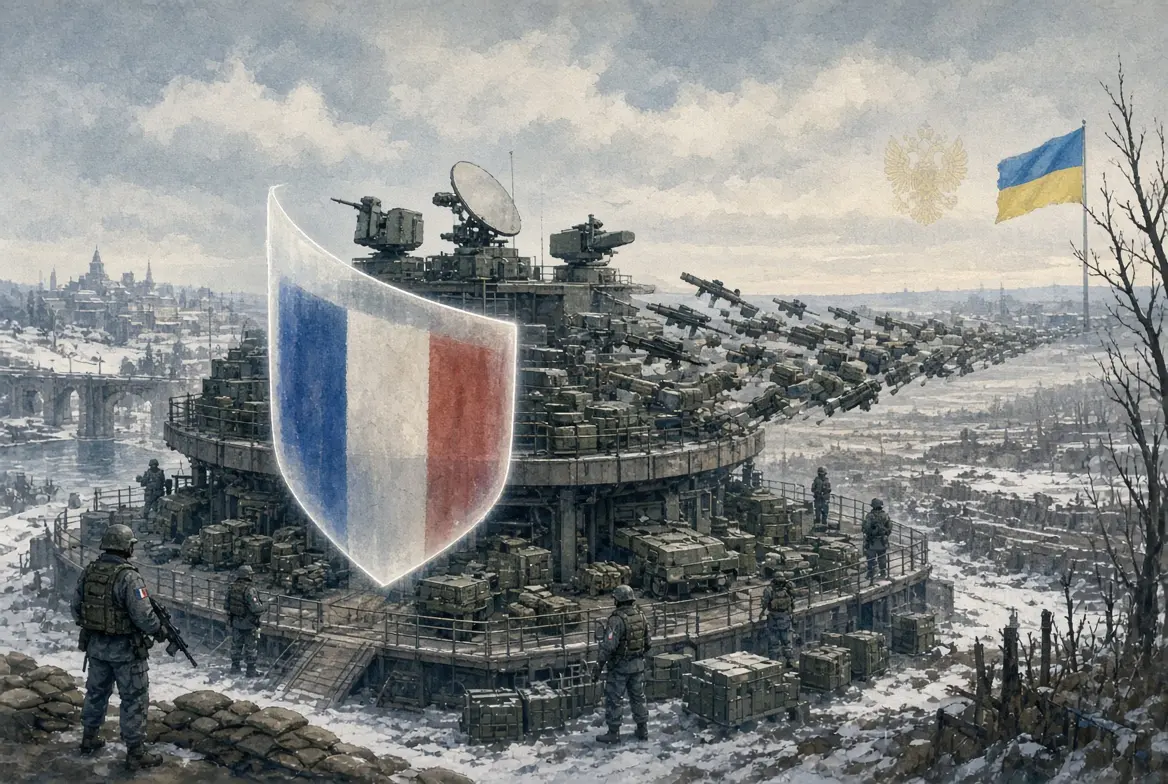
From January, the French will defend the weapons hub destined for Ukraine
From January 1, 2027, France will take over air defense of the Rzeszów area in southeastern Poland, home to the most important logistics hub for Western military aid destined for Ukraine. French ambassador to Warsaw Étienne de Poncins told journalists on Friday, November 6, that "from January 1, France will take over air defense in the Rzeszów area within the framework of NATO."