Russian state media suggested a nuclear strike, then quickly deleted the article
Russian state news agency RIA Novosti published an opinion pieceon its front page on Friday morning outlining a “brief special military operation” against Lithuania, including a missile strike with nuclear warheads. The article remained accessible for about three hours before the state news agency first removed it without explanation, and later stated that the outside author's piece did not reflect the editorial board's opinion, its editorial principles, or the state policy of the Russian Federation.
The deletion, however, does not change the fact that the piece was published, passed through RIA Novosti's editorial system, appeared on the Russian state news agency's front page, and its author is not some unknown internet commenter but a propagandist connected through several channels to the Kremlin's influence networks. Moreover, the text closely aligns with the nuclear threats that presidential spokesman Dmitry Peskov and Dmitry Medvedev, deputy chairman of Russia's Security Council, have recently made against Lithuania. All this clearly shows that the idea of the nuclear annihilation of a NATO member state can already be presented in Russian state media as a debatable military option. This cannot simply be dismissed as an editorial accident, even if a few hours later Moscow decided that the text was, for the current moment, phrased too openly.
The deleted piece was titled:
“Russia has another special military operation ahead. This one will be very short.”
The author, Alexander Nosovich, claimed that a potential Russian-Lithuanian war, for geographic reasons, could not resemble the war launched against Ukraine, and would therefore end quickly. According to Nosovich, Russia's choice would not be whether to fight, but what means to use. The author then essentially proposed a nuclear strike:
“Only missiles, with the appropriate warhead.”
According to Nosovich, if Lithuania were to allow the deployment of nuclear weapons on its territory, Russia would not even need to deploy ground troops. He called Lithuania a “brainless suicidal country” and, after Ukraine, the next “training ground” for Russia's missile forces. He described the Baltic states as “small but proud kamikazes” used by the West to hold back Russia. The article's argument followed the usual Russian propaganda pattern: Russia first threatens a neighboring state militarily, then presents that state's defensive measures as renewed aggression against Russia itself. The alleged “Russian response” derived from this is no longer merely another military threat, but a suggestion of a nuclear attack on a NATO member state.
The direct trigger for the RIA Novosti article was a vote in the Lithuanian parliament on September 22. The 141-member Seimas, with 99 in favor, 13 against and five abstentions, began the procedure to repeal Article 137 of the constitution, which bans the placement of weapons of mass destruction and foreign military bases on Lithuanian territory. The rule was adopted after Lithuania's secession from the Soviet Union, under entirely different security conditions, long before Lithuania became a NATO member. However, the September 22 vote did not amount to the adoption of the constitutional amendment, and certainly did not constitute a decision on deploying American or other NATO nuclear weapons in Lithuania. Parliament merely initiated the constitutional amendment procedure. The draft still needs the support of at least 94 lawmakers in two further votes, with at least three months required between the two ballots. The first approving vote is planned for October 6, and the final one for January 12, 2027. Lithuanian President Gitanas Nausėda already stressed in July that there are no immediate plans to deploy nuclear weapons, and that removing the constitutional obstacle would allow Lithuania, if necessary, to fully participate in NATO's nuclear deterrence system, while the country would remain a party to the Non-Proliferation Treaty. NATO's nuclear deterrence currently relies on the United States' forward-deployed nuclear weapons in Europe, as well as the strategic nuclear forces of the United States, the United Kingdom and France.
The opinion piece published by RIA Novosti therefore did not respond to an already ongoing deployment of nuclear weapons, but rather framed the opening of a future possibility as a direct nuclear threat against Russia, and from this derived the alleged “necessity” of preemptively destroying Lithuania.
Who is Alexander Nosovich, the man who suggested a nuclear strike?
After deleting the article, RIA Novosti tried to distance itself from Nosovich by calling him an outside author, but in fact the author is considerably closer to Russia's state foreign policy apparatus than that. Nosovich is the editor-in-chief of RuBaltic.ru and a member of Russia's Council on Foreign and Defense Policy. This organization is one of the founders of the Valdai Club, at whose events Vladimir Putin regularly presents his foreign policy worldview, and which plays an important role in packaging the Kremlin's international messaging for intellectual and analytical audiences. A 2020 investigation by the Dossier Center identified Nosovich as part of a Baltic influence network. According to the investigation, the network was created by Yevgeny Umerenkov, an official in the Russian presidential administration and a colonel of the Foreign Intelligence Service. Correspondence obtained by Lithuania's LRT indicated that Nosovich also received editorial assignments for RuBaltic from Kremlin-linked handlers.
The article remained on the Russian state news agency's website for about three hours. After independent Russian and foreign media reported on it, RIA Novosti removed it, and initially offered no explanation at all; later, however, a short editorial statement appeared in the article's place:
“The article does not reflect the opinion of the editorial board, its editorial policy, or the state policy of the Russian Federation.”
The explanation leaves more questions open than it answers. If the opinion piece was truly so at odds with Russian state policy and RIA's editorial line, how did it end up on the state news agency's front page? Who edited it, who approved it, and why was it removed only after other media outlets took notice? At most, the deletion signals that the Russian state did not, for the moment, want to claim ownership of such a blunt formulation of a nuclear strike against Lithuania as an official message; there is, however, no evidence whatsoever that RIA suddenly discovered the moral principles of peace-oriented journalism.
RIA's article did not appear in a communicative vacuum: upon news of the Lithuanian constitutional amendment, Kremlin spokesman Peskov stated that if nuclear weapons were deployed in Lithuania, the country's territory would come into the “crosshairs” of Russian nuclear weapons. Peskov called this an extremely serious escalation and increase in tension. Dmitry Medvedev, deputy chairman of Russia's Security Council, went even further, previously claiming that Lithuania could “cease to exist as a state” in a conflict with Russia. A Russian parliamentary defense official said that any potential nuclear infrastructure in Lithuania would become a military target to be destroyed. Compared to these statements, all Nosovich did was drop the diplomatic conditional and spell out the scenario that follows from the threat: instead of a long ground war against Lithuania, Russia should strike it directly with a nuclear missile.
One of the deleted article's central claims was that a Russian war against Lithuania would necessarily be short for geographic reasons. This argument repeats the same propaganda technique Moscow used regarding Ukraine: the target is portrayed as a weak, unviable state whose population is unwilling or unable to resist, and whose allies would abandon it after the first shots are fired. In reality, Lithuania is a member of NATO, so a missile or nuclear attack on Lithuania would not be a bilateral Russian-Lithuanian conflict, but an armed attack on the entire alliance.
Meanwhile, Russia officially continues to claim that it does not intend to attack any NATO member state. In its state media, however, discussions are already underway about which neighbor could be eliminated, with what kind of warhead, and in how much time.
Frenzy
Tetszett a cikk?
Támogassa a munkánkat egy kis adománnyal
Biztonságos fizetés Stripe-on keresztül • Min. 2 EUR
Gesta-ajánló:
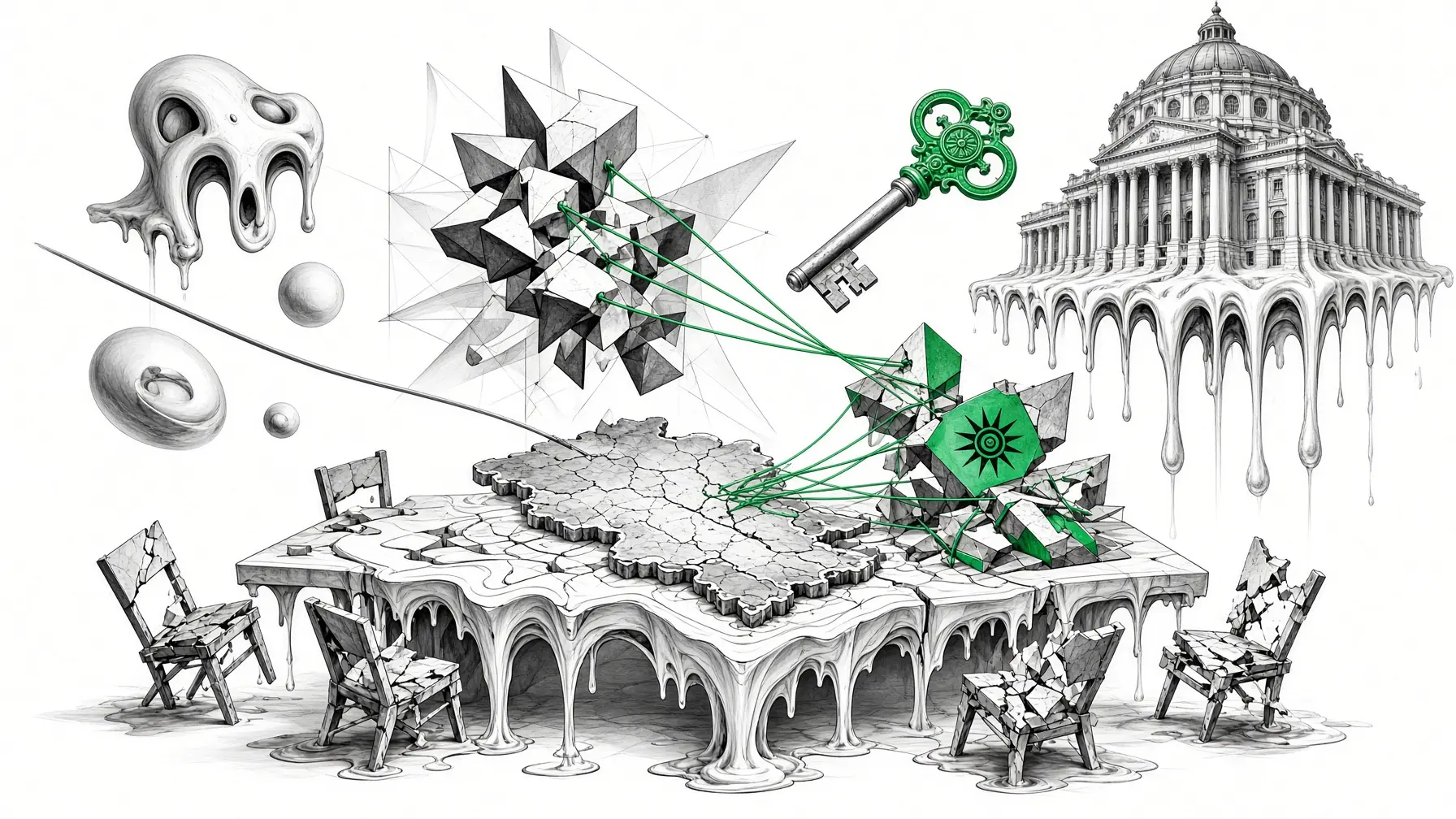
Kormányalakítási alkudozások: az RMDSZ kiharcolta az autonómiát
Alakul a román kormánykísérlet: a PNL, az USR és az RMDSZ felosztotta egymás között a minisztériumokat, Siegfried Mureșan kijelölt miniszterelnök pedig szombaton benyújtja a Parlamentnek a kormányprogramot és kabinetje névsorát. A miniszterjelöltek meghallgatását hétfőre tervezik, az izgalmak napja pedig – ha semmi nem borítja fel a menetrendet – kedd lesz, amikor a törvényhozás szavaz a kormány…
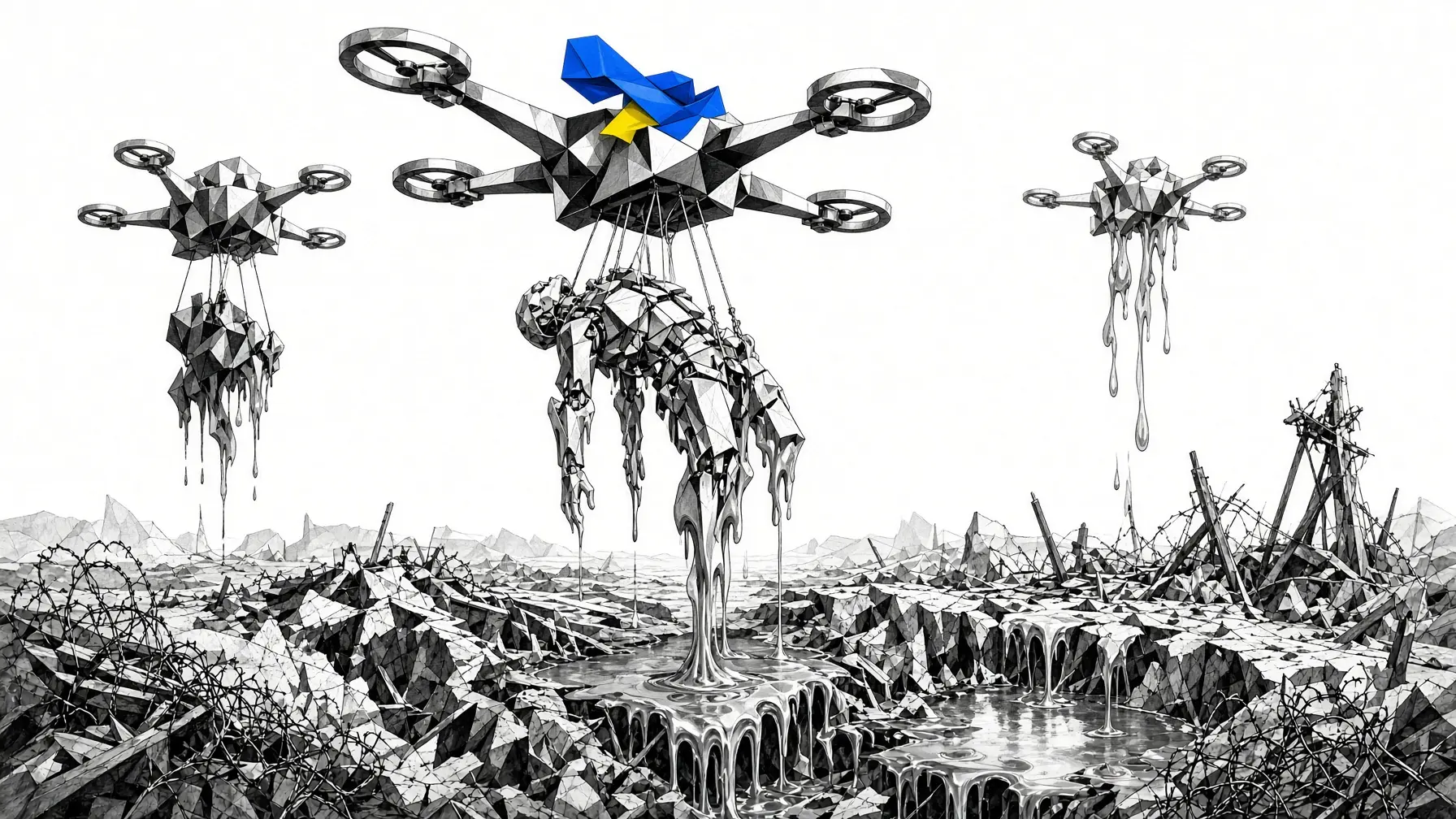
Világpremier: repülő drónok szállították az orosz vonalak mögé az ukrán harci robotokat
Az ukrán hadsereg Harmadik Hadteste közölte, hogy a Vivaldi hadművelet során 125 négyzetkilométernyi területet vont ismét ukrán ellenőrzés alá a Donyeck megye északi részén található Liman térségében. A művelet egyik legfontosabb újítása az volt, hogy nagyméretű repülő drónokkal robbanóanyaggal felszerelt szárazföldi harci robotokat szállítottak több mint tíz kilométerrel az orosz vonalak mögé.

Mesterséges intelligenciával keresik a föld alatti csőtöréseket Buzăuban
A Buzău megyei regionális vízszolgáltató mesterséges intelligenciával támogatott zajérzékelőkkel csökkentette a hálózat vízveszteségét. A rendszer a nyomás alatt álló vezetékekből kiszökő víz által keltett hangokat és rezgéseket figyeli, majd az adatok alapján kijelöli azokat a területeket, ahol valószínűleg rejtett csőtörés vagy szivárgás található.
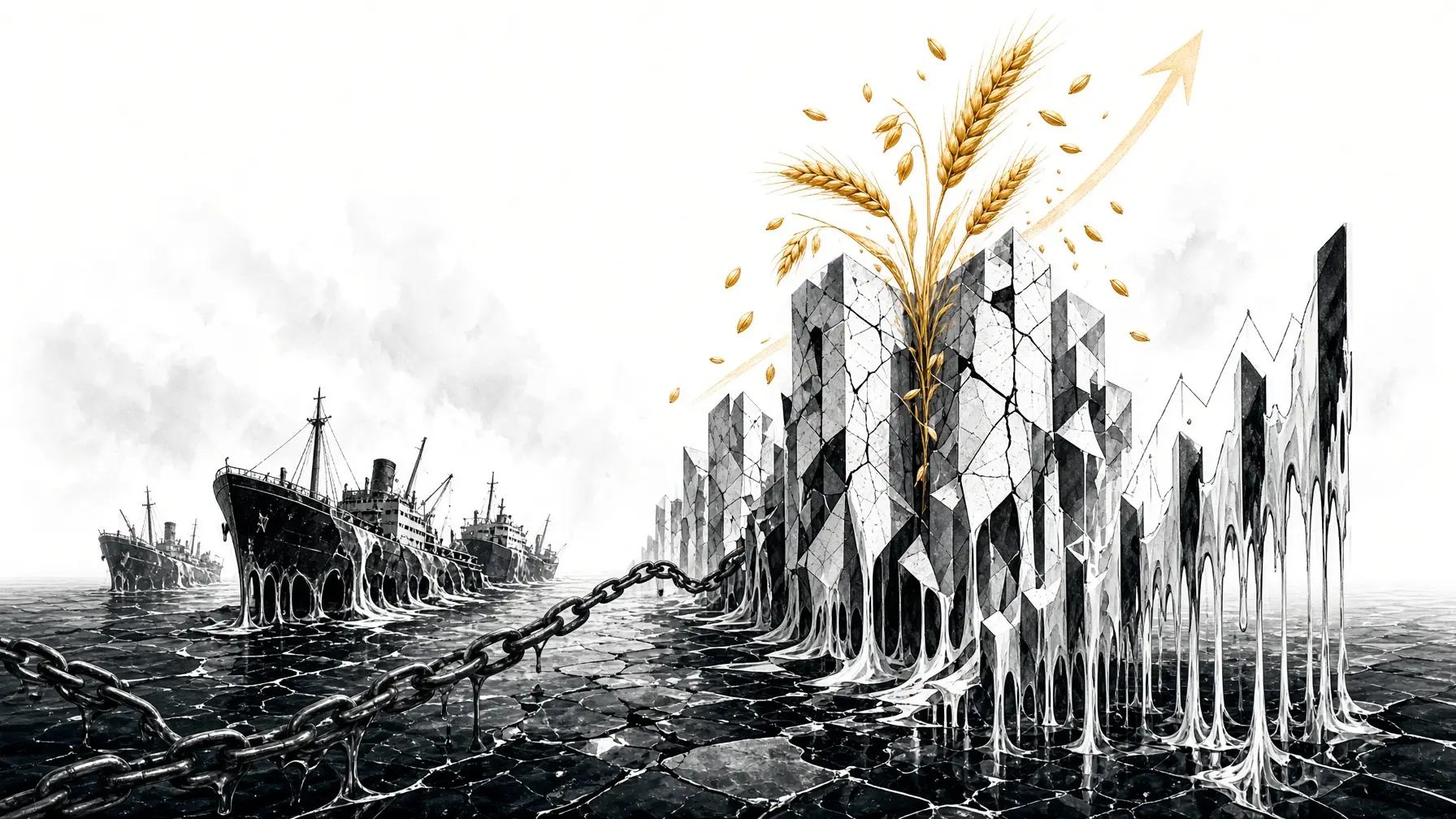
Megakadt a fekete-tengeri gabonakereskedelem, világszerte emelkedik a búza ára
Az orosz–ukrán háború tengeri kiterjedése gyakorlatilag megbénította a világ egyik legfontosabb gabonaexport-útvonalát. Az elmúlt hónapokban az orosz hadsereg fokozta az ukrán kikötők, gabonaterminálok és közlekedési csomópontok elleni támadásokat, Ukrajna pedig válaszul orosz kikötőket, teherhajókat és logisztikai létesítményeket vett célba. Az eredmény: az orosz és ukrán tengeri gabonaexport…
Szele Tamás: A Crocus-paradoxon
Míg az orosz hatóságok szerint Kijev a bűnös – hiszen ehhez ragaszkodnak, körömszakadtáig is – remény sincs a valódi gyilkosok, felelősök és szervezők megbüntetésére.