
Shame! Hungary has once again blocked Ukraine's EU accession process with a veto
On Tuesday in Brussels, Hungary refused to approve the screening results for the last two chapter clusters in Ukraine's EU accession negotiations, thereby halting, for the time being, the preparations for opening clusters 4 and 5. This was reported by several EU diplomats familiar with the negotiations, following a meeting of the Council of the European Union's enlargement working group (COELA), to the Brussels correspondent of the Ukrainian Yevropeiska Pravda (European Pravda).
The sources did not reveal what arguments the Hungarian representative used to justify the rejection, and Budapest has not officially commented on the decision. Cluster 4 covers the green agenda and sustainable connectivity, meaning transport, energy, trans-European networks, the environment and climate change. Cluster 5 concerns resources, agriculture and cohesion policy, including agriculture, veterinary and plant health, fisheries, as well as financial and budgetary provisions. For Ukraine these are the most difficult and costly chapters, and it is precisely the agricultural and cohesion issues that most directly affect the interests of Hungarian and Polish farmers.
COELA, formally the working group dealing with enlargement and the negotiating countries, is one of the expert bodies of the Council of the European Union. The Council itself is made up of delegates from member state governments, and the major political decisions are taken by ministers and heads of state and government. These decisions, however, are prepared by dozens of such working groups, in which diplomats from the member states' permanent representations in Brussels negotiate. In the enlargement working group, Hungary is represented by the diplomat responsible for enlargement at the Hungarian Permanent Representation in Brussels, who does not decide at his own discretion but acts on instructions received from the government in Budapest, primarily from the Ministry of Foreign Affairs — that is, from Anita Orbán. Tuesday's rejection was therefore not the individual decision of a Brussels official, but the position of the Hungarian government.
In the process of accession negotiations,
the working group plays a key role
The opening of every chapter cluster is preceded by a so-called screening, in which the European Commission assesses how closely the candidate country's legal system conforms to EU rules in the given area. The results of the screening must be approved by the member states in the working group; only after that can the decision move on to the committee of member states' ambassadors and then to the ministers, and only then can the given cluster be opened at an intergovernmental conference. Since every step of enlargement requires unanimity, a single country's refusal is enough to stall the process already at this technical level. This is why Budapest is able to block the process already within the working group, without the issue ever becoming a public political dispute.
The blockage is surprising because just a week ago it seemed that Hungarian–Ukrainian relations had reached a turning point. On October 12, the Ukrainian parliament adopted an amendment to the minority education law, which Budapest had set as a condition, and on October 13 the Council of the European Union officially opened clusters 2 and 3. Volodymyr Zelensky and Péter Magyar held their first one-on-one talks at last week's EU summit, Péter Magyar expressed readiness to let Ukrainian grain pass through to Western Europe, and the two leaders are also planning a meeting in Berehove by the end of the year. On Monday, Ukrainian Deputy Prime Minister Vsevolod Chentsov was still telling European Pravda that relations had managed to "turn the page", and that Hungary was no longer putting obstacles in the way of Ukraine's EU path. A day later it turned out that the page-turning amounted to, at most, a single page.
The reasons behind the Hungarian position can for now only be guessed at, but Budapest's earlier statements offer some clues. At last week's summit, Péter Magyar put it this way: "There are six clusters in total, and we don't think it's a good idea to open all of them at once," arguing that this would send a bad message to the Western Balkan candidate countries, which have been waiting for years. The timing is also telling: for Hungarian farmers, the opening of the agricultural chapter looks like the antechamber to an unlimited inflow of Ukrainian grain, and the Tisza government has been sensitive, ever since the spring election campaign, to not being branded as a betrayer of farmers — all while the Hungarian press stays conspicuously silent about the fact that Viktor Orbán's regime was itself actively involved in importing and trading Ukrainian grain into Hungary, and that the legal director of the state holding company overseeing this was none other than Péter Magyar.
So far this year, Ukraine has clashed with the Hungarian veto four times: the first cluster, dealing with fundamental issues, was blocked in June, the sixth, on external relations, in July, and clusters 2 and 3 were only opened on October 13 after lengthy wrangling. The Irish rotating presidency still wants clusters 4 and 5 to be opened before the end of the year as well, but Hungary's latest move now jeopardizes that timetable too. Under Orbán's government, Budapest vetoed openly, loudly and proudly; Péter Magyar's government speaks in a different tone by comparison, and after the minority law did genuinely ease its veto policy somewhat. The peacock dance, however, has apparently remained.
Ugar
Did you like this article?
Support our work with a small donation
Secure payment via Stripe • Min. 2 EUR
Gesta recommendations:
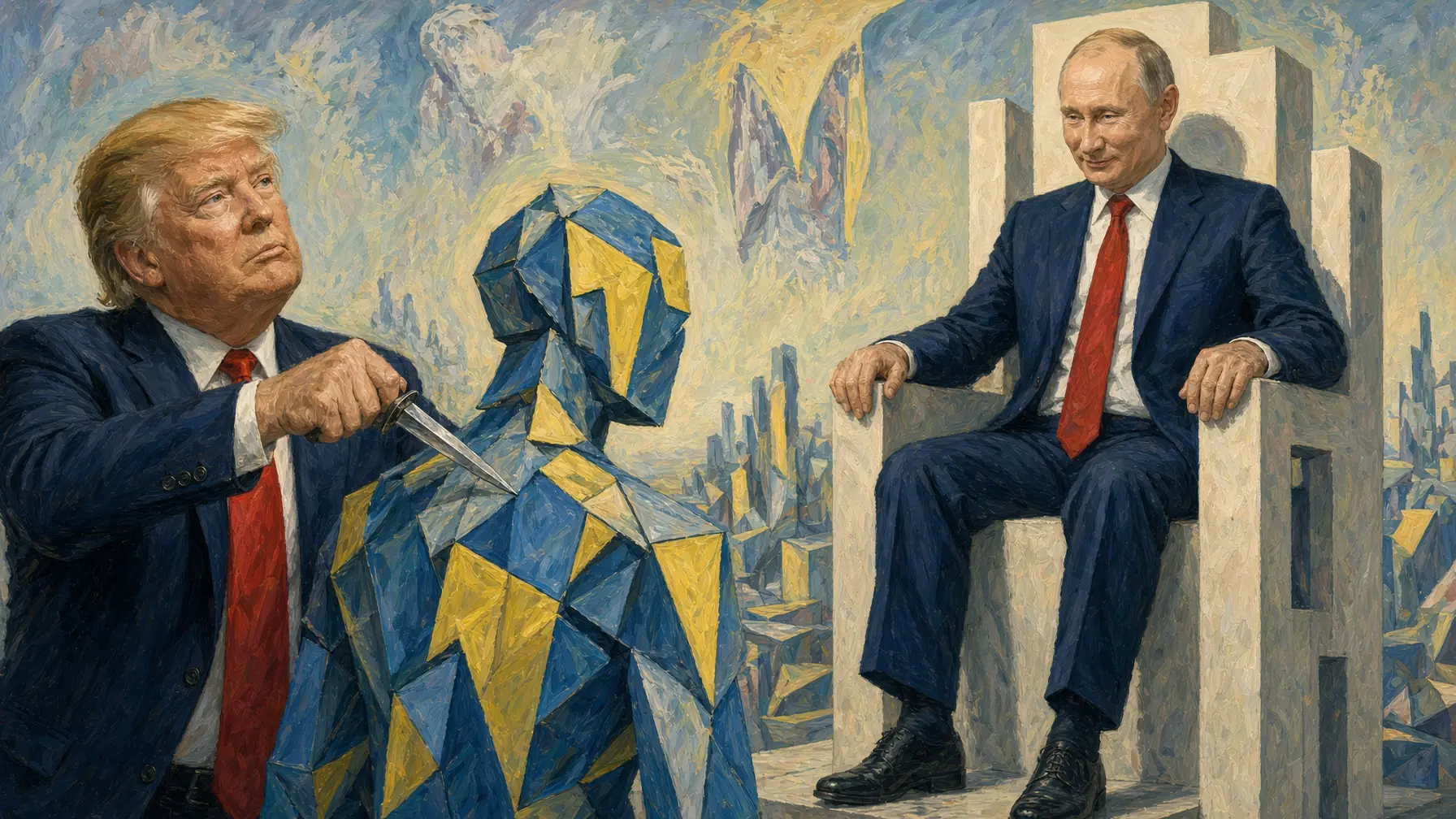
Trump stabs Ukraine in the back, then seeks Putin's approval
On Tuesday, October 20, Ukrainian President Volodymyr Zelensky discussed security guarantees for Ukraine with US special envoy Steve Witkoff in Oslo, while Kyiv has to face the fact that Washington is also making uncertain the cooperation needed for its current defense. After the meeting, Zelensky said that the various versions of the guarantees had been compiled into a single document, which…
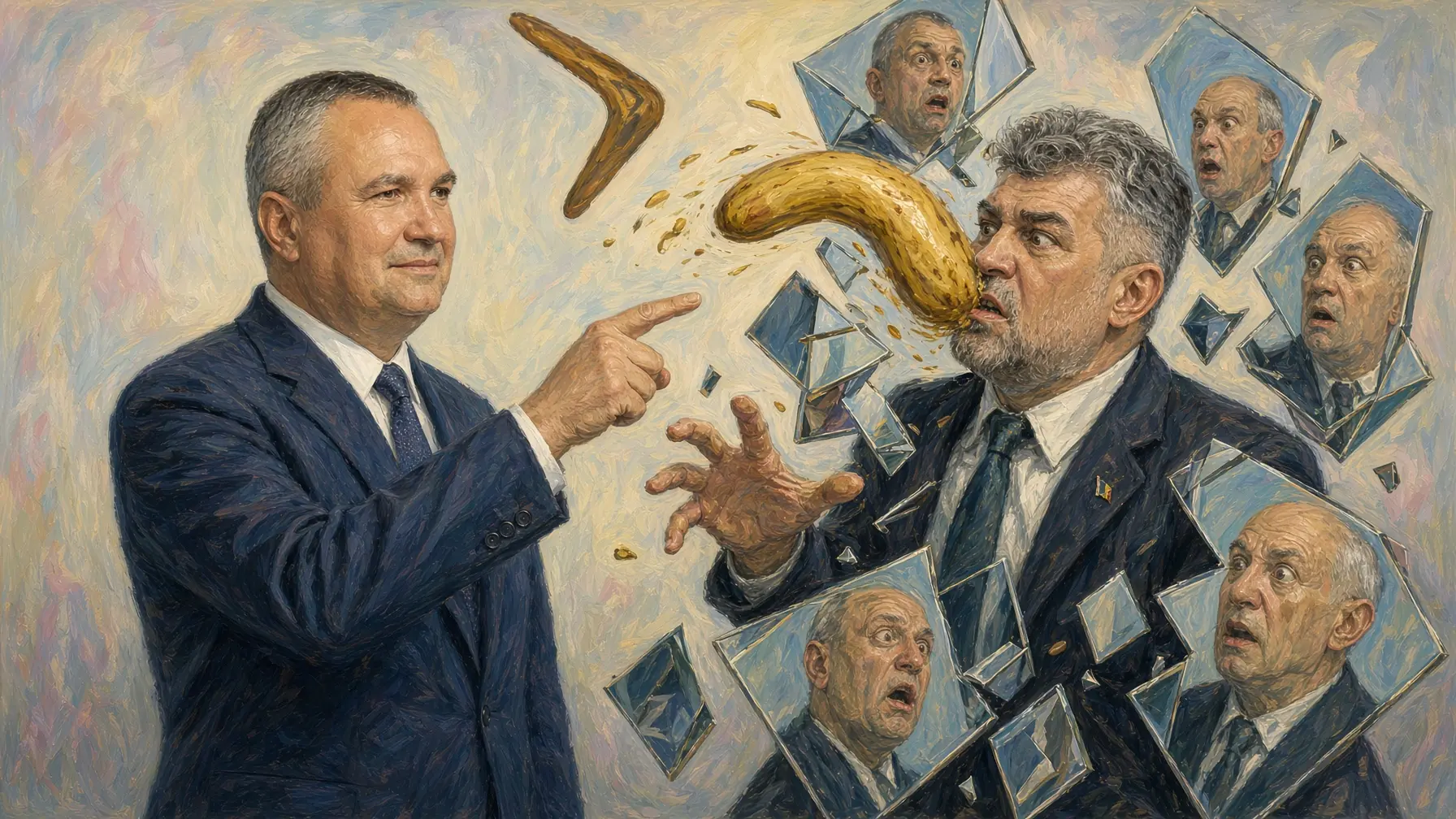
PNL: “The PSD can no longer shift the blame onto others”
The National Liberal Party (PNL) announced, after Tuesday's vote installing the Niculescu government, that it will move into opposition. From now on, full responsibility for governing rests with the Social Democratic Party (PSD) and the prime minister designated by President Nicușor Dan - said in parliament Ionel Bogdan, spokesperson for the PNL. “Today's vote in parliament has closed the…
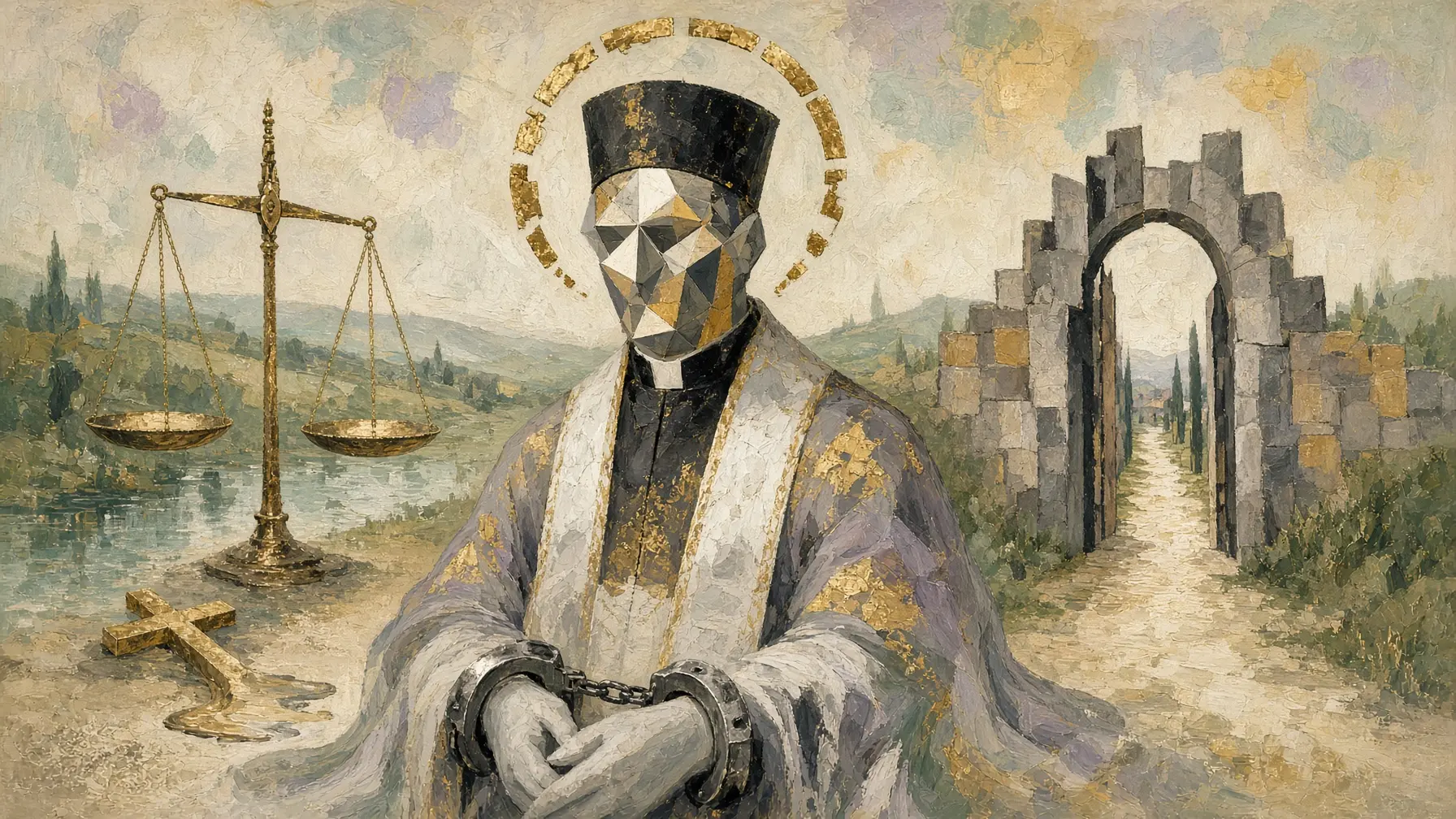
Pedophile priest arrested in Vaslui County
On Tuesday, the Orthodox Diocese of Huși suspended from service a priest from Vaslui County who was placed in pre-trial detention over the weekend on suspicion of sexual assault, rape of a minor and sexual acts with a minor. The priest of the parish of Parpanița, part of the town of Negrești, is now barred from performing any religious services. According to the police investigation, the priest…
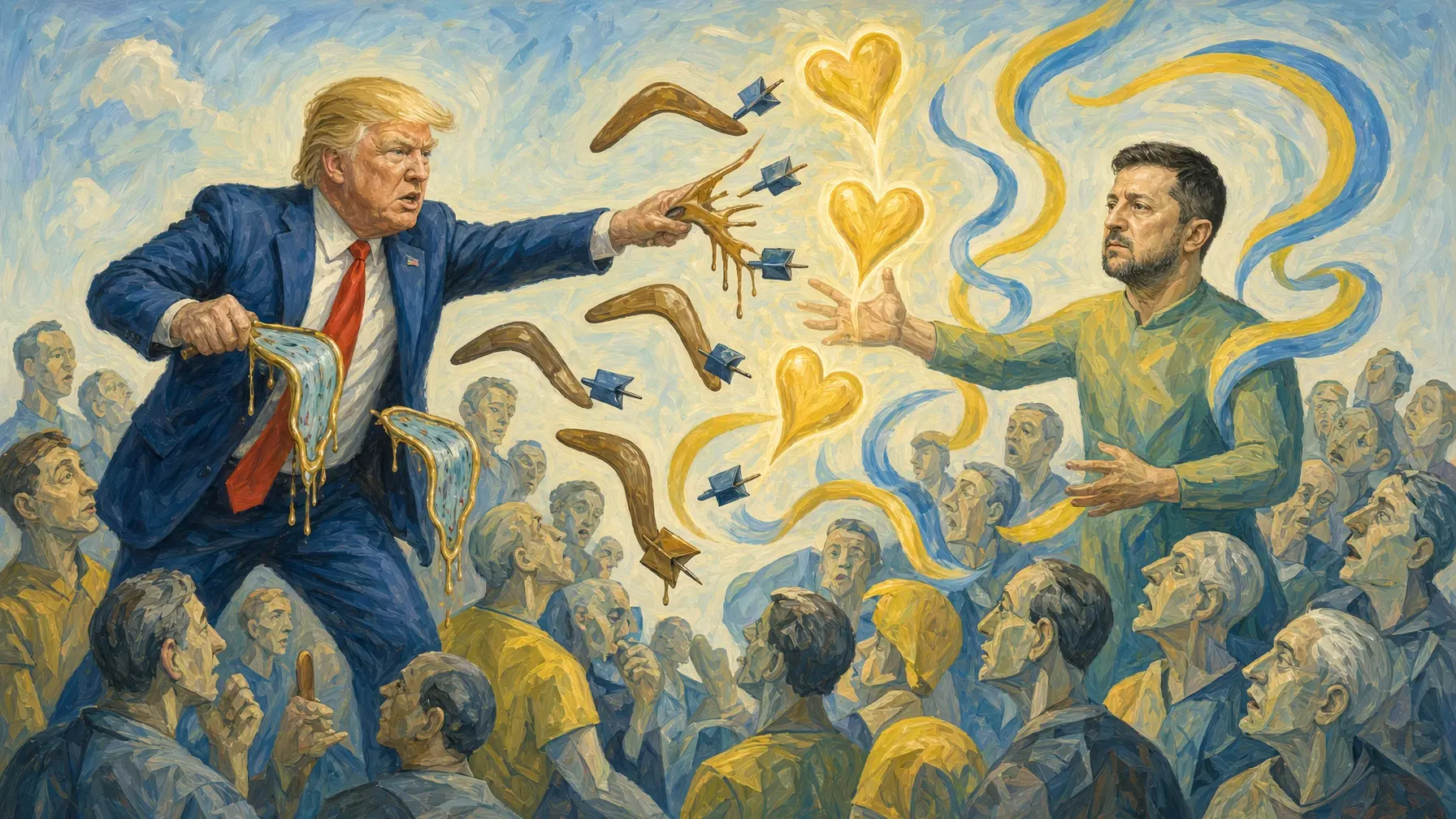
Trump is the best campaign manager: Ukrainians trust their president more since he started attacking Zelensky
We're getting close to the point where, if a head of state or government wants to win the next election, they should pay Donald Trump to publicly badmouth them. According to a survey conducted by the Kyiv International Institute of Sociology (KIIS) between October 8 and 16, 54 percent of Ukrainians trust Volodymyr Zelensky, while 41 percent do not.

Reuters: Iran is deliberately dragging out negotiations until the midterm elections
Iran is deliberately prolonging negotiations with the United States in order to politically weaken Donald Trump ahead of the November 3 midterm elections, G4Media reported, citing Reuters, which in turn cited three senior Iranian officials and an additional Iranian source. “The clerical leadership is determined not to give Trump a political victory,” the news agency quoted one of the anonymous…