
They're asking Moscow for permission to defend Ukraine from Moscow
On Thursday Jared Kushner was still boasting in Berlin that, together with Steve Witkoff, he had managed to get the Russians to accept the idea of NATO-style security guarantees for Ukraine, but on Friday Moscow announced that nothing of the sort was on the table. The most humiliating part of the story is not that Trump's envoys' diplomatic success story didn't even survive a single day, but the assumption, treated as self-evident, that the aggressor is the one who must approve what kind of protection the country it attacked is allowed to have.
On November 20, Russian Deputy Foreign Minister Sergei Ryabkov made it clear that Moscow will not accept any solution granting Ukraine some sort of NATO "quasi-membership," and that it also rejects the "creative solutions" being devised to get around that. Russia is willing to discuss security guarantees primarily from the standpoint of its own security, and expects Ukraine to first accept that the Russian demand excluding its NATO membership is irrevocable. Only if Kyiv acknowledges this might there be talk afterward about what guarantees it could receive. It's worth considering what order of priorities the Kremlin is dictating here: the attacked country should first give up what it considers its strongest form of protection, and then trust that its attacker will agree to something weaker. In this construction, Russia would be bargaining not only over the occupied territories but also over how exposed Ukraine should remain to it in the future, while Washington's envoys apparently already count it as a success if Moscow shows any willingness to listen to them at all. Indeed, after the November 19 Berlin meeting of the "coalition of the willing," Kushner said that together with Witkoff they had gotten the Russians to warm to the idea of basing Ukraine's security guarantees on Article 5 of NATO. He added that this would be part of a broader agreement and that the way of enforcing the commitments still needed to be worked out — meaning that the big announcement lacked precisely what turns a guarantee into more than just another piece of paper: who does what, and when, if Russia attacks again. And judging by Ryabkov's response the very next day, not even that basic agreement in principle, which the American envoy had reported, actually seems to exist.
For Trump and his envoys, this would be yet another chance to recognize what role the Kremlin has assigned them: they deliver the upbeat statements, while Moscow decides which of them it is even willing to consider. Calling all this a peace process doesn't change the fact that it's quite clear who is trying to dictate the agenda and who keeps adjusting to it over and over again, while the Ukrainians are busy pulling people out of the rubble. And we can also be certain that Trump and his team will not seize this chance.
Stupor
Did you like this article?
Support our work with a small donation
Secure payment via Stripe • Min. 2 EUR
Gesta recommendations:

They would encourage the merging of communes with halved taxes and funding worth millions. Here is the first version of the reform
The Romanian government would persuade smaller local authorities to merge with their neighbors by halving residential property and land taxes for five years and offering investment support of at least four million lei. The draft emergency ordinance, put out for public debate on Friday, November 20, primarily targets communes with no more than 1,500 inhabitants, although larger localities could…
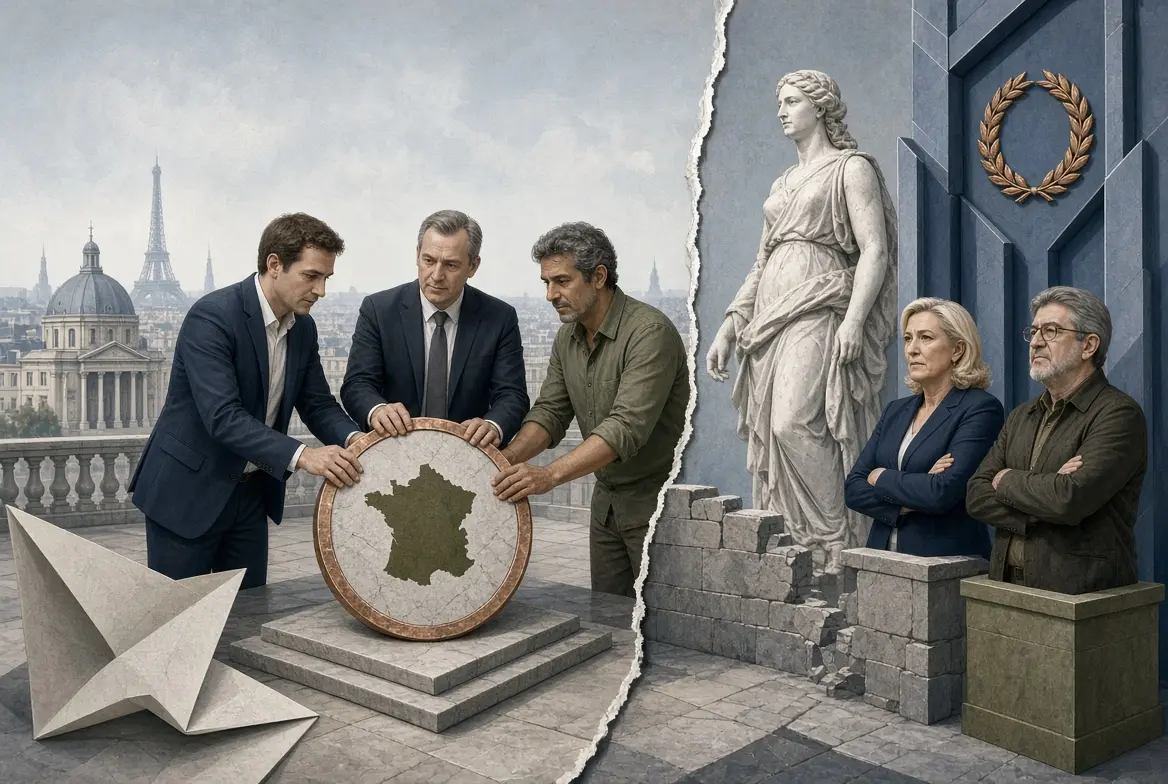
Joint primary against the extremes: Attal, Retailleau and Lisnard would field a single candidate against Le Pen and Mélenchon
In France, three presidential candidates of the centre and the centre-right have agreed in principle to decide in a joint primary which of them will be the sole candidate in the 2027 presidential election.
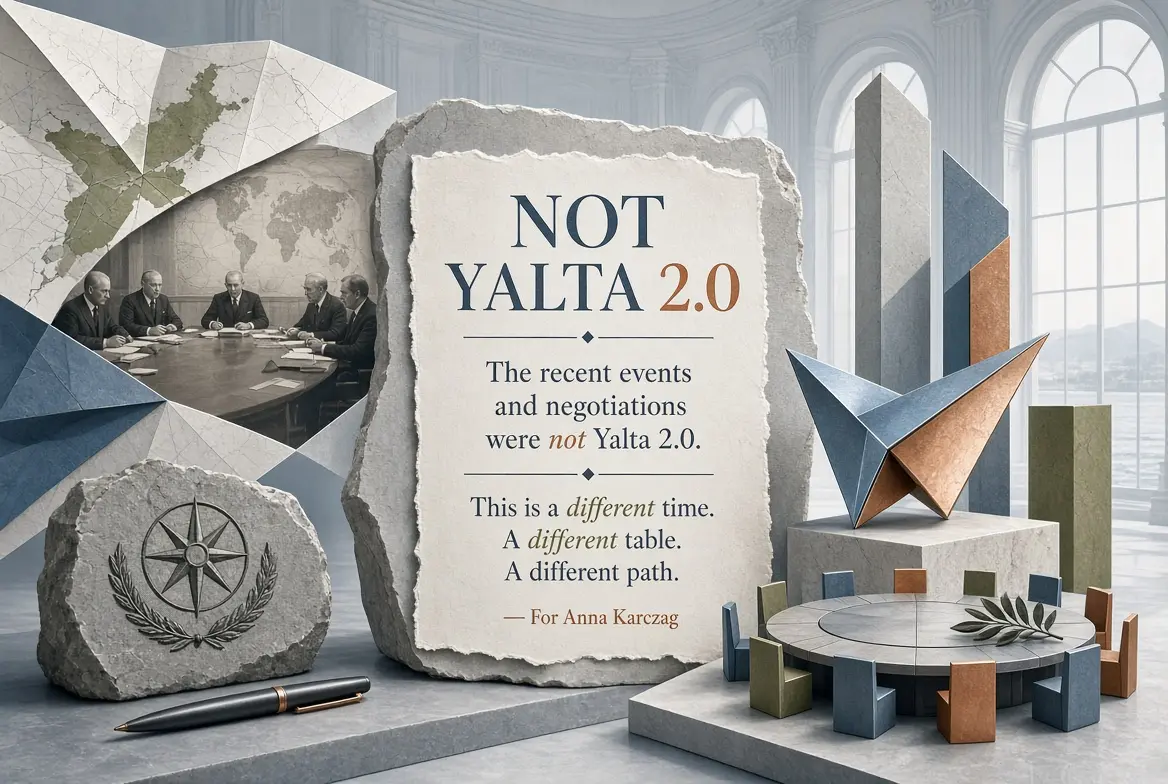
A Reply to Anna Karczag: No, This Was Not Yalta 2.0!
Let me state at the outset: I enjoy reading Anna Karczag's articles, especially when she puts in the effort and does the necessary research. The piece on the Protocols of the Elders of Zion is a thorough, information-rich example of that, as are several of her articles on cognitive warfare — all praiseworthy work. Yet there are times when she overdoes it and lets emotion take over — and that is…
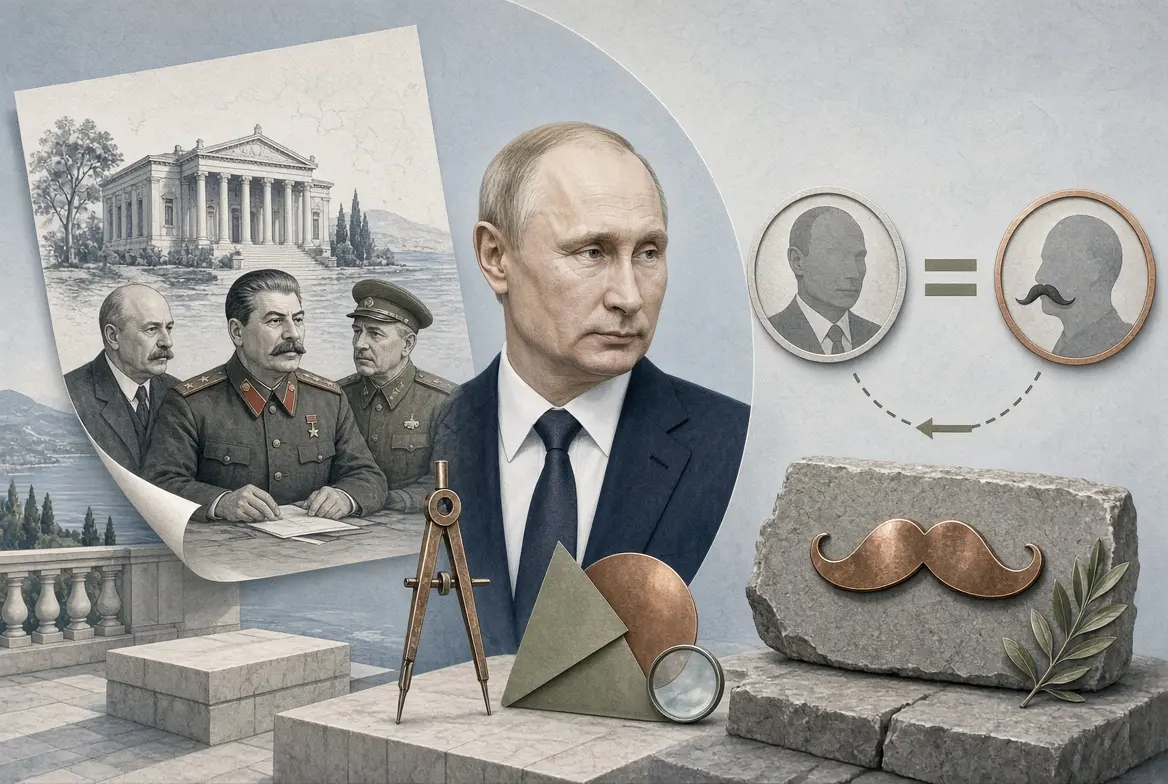
Relax, this isn't Yalta 2.0, because Putin doesn't have a mustache
I've been reading the reports on the Shenzhen summit of the Big Three, and the analyses too: a multitude of Hungarian analysts raised in the Western cultural sphere are talking and writing about how, oh no, this wasn't Yalta 2.0 at all. But it was! I'm sorry that I have to be the one to switch on the light in the increasingly darkening skulls of these trendy analysts, but yes, this was Yalta 2.0.
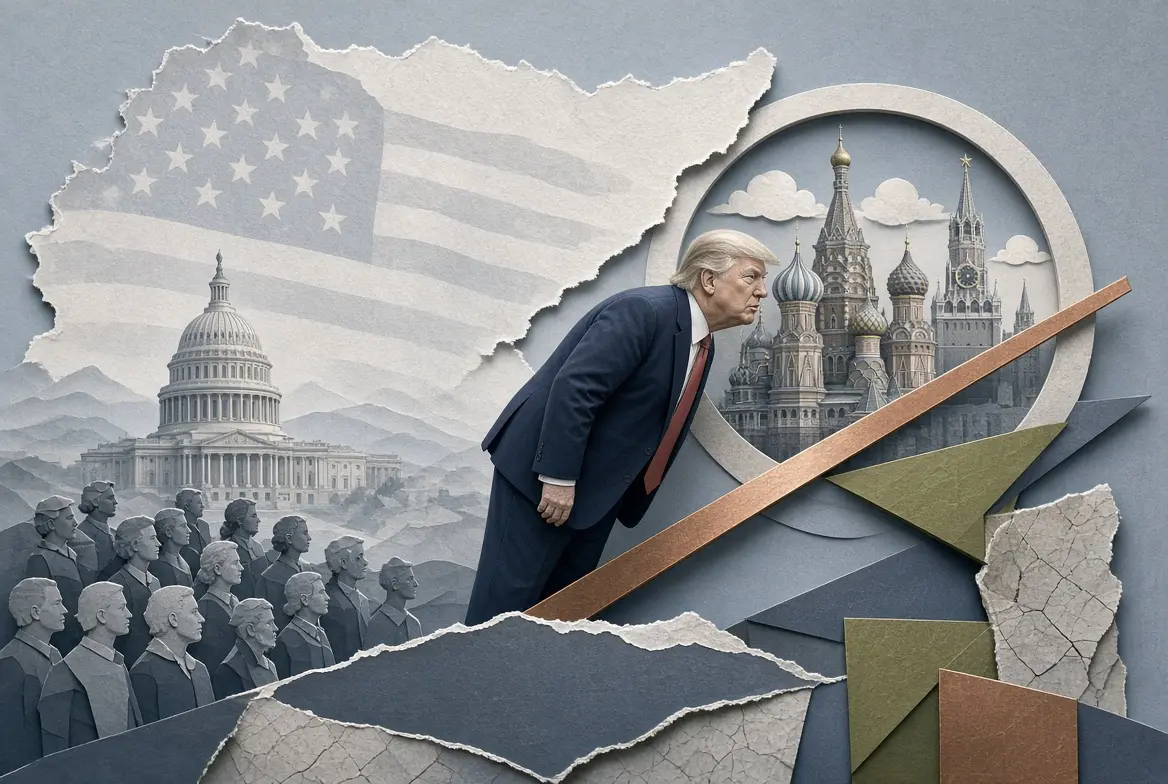
Two-thirds of Americans think Trump is leaning toward Moscow
Two-thirds of Americans, 67 percent, disapprove of the way Donald Trump is handling Russia's war against Ukraine, and only 30 percent agree with his approach. This is the finding of a Pew Research Center survey published on Wednesday, which is especially telling on Thursday, the day of the Trump–Putin–Xi summit in Shenzhen. The research institute polled 10,247 adults between November 9 and 15.…