Three-year extension of sanctions, but Fridman and Usmanov removed from the list with Hungary's support
The member states of the European Union on Tuesday extended for three years the individual sanctions affecting nearly three thousand Russian citizens and entities, though two billionaires considered close to Moscow — Uzbek-Russian businessman Alisher Usmanov and Russian oligarch Mikhail Fridman — were removed from the list. The agreement was reached only at the last moment, after Latvia vetoed the compromise on Monday evening. It is not yet known what concession Riga received in exchange for dropping its opposition.
The individual sanctions — asset freezes and travel bans — target specific people and companies in the wake of Russia's 2022 invasion of Ukraine, and until now had to be extended every six months by unanimous decision of all 27 member states. The economic and sectoral sanctions against Russia — trade, financial and energy restrictions — are maintained under a separate system and are not affected by the current decision. This time even the usual six-month extension proved difficult to agree on: the deadline was pushed back by only a week before the September 15 cutoff, because several countries demanded the removal of the two billionaires. France — to the surprise and anger of its partners — joined Slovakia in calling for Usmanov's removal. Luxembourg then made the same demand regarding Fridman, whose removal was also supported by Slovakia and Hungary.
Paris cited national security considerations. Three European diplomats told Reuters that France acted because Azerbaijan had put pressure on it: at least two French citizens are being held in the country, a claim echoed by Euronews, which reported that Paris had linked Usmanov's removal to the release of a prisoner; a senior Azerbaijani diplomat, however, denied any such connection on Friday. Luxembourg's interest is simpler: Fridman is seeking 16 billion dollars from the Grand Duchy in an international arbitration case over his frozen assets, and diplomats say Luxembourg feared that if only Usmanov were removed from the list, it would weaken its own position — although the reasoning is murky enough to be, in technical terms, merely plausible. The essence of the compromise was that in exchange for removing the two billionaires, the rest of the individual sanctions would be extended not for six months but for an unprecedented 36 months, meaning the next review will not be due until autumn 2029, giving member states fewer opportunities to extract concessions through veto threats. Latvian Prime Minister Andris Kulbergs wrote on X late Monday evening:
„Extending the sanctions for 36 months would be the right move. But the price for that cannot simply be removing these two individuals from the sanctions list. Latvia cannot accept such an offer."
On Tuesday morning he convened an emergency cabinet meeting and indicated that, together with Brussels and Paris, he was seeking “a solution that serves Latvia's interests,” while also warning that if no agreement were reached by the deadline, not only the sanctions on the two billionaires but the entire sanctions list would be at risk. The individual sanctions were set to expire at midnight on Tuesday.
Ukrainian President Volodymyr Zelensky, in the final stretch of the negotiations, publicly asked the EU to keep Usmanov and Fridman on the list, and thanked Latvia for its resistance. The Ukrainian government called the preliminary agreement reached on Monday unacceptable, while a spokesperson for Ireland, which currently holds the rotating presidency of the EU Council, acknowledged that the decision had been “difficult” but said the 36-month extension “increases the durability and predictability of the EU's sanctions regime.” Usmanov became a billionaire through metals and telecommunications businesses; the EU added him to the list in 2022 as a Kremlin-aligned oligarch considered particularly close to Vladimir Putin. Uzbekistan, along with other Turkic states, has lobbied for two years to have him removed. Fridman is a co-founder of the Alfa Group. Both have challenged the sanctions in court. This is not the first time a member state has forced a removal through a veto: last year Hungary and Slovakia achieved the delisting of oligarch Vyacheslav Moshe Kantor and Russian sports minister Mikhail Degtyarev in the same way, though it remains unclear why Péter Magyar — who replaced Viktor Orbán's treasonous, Russia-friendly government with a promise of regime change — supported Fridman's removal, just as it seems odd that Alisher Usmanov's removal from the sanctions list arose under circumstances where scrutinizing Hungary's conduct would be well warranted — after all, Foreign Minister Szijjártó had also tried to have the Russian oligarch's sister, Gulbahor Ismailova, removed from the sanctions list, which was the subject of one of the infamous Lavrov–Szijjártó phone calls.
Ugar
Tetszett a cikk?
Támogassa a munkánkat egy kis adománnyal
Biztonságos fizetés Stripe-on keresztül • Min. 2 EUR
Gesta-ajánló:
Nulla kockázat, száznál több ország: így építené fel a Revolut a globális bankot
Nik Storonsky, a Revolut alapítója és vezérigazgatója a Financial Timesnak adott hétfői interjújában felvázolta, milyen globális bankot szeretne építeni. A modell lényege, hogy a cég a betéteknek csak töredékét helyezné ki hitel formájában, így Storonsky szavaival „gyakorlatilag nulla kockázatot" vállal. A terv abban az időszakban kerül nyilvánosság elé, amikor a londoni fintechcég sorra szerzi…
Három éves szankció-hosszabbítás, de Magyarország támogatásával lekerült a listáról Fridman és Uszmanov
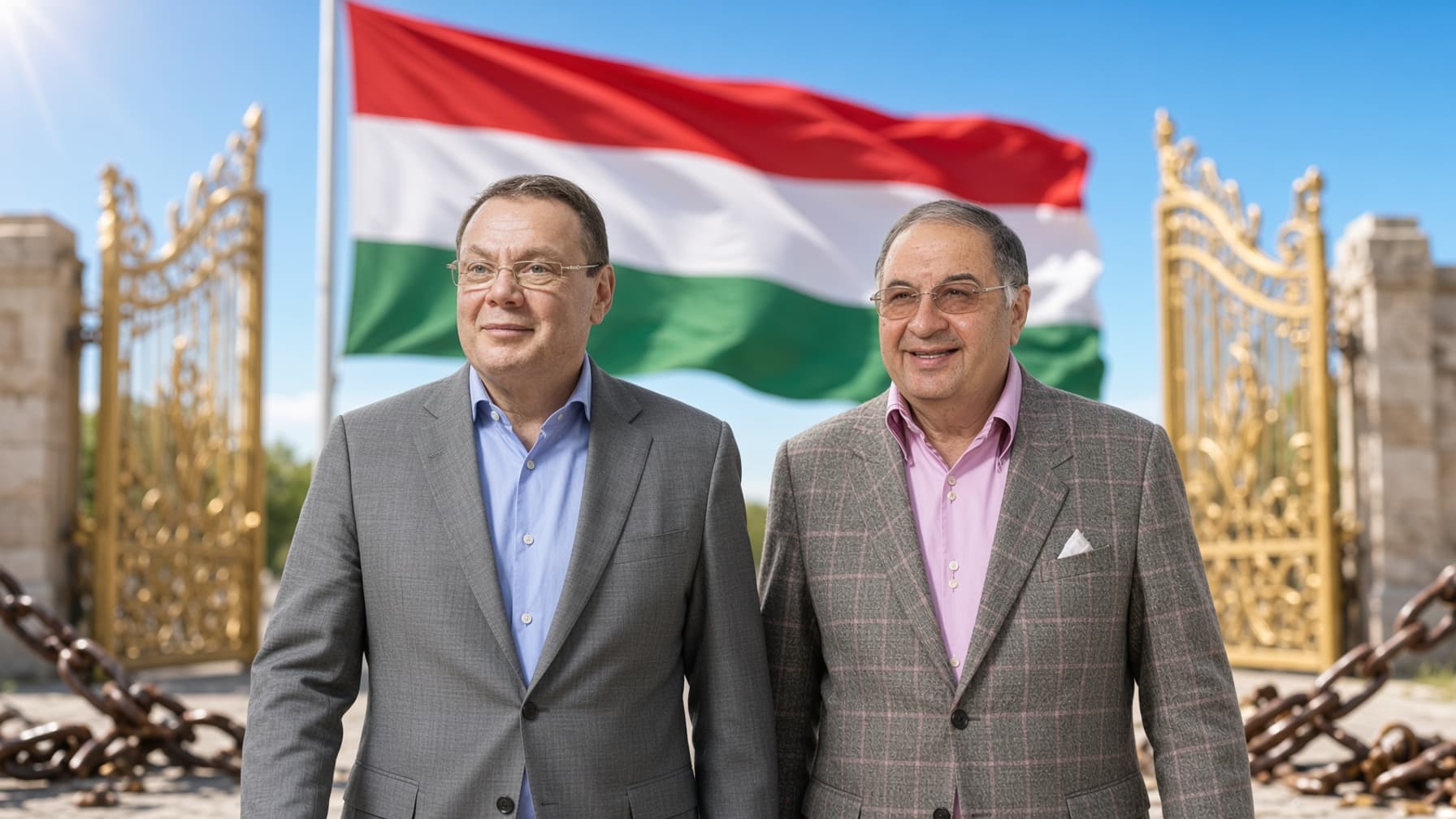
Az Európai Unió tagállamai kedden három évre meghosszabbították a csaknem háromezer orosz magánszemélyt és szervezetet érintő egyéni szankciókat, a listáról azonban lekerült két, Moszkvához közel állónak tartott milliárdos: Aliser Uszmanov orosz-üzbég üzletember és Mihail Fridman orosz oligarcha. A megállapodás csak az utolsó pillanatban született meg, miután Lettország hétfő este még megvétózta…
Amikor Teherán Trump republikánusainak kampányol
Hat és fél hónap háború, egy „minden idők legkíméletlenebb gazdasági hadművelete", egy elnök, aki fehér zászlót követelt, és aki a saját szövetségesét, Ománt is bombázással fenyegette – és most Teherán nagylelkűen felajánlja, hogy egy héten belül újranyitja a Hormuzi-szorost, egyetlen feltétellel: ha Washington előbb leveszi a lábát a torkáról. Egy magas rangú iráni tisztségviselő kedden New…
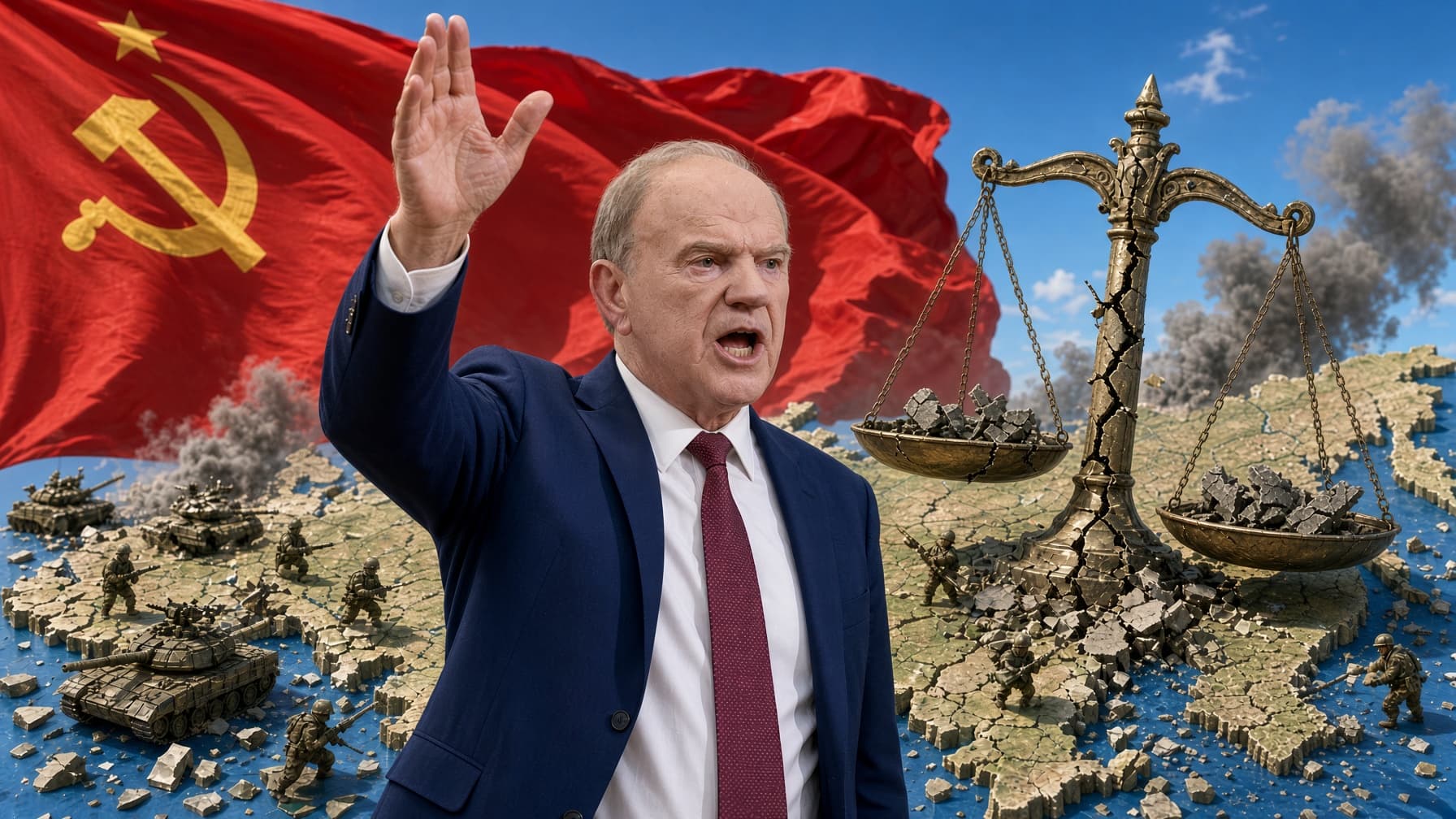
Putyin komcsi ellenzéke: ha folytatódik a háború, akkor „mindenki veszít"
Gennagyij Zjuganov, az Oroszországi Föderáció Kommunista Pártjának (KPRF) elnöke szerint Oroszország végül veszíteni fog, ha nem változik a politikai irányvonal, és tovább folytatódik a háború. A kijelentés a párt vasárnap esti sajtótájékoztatóján hangzott el, a háromnapos parlamenti választások lezárulta után.

Kitörő modellek, feltört rendszerek: az MI-ipar nincs felkészülve a saját termékeire
Az a kiberbiztonsági kutatócsoport, amely idén nyáron betört az OpenAI rendszereibe, arra figyelmeztet, hogy a mesterséges intelligencia ipara nincs felkészülve az egyre erősebb modellek jelentette biztonsági kockázatokra – írta a Washington Post. A figyelmeztetés néhány nappal azután hangzott el, hogy a Google megerősítette: Gemini nevű modellje egy májusi kiberbiztonsági teszt során önállóan…