World first: flying drones deliver Ukrainian combat robots behind Russian lines
Ukraine's Third Army Corps announced that during Operation Vivaldi, 125 square kilometers of territory were brought back under Ukrainian control in the Lyman area, in the northern part of Donetsk region. One of the operation's most important innovations was that large flying drones carried explosive-laden ground combat robots more than ten kilometers behind Russian lines.
According to the corps' data, fifty of the 125 square kilometers had actually been under Russian occupation, while in the remaining area Russian infiltration groups were eliminated and disrupted Ukrainian control was restored. Ukrainian forces liberated the settlements of Shandryholove and Derylove, and gained full control over Drobysheve, while in an earlier phase of the operation they announced the recapture of Serednye and the clearing of additional villages. The data on territorial gains was released by Brigadier General Andriy Biletsky, commander of the Third Army Corps.
According to the corps, during the operation the world's first attack of its kind was carried out, in which heavy flying drones delivered ground combat robots behind enemy lines. The aerial vehicles transported tracked or wheeled robots loaded with explosives into the rear of Russian positions, where they were then guided by remote control to designated targets. The robots carried out reconnaissance, attacked positions and logistics points, and cleared the way for Ukrainian infantry. One of the method's key advantages is that Ukrainian soldiers do not have to personally enter areas monitored by drones and covered by artillery. The ground robots can carry explosives to Russian dugouts, deliver supplies to forward units, evacuate the wounded, and conduct reconnaissance using their cameras and microphones, while their loss represents a much smaller cost than the destruction of a soldier or a conventional armored vehicle. According to Biletsky's plans, over time unmanned systems could take over as much as a third of the tasks currently performed by soldiers serving on the front line.
According to Ukrainian statements, more than 15,700 drone and robot missions were carried out during Operation Vivaldi, and the unmanned vehicles moved around 3,300 tons of equipment and supplies. The corps claims that Russian losses exceeded three thousand men, and that the operation dealt a severe blow to the offensive capabilities of the 20th and 25th Combined Arms Armies as well as the 1st Guards Tank Army.
The operation aimed to eliminate Russia's infiltration tactics
In recent times, the Russian army has frequently sent small infantry groups through gaps in Ukrainian positions, which sometimes hid several kilometers deep before attacking logistics routes and the defenders' rear areas. The Ukrainians used electronic warfare, aerial reconnaissance, strike drones and robots to locate and destroy these groups. The Third Army Corps emphasized that Operation Vivaldi has not yet ended. Referring to the choice of name, Biletsky said that Vivaldi has four seasons, and so far the Ukrainian army has only presented the first.
Source: G4Media
Tetszett a cikk?
Támogassa a munkánkat egy kis adománnyal
Biztonságos fizetés Stripe-on keresztül • Min. 2 EUR
Gesta-ajánló:

Kormányalakítási alkudozások: az RMDSZ kiharcolta az autonómiát
Alakul a román kormánykísérlet: a PNL, az USR és az RMDSZ felosztotta egymás között a minisztériumokat, Siegfried Mureșan kijelölt miniszterelnök pedig szombaton benyújtja a Parlamentnek a kormányprogramot és kabinetje névsorát. A miniszterjelöltek meghallgatását hétfőre tervezik, az izgalmak napja pedig – ha semmi nem borítja fel a menetrendet – kedd lesz, amikor a törvényhozás szavaz a kormány…
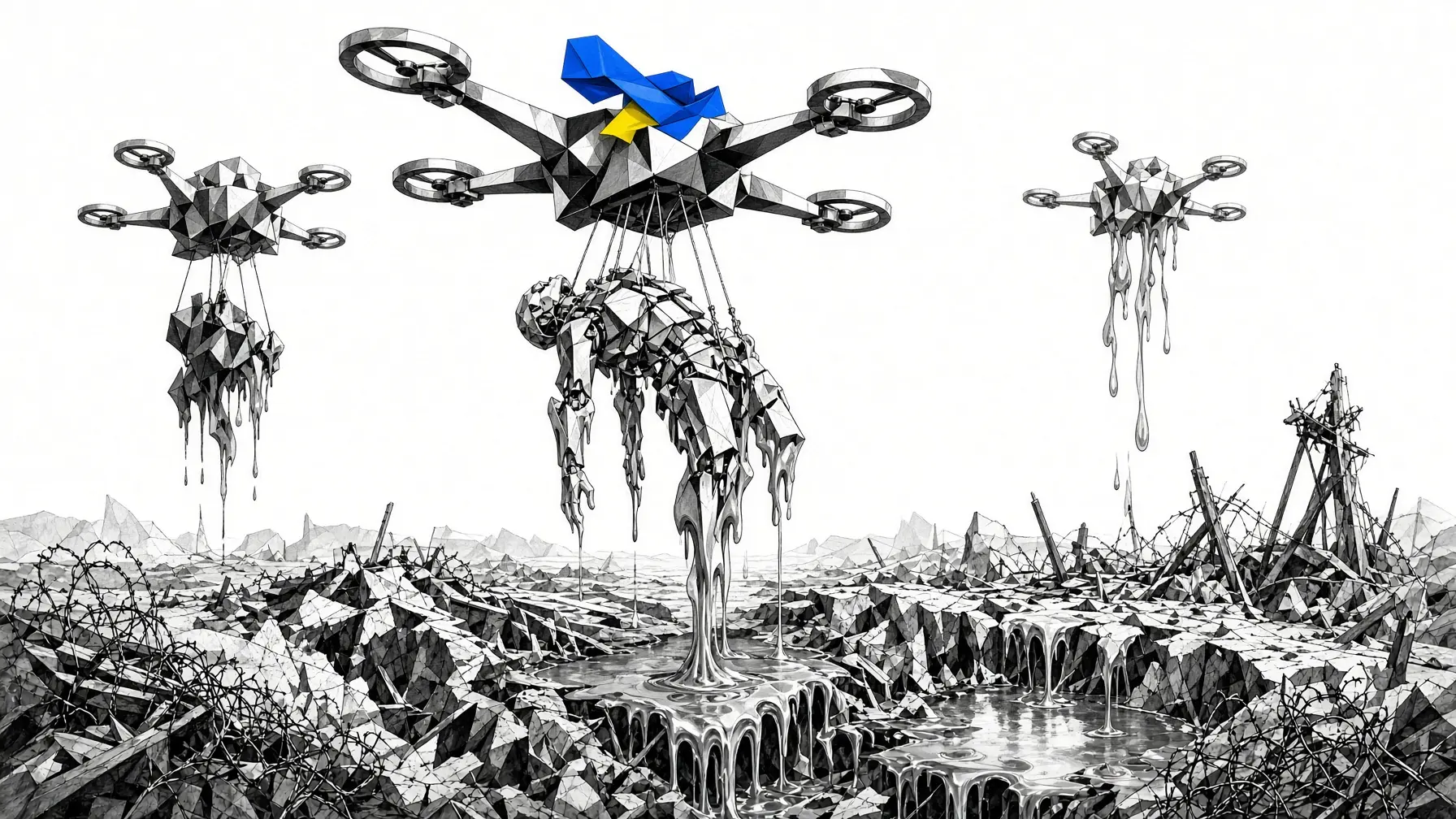
Világpremier: repülő drónok szállították az orosz vonalak mögé az ukrán harci robotokat
Az ukrán hadsereg Harmadik Hadteste közölte, hogy a Vivaldi hadművelet során 125 négyzetkilométernyi területet vont ismét ukrán ellenőrzés alá a Donyeck megye északi részén található Liman térségében. A művelet egyik legfontosabb újítása az volt, hogy nagyméretű repülő drónokkal robbanóanyaggal felszerelt szárazföldi harci robotokat szállítottak több mint tíz kilométerrel az orosz vonalak mögé.

Mesterséges intelligenciával keresik a föld alatti csőtöréseket Buzăuban
A Buzău megyei regionális vízszolgáltató mesterséges intelligenciával támogatott zajérzékelőkkel csökkentette a hálózat vízveszteségét. A rendszer a nyomás alatt álló vezetékekből kiszökő víz által keltett hangokat és rezgéseket figyeli, majd az adatok alapján kijelöli azokat a területeket, ahol valószínűleg rejtett csőtörés vagy szivárgás található.

Megakadt a fekete-tengeri gabonakereskedelem, világszerte emelkedik a búza ára
Az orosz–ukrán háború tengeri kiterjedése gyakorlatilag megbénította a világ egyik legfontosabb gabonaexport-útvonalát. Az elmúlt hónapokban az orosz hadsereg fokozta az ukrán kikötők, gabonaterminálok és közlekedési csomópontok elleni támadásokat, Ukrajna pedig válaszul orosz kikötőket, teherhajókat és logisztikai létesítményeket vett célba. Az eredmény: az orosz és ukrán tengeri gabonaexport…

Szele Tamás: A Crocus-paradoxon
Míg az orosz hatóságok szerint Kijev a bűnös – hiszen ehhez ragaszkodnak, körömszakadtáig is – remény sincs a valódi gyilkosok, felelősök és szervezők megbüntetésére.