Zero risk, over a hundred countries: this is how Revolut would build the global bank
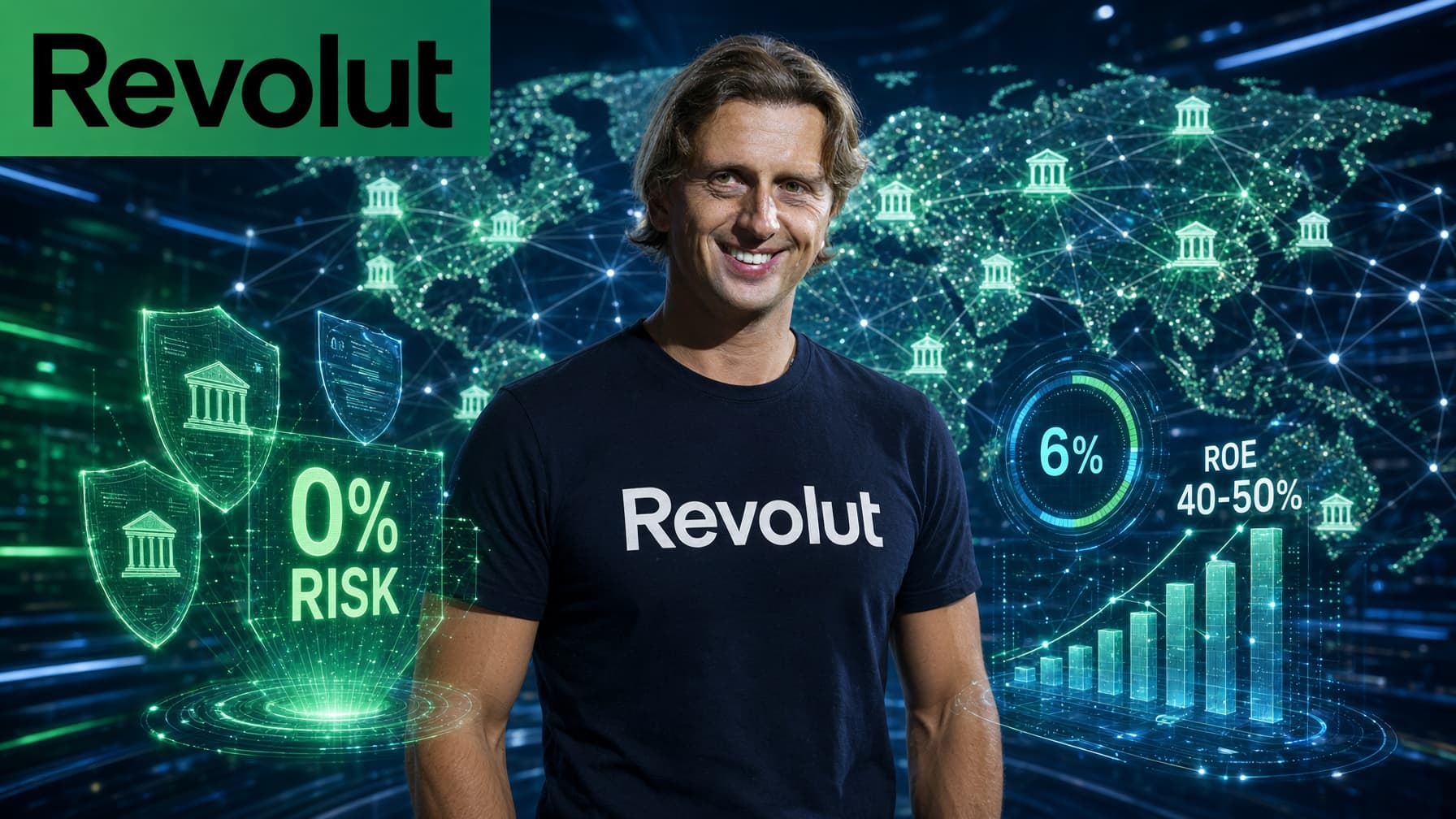
Nik Storonsky, founder and CEO of Revolut,in a Monday interview with the Financial Times outlined the kind of global bank he wants to build. The essence of the model is that the company would only lend out a fraction of its deposits, meaning that, in Storonsky's words, it takes on "essentially zero risk." The plan was unveiled at a time when the London-based fintech is steadily obtaining banking licenses in the world's largest markets.
Revolut's loan-to-deposit ratio is roughly 6 percent, meaning that for every hundred pounds in deposits, it lends out about six pounds. At traditional banks, this ratio typically hovers close to 100 percent. At the end of 2025, Revolut's loan book stood at £2.2 billion, while customer account balances totaled £50.2 billion. According to Storonsky, the company has no plans to push this ratio above 10–20 percent, and it does not intend to keep the loans it has issued so far: it would either sell them outright or offload them through securitization. The CEO says this structure is what allows return on equity—excluding surplus capital—to reach around 40–50 percent, roughly double that of the best-performing traditional banks. As for how a bank sustains itself while lending so little, Sid Jajodia, head of Revolut's banking division, explained on the same day in an interview with Retail Banker International. 76 percent of the company's revenue comes from fees—subscriptions, card payments, wealth management and currency exchange—while only 21 percent depends directly on interest rate movements. Revenue is also spread widely: in 2025, each of eleven product groups generated more than £100 million a year, and no single revenue source accounted for more than 22 percent of the group's total revenue. Revolut posted $6 billion in revenue last year and $2.3 billion in pre-tax profit, a 38 percent margin.
Storonsky's caution is no accident. Before launching Revolut in 2015, he traded derivatives in London at Lehman Brothers and later at Credit Suisse. During Lehman's 2008 collapse, he personally lost roughly half a million pounds, and Credit Suisse's later downfall further reinforced his conviction that excessive complexity and accumulated risk can be fatal for a financial institution. This is where Revolut's operating principle comes from: growing without exposing the balance sheet excessively to credit risk. The company's expansion accelerated in 2026: in August it received a full banking license in France, and on September 3 it received conditional approval from the U.S. Office of the Comptroller of the Currency (OCC) for a national bank charter. Earlier this year it also launched its bank in Mexico and Australia, while in the United Kingdom it received a banking license in 2024, initially with restrictions. Revolut currently has more than 80 million customers across more than 40 markets. Storonsky's next goal is a retail bank operating in more than a hundred countries. In some markets the company is already extremely strong: in Ireland, for example, roughly four out of every five people use it. The main challenge, however, is not recruiting new users but getting existing customers to choose Revolut as their primary bank. Obstacles are not lacking either: geopolitical fragmentation, sanctions and tensions between major powers make it difficult for a financial institution to expand smoothly into every market, while regulators are imposing increasingly strict requirements around customer identification, financial crime prevention and regulatory compliance.
Last week Storonsky told the French outlet Les Echos that Revolut is considering a dual listing on the London Stock Exchange and Nasdaq. According to Reuters, investors briefed on the company's plans are expecting a valuation of $150–200 billion, well above the $75 billion set during the secondary share sale in November 2025. In April, Storonsky told Bloomberg that the listing could take place in roughly two years. Jajodia declined to comment on timing, saying the company is currently focused on further expanding the business, developing new products, and offering better, cheaper services. Meanwhile, Storonsky is also active outside Revolut: his venture capital funds, operating under the name QuantumLight, manage a combined total of about $850 million, of which roughly $100 million is his own money. Artificial intelligence-based analysis plays a major role in preparing investment decisions.
Ugar
Tetszett a cikk?
Támogassa a munkánkat egy kis adománnyal
Biztonságos fizetés Stripe-on keresztül • Min. 2 EUR
Gesta-ajánló:
Nulla kockázat, száznál több ország: így építené fel a Revolut a globális bankot
Nik Storonsky, a Revolut alapítója és vezérigazgatója a Financial Timesnak adott hétfői interjújában felvázolta, milyen globális bankot szeretne építeni. A modell lényege, hogy a cég a betéteknek csak töredékét helyezné ki hitel formájában, így Storonsky szavaival „gyakorlatilag nulla kockázatot" vállal. A terv abban az időszakban kerül nyilvánosság elé, amikor a londoni fintechcég sorra szerzi…

Három éves szankció-hosszabbítás, de Magyarország támogatásával lekerült a listáról Fridman és Uszmanov
Az Európai Unió tagállamai kedden három évre meghosszabbították a csaknem háromezer orosz magánszemélyt és szervezetet érintő egyéni szankciókat, a listáról azonban lekerült két, Moszkvához közel állónak tartott milliárdos: Aliser Uszmanov orosz-üzbég üzletember és Mihail Fridman orosz oligarcha. A megállapodás csak az utolsó pillanatban született meg, miután Lettország hétfő este még megvétózta…

Amikor Teherán Trump republikánusainak kampányol
Hat és fél hónap háború, egy „minden idők legkíméletlenebb gazdasági hadművelete", egy elnök, aki fehér zászlót követelt, és aki a saját szövetségesét, Ománt is bombázással fenyegette – és most Teherán nagylelkűen felajánlja, hogy egy héten belül újranyitja a Hormuzi-szorost, egyetlen feltétellel: ha Washington előbb leveszi a lábát a torkáról. Egy magas rangú iráni tisztségviselő kedden New…
Putyin komcsi ellenzéke: ha folytatódik a háború, akkor „mindenki veszít"
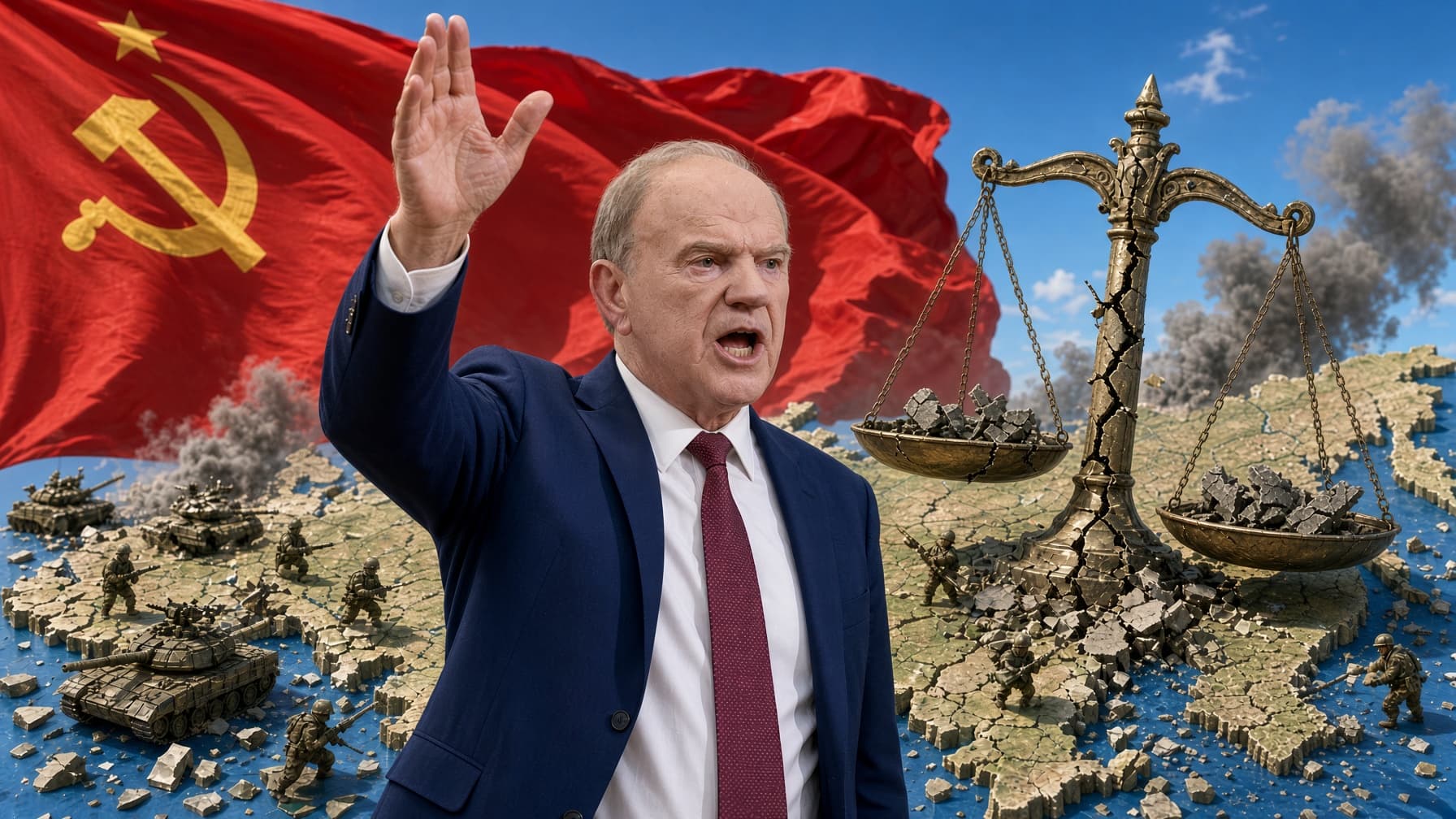
Gennagyij Zjuganov, az Oroszországi Föderáció Kommunista Pártjának (KPRF) elnöke szerint Oroszország végül veszíteni fog, ha nem változik a politikai irányvonal, és tovább folytatódik a háború. A kijelentés a párt vasárnap esti sajtótájékoztatóján hangzott el, a háromnapos parlamenti választások lezárulta után.

Kitörő modellek, feltört rendszerek: az MI-ipar nincs felkészülve a saját termékeire
Az a kiberbiztonsági kutatócsoport, amely idén nyáron betört az OpenAI rendszereibe, arra figyelmeztet, hogy a mesterséges intelligencia ipara nincs felkészülve az egyre erősebb modellek jelentette biztonsági kockázatokra – írta a Washington Post. A figyelmeztetés néhány nappal azután hangzott el, hogy a Google megerősítette: Gemini nevű modellje egy májusi kiberbiztonsági teszt során önállóan…