
Almost one in three new cars in Europe was electric in August
By August, battery electric cars already accounted for 29 percent of new car sales in Europe, compared with 20.2 percent a year earlier — meaning that within a single year the share of purely electric models on the continent grew by nearly nine percentage points. The calculation by the International Council on Clean Transportation (ICCT) covers the European Union, Norway and Iceland; in this group of countries, almost three out of every ten new cars sold in August were electric, a jump of five percentage points compared with July.
The trend is not the result of a single standout month. Between January and August, 41 percent more battery electric cars were sold than in the same period of 2025, and the average market share over the eight months rose to 23 percent, six percentage points above the level a year earlier. Looking at the European Union alone, the figure is somewhat lower, at 21.7 percent: in the first eight months of the year, 1.64 million purely electric passenger cars were registered in the member states, reaching exactly the same market share as petrol-powered cars. The shift toward electric vehicles was driven mainly by France and Germany, Europe's two largest car markets. In France, the share of purely electric cars rose to a record 38 percent in August, while Germany matched its previous peak at 33 percent. Between January and August, the French electric car market share was 30 percent and the German one 27 percent, representing increases of 12 and nine percentage points, respectively, compared with the same period of 2025. In Italy and Spain, the transition is proceeding much more slowly: there, the share of electric cars stood at around eight and ten percent, respectively, while in Poland it reached only five percent.
Across the European market as a whole, 832,637 new passenger cars were registered in August, 5.3 percent more than a year earlier. Registrations of battery electric cars rose by 52.2 percent, plug-in hybrids by 13.5 percent, and conventional hybrids by 3.4 percent, so the three electrified powertrain types together already accounted for more than 73 percent of newly sold vehicles. At the same time, registrations of petrol cars fell by 23.5 percent and diesel cars by 23.1 percent. Looking at the longer period, the same shift is visible: in the first eight months of the year, the combined share of petrol and diesel cars dropped to 29 percent from 37.5 percent in the same period of 2025. Registrations of petrol models fell by 18.6 percent compared with a year earlier, with their market share dropping from 28 to 21.7 percent, while the share of diesels stood at just 7.3 percent. The traditional internal combustion engine is thus not disappearing from Europe's roads overnight, but on the new-car market it is rapidly losing the position that seemed unassailable only a few years ago. The turnaround is being driven simultaneously by a wider range of models, purchase incentives, falling battery prices and rising prices for conventional fuels. The war in Iran and the drop in shipping traffic through the Strait of Hormuz sharply pushed up oil and fuel prices in 2026, so for many buyers an electric car now represents not primarily an environmental statement but an escape route from the price swings at petrol stations. According to Peter Mock, the ICCT's European director, consumers are responding both to the arrival of new and better electric models and to the lower energy costs available amid the oil crisis.
Volkswagen's order book points in the same direction: European orders for electric cars rose by more than 50 percent in the second quarter, and the new, smaller electric model family built around the ID. Polo gathered more than 70,000 orders within a few weeks. The company's electric models now account for more than 30 percent of Volkswagen's European order book, showing that the arrival of cheaper, everyday-use models can indeed speed up the transition. Among the major European manufacturers, the BMW Group achieved the highest share of electric cars between January and August: 30 percent of the vehicles it registered were purely electric, five percentage points more than a year earlier. The biggest increase, however, came from Mercedes-Benz, with a ten-percentage-point improvement, while Hyundai and Renault each raised their share of electric models by eight percentage points, and Toyota increased its share from five to 11 percent. Differences between countries remain enormous. In Norway, around 98 percent of new cars are electric, in Denmark the figure is already above 80 percent, and in Finland it is approaching 50 percent. At the other extreme are the southern and eastern European markets, where lower incomes, a weaker charging network and smaller subsidies still make electric cars far less accessible. The August record nonetheless shows that Europe's shift to electric vehicles has moved past the point where electric cars could still be seen as a niche for a small, wealthy and environmentally conscious segment of buyers. Rising petrol and diesel prices, the arrival of new models and geopolitical uncertainty have together set off a market shift that even Europe's carmakers can no longer treat as a mere passing trend.
Ugar
Did you like this article?
Support our work with a small donation
Secure payment via Stripe • Min. 2 EUR
Gesta recommendations:

Cloudflare: bots now account for the majority of web traffic
On Cloudflare's network, traffic to websites is now more than half automated, and the number of daily requests from AI agents has grown by more than 1,700 percent over the past year. In its September 30 summary marking the company's sixteenth anniversary, Cloudflare described software that browses and performs tasks on people's behalf as the internet's "second audience." According to the company,…
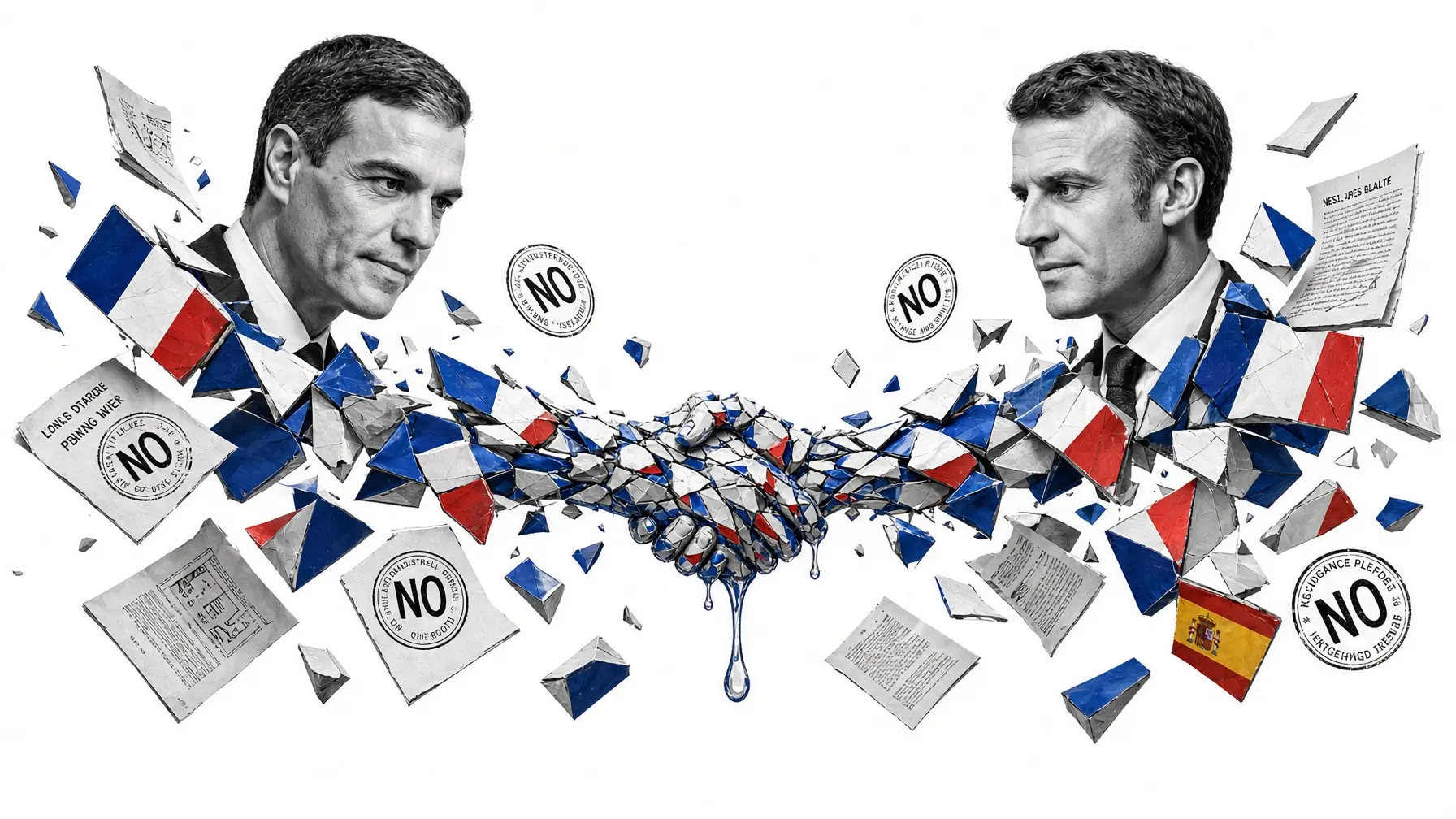
Sánchez apologized to Macron after the Spanish right wing voted down the French-Spanish friendship treaty
On September 30, Spanish Prime Minister Pedro Sánchez publicly apologized to French President Emmanuel Macron after the Spanish Senate rejected the ratification of the friendship and cooperation treaty between the two countries the previous evening. At a joint press conference held at the Moncloa Palace in Madrid, Sánchez promised that parliament would approve the agreement before the end of the…
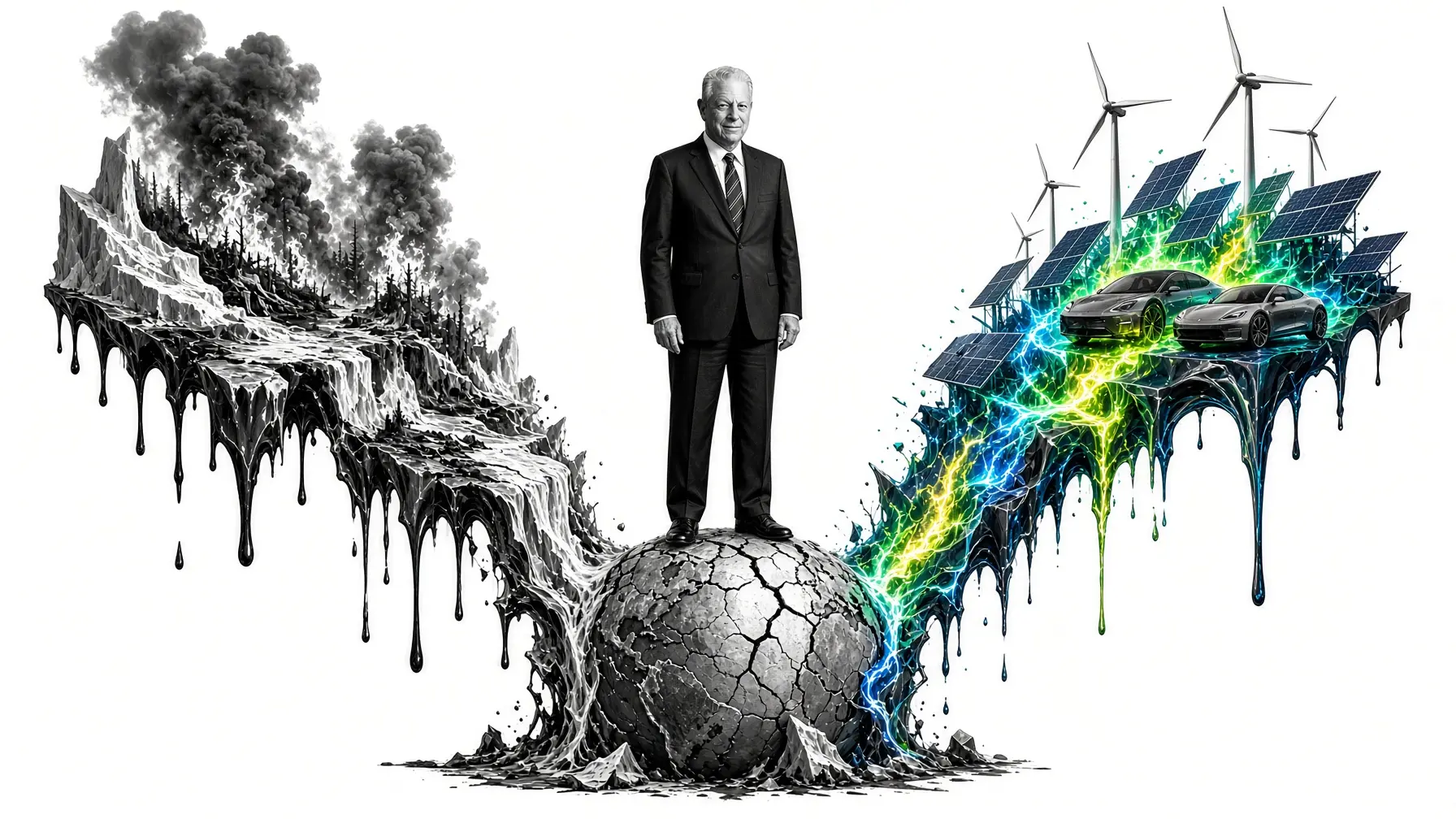
Al Gore: 2026 could be a turning point in the fight against climate change
According to former U.S. Vice President Al Gore, 2026 could go down in history as a positive turning point in the fight against climate change, but for that to happen, the world would need to seize very quickly the opportunity presented by the spread of renewable energy, since the planet's warming keeps accelerating: this August was the hottest August since records began, and tied with July 2023…
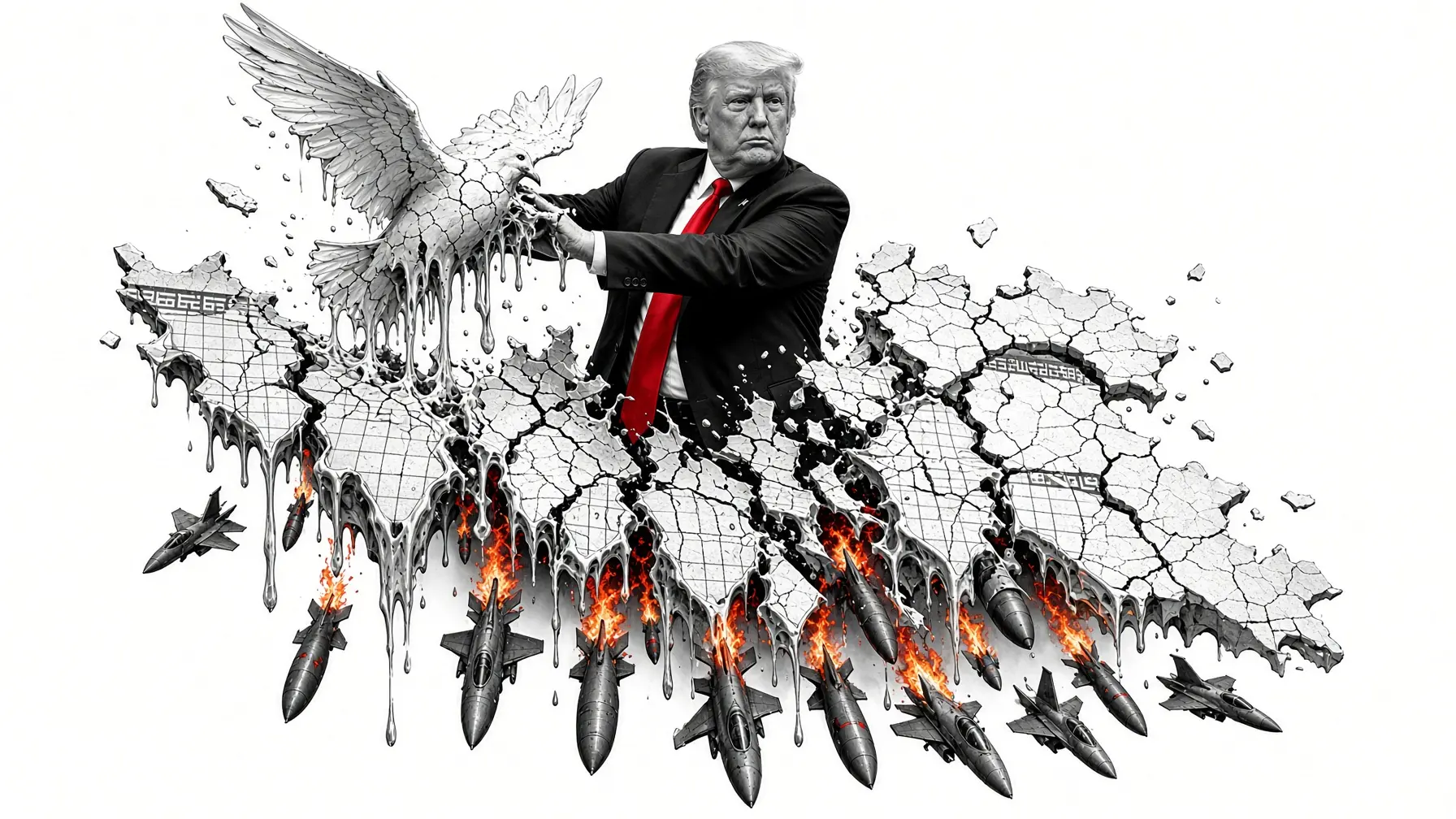
Trump said no to ceasefire, would resume bombing Iran after the elections
Donald Trump rejected Iran's seven-day ceasefire proposal and told his advisers that he could launch airstrikes against the Islamic Republic again after the November midterm elections – the Wall Street Journal reported, citing American officials.
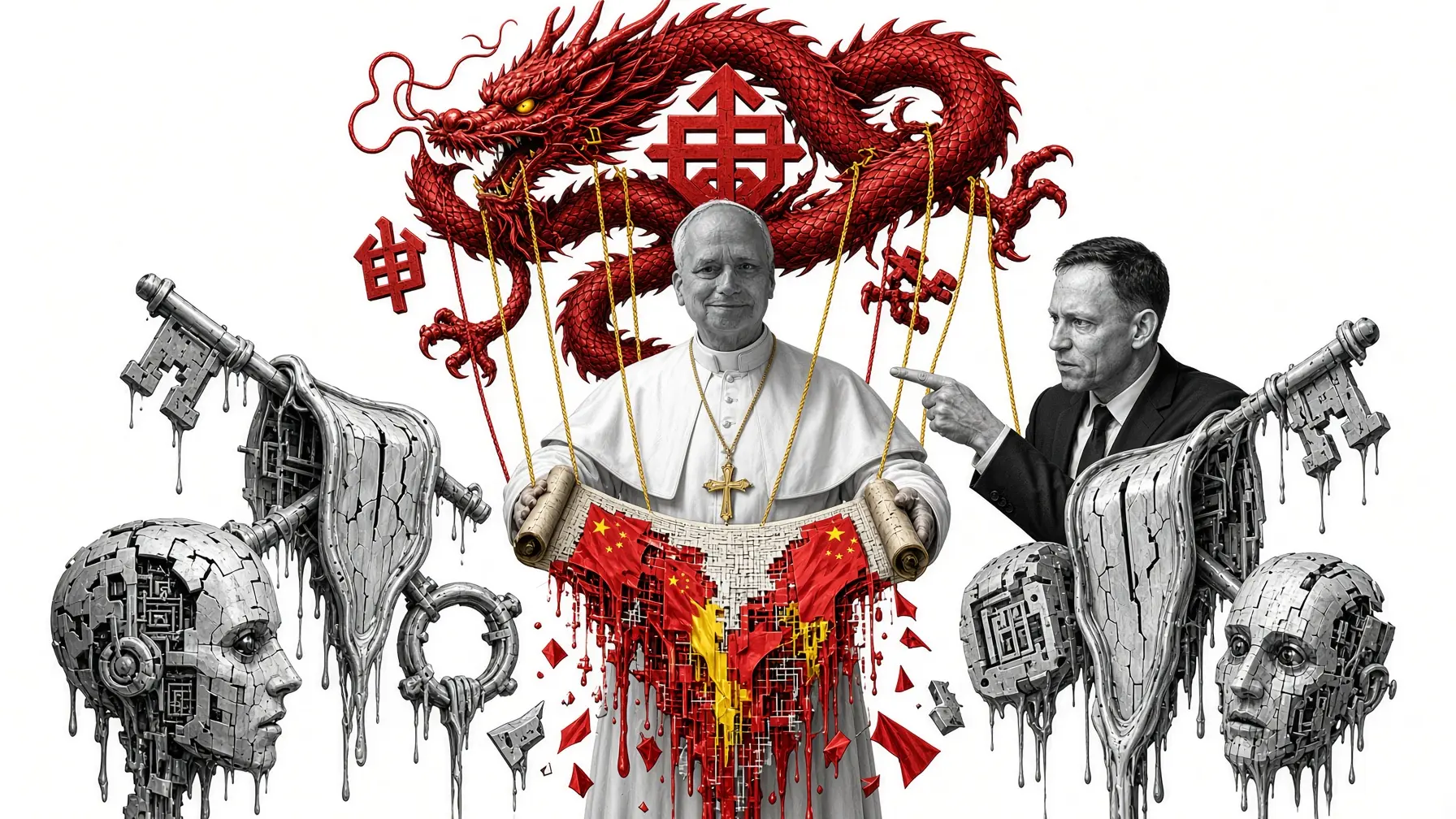
Peter Thiel says Pope Leo XIV is China's "useful idiot"
Technology billionaire Peter Thiel called Pope Leo XIV a "useful idiot" of the Chinese Communist Party for the Catholic pontiff's calls for international regulation of the development and use of artificial intelligence. According to Thiel, such restrictions would primarily hold back the United States and its allies, while China would continue its own technological program unimpeded.