Peter Thiel says Pope Leo XIV is China's "useful idiot"
Technology billionaire Peter Thiel called Pope Leo XIV a "useful idiot" of the Chinese Communist Party for the Catholic pontiff's calls for international regulation of the development and use of artificial intelligence. According to Thiel, such restrictions would primarily hold back the United States and its allies, while China would continue its own technological program unimpeded.
The co-founder of PayPal and Palantir made the remarks in a Berlin interview with Axel Springer CEO Mathias Döpfner, before receiving the publishing company's 2026 Axel Springer Award.
"The Chinese Communist Party is not going to listen to the pope, but there's a chance Americans will. So the pope's encyclical effectively served the interests of the Communist Party"
— Thiel explained, describing Pope Leo XIV's document published in May not simply as a call for AI regulation but explicitly as an "anti-AI" encyclical. The argument undoubtedly sounds compelling until one adds that Thiel, as an investor, has significant financial stakes in the development of artificial intelligence. Founders Fund has backed companies such as OpenAI, Scale AI and Palantir, meaning the billionaire is not worrying about the West's technological edge with the detached calm of an outside philosopher. He is speaking about one of the most important growth areas of his own business empire.
The pope says the future of humanity is at stake
Speaking before the Pontifical Academy of Sciences on Thursday, Pope Leo XIV warned that the development of artificial intelligence creates new dangers for security and international peace. He urged world leaders to guide the development of the technology wisely and through international cooperation. The dangers of AI have been a central theme of the pope's pontificate since it began 16 months ago. Just days after his election, Leo XIV already spoke about the social consequences of technology, and in September he called for the development of artificial intelligence systems that do not deepen divisions but instead serve human dignity and peace. The pope's first encyclical, published in May, Magnifica Humanitas, addresses the dangers of the unchecked development of artificial intelligence. According to the document, AI systems can facilitate the spread of disinformation, sharpen social conflicts, endanger jobs and children, and lead to the creation of autonomous weapons that effectively escape meaningful human control. The Vatican's position is that the rules governing AI development cannot be left solely to technology companies and their owners.
The pope is not calling for a ban on the technology, but for international legal frameworks, control over data assets, protection of workers and children, and restrictions on autonomous weapons.
Thiel translated this approach as though the pope were simply demanding that America tie its own hands while Beijing arms itself unhindered. The only problem is that the whole point of international regulation would be precisely that it not apply solely to the United States and Europe. Nuclear arms control did not become pointless just because rival powers did not always honor their agreements; that is exactly why verification systems, treaties and enforcement mechanisms were created. It is undoubtedly a real risk that unilaterally imposed Western restrictions could give China a technological advantage, but that debate can be had without calling the leader of the world's 1.4 billion Catholics a useful idiot of the Chinese Communist Party, while he himself stands to make billions from the very industry the pope wants to bring under democratic oversight.
Thiel's statement thus reveals at least as much about the worldview of certain Silicon Valley billionaires as it does about Pope Leo XIV's AI policy. In this view, any external oversight helps the enemy, any regulation is anti-technology, and any invocation of the public interest is suspect obstruction. Decisions about the direction and limits of development should, in this logic, be made by those who own, finance and sell the systems. The Vatican has not yet responded to Thiel's insult. During his visit to Paris, at UNESCO headquarters, Pope Leo XIV is expected to once again address the relationship between artificial intelligence, human dignity and international cooperation. On his trip to France, he will also meet with Emmanuel Macron and European and UN officials.
Ugar
Tetszett a cikk?
Támogassa a munkánkat egy kis adománnyal
Biztonságos fizetés Stripe-on keresztül • Min. 2 EUR
Gesta-ajánló:
Szele Tamás: Az Orosz Jövő Hajója
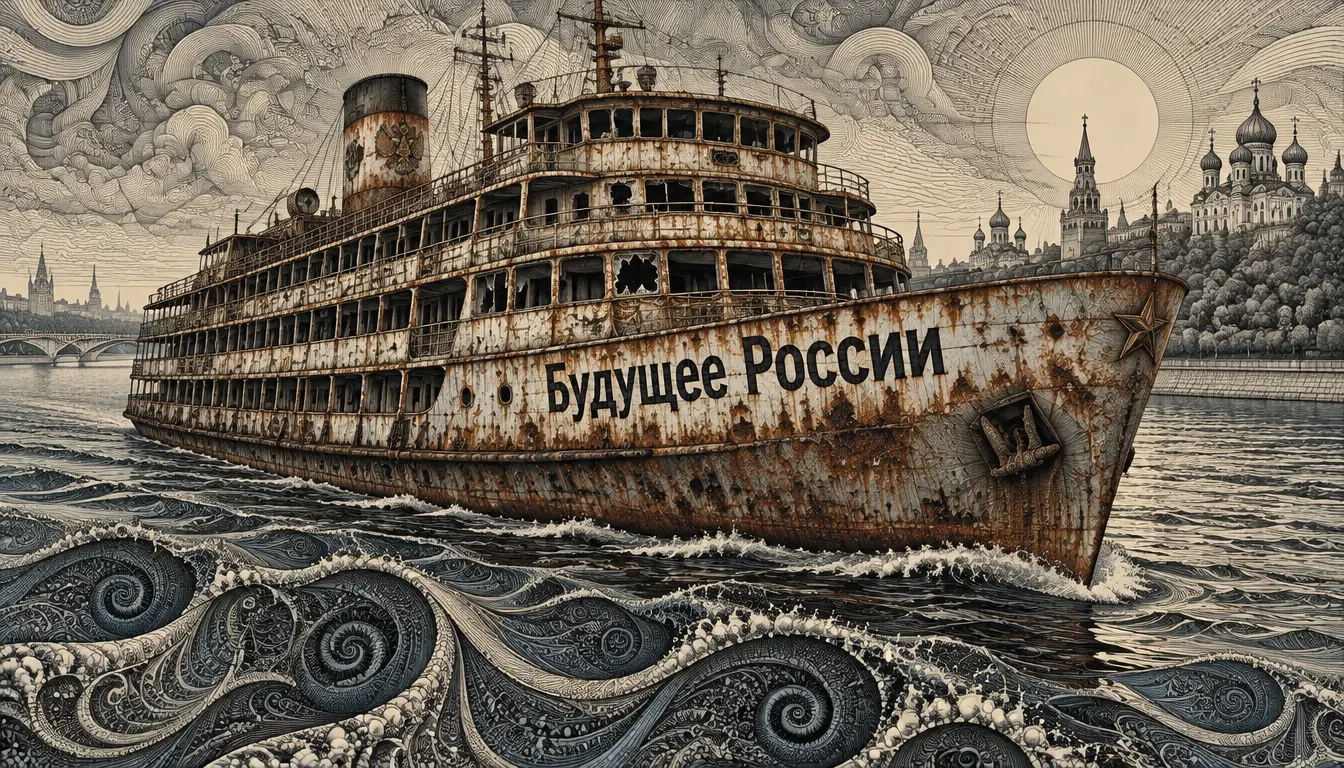
Mindenesetre most már legalább tudjuk, hol tart az orosz jövő. Úszik a Volgán lefelé. Egyelőre senki sem tud kiszállni belőle. Valószínűleg zátonyra fut.
Hunor már Mureșan bukása előtt Grindeanunak ágyaz
Még el sem kezdődött a szerdai parlamenti szavazás, Kelemen Hunor, az erdélyiek főnöke azonban ismét szükségét érezte annak, hogy kishitűségével üzenjen azoknak, akik esetleg még aggódnak amiatt, hogy a Mureșan-kormány valahogy mégis megalakulhat. Az RMDSZ elnöke nemcsak a beiktatáshoz szükséges 233 voks megszerzését tartja valószínűtlennek, hanem az előrehozott választásokat is – mit ad Isten,…
Végre! Rács mögé küldték Călin Georgescut
A Bukaresti Ítélőtábla jogerősen elrendelte Călin Georgescu harmincnapos előzetes letartóztatását abban az ügyben, amelyben a DIICOT szerint az oroszbarát volt államfőjelölt és társai 1,1 millió eurót csaltak ki egy román vállalkozótól. Ugyancsak előzetes letartóztatásba került Georgescu üzlettársa, Ionel Rusen.
Nicușor Dan a döntő szavazás előtt szúrta hátba Mureșant
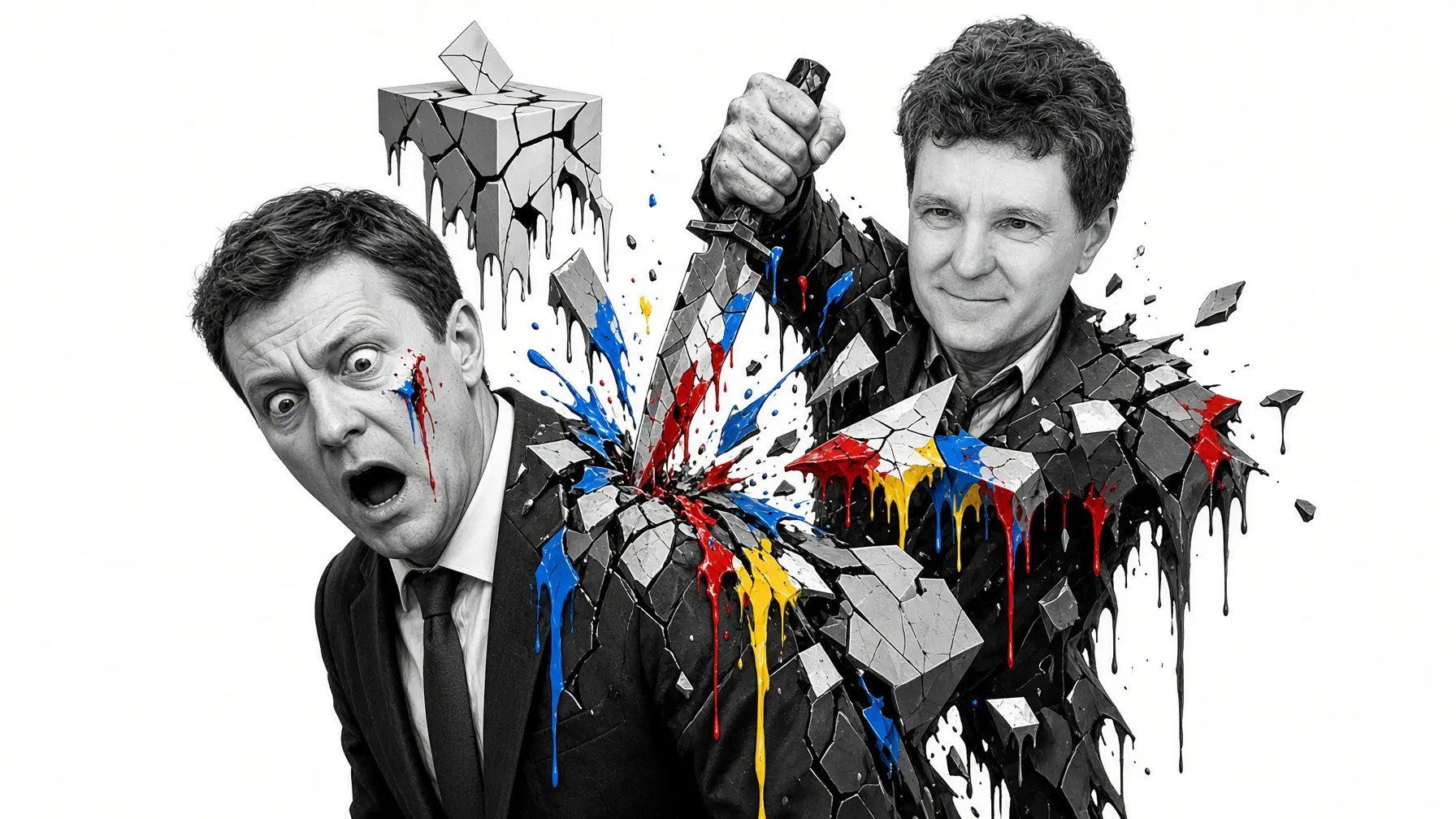
Ember legyen a talpán, aki még mindig képes azt hinni, hogy Nicușor Dan nem egy előre megírt politikai menetrendet hajt végre. A román államfő egy nappal a Mureșan-kormány sorsáról döntő parlamenti szavazás előtt ismét kiállt a nyilvánosság elé, hogy felszólítsa a pártokat a politikai válság lezárására, majd ugyanazzal a lendülettel megnyugtassa mindazokat, akik a válság fenntartásán dolgoznak:…
Kim Dzsongun katonái már orosz földön, nemsokára kezdik az ukrángyilkolást
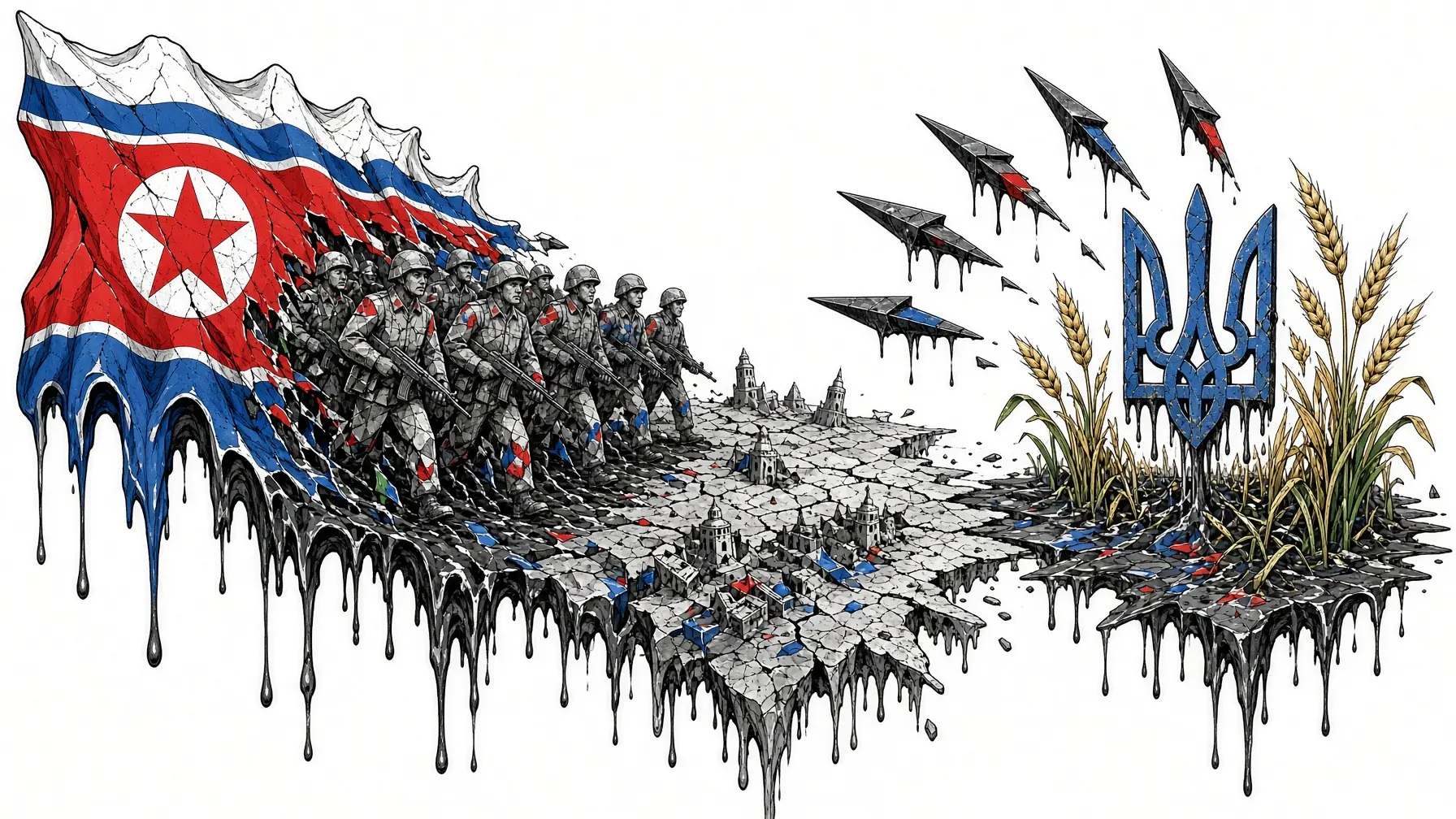
Vlagyimir Putyin ismét megemelte az orosz fegyveres erők engedélyezett létszámát: az új elnöki rendelet alapján már 1.550.500 katonai szolgálatot teljesítő emberrel, a civil alkalmazottakkal együtt pedig összesen 2.441.630 fős állománnyal számolhat az orosz hadvezetés. Ez az orosz hadsereg negyedik létszámemelése az idén és a hetedik az Ukrajna elleni teljes körű invázió kezdete óta. Kijev…