Trump said no to ceasefire, would resume bombing Iran after the elections
Donald Trump rejected Iran's seven-day ceasefire proposal and told his advisers that he could launch airstrikes against the Islamic Republic again after the November midterm elections – the Wall Street Journal reported, citing American officials.
The American president's decision is particularly notable because accepting the Iranian offer could have reopened the Strait of Hormuz, through which about a fifth of the world's seaborne crude oil shipments pass in peacetime. The decline in shipping traffic has been causing serious disruptions to global energy supplies for months, driving up the price of oil and fuel, and incidentally has also become an increasingly awkward domestic political problem for Trump. The Tehran proposal was presented by Iranian Foreign Minister Abbas Araghchi during the UN General Assembly's session in New York. Under the plan, the parties would have suspended fighting for seven days, and at the end of the process Iran would have opened the Strait of Hormuz to commercial shipping, after which US–Iranian negotiations would have resumed. In exchange, Tehran demanded that Washington lift the naval blockade of Iranian ports, suspend sanctions on Iranian oil exports, release around 12 billion dollars in frozen Iranian assets, and observe a ceasefire covering the region, including Lebanon.
"If certain conditions are met, the Strait of Hormuz will reopen after seven days, and negotiations will resume"
– Araghchi summarized the Iranian offer.
The plan was already conveyed to Washington through intermediaries in mid-September, and the Iranian delegation arrived in New York with a mandate to negotiate the details. According to Iranian President Masoud Pezeshkian, the crisis can be resolved through negotiations, but it is up to the United States whether it chooses the diplomatic or the military path. For now, Trump has chosen the military path, though he appears to want to align its continuation with the election calendar. According to the Wall Street Journal, the president told his advisers that the bombing of Iran could resume after the November midterm elections. No details have yet emerged about the scale or the targets of the planned strikes.
At the UN General Assembly, Trump even threatened to "annihilate" the Islamic Republic, while also claiming that an agreement with Iran could be reached after the elections. The president's Iran policy thus continues to oscillate between the same three positions: declaring victory, dangling the prospect of negotiations, and then threatening further airstrikes. This time, the inconsistency is being tied together by the midterm elections into something that resembles a strategy. Meanwhile, the White House has stated that "positive and constructive" talks are underway through intermediaries. Tehran is therefore still officially awaiting Washington's response, but Trump's public rejection and the Wall Street Journal's report leave little doubt that the Iranian offer, in its current form, will not lead to an agreement.
All this comes as the crisis around the Strait of Hormuz is no longer just a matter between Iran and the United States. The disrupted shipping is driving up energy prices worldwide, fueling inflation, straining European economies, and threatening the oil exports of the Persian Gulf states. Accepting the Iranian offer would not have brought lasting peace, but it would at least have created an opportunity to restore shipping and restart negotiations. Instead, Trump said no, then essentially declared that the bombing could continue — just after American voters cast their ballots first. This is what the strategy of the world's most powerful military looks like when it is aligned not with regional security, not with global energy supply, and not even with some clearly defined war aim, but with the Republican campaign calendar.
Ugar
Did you like this article?
Support our work with a small donation
Secure payment via Stripe • Min. 2 EUR
Gesta recommendations:
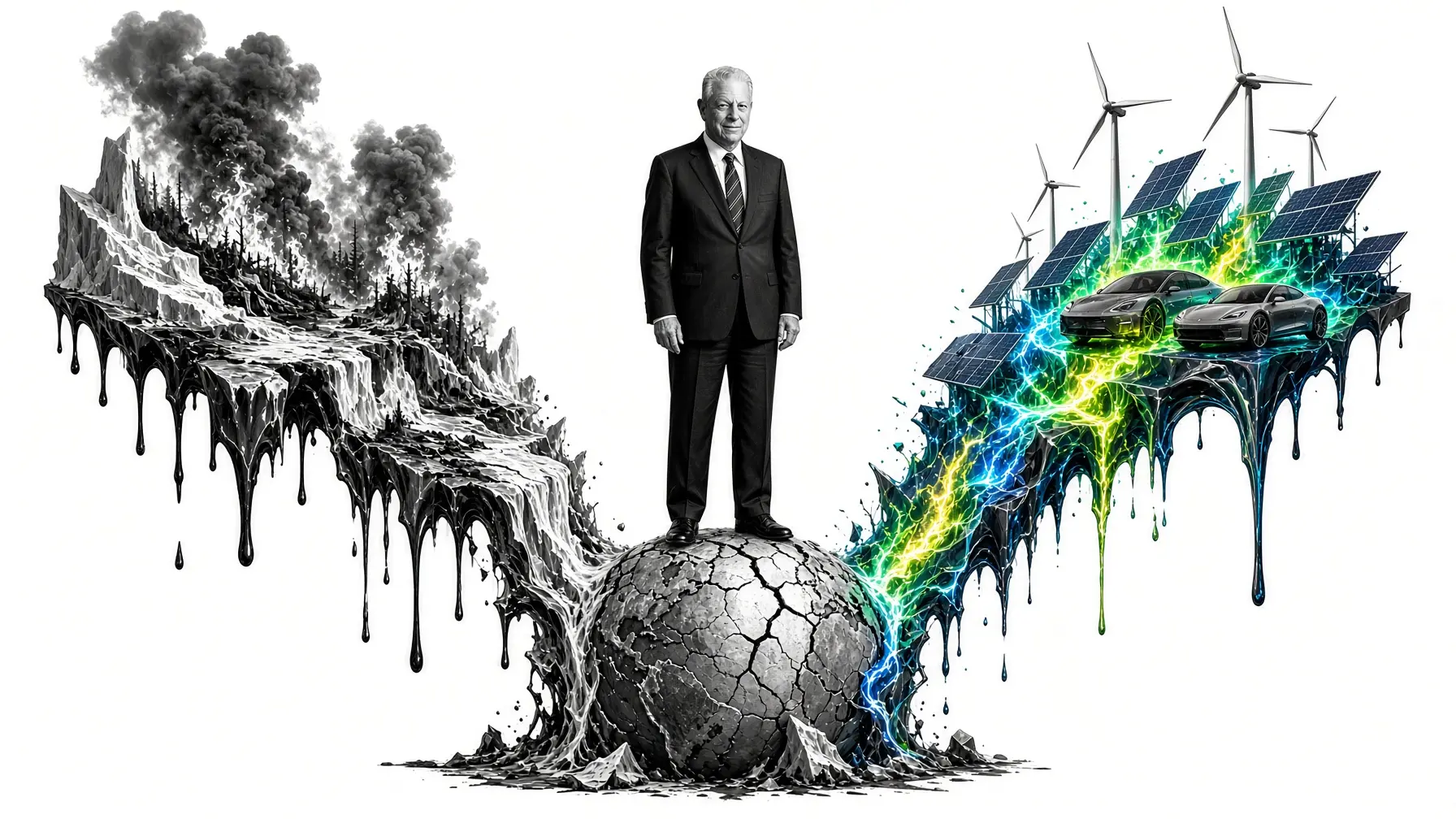
Al Gore: 2026 could be a turning point in the fight against climate change
According to former U.S. Vice President Al Gore, 2026 could go down in history as a positive turning point in the fight against climate change, but for that to happen, the world would need to seize very quickly the opportunity presented by the spread of renewable energy, since the planet's warming keeps accelerating: this August was the hottest August since records began, and tied with July 2023…
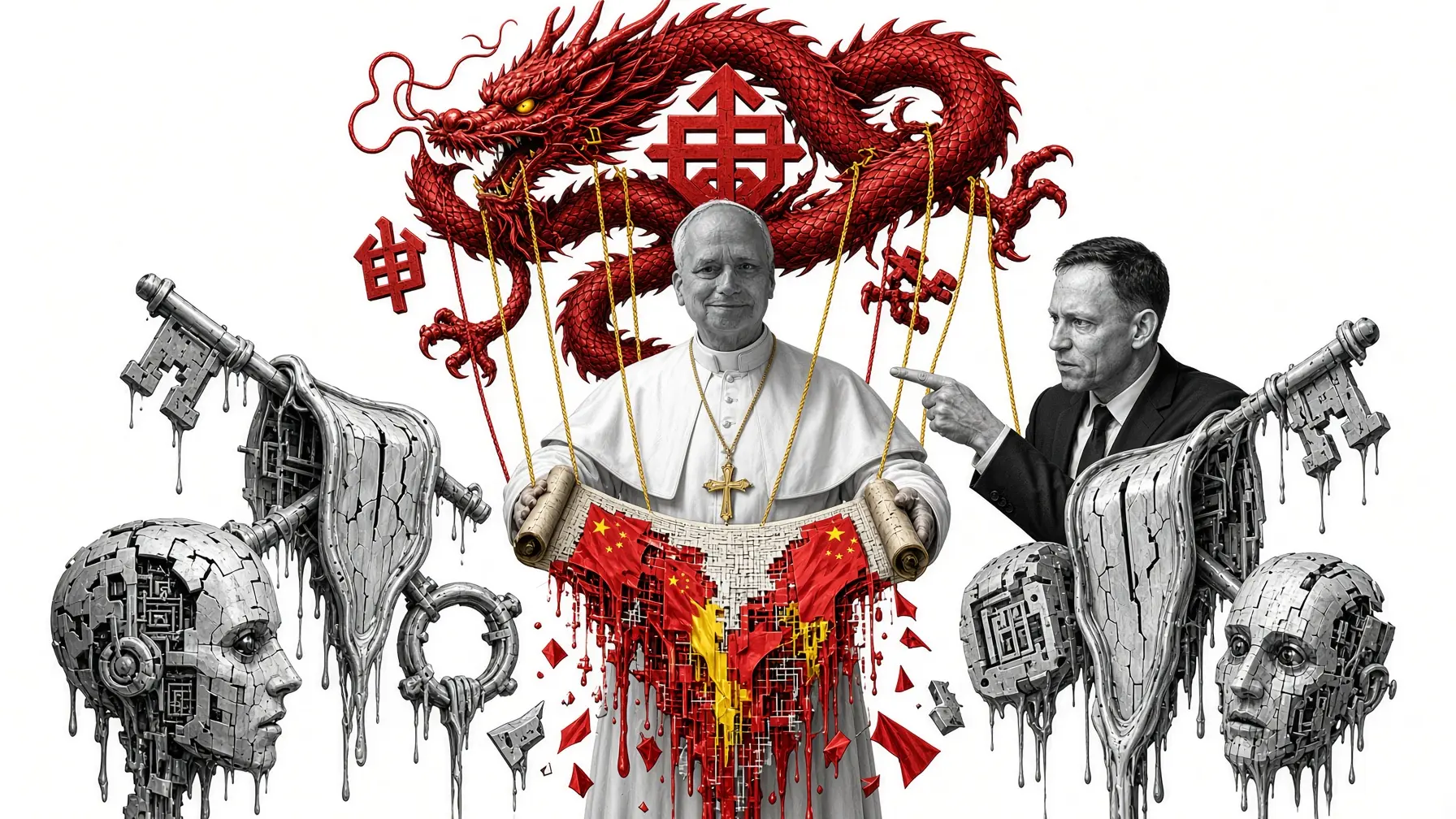
Peter Thiel says Pope Leo XIV is China's "useful idiot"
Technology billionaire Peter Thiel called Pope Leo XIV a "useful idiot" of the Chinese Communist Party for the Catholic pontiff's calls for international regulation of the development and use of artificial intelligence. According to Thiel, such restrictions would primarily hold back the United States and its allies, while China would continue its own technological program unimpeded.
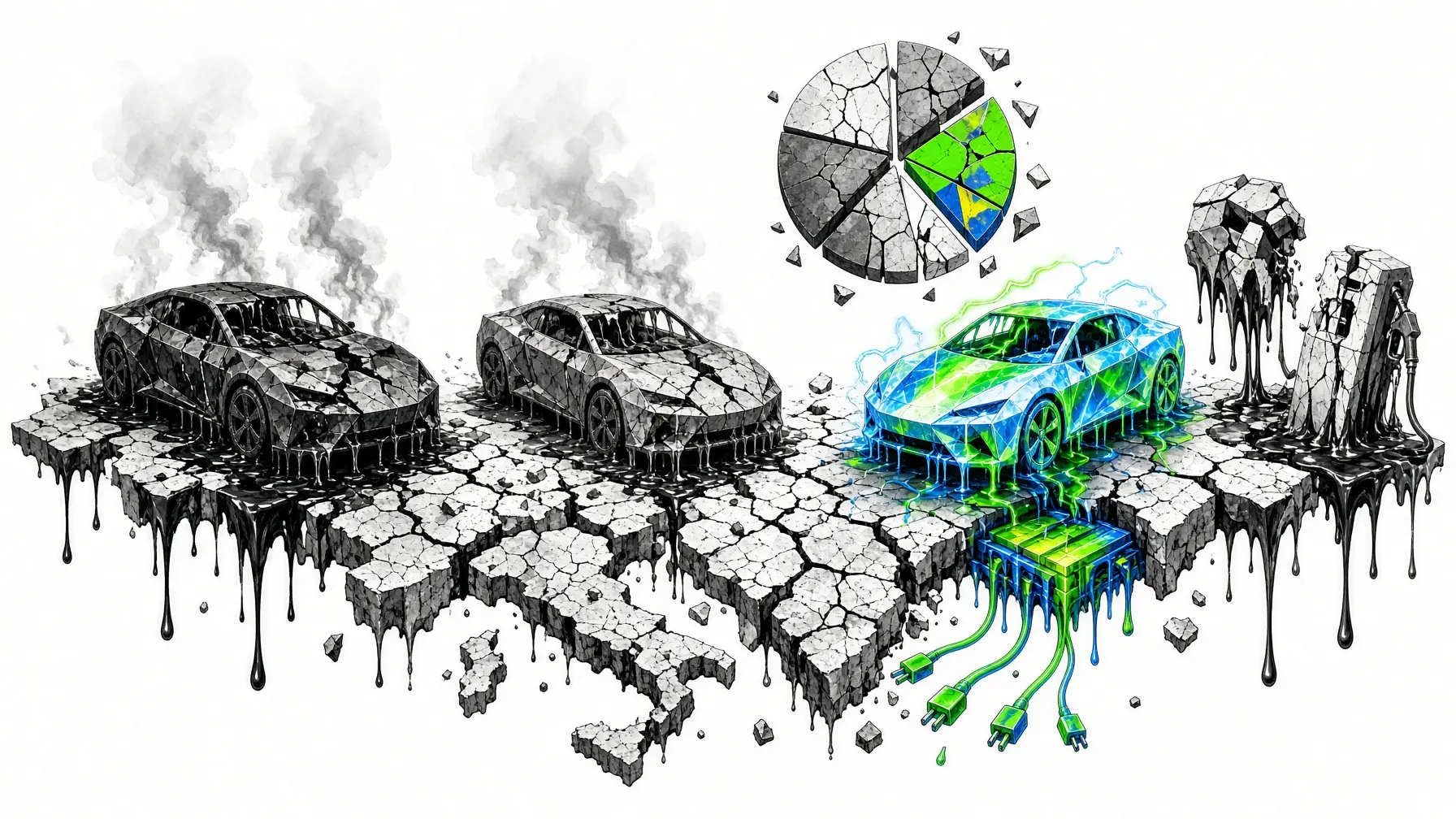
Almost one in three new cars in Europe was electric in August
By August, battery electric cars already accounted for 29 percent of new car sales in Europe, compared with 20.2 percent a year earlier — meaning that within a single year the share of purely electric models on the continent grew by nearly nine percentage points. The calculation by the International Council on Clean Transportation (ICCT) covers the European Union, Norway and Iceland; in this…
Cyber news: ClickFix targets children and teenagers
Romania's National Cybersecurity Directorate (DNSC) is warning children and teenagers about an increasingly widespread online fraud method. The attack, known as ClickFix, is unusual in that the perpetrators do not hack into the victim's computer directly, but instead trick the user into running the malicious command on their own device.
Life on Saturn? Maybe, but not today
Two studies published simultaneously may bring us closer to answering whether life could exist beneath the icy shell of Saturn's moon Enceladus. The research, published in the journal Science Advances, has of course not discovered any extraterrestrial organisms, but it has established far more than simply that "there is water there, so there could be life." One study shows that Enceladus's hidden…