Brexit's former architects now ask that no one disturb the ruins
Five former British prime ministers warn Andy Burnham against reopening the question of returning to the European Union if at all possible — a particularly touching concern coming from people, several of whom personally worked to ensure that the United Kingdom would have anything to return from in the first place. David Cameron called the referendum, Boris Johnson campaigned relentlessly for Leave, Theresa May spent years implementing it, and Rishi Sunak inherited and managed the consequences — yet now they talk about the whole affair as if the greatest danger were someone trying to fix it.
Burnham, who took over from Keir Starmer as head of government and the Labour Party on 20 July, had already said he hoped to live to see his country return to the EU, and in September, as prime minister, he again left the possibility open, prompting Emmanuel Macron to respond with an English-language "Welcome back" message. Johnson, in his own restrained way, called this political madness, and warned his successor that he could end up hanging himself and his party over the Brexit issue. He was also convinced that the British would once again vote to leave in another referendum, all while floating the possibility of his own return — which is about as reassuring as the former captain of a shipwrecked vessel offering to take the helm again if needed.
Speaking to LBC, Burnham showed little receptiveness to the advice, arguing that Johnson's bad deal burned bridges and left behind bad relations, and that he therefore does not regard him as an authority on the matter. The prime minister's starting point is that the EU is the country's largest market, so the possibilities for closer ties must be examined even if Brexit's former cheerleaders would rather close the debate. Theresa May says the departure must be accepted and the country must move on, since raising the idea of return sounds like lecturing voters, while Cameron warned against a long and painful new dispute, suggesting instead that Britain play the role of the EU's best friend, neighbour and partner. Sunak fears the issue would once again crowd out every other matter in politics, while Blair called Brexit a mistake, yet at the same time made the desirability of return dependent on the EU's direction on technology and innovation. The former prime ministers are therefore not all saying the same thing, but they agree that Burnham should, if possible, avoid turning a renewed membership debate into a central political programme.
The whole affair is given a particularly awkward backdrop by the fact that in October Burnham also spoke about Russian interference: according to him, after taking office he asked whether Moscow had meddled in the 2016 referendum campaign, and received a clear affirmative answer. He did not make the details of the evidence public, and Downing Street later specifically clarified that the claim of interference attempts does not mean the referendum result is being declared illegitimate, nor that it has been proven the Russians decided the vote. The British state's failures, however, had already been known well before Burnham: the Intelligence and Security Committee of Parliament's 2020 Russia report sharply criticised the government for failing to properly assess the danger of Russian influence around the referendum and for never producing a comprehensive after-the-fact assessment similar to the American investigations; the document discussed the Kremlin's media machine and online influence attempts, but did not conclude that Moscow caused the Leave victory.
That does not make the political scandal any smaller, because an attitude unwilling to properly investigate how a hostile power tried to influence the country's historic decision is a serious failure in itself. It is particularly perverse when Brexit's former architects then invoke respect for a democratic decision to question why their successor is even talking about the consequences, as if voters only had the right to express an opinion once, and afterwards had to live with the result forever. For now, Burnham is not preparing an immediate return to the EU, but would dismantle some of the barriers created after departure, while promising not to restore either single market membership or full freedom of movement before the 2029 elections. The package being worked out with Brussels includes a mobility programme for a hundred thousand young people aged 18–30, an easing of checks on food and agricultural trade, and the linking of emissions trading systems; the deal would also include a reduction in UK tuition fees for EU students, the cost of which is estimated at around £450 million.
In the longer term, the government expects the agreements to deliver a GDP boost of around 0.4 percent, roughly £17 billion, and the political room for manoeuvre is clearly larger than Johnson would like people to believe. According to published YouGov data, 54 percent would find another referendum acceptable, while 45 percent would not want the question of return to become the government's top priority; in Ipsos's October survey, 56 percent said they would support applying to rejoin, compared with 30 percent who preferred staying out. The British public, then, can be both weary of Brexit's endless political show and dissatisfied with its outcome at the same time — and that is not resolved by the former protagonists stepping forward once more to declare that it's time to move on. Moving on, after all, may also mean a country finally letting go of the self-justifying stories it has been told for years to explain why it should regard as a success what it experiences in daily life as a loss.
Ugar
Did you like this article?
Support our work with a small donation
Secure payment via Stripe • Min. 2 EUR
Gesta recommendations:

Grindeanu would lower the language-use threshold! Do we seize the opportunity or let it slip away?
Sorin Grindeanu has just raised a possibility that we should seize on immediately: according to the leader of the PSD, after the merger of localities, the population threshold linked to minority language-use rights should be lowered. This is not yet a finished piece of legislation — we don't even know what percentage he has in mind — but opportunities rarely arise in Romanian politics for a…
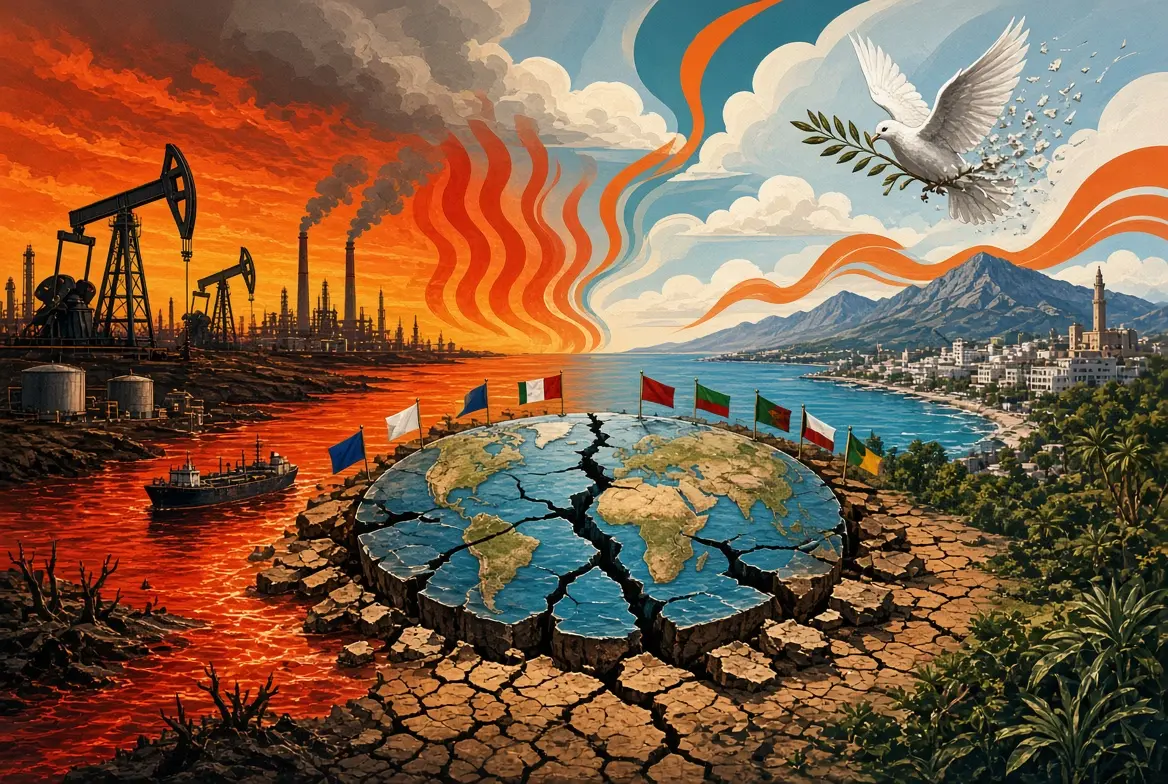
The planet is warming, the oil business remains: the climate agreement failed in Antalya
After two weeks of negotiations and almost two days of extension, delegates from nearly two hundred countries at the Antalya climate summit reached the point of failing to adopt the conference's most important agreement, because its final draft left out precisely the shift away from fossil fuels - the talks on the climate crisis thus foundered on the fact that some of the participants were…
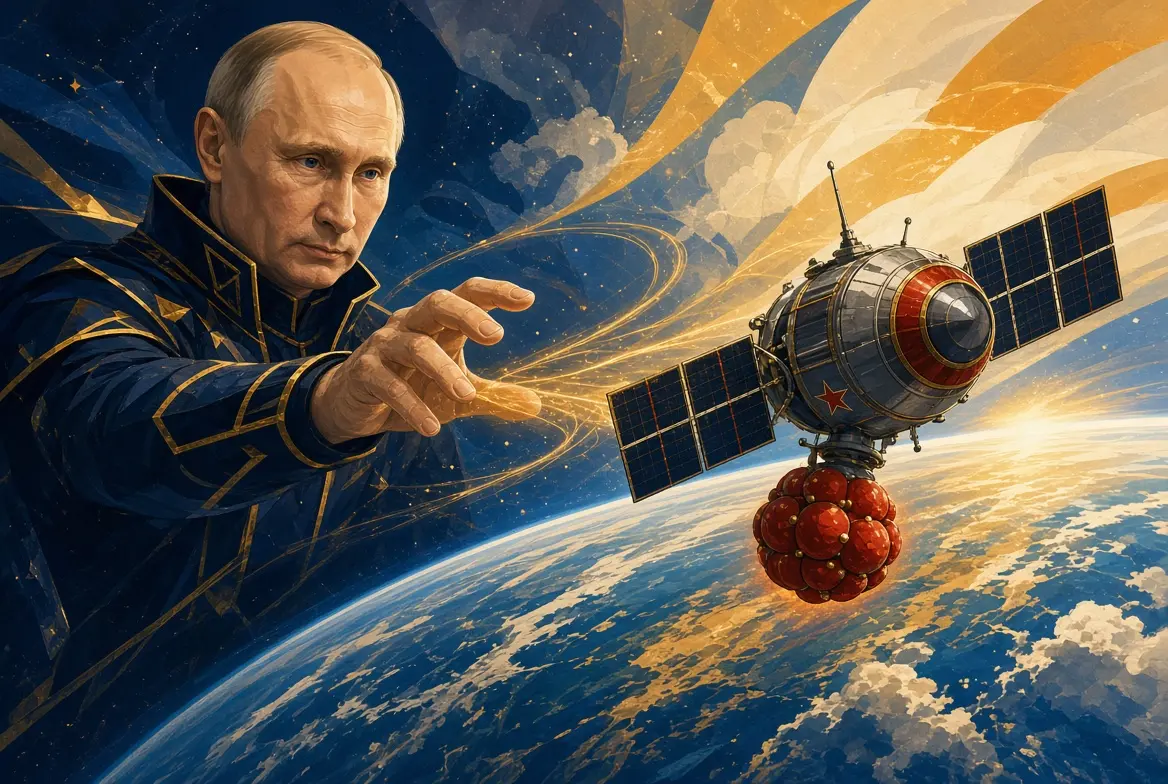
Putin would even take the sky hostage: Russia preparing satellite carrying nuclear weapon
The Kremlin is apparently running out of room even on the Earth's surface to find an arena for blackmail large enough for its purposes: according to German press reports, Western intelligence services are warning their allies that Russia could put a satellite carrying a nuclear warhead into orbit as early as this year. The device, named Sputnik-S, has reportedly already been completed and is…
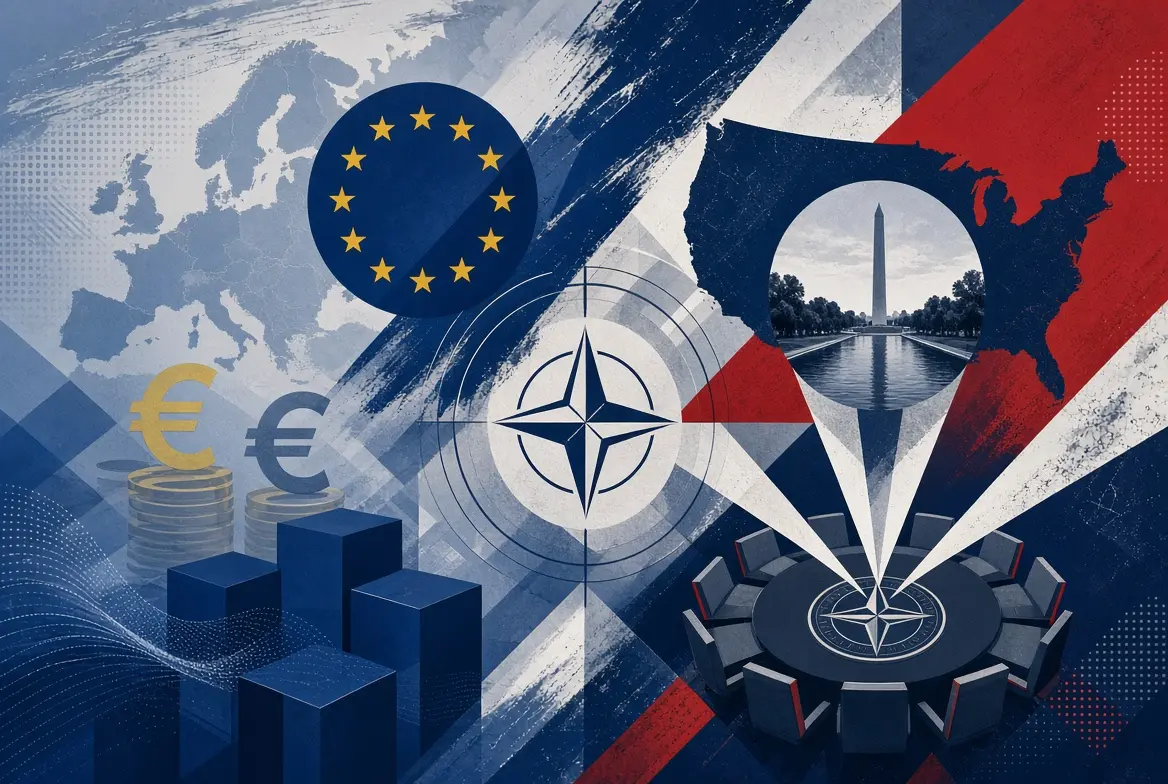
NATO 3.0: Europe should pay, and Washington will decide what we can expect
The American withdrawal does not, for now, look like the last soldier boarding a plane and the lights going out at the base; instead, Europe knows less and less what to expect from Washington, while hearing ever more precisely how much it will have to pay. Elbridge Colby, the Pentagon's undersecretary for defense policy, has once again signaledthat Europeans must take the lead role in the…

Here are the six criteria for merging Hungarian localities too
From population numbers to the distance to the nearest pharmacy and tax revenues,based on six criteria the Social Democratic Party (PSD) would assess which Romanian communes should be merged and what new administrative units could take the place of the current ones. Dragoș Benea, who heads the party's working group on reform, presented the idea on Monday, November 23, to the Chamber of Deputies'…