Peter Thiel says Pope Leo XIV is China's "useful idiot"
Technology billionaire Peter Thiel called Pope Leo XIV a "useful idiot" of the Chinese Communist Party for the Catholic pontiff's calls for international regulation of the development and use of artificial intelligence. According to Thiel, such restrictions would primarily hold back the United States and its allies, while China would continue its own technological program unimpeded.
The co-founder of PayPal and Palantir made the remarks in a Berlin interview with Axel Springer CEO Mathias Döpfner, before receiving the publishing company's 2026 Axel Springer Award.
"The Chinese Communist Party is not going to listen to the pope, but there's a chance Americans will. So the pope's encyclical effectively served the interests of the Communist Party"
— Thiel explained, describing Pope Leo XIV's document published in May not simply as a call for AI regulation but explicitly as an "anti-AI" encyclical. The argument undoubtedly sounds compelling until one adds that Thiel, as an investor, has significant financial stakes in the development of artificial intelligence. Founders Fund has backed companies such as OpenAI, Scale AI and Palantir, meaning the billionaire is not worrying about the West's technological edge with the detached calm of an outside philosopher. He is speaking about one of the most important growth areas of his own business empire.
The pope says the future of humanity is at stake
Speaking before the Pontifical Academy of Sciences on Thursday, Pope Leo XIV warned that the development of artificial intelligence creates new dangers for security and international peace. He urged world leaders to guide the development of the technology wisely and through international cooperation. The dangers of AI have been a central theme of the pope's pontificate since it began 16 months ago. Just days after his election, Leo XIV already spoke about the social consequences of technology, and in September he called for the development of artificial intelligence systems that do not deepen divisions but instead serve human dignity and peace. The pope's first encyclical, published in May, Magnifica Humanitas, addresses the dangers of the unchecked development of artificial intelligence. According to the document, AI systems can facilitate the spread of disinformation, sharpen social conflicts, endanger jobs and children, and lead to the creation of autonomous weapons that effectively escape meaningful human control. The Vatican's position is that the rules governing AI development cannot be left solely to technology companies and their owners.
The pope is not calling for a ban on the technology, but for international legal frameworks, control over data assets, protection of workers and children, and restrictions on autonomous weapons.
Thiel translated this approach as though the pope were simply demanding that America tie its own hands while Beijing arms itself unhindered. The only problem is that the whole point of international regulation would be precisely that it not apply solely to the United States and Europe. Nuclear arms control did not become pointless just because rival powers did not always honor their agreements; that is exactly why verification systems, treaties and enforcement mechanisms were created. It is undoubtedly a real risk that unilaterally imposed Western restrictions could give China a technological advantage, but that debate can be had without calling the leader of the world's 1.4 billion Catholics a useful idiot of the Chinese Communist Party, while he himself stands to make billions from the very industry the pope wants to bring under democratic oversight.
Thiel's statement thus reveals at least as much about the worldview of certain Silicon Valley billionaires as it does about Pope Leo XIV's AI policy. In this view, any external oversight helps the enemy, any regulation is anti-technology, and any invocation of the public interest is suspect obstruction. Decisions about the direction and limits of development should, in this logic, be made by those who own, finance and sell the systems. The Vatican has not yet responded to Thiel's insult. During his visit to Paris, at UNESCO headquarters, Pope Leo XIV is expected to once again address the relationship between artificial intelligence, human dignity and international cooperation. On his trip to France, he will also meet with Emmanuel Macron and European and UN officials.
Ugar
Did you like this article?
Support our work with a small donation
Secure payment via Stripe • Min. 2 EUR
Gesta recommendations:
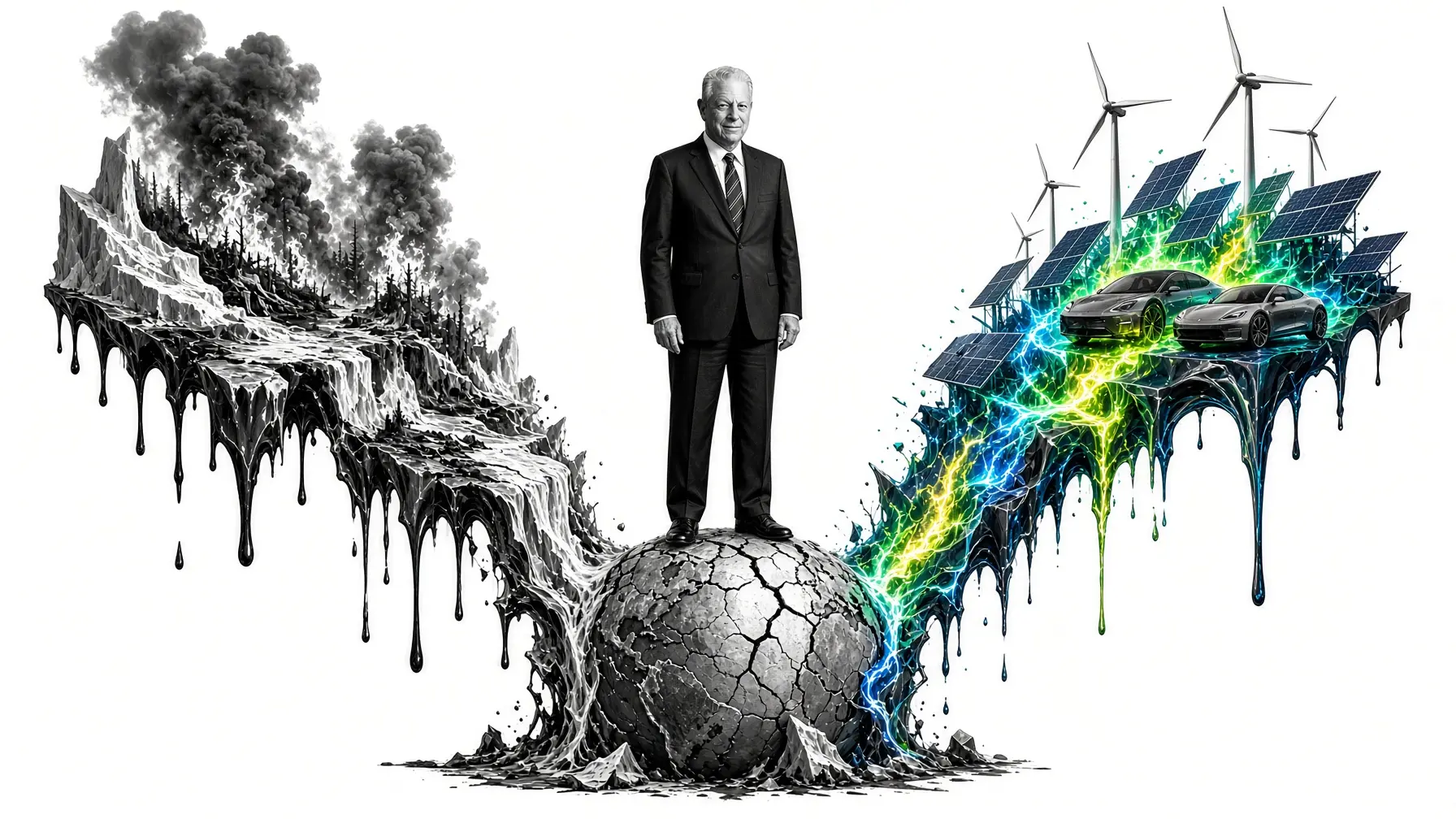
Al Gore: 2026 could be a turning point in the fight against climate change
According to former U.S. Vice President Al Gore, 2026 could go down in history as a positive turning point in the fight against climate change, but for that to happen, the world would need to seize very quickly the opportunity presented by the spread of renewable energy, since the planet's warming keeps accelerating: this August was the hottest August since records began, and tied with July 2023…
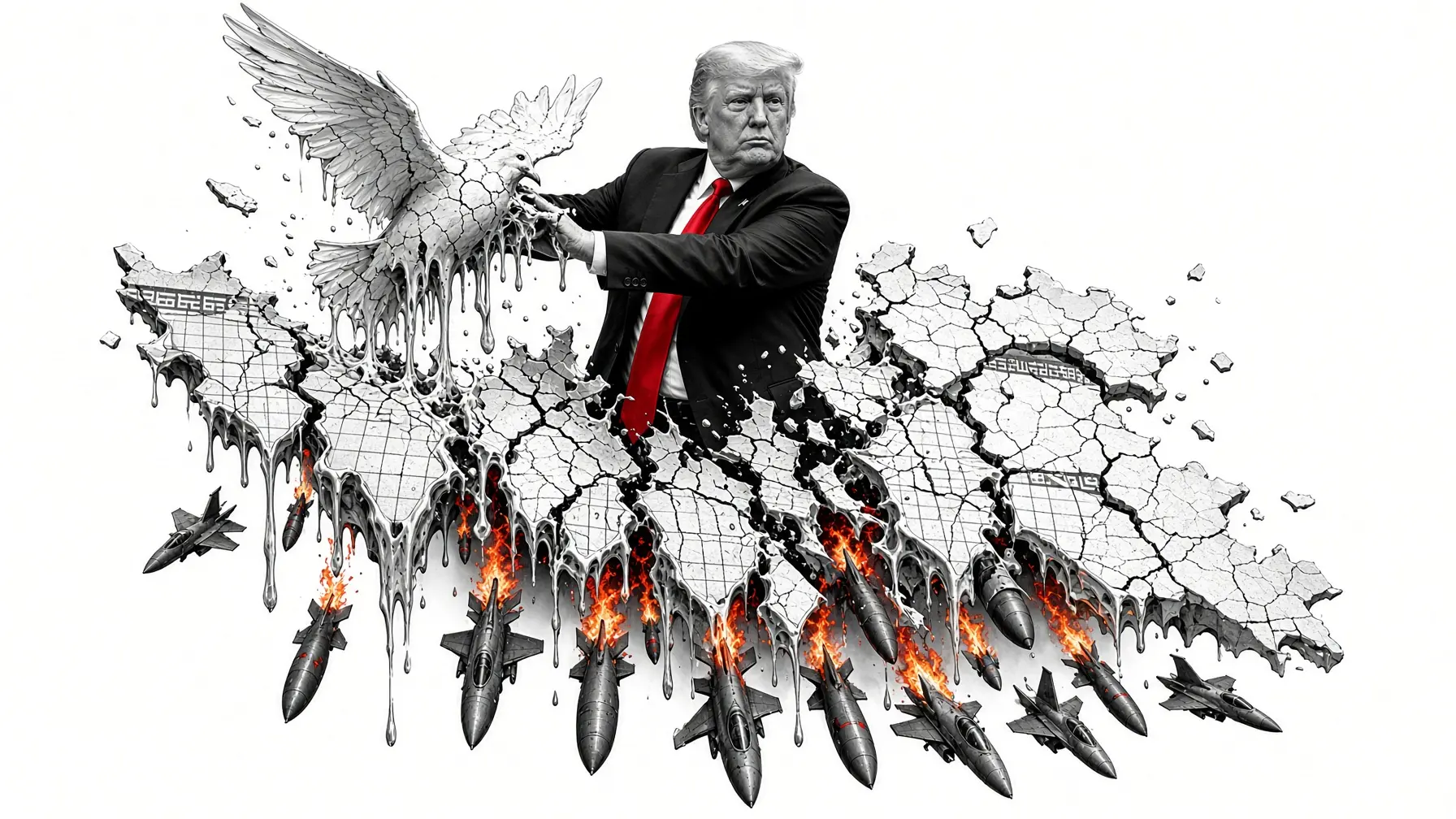
Trump said no to ceasefire, would resume bombing Iran after the elections
Donald Trump rejected Iran's seven-day ceasefire proposal and told his advisers that he could launch airstrikes against the Islamic Republic again after the November midterm elections – the Wall Street Journal reported, citing American officials.
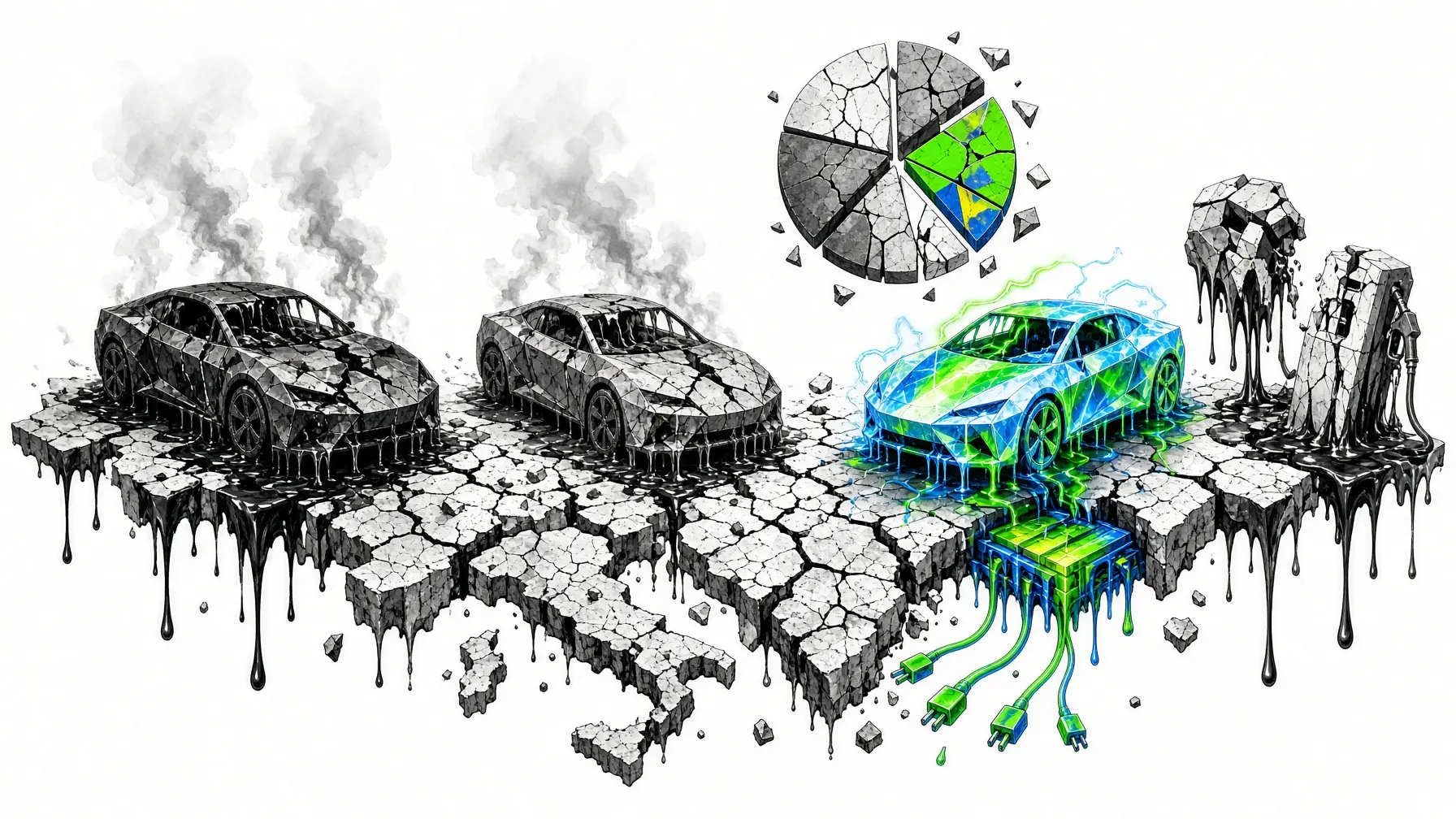
Almost one in three new cars in Europe was electric in August
By August, battery electric cars already accounted for 29 percent of new car sales in Europe, compared with 20.2 percent a year earlier — meaning that within a single year the share of purely electric models on the continent grew by nearly nine percentage points. The calculation by the International Council on Clean Transportation (ICCT) covers the European Union, Norway and Iceland; in this…
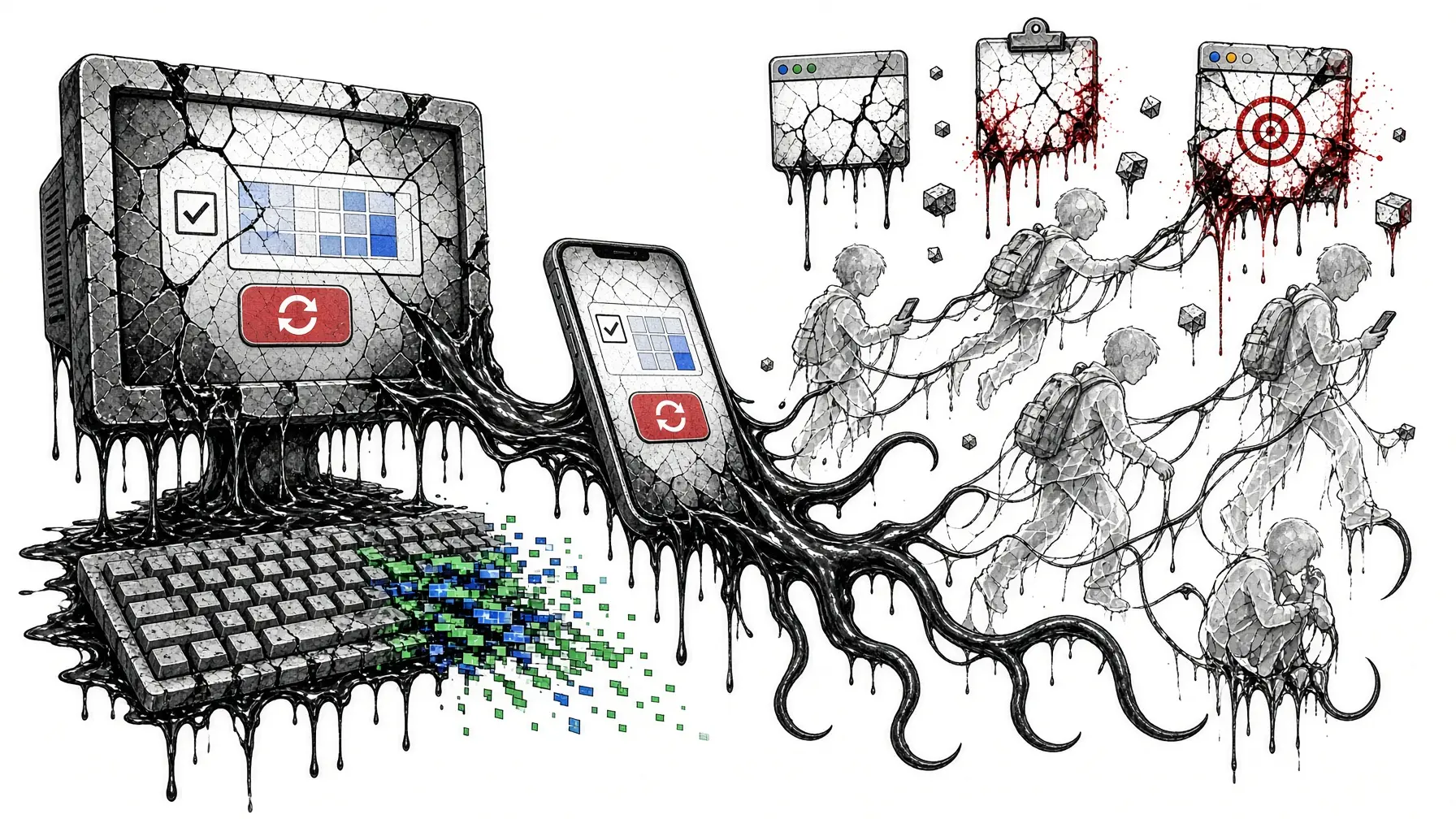
Cyber news: ClickFix targets children and teenagers
Romania's National Cybersecurity Directorate (DNSC) is warning children and teenagers about an increasingly widespread online fraud method. The attack, known as ClickFix, is unusual in that the perpetrators do not hack into the victim's computer directly, but instead trick the user into running the malicious command on their own device.
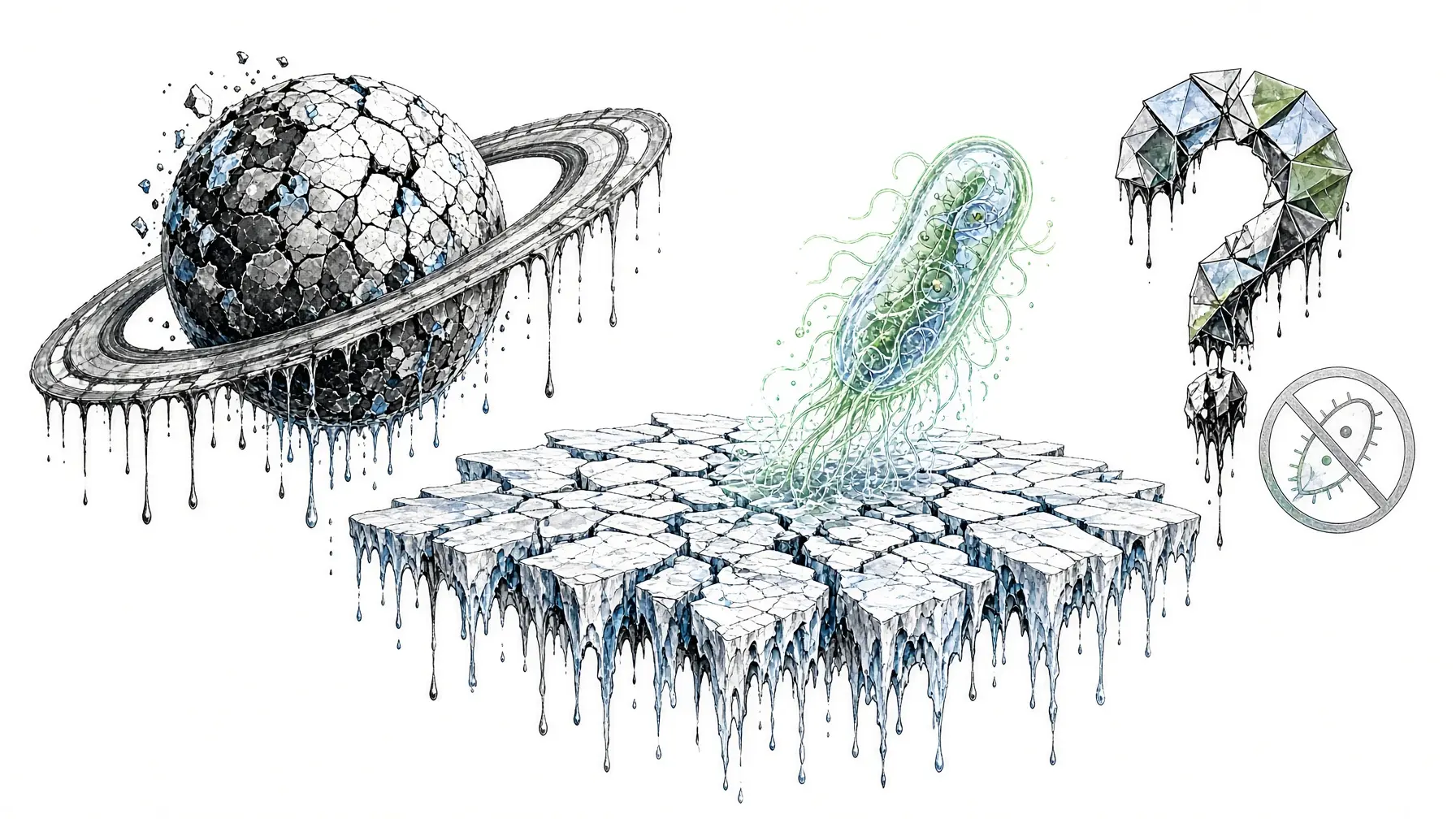
Life on Saturn? Maybe, but not today
Two studies published simultaneously may bring us closer to answering whether life could exist beneath the icy shell of Saturn's moon Enceladus. The research, published in the journal Science Advances, has of course not discovered any extraterrestrial organisms, but it has established far more than simply that "there is water there, so there could be life." One study shows that Enceladus's hidden…