Almost one in three new cars in Europe was electric in August
By August, battery electric cars already accounted for 29 percent of new car sales in Europe, compared with 20.2 percent a year earlier — meaning that within a single year the share of purely electric models on the continent grew by nearly nine percentage points. The calculation by the International Council on Clean Transportation (ICCT) covers the European Union, Norway and Iceland; in this group of countries, almost three out of every ten new cars sold in August were electric, a jump of five percentage points compared with July.
The trend is not the result of a single standout month. Between January and August, 41 percent more battery electric cars were sold than in the same period of 2025, and the average market share over the eight months rose to 23 percent, six percentage points above the level a year earlier. Looking at the European Union alone, the figure is somewhat lower, at 21.7 percent: in the first eight months of the year, 1.64 million purely electric passenger cars were registered in the member states, reaching exactly the same market share as petrol-powered cars. The shift toward electric vehicles was driven mainly by France and Germany, Europe's two largest car markets. In France, the share of purely electric cars rose to a record 38 percent in August, while Germany matched its previous peak at 33 percent. Between January and August, the French electric car market share was 30 percent and the German one 27 percent, representing increases of 12 and nine percentage points, respectively, compared with the same period of 2025. In Italy and Spain, the transition is proceeding much more slowly: there, the share of electric cars stood at around eight and ten percent, respectively, while in Poland it reached only five percent.
Across the European market as a whole, 832,637 new passenger cars were registered in August, 5.3 percent more than a year earlier. Registrations of battery electric cars rose by 52.2 percent, plug-in hybrids by 13.5 percent, and conventional hybrids by 3.4 percent, so the three electrified powertrain types together already accounted for more than 73 percent of newly sold vehicles. At the same time, registrations of petrol cars fell by 23.5 percent and diesel cars by 23.1 percent. Looking at the longer period, the same shift is visible: in the first eight months of the year, the combined share of petrol and diesel cars dropped to 29 percent from 37.5 percent in the same period of 2025. Registrations of petrol models fell by 18.6 percent compared with a year earlier, with their market share dropping from 28 to 21.7 percent, while the share of diesels stood at just 7.3 percent. The traditional internal combustion engine is thus not disappearing from Europe's roads overnight, but on the new-car market it is rapidly losing the position that seemed unassailable only a few years ago. The turnaround is being driven simultaneously by a wider range of models, purchase incentives, falling battery prices and rising prices for conventional fuels. The war in Iran and the drop in shipping traffic through the Strait of Hormuz sharply pushed up oil and fuel prices in 2026, so for many buyers an electric car now represents not primarily an environmental statement but an escape route from the price swings at petrol stations. According to Peter Mock, the ICCT's European director, consumers are responding both to the arrival of new and better electric models and to the lower energy costs available amid the oil crisis.
Volkswagen's order book points in the same direction: European orders for electric cars rose by more than 50 percent in the second quarter, and the new, smaller electric model family built around the ID. Polo gathered more than 70,000 orders within a few weeks. The company's electric models now account for more than 30 percent of Volkswagen's European order book, showing that the arrival of cheaper, everyday-use models can indeed speed up the transition. Among the major European manufacturers, the BMW Group achieved the highest share of electric cars between January and August: 30 percent of the vehicles it registered were purely electric, five percentage points more than a year earlier. The biggest increase, however, came from Mercedes-Benz, with a ten-percentage-point improvement, while Hyundai and Renault each raised their share of electric models by eight percentage points, and Toyota increased its share from five to 11 percent. Differences between countries remain enormous. In Norway, around 98 percent of new cars are electric, in Denmark the figure is already above 80 percent, and in Finland it is approaching 50 percent. At the other extreme are the southern and eastern European markets, where lower incomes, a weaker charging network and smaller subsidies still make electric cars far less accessible. The August record nonetheless shows that Europe's shift to electric vehicles has moved past the point where electric cars could still be seen as a niche for a small, wealthy and environmentally conscious segment of buyers. Rising petrol and diesel prices, the arrival of new models and geopolitical uncertainty have together set off a market shift that even Europe's carmakers can no longer treat as a mere passing trend.
Ugar
Tetszett a cikk?
Támogassa a munkánkat egy kis adománnyal
Biztonságos fizetés Stripe-on keresztül • Min. 2 EUR
Gesta-ajánló:
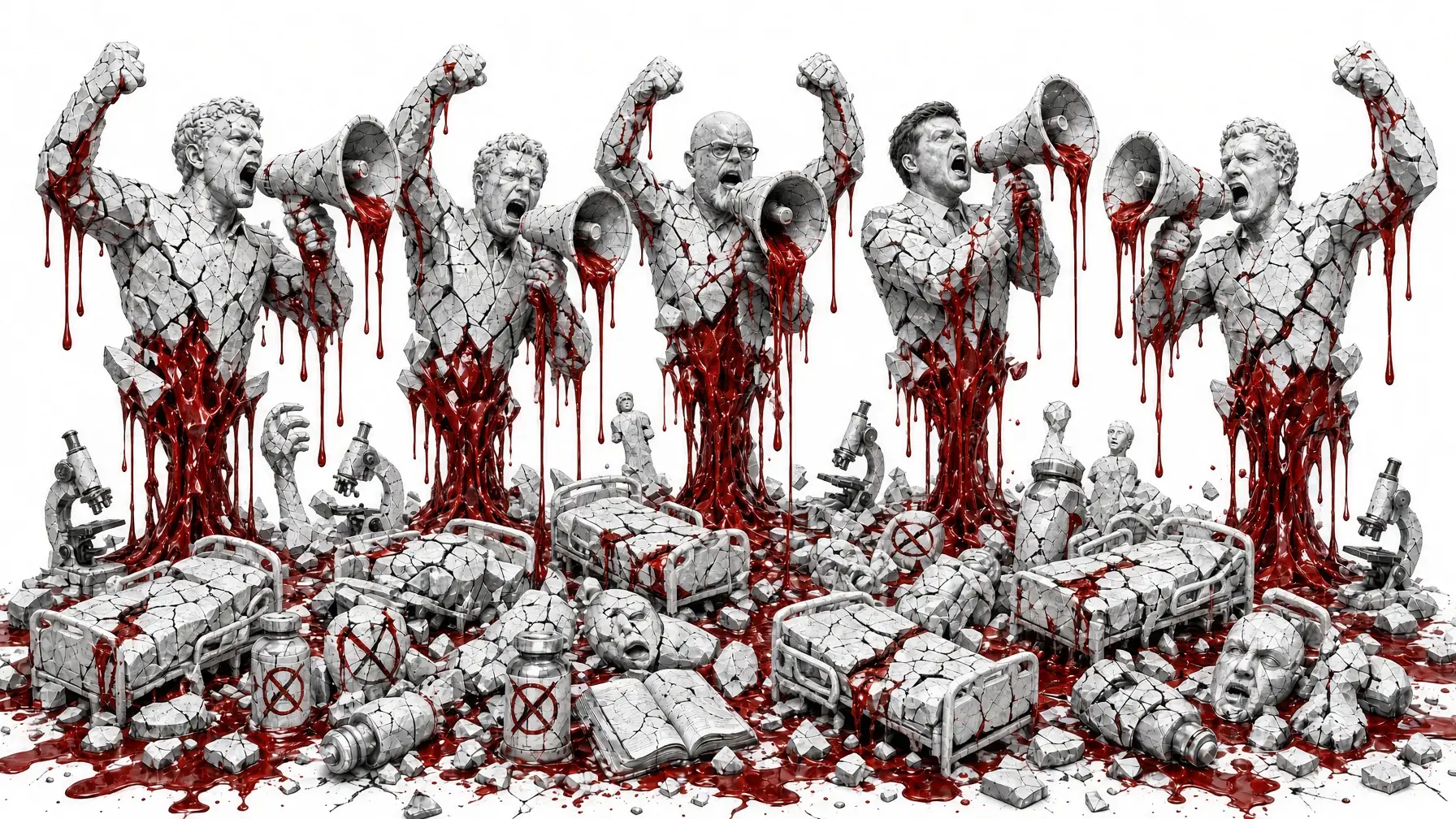
A tudományellenességnek halottai vannak, az uszítóinak pedig felelősségük
Mielőtt bárki egy kongói gyilkosság híréből kezdené levezetni az európai ember civilizációs felsőbbrendűségét, érdemes végiggondolnia, hány orvost neveztek gyilkosnak, hány beteget beszéltek le az ellátásról, és hány egészségügyi dolgozót fenyegettek meg ezen a felvilágosult kontinensen a koronavírus-járvány alatt. Az orvos ellen uszító európai és az Ebola elleni védekezést erőszakkal akadályozó…
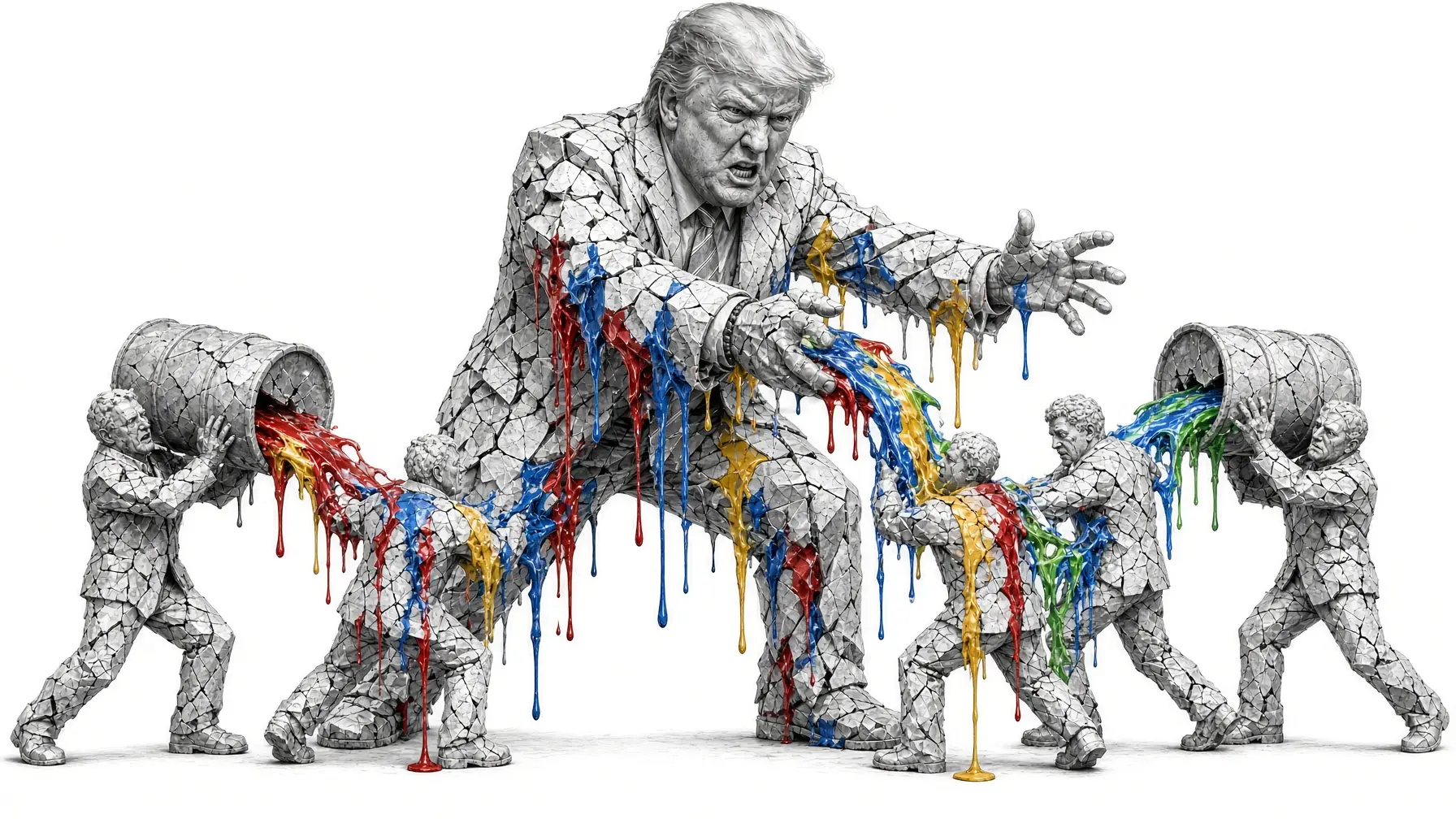
Odaadod a dízeled Trumpnak? Csak mert már kéri
Donald Trump most az európai tartályokban keresi az amerikai választási kampány üzemanyagát. A novemberi félidős választások közeledtével ugyanis egyre kellemetlenebb, hogy a benzinkutak ártáblái nem követik az elnöki sikerközleményeket. A dízel drága, a fuvarozó tankol, a gazda számol, a Fehér Ház pedig felfedezte, hogy Európának vannak vésztartalékai. Milyen szerencse, hogy a szövetségesek…
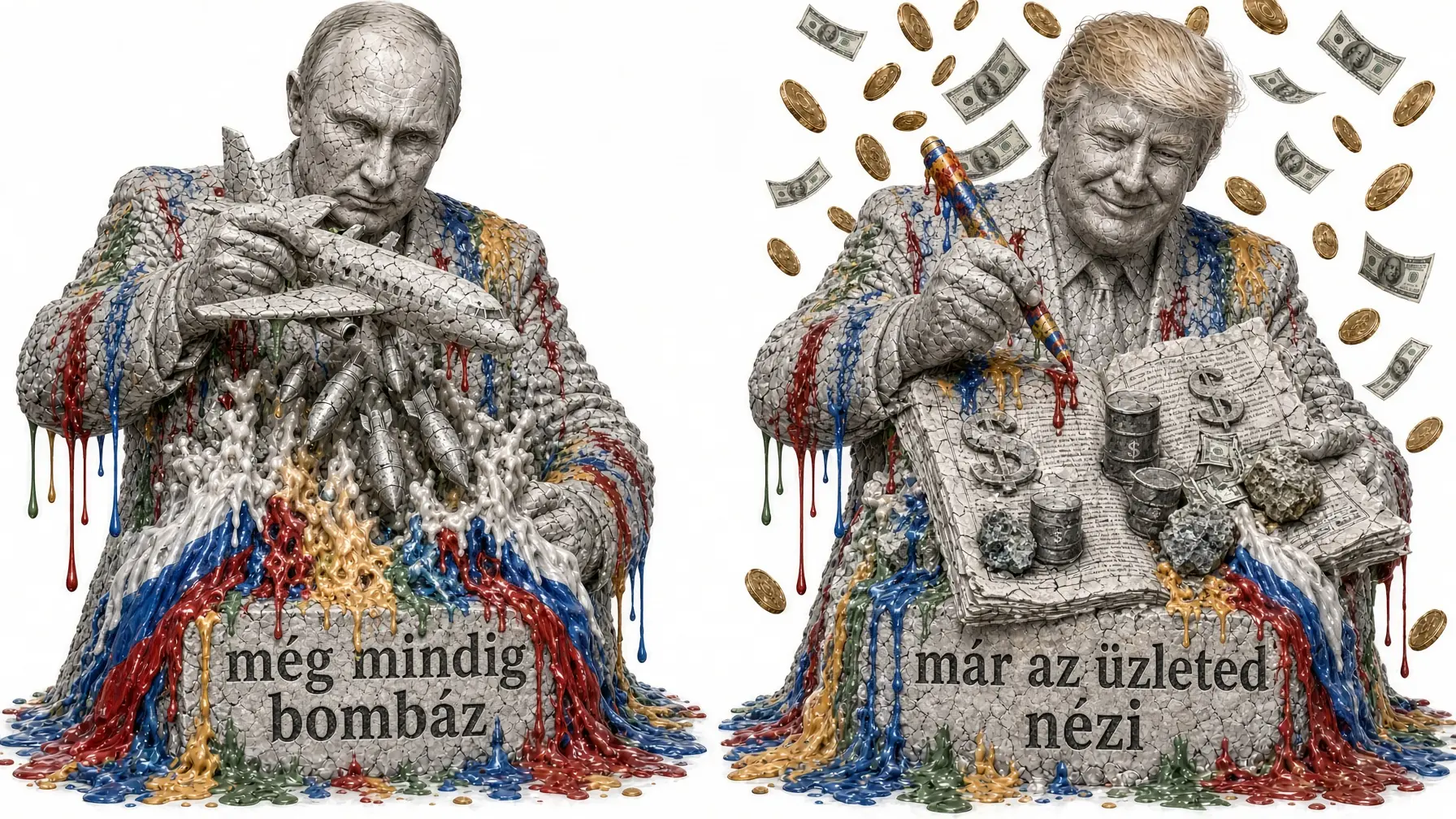
Putyin még mindig bombáz, Trump már az üzletet nézi
Putyin tovább gyilkolja az ukrán civileket, Trump pedig hét hónap után sem tudta lezárni az Irán ellen indított háborúját, de a háború utáni üzleti lehetőségekről már egészen kellemes beszélgetések folynak Washingtonban. A béketeremtés két önjelölt óriása egyelőre több sikerrel magyarázza, miért mások hibája a vérontás folytatása, mint amennyi eredményt annak megszüntetésében fel tud mutatni, az…

Trump átnevezte az intelligenciát, Szlovéniában csilingelt a kassza
Donald Trump igazi nagy troll, ezt aligha most kell felfedeznünk, de az emberiség jövőjéről gondolkodva néha aggasztóbbnak tűnik az elnöki baromságok körül kialakuló tömeges sürgölődés, mint az, hogy egyszer majd túl okos lesz valamelyik számítógép. A gépeknél legalább még vizsgálják, miként jutottak egy következtetésre; Trumpnak elég kijelentenie valamit, és már indul is a világ, hogy…
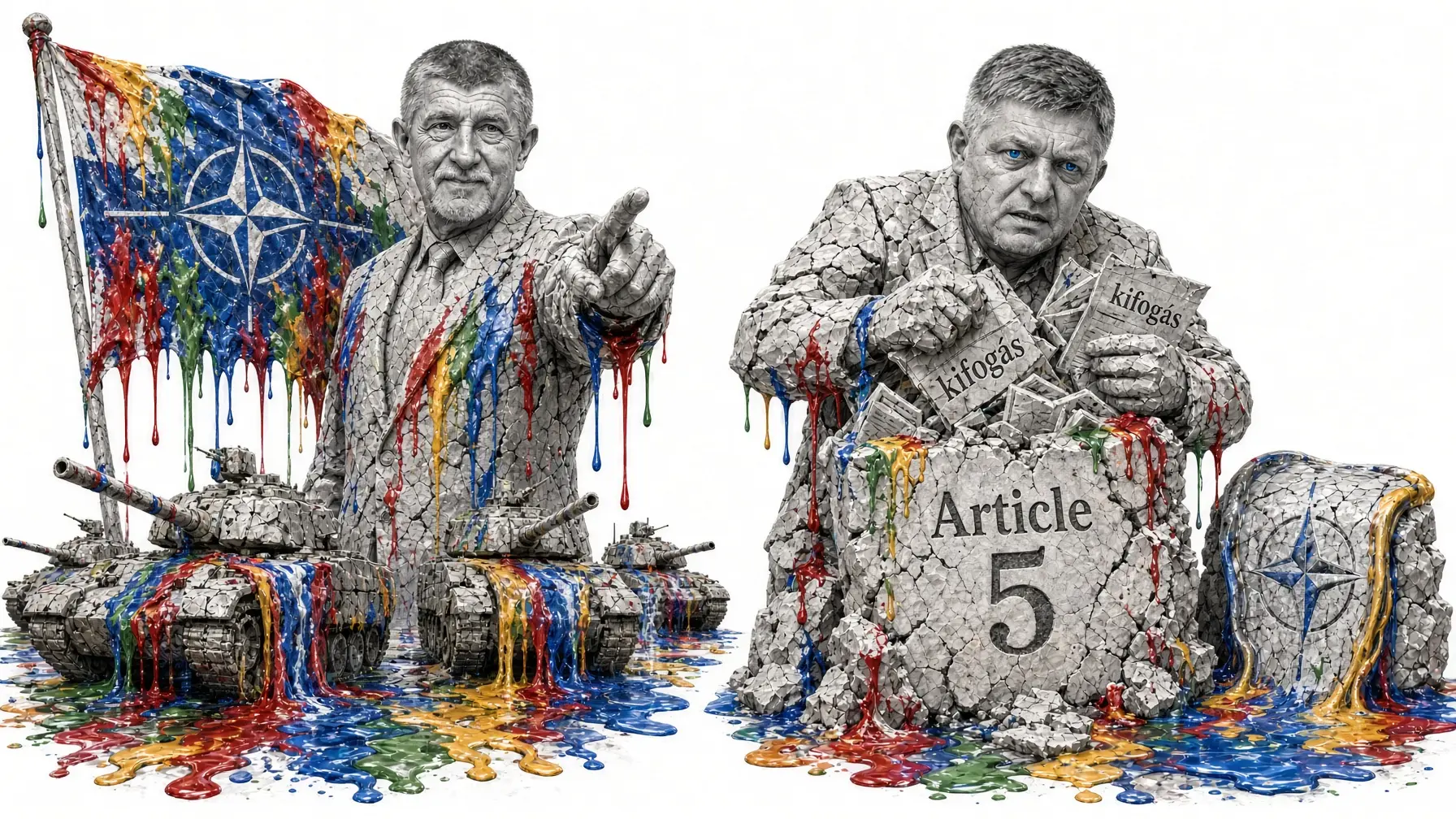
NATO ötödik cikk: Babiš két dandárt küld, Fico kifogást keres
Andrej Babištól sem mindig azt várja az ember, hogy a legfontosabb pillanatban világosan megmondja, melyik oldalon áll, most mégis sikerült olyasmit közölnie, amit Robert Fico napok óta politikai ködbe burkol: ha Oroszország megtámad egy balti NATO-tagállamot, Csehország részt vesz a szövetséges védelmében. A csehek és a szlovákok 1993-ban külön országban folytatták, most pedig a két…