
Europe will also take part in the peace talks, only the details are not yet known
Britain, Germany, France, Italy and Poland would represent Europe, together with the EU institutions, in the negotiations on ending Russia's war against Ukraine – European Council President António Costa announced after the Dublin summit. European leaders are pushing for a ceasefire, while Moscow is already prepared to discuss where NATO troops could be stationed in Europe.
Representatives of four of the five countries were already in Abu Dhabi this week, where, together with representatives of the European Union and NATO, they held talks with the Ukrainian and American delegations before the US-mediated Russian-Ukrainian negotiations began. The joint statement issued after the meeting stressed that any agreement must respect Ukraine's sovereignty and territorial integrity, and that security guarantees are needed that could protect the country from a future Russian attack as well.
The Europeans now want to ensure that they also have a seat at the table in the next round of talks with the Russians, which is also in Kyiv's interest, since Donald Trump's statements so far and reports about an American-Russian deal have hardly reassured Ukraine's leadership that Washington will represent its interests under all circumstances. The US president's two special envoys, Steve Witkoff and Jared Kushner, flew to Moscow after the Abu Dhabi round for talks with Vladimir Putin, and then met Volodymyr Zelensky in Dublin. According to the Ukrainian president, one outcome of the talks could be another prisoner exchange, which he hopes will be the largest since the start of the war; Zelensky and Kushner both said that the Europeans will take part in the next round of negotiations.
The Kremlin's wording was far more conditional. Moscow said on Friday that it would be ready to accept the participation of European countries if it judged that they could contribute to the peace process. As for what exactly the Kremlin means by such a contribution, it's worth recalling what it demanded even before the full-scale invasion of 2022. At the time, Russia wanted NATO to withdraw its forces from member states that had joined after 1997, including Poland, Hungary and Romania. The alliance rejected this. Now Moscow again wants a comprehensive agreement on Europe's security before even getting to the details of the war in Ukraine, and Kushner said that bringing in the Europeans would allow talks not only on Ukrainian territorial issues but also on the continent's post-war security – in other words, Putin attacked Ukraine, and nearly five years later the talks are already touching on where NATO troops might be stationed in other European countries. Quite a successful American negotiating delegation, that is, if they're working for the Russians.
German Chancellor Friedrich Merz said Europe has a functioning security system, so there is no need to renegotiate it. EU foreign policy chief Kaja Kallas likewise warned that the Russian proposal could divert attention from the ceasefire, while Latvian Prime Minister Andris Kulbergs called the idea of separate talks on European security a trap. According to European sources cited by Reuters, the leaders of Poland, the Baltic states and the Nordic countries had already signaled on Thursday that such talks with the Americans or the Russians need to be handled with caution.
In Dublin, António Costa named a ceasefire and the restoration of shipping in the Black Sea as the most urgent tasks, while Zelensky discussed air defense missiles, support for Ukraine's energy supply and the construction of new shelters with European leaders. These issues cannot wait until Washington and Moscow finish discussing what the continent should look like after the war, and in the event of a ceasefire, the Europeans would be expected to provide a significant part of the security guarantees as well.
Besides the composition of the delegation, it also remains an open question who should speak on Europe's behalf, and with what mandate. Merz would expand the already existing British-French-German cooperation to include Italy and Poland, alongside the participation of EU institutions, while Polish Prime Minister Donald Tusk urged the formation of a unified EU position. Italian Prime Minister Giorgia Meloni said it must be clarified separately who represents the continent and with what mandate, since the security of countries not sitting at the table could also be at stake. For now, this is all Europe has managed to add to the course of history.
Ugar
Did you like this article?
Support our work with a small donation
Secure payment via Stripe • Min. 2 EUR
Gesta recommendations:
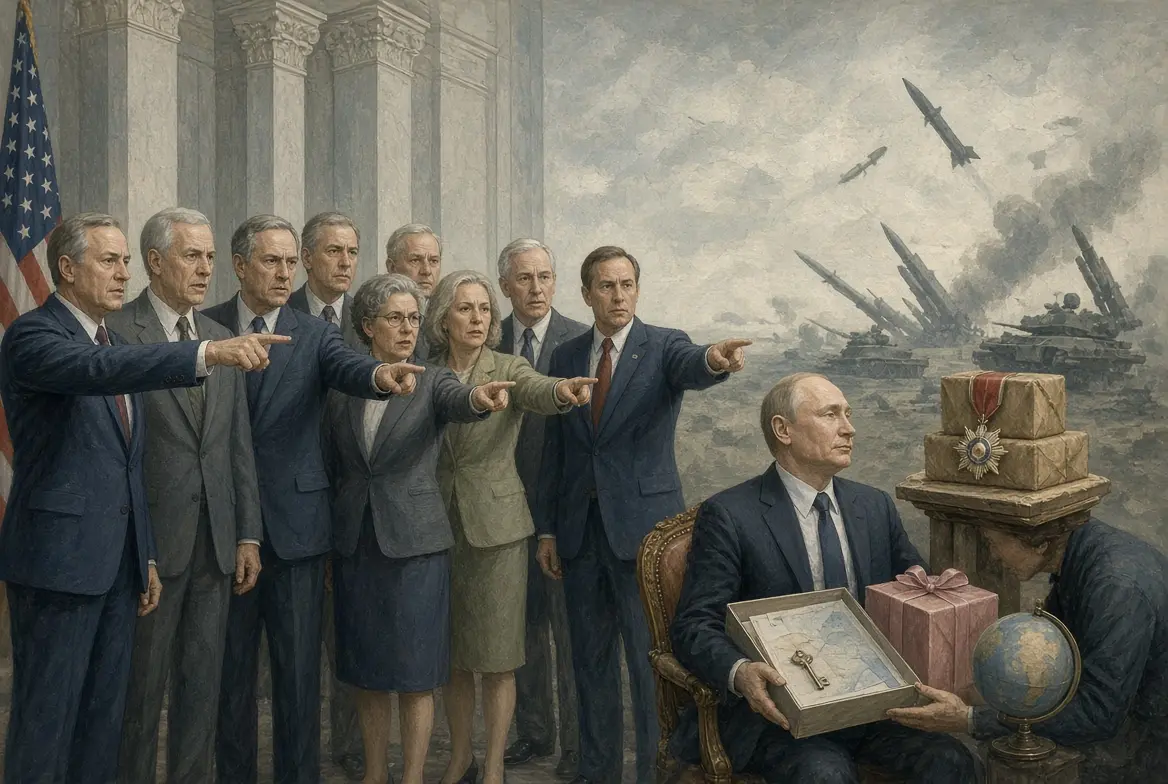
Eight former U.S. ambassadors warn: whoever rewards Putin is preparing the next war
Lasting peace cannot be bought from Putin through territorial concessions and the easing of sanctions, warn eight former U.S. ambassadors, including four former heads of mission in Bucharest. According to them, rewarding aggression would weaken NATO and increase the risk of a broader European war.
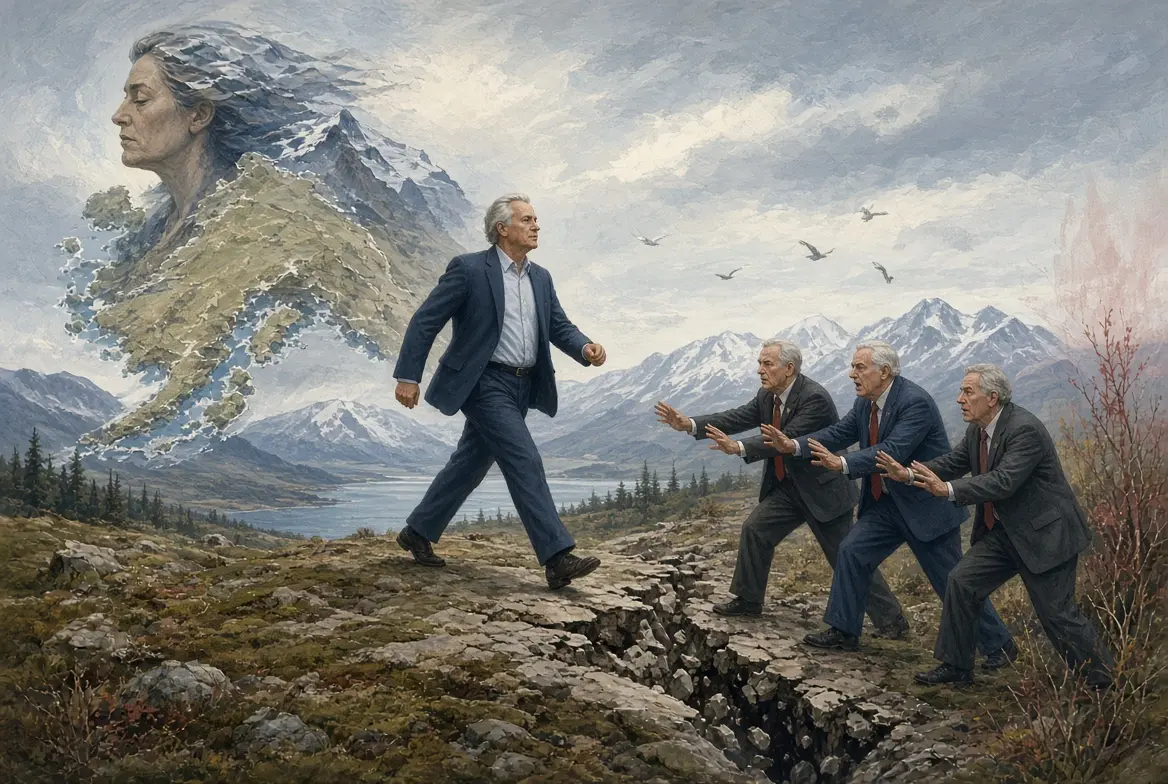
Alaska too turns away from the Republicans: not even three of them could stop the Democrat
For the first time in twenty-eight years, Alaska has elected a Democratic politician as governor: the 37-year-old Jonathan Kreiss-Tomkins defeated three Republican rivals, including one backed by Donald Trump. The youngest governor in the state's history campaigned on lowering the cost of living, fixing the funding of public schools, and a promise of cooperation across party lines, and won the…
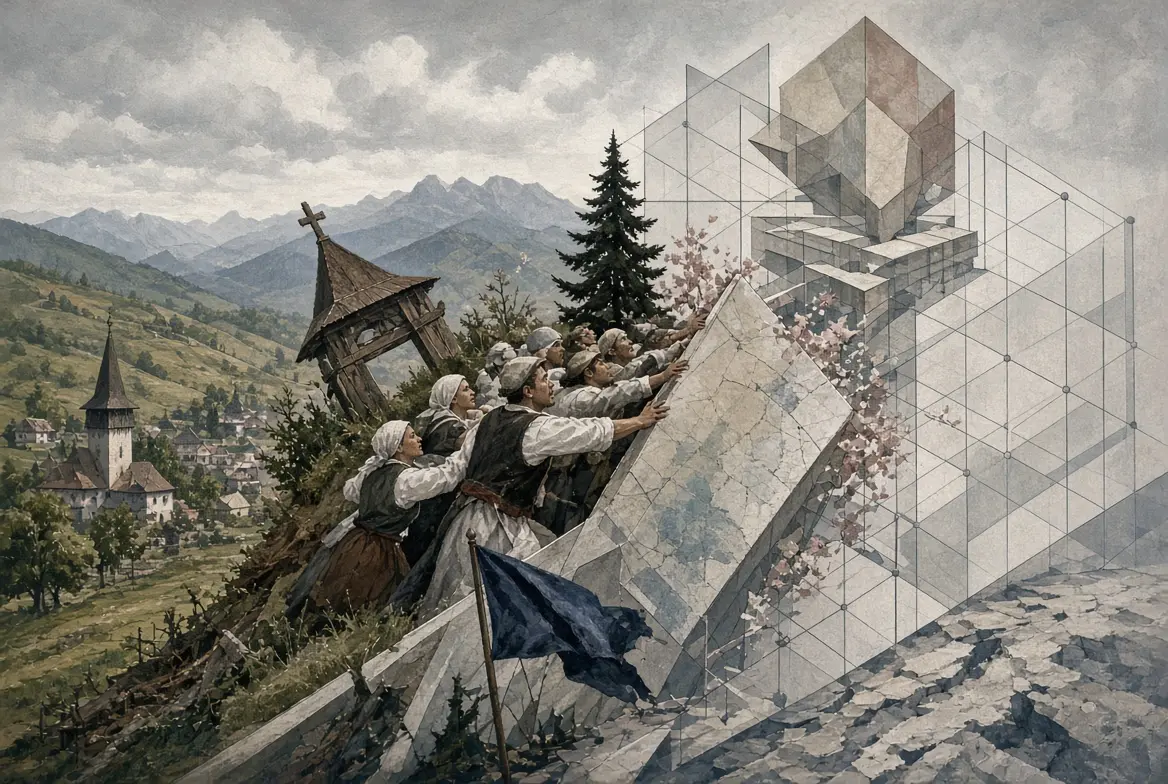
Administrative reform: Maramureș is already rebelling
The PSD has not even agreed on how it would reorganize Romania's counties, yet one of its MPs is already hinting at leaving the party. Lucian Morar refuses to even hear about Maramureș being merged into an administrative unit centered on Cluj-Napoca, and is ready to turn against his own party in defense of his homeland. Whether he has actually already quit over this, or is merely threatening to…
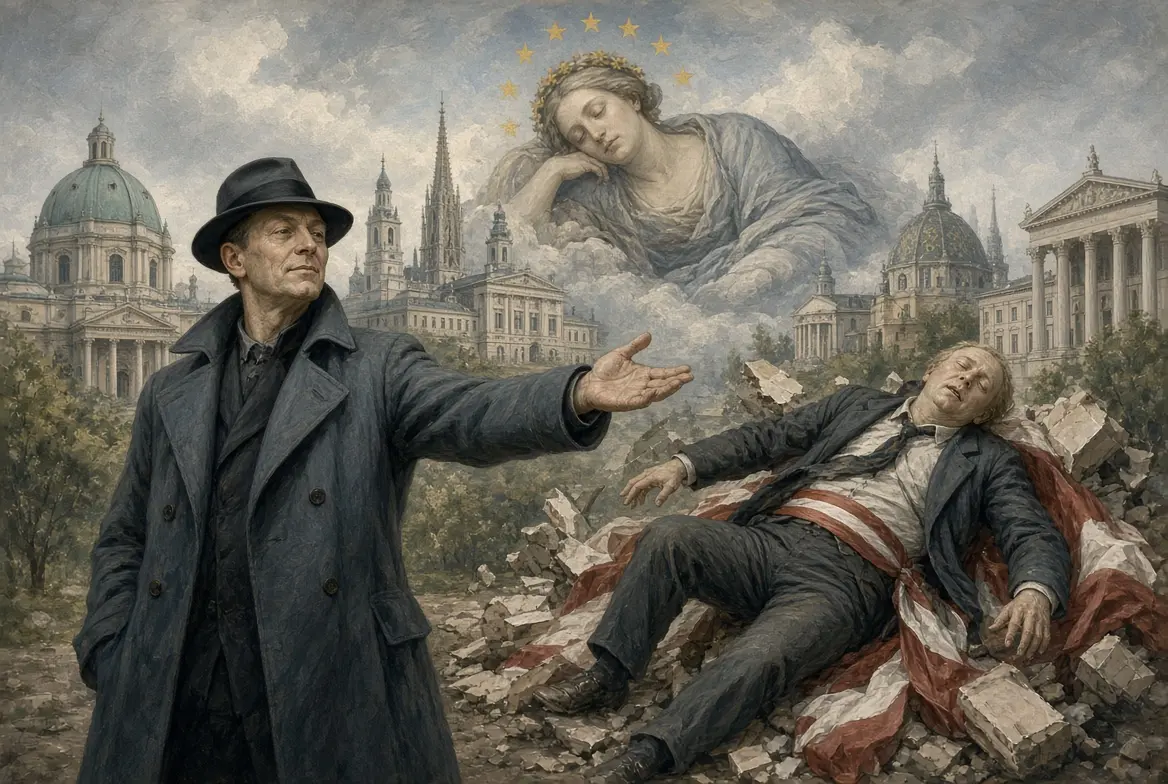
The spy who boasted about bringing down a chancellor – while Europe kept dozing
Jan Marsalek, the fugitive former operations chief of Wirecard, boasted from Moscow that “we successfully brought down” Austrian Chancellor Sebastian Kurz. The network uncovered around him funneled phones belonging to the Interior Ministry to Russia, gathered data on refugees and journalists (it even obtained the home address of Christo Grozev, founder of the renowned investigative outlet…
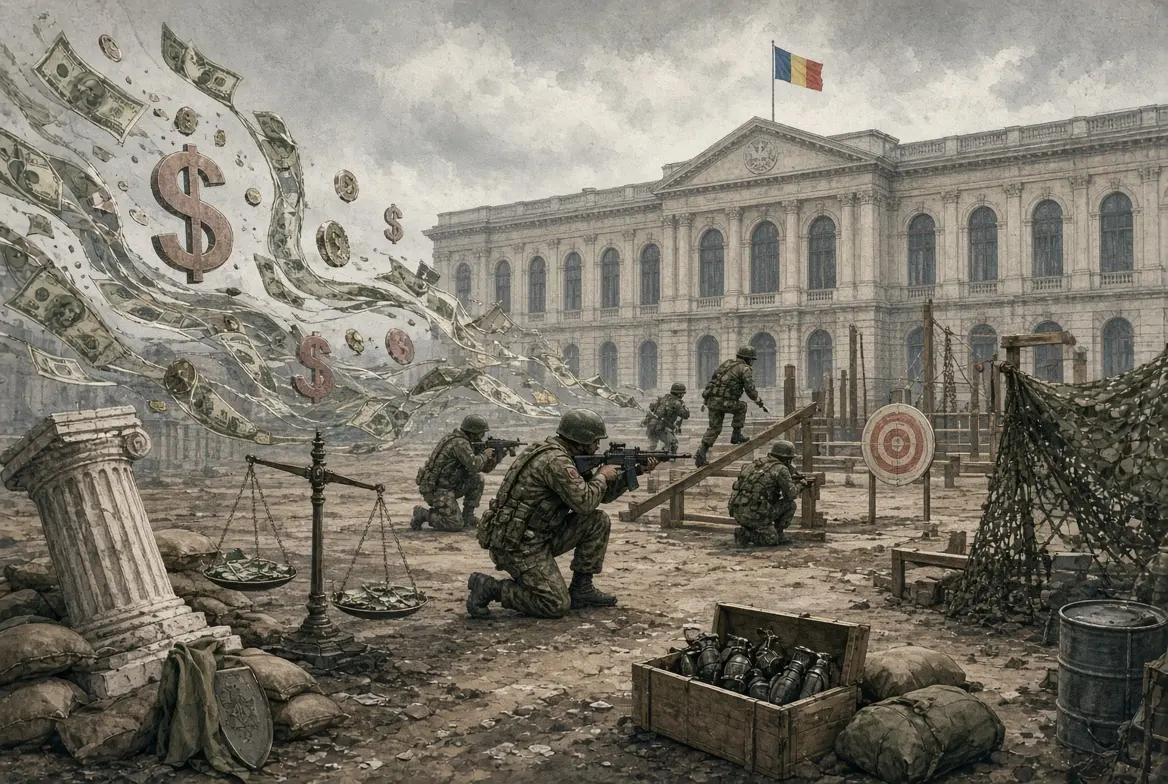
A good idea from Romania: paid military training
Voluntary basic military training could be joined by Romanian citizens — men and women over 18 who have not yet turned 35 by the start of the program and who have not previously served in the military, either as professionals or as reservists. At the end of the training, which would last up to four months, participants would be placed in the army's operational reserve, though those who wished to…